So, you’re curious about acrylic, huh? It’s this stuff that seems to be everywhere these days, and for good reason. From making signs that catch your eye to adding a bit of flair to your home, acrylic applications are pretty wild. It’s not just for fancy displays either; this material is showing up in some pretty serious industrial spots too. Let’s break down what makes acrylic so popular and where you’re likely to find it.
Key Takeaways
- Acrylic is super versatile, showing up in everything from eye-catching signs and stylish home decor to tough industrial guards.
- It’s a great glass alternative because it’s lighter, stronger, and shatter-resistant, making it safer for many uses.
- You can get acrylic in tons of forms – sheets, rods, tubes, and custom shapes, plus different finishes like frosted or mirror.
- Its durability and weather resistance make it suitable for both indoor and outdoor projects, including signage that needs to last.
- Acrylic glue is specifically made to bond acrylic pieces, creating strong and clear connections for various projects.
Acrylic Applications In Signage And Displays
Cut To Size Acrylic Sheet For Stylish Signage Making
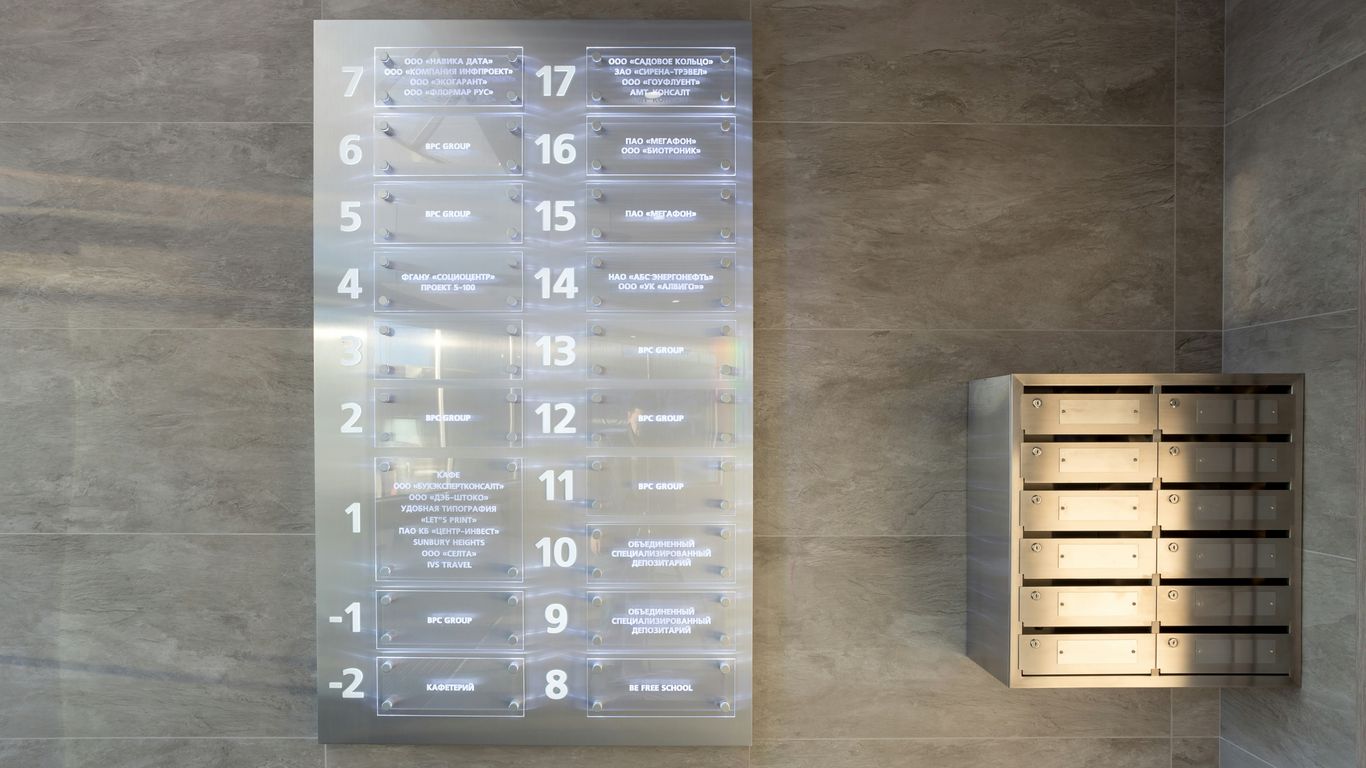
When you need signs that look good and last, acrylic is a solid choice. It’s not just for fancy storefronts either; you can get acrylic sheets cut to pretty much any size you need for all sorts of signs. Think about office door signs, directional markers in a building, or even temporary event signage. The material itself is quite adaptable. It can be cut, drilled, and shaped without too much fuss, which means you can get exactly the look you’re going for. Plus, it’s lighter than glass, making installation a bit easier.
Here’s a quick look at some common types of acrylic sheets used for signs:
- Clear Acrylic: Offers great visibility and looks a lot like glass but is much tougher. Good for signs where you need to see through them or want a clean, transparent look.
- Coloured Acrylic: Comes in a huge range of colors, perfect for branding or making signs that stand out. It’s usually UV stabilized, so the color doesn’t fade easily outdoors.
- Frosted Acrylic: Gives a softer, diffused look. It’s great for signs where you want some privacy or a more subtle aesthetic, like in reception areas.
- Mirror Acrylic: Provides a reflective surface, adding a modern touch. It’s lighter and safer than real mirrors, making it suitable for decorative signage or displays.
Acrylic Signage: Durability Meets Design Flexibility
Acrylic signs really hit a sweet spot between being tough and looking good. They hold up well against the weather, so you don’t have to worry too much about putting them outside. This durability means they can last a long time, which is great for businesses that don’t want to replace their signs every year. But it’s not just about toughness; acrylic offers a lot of freedom when it comes to design. You can print directly onto it, apply vinyl graphics, or even engrave it. This flexibility means you can create signs that perfectly match your brand or message. The ability to customize shapes and sizes further adds to its appeal for creating unique visual statements.
Acrylic’s resistance to impact and weathering makes it a practical choice for both indoor and outdoor signage, offering a long-lasting and visually appealing solution for businesses and organizations.
Versatile Acrylic Sheets For Display Stands And Cases
Beyond just signs, acrylic sheets are super useful for making display stands and cases. Think about retail environments where you need to showcase products clearly. Acrylic stands can hold brochures, small items, or even larger products, keeping them organized and visible. For museums or galleries, acrylic cases can protect valuable artifacts while allowing visitors to see them up close. Even in an office setting, acrylic stands can be used for displaying company information or awards. The material’s clarity means it doesn’t obstruct the view of whatever it’s holding, and its smooth surface is easy to keep clean. This makes it a popular choice for anything that needs to be displayed attractively and safely. You can find a wide variety of acrylic display stands designed for different purposes.
Decorative And Functional Acrylic Uses
Acrylic isn’t just for signs and industrial parts; it’s also a fantastic material for making your living space look better and work more efficiently. Think about furniture, home decor items, and even ways to add privacy or a bit of flair to your rooms. Acrylic offers a lot of possibilities here because it’s so adaptable.
Acrylic Sheets For Furniture And Home Decor
When you think about furniture, you might picture wood or metal, but acrylic is becoming a popular choice for a reason. It can be shaped into all sorts of designs, from sleek, modern tables to unique shelving units. Because it’s clear, it can make a space feel bigger and more open. Plus, it’s lighter than glass, making furniture easier to move around. Beyond furniture, acrylic is great for decorative pieces like picture frames, vases, or even custom light fixtures. Its ability to be colored or frosted also opens up a lot of creative avenues for home accents.
Frosted And Tinted Acrylic For Privacy And Ambiance
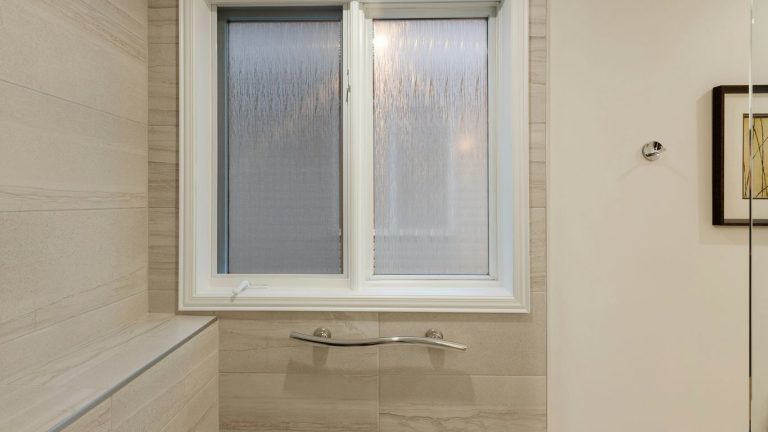
Need a bit more privacy in your bathroom or a softer light in your living room? Frosted and tinted acrylic sheets are your answer. Frosted acrylic has a matte surface that blurs what’s behind it, offering privacy without completely blocking light. This makes it perfect for shower screens, room dividers, or even cabinet doors. Tinted acrylic, on the other hand, comes in various colors and can reduce glare while adding a specific mood to a space. It’s often used for windows or decorative panels where you want to control light and color.
Mirror Acrylic For Safe And Stylish Interior Design
Forget about the safety concerns of traditional glass mirrors. Mirror acrylic offers the same reflective quality but is much safer. It’s shatter-resistant, meaning it won’t break into dangerous shards if dropped or hit. This makes it ideal for homes with children or pets, or for areas where safety is a top priority, like gyms or dance studios. You can find it in various finishes and even in colors like gold or silver, adding a touch of modern elegance to your interior design. It’s a great way to add depth and light to a room without the risks associated with glass.
Acrylic’s versatility means it can be adapted for many decorative purposes. Its lightweight nature and ease of fabrication make it a practical choice for both large furniture pieces and smaller decorative items. The material’s ability to be cut, shaped, and finished in various ways allows for a high degree of customization to suit individual tastes and needs.
Industrial And Construction Acrylic Applications
Acrylic As A Glass Alternative In Construction
Acrylic plastic is making waves in the construction industry, and for good reason. It’s often seen as a strong contender against traditional glass, especially when safety and weight are big concerns. Think about large windows in public buildings or skylights; acrylic offers a much lighter and more impact-resistant option. It’s not as brittle as glass, meaning it’s less likely to shatter into dangerous shards if something hits it. This makes it a safer choice for areas where people are around a lot. Plus, its weather resistance means it holds up well outdoors, resisting damage from sun and rain over time. This durability means less frequent replacement and lower maintenance costs, which is always a plus in construction projects. You can find these versatile sheets used for everything from storefront windows to protective barriers in construction zones. For more on its uses, check out this guide to acrylic sheets.
Durable Acrylic For Machine Guards And Protective Barriers
In industrial settings, safety is paramount. Acrylic sheets are frequently used to create machine guards and protective barriers. These aren’t just flimsy covers; they’re robust shields designed to keep workers safe from moving machinery, flying debris, or hazardous substances. The material’s high impact resistance means it can take a hit without breaking, which is a huge advantage over glass in these demanding environments. It’s also transparent, allowing operators to easily monitor the machinery without compromising safety. This clarity is key for efficient operation and quick identification of any potential issues. Beyond machine guarding, acrylic is also used for protective screens in laboratories or manufacturing lines where a physical barrier is needed to separate processes or protect sensitive equipment. The ease with which acrylic can be cut and shaped also means these guards can be custom-fitted to almost any machine or workspace.
Acrylic Panels For Hygienic Environments
When it comes to places that need to stay clean, like hospitals, food processing plants, or laboratories, acrylic panels are a solid choice. They have a low absorption rate, which means they don’t soak up liquids or contaminants easily, making them simple to wipe down and sanitize. This is a big deal for maintaining strict hygiene standards. Unlike some materials that can harbor bacteria or be difficult to clean thoroughly, acrylic offers a smooth, non-porous surface. This makes it ideal for wall cladding in sterile environments, partitions in clean rooms, or even as surfaces in food preparation areas. The material’s resistance to many chemicals also means it can withstand regular cleaning agents without degrading.
Acrylic’s combination of transparency, impact resistance, and ease of cleaning makes it a go-to material for creating safer and more hygienic workspaces across various industries.
Acrylic’s ability to be formed into seamless panels also helps reduce the number of crevices where dirt and germs could accumulate. This is a significant benefit when you’re trying to maintain a sterile environment. The material is also quite durable, so it can handle the rigors of frequent cleaning and general wear and tear without showing damage quickly. This makes it a cost-effective solution for maintaining high hygiene standards over the long term. You can find these panels used in operating rooms, pharmaceutical manufacturing, and even in commercial kitchens where cleanliness is a top priority. The use of acrylic in these settings contributes to a safer and more controlled working environment. For applications in coatings, you might also see acrylic polymer emulsions used.
Understanding Acrylic Material Properties
Key Characteristics Of Acrylic Plastic
Acrylic, scientifically known as Polymethyl Methacrylate (PMMA), is a popular material for a reason. It’s a thermoplastic that offers a great mix of qualities, making it suitable for a wide array of projects. One of its most talked-about features is its clarity; it boasts around 92% transparency, which is pretty impressive. This makes it a fantastic alternative when you need something that looks like glass but performs better. It’s also significantly lighter than glass, which can make a big difference in handling and installation.
When it comes to toughness, acrylic really shines. It’s about 30 times more resistant to impact than standard glass. This means it’s less likely to shatter if something hits it, making it a safer choice for many applications. Plus, it holds up well against weather and UV light, so it won’t yellow or become brittle when left outdoors. It’s also quite resistant to various chemicals, which is a bonus for durability.
Here’s a quick rundown of what makes acrylic stand out:
- Optical Clarity: Offers exceptional transparency, often outperforming glass in visual quality.
- Impact Resistance: Significantly tougher than glass, reducing the risk of breakage.
- Lightweight: Easier to transport, handle, and install compared to heavier materials.
- Weather Resistance: Withstands outdoor conditions, including UV exposure, without degrading.
- Workability: Can be easily cut, drilled, and shaped, allowing for custom designs.
Acrylic’s combination of clarity, strength, and ease of use makes it a go-to material for creators and manufacturers alike. Its versatility means it can be found in everything from small decorative items to large architectural features.
Comparing Acrylic To Glass And Polycarbonate
When you’re choosing a clear plastic material, it often comes down to acrylic, glass, or polycarbonate. Each has its own set of pros and cons, and knowing them can help you pick the right one for your project. Glass is traditional and offers excellent clarity, but it’s heavy and breaks easily. This is where acrylic and polycarbonate come in as modern alternatives.
Acrylic is a great all-rounder. It’s clearer than most polycarbonates and is easier to work with, meaning you can cut, shape, and bond it with relative ease. For instance, joining acrylic pieces often involves using a specific acrylic glue that creates a strong, almost invisible bond. However, acrylic can scratch more easily than polycarbonate.
Polycarbonate, on the other hand, is the champion of toughness. It’s incredibly impact-resistant, far more so than acrylic, making it ideal for high-security applications or places where extreme durability is needed. While it’s also clear, it might not match acrylic’s pristine optical quality, and it can be a bit trickier to glue. Polycarbonate also has better heat resistance than acrylic.
Here’s a simple comparison:
| Feature | Acrylic (PMMA) | Glass | Polycarbonate |
|---|---|---|---|
| Impact Resistance | Good (30x glass) | Poor | Excellent (250x glass) |
| Clarity | Excellent (92% trans.) | Excellent | Very Good (92% trans.) |
| Weight | Lightweight (half glass) | Heavy | Lightweight (half glass) |
| Scratch Resistance | Fair | Excellent | Good |
| Ease of Bonding | Easy | Difficult | Moderate |
| Cost | Moderate | Varies | Higher |
The Role Of Acrylic Glue In Bonding Applications
Getting a clean, strong bond is super important for many acrylic projects, whether it’s a display case, a sign, or a piece of furniture. That’s where specialized acrylic glue comes into play. Unlike general-purpose adhesives, acrylic glues are formulated to chemically bond with acrylic (PMMA) itself. This process, often called solvent welding, essentially melts the surfaces of the acrylic just enough for them to fuse together as they cool.
Using the right glue is key. You’ll want to make sure the surfaces you’re joining are clean and free of dust or oils. Then, you apply the glue carefully, usually with a fine applicator or syringe, to the edges that will meet. Pressing the pieces together firmly and allowing adequate drying time is crucial for a strong, clear joint that won’t yellow or become brittle over time. Some acrylic glues are fast-acting, while others allow for more adjustment time. Picking the right type depends on the specific project and how much time you have to work with it. A well-executed bond can make an acrylic creation look like it was molded from a single piece.
Specialized Acrylic Forms And Their Uses
Beyond the standard flat sheets, acrylic plastic comes in a variety of specialized forms, each designed for specific applications. These shapes offer unique advantages for fabricators and designers looking for more than just a basic panel.
Acrylic Rods, Tubes, and Custom Shapes
Acrylic rods and tubes are incredibly versatile. They’re often used in furniture making, creating stylish legs for tables or chairs, or as components in lighting fixtures where their transparency can be used to diffuse light. You might also see them used in decorative displays or even in scientific equipment due to their clarity and chemical resistance. The ability to form acrylic into custom shapes opens up a world of possibilities for unique designs. Think about intricate sculptures, bespoke display stands, or even architectural elements that require non-standard forms. These custom shapes are typically produced through processes like extrusion or casting, allowing for a wide range of profiles.
Laser Cut Acrylic for Intricate Designs
Laser cutting takes acrylic fabrication to a new level of precision. This method allows for incredibly detailed and complex designs that would be difficult or impossible to achieve with traditional cutting methods. It’s perfect for creating delicate patterns, sharp edges, and precise cutouts. Applications include custom signage with fine lettering, intricate stencils, detailed architectural models, and unique decorative elements for both home and commercial spaces. The clean, polished edge left by the laser also means no additional finishing is usually required.
Acrylic Hinge and U-Slot Profiles
Acrylic hinges and U-slot profiles are specialized components designed for specific functional purposes. Acrylic hinges, for example, offer a lightweight and corrosion-resistant alternative to metal hinges, often used in display cases or lightweight cabinet doors where a clean, transparent look is desired. U-slot profiles are useful for creating sliding mechanisms, edge protectors, or as channels for holding other materials together. These profiles are particularly handy for DIY projects, custom display stands, or organizing solutions, providing a neat and functional way to join or guide components. You can find these specialized profiles useful for creating things like custom desk organizers or unique display stands for collectibles.
Acrylic’s adaptability extends beyond simple sheets. Specialized forms like rods, tubes, and custom profiles allow for creative solutions in design and manufacturing, offering both aesthetic appeal and practical functionality.
Exploring The Range Of Acrylic Sheet Options
Acrylic sheets aren’t just one thing; they come in a surprising variety, each suited for different jobs. Think of them like a painter’s palette – you’ve got your basics and then some special effects. Understanding these options helps you pick the right material for your project, whether it’s a simple shelf or a complex display.
Clear and Coloured Acrylic Sheets
Clear acrylic is probably what most people picture first. It’s known for being super clear, almost like glass, but much lighter and tougher. It’s a great go-to for things like display cases, windows, or even picture frames where you want to see what’s behind it without distortion. It’s also pretty good at handling the weather, so it works outside too. Then there are the colored sheets. These come in pretty much every shade you can imagine, from bright reds and blues to more subtle pastels. They’re fantastic for adding a pop of color to furniture, creating eye-catching signs, or making decorative panels. The color is usually consistent all the way through the sheet, so even if it gets scratched, the color doesn’t disappear. You can find these in various thicknesses, too, which is important for structural integrity depending on what you’re making. For many applications, like retail displays or home decor, these sheets are a solid choice for various uses.
Opaque and Matt Acrylic Finishes
Beyond the clear and colored options, you’ll find opaque and matt finishes. Opaque acrylics, like white or black, are completely solid. White is often used when you need something that doesn’t let light through, maybe for light-sensitive applications or just for a clean, modern look in furniture or signage. Black is another popular choice for a sleek, sophisticated appearance. Matt finishes, on the other hand, have a textured surface. This texture diffuses light, which can be really useful for reducing glare or creating a softer look. Frosted acrylic is a common example of a matt finish. It gives you a bit of privacy while still letting light pass through, making it ideal for things like room dividers or shower screens. These finishes can really change the feel of a project, moving away from the high-gloss look to something more subdued and sophisticated.
Specialty Acrylics Like Gold/Silver Mirror
And then there are the specialty acrylics that add a bit of flair. The mirror acrylics are a standout here. They look just like glass mirrors but are much lighter and safer because they won’t shatter. You’ll see them used in gyms, dance studios, or even as decorative elements in homes and businesses where a reflective surface is needed but safety is a concern. They come in silver and gold finishes, offering a touch of luxury. There are also other unique finishes, like brushed metal effects or patterned acrylics, that can make a project really stand out. These specialty sheets are perfect for when you want something more than just a standard material, adding a unique visual element to your design.
When selecting acrylic sheets, always consider the intended application. Thickness, color, finish, and UV resistance all play a role in how well the material will perform and how long it will last. Don’t be afraid to explore the less common options; they might be exactly what your project needs to shine.
When you’re looking for the right acrylic sheet, there are many choices available. We have a wide selection to fit your needs. Discover the perfect acrylic sheet for your project by visiting our website today!
Wrapping It Up
So, as we’ve seen, acrylic isn’t just for picture frames or craft projects anymore. It’s popped up everywhere, from making our homes look a bit nicer to playing a role in bigger industries. Its toughness, how easy it is to shape, and its clear look mean it’s a go-to material for all sorts of things. Whether you’re thinking about a new sign for your business, some custom decor for your place, or even something more industrial, acrylic is definitely worth a look. It’s a pretty handy material that keeps finding new uses.
Frequently Asked Questions
What makes acrylic a good choice for signs?
Acrylic is a fantastic material for signs because it’s super tough and can handle being outside, even in bad weather. Plus, it’s easy to shape into any design you can imagine, and you can put any cool graphics or colors on it to make your business stand out.
Can I use acrylic instead of glass for windows or other things?
Yes, definitely! Acrylic is a lot like glass but much stronger and safer because it won’t shatter easily. It’s also lighter, making it easier to put up, and it’s great for things like windows, protective covers, or even aquariums because it’s so clear.
What’s the difference between frosted and clear acrylic?
Clear acrylic is see-through, just like glass, and lets you see everything behind it. Frosted acrylic, on the other hand, has a cloudy or matte finish. It still lets light through, but it hides what’s behind it, which is perfect for adding privacy to spaces like bathrooms or creating cool lighting effects.
How is acrylic glue used?
Acrylic glue is special stuff made just for sticking acrylic pieces together. You just put a little bit on the edges you want to join, press them together, and let it dry. It makes a really strong and clear connection, perfect for making things like display cases or signs.
Are there different kinds of acrylic sheets available?
You bet! Acrylic sheets come in tons of options. There’s clear, colored, and even mirror-like finishes. You can also get them in matte or frosted styles, which are great for different looks and uses, like adding a touch of style to furniture or creating privacy screens.
What are some unique shapes or forms of acrylic?
Besides flat sheets, acrylic also comes in rods, tubes, and even special shapes with grooves, like U-slots. These are super handy for making things like custom furniture parts, organizers, or even decorative items. Laser cutting also lets you create really detailed and intricate designs with acrylic.