So, you’ve probably heard the term ‘Plexiglass’ thrown around, maybe when looking at a picture frame or a display case. But what exactly is it? This guide is going to break down what is plexiglass, why it’s so popular, and where you’ll find it. It’s not just fancy plastic; it’s a material that’s changed how we build, display, and protect things.
Key Takeaways
- Plexiglass, scientifically known as PMMA or acrylic glass, is a transparent thermoplastic often used as a lighter, more shatter-resistant alternative to traditional glass.
- Its key benefits include superior durability, being significantly more impact-resistant and shatterproof than glass, making it safer for various applications.
- Plexiglass is incredibly versatile, finding use in everything from signage and architectural designs to protective barriers and display solutions.
- It comes in a variety of finishes, including clear, colored, frosted, and mirrored, allowing for diverse aesthetic and functional uses.
- Compared to glass, Plexiglass is lighter and easier to work with, while also being distinct from polycarbonate in terms of its specific properties and applications.
Understanding What Is Plexiglass
The Scientific Name For Plexiglass
Plexiglass, more commonly known by its scientific name, Polymethyl Methacrylate (PMMA), is a transparent thermoplastic. It’s often referred to as acrylic glass or simply acrylic. Think of it as a modern, versatile alternative to traditional glass. Its popularity isn’t just a fad; it’s built on a solid foundation of useful properties that make it suitable for a huge range of applications.
Key Material Characteristics
What makes PMMA stand out? For starters, it’s incredibly clear, boasting around 92% transparency. This means it lets a lot of light through, making it a great choice when visibility is important. It’s also significantly tougher than regular glass – about 30 times more impact resistant, in fact. This toughness means it’s less likely to shatter, which is a big safety plus. Plus, it’s considerably lighter than glass, making it easier to handle and install.
Here’s a quick look at some of its main features:
- Transparency: High optical clarity, allowing excellent light transmission.
- Durability: Much more impact-resistant than glass and less prone to breaking.
- Weight: Roughly half the weight of glass, simplifying transport and installation.
- Workability: Can be easily cut, shaped, and bonded.
- Weather Resistance: Holds up well against outdoor elements.
Transparency And Optical Clarity
One of the most celebrated aspects of Plexiglass is its exceptional optical clarity. It rivals glass in its ability to transmit light, often achieving up to 92% transparency. This makes it an excellent material for applications where clear visibility is paramount, such as display cases or windows. Unlike some other plastics, PMMA maintains this clarity without significant distortion, providing a crisp and clean view. This characteristic is why it’s often chosen for architectural elements and visual displays where aesthetics and function go hand-in-hand.
The material’s ability to be manufactured in various forms, from thin sheets to thicker panels, adds to its appeal. This adaptability means it can be tailored for specific project needs, whether it’s a delicate decorative piece or a more robust protective barrier.
Benefits Of Using Plexiglass
When you’re looking for a material that’s both tough and easy to work with, plexiglass really shines. It’s not just a fancy name for plastic; it’s a material with some seriously good properties that make it a go-to for all sorts of projects. Think about it – you get a lot of bang for your buck with this stuff.
Superior Durability And Impact Resistance
Plexiglass, also known as acrylic plastic, is remarkably strong. It can handle impacts much better than regular glass. We’re talking up to ten times more resistant to breaking, which is a pretty big deal if you’re worried about things getting knocked around. This makes it a safer choice, especially in places where safety is a top concern. It doesn’t shatter into tiny, dangerous pieces like glass does, which is a huge plus for anyone working with it or just living around it. This toughness is one of the main reasons people choose it over traditional glass for many applications.
Lightweight And Shatterproof Qualities
One of the most noticeable benefits of plexiglass is how light it is. It weighs about half as much as glass. This makes a big difference when you’re installing something large or heavy. Moving it around, cutting it, and putting it in place is just easier and safer. Plus, the shatterproof quality means you don’t have to stress about accidental breaks causing a mess or potential injury. It’s a practical material that simplifies many tasks, from DIY projects to professional installations. You can find a wide range of acrylic sheets that highlight these properties.
Ease Of Fabrication And Installation
Working with plexiglass is generally straightforward. It can be cut, drilled, and shaped with relative ease using common tools. This flexibility means you can get custom sizes and shapes without a lot of hassle. Whether you’re making a simple sign or a more complex display, plexiglass adapts well. Installation is also less complicated due to its lighter weight and shatterproof nature. It’s a material that doesn’t require highly specialized equipment or extensive training to handle effectively, making it accessible for a broad range of users.
The combination of strength, light weight, and ease of manipulation makes plexiglass a practical and often preferred material for many different uses, from everyday items to more specialized applications.
Versatile Applications Of Plexiglass
Signage and Display Solutions
Plexiglass, or acrylic sheet, is a go-to material for signs and displays. Its clarity and ability to be easily shaped make it perfect for everything from simple business signs to intricate point-of-purchase displays. Because it’s so durable and can handle outdoor conditions, it’s a popular choice for storefront signs and directional markers. You can print directly onto it or apply vinyl graphics, giving you a lot of flexibility in design. Plus, it’s much lighter than glass, making installation a breeze.
- Retail Displays: Creating eye-catching stands and cases for products.
- Wayfinding Signs: Clear directional signs for buildings and public spaces.
- Exhibition Booths: Custom-shaped panels and signage for trade shows.
- Menu Boards: Durable and easy-to-clean surfaces for restaurants.
Architectural and Interior Design
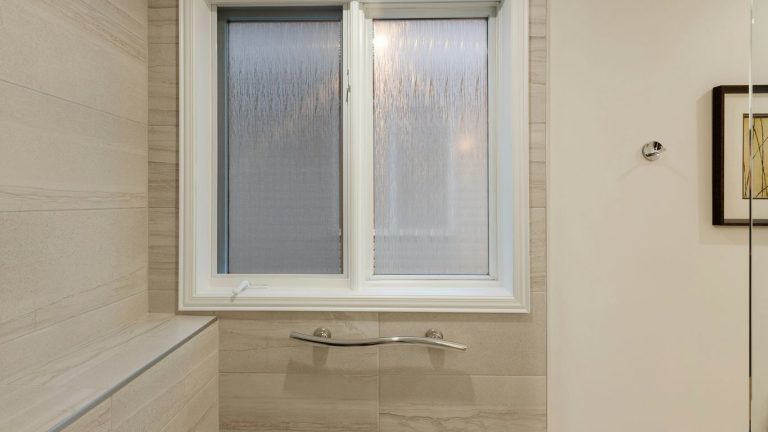
In architecture and interior design, acrylic sheet uses are pretty widespread. Think about room dividers, custom furniture, or even decorative wall panels. Its ability to be colored, frosted, or mirrored opens up a lot of creative possibilities. It can mimic the look of other materials but with added benefits like lighter weight and shatter resistance. For instance, frosted acrylic can provide privacy in shower screens or office partitions while still letting light through. It’s also used for things like countertops and backsplashes in kitchens and bathrooms because it’s easy to clean and resistant to moisture.
Protective Barriers and Glazing
One of the most common applications of acrylic sheet is for protective barriers and glazing. This includes things like sneeze guards at checkouts, protective shields for machinery, or even as a safer alternative to glass in windows. Its impact resistance means it’s less likely to break than traditional glass, which is a big plus for safety. It’s also used in aquariums and display cases where high optical clarity is needed to showcase items without distortion. The material’s weather resistance also makes it suitable for outdoor glazing applications, like bus stop shelters or greenhouse panels. Clear acrylic sheets are often chosen for these roles due to their excellent transparency and strength.
Exploring Different Types Of Plexiglass Sheets
Clear and Coloured Acrylic Sheets
Plexiglass, or acrylic as it’s often called, isn’t just a one-trick pony. It comes in a bunch of different forms, each suited for specific jobs. The most common type you’ll see is the clear acrylic sheet. This stuff is incredibly transparent, often boasting 92% light transmission, which makes it a fantastic substitute for glass in many applications. Think display cases, picture frames, or even windows where you need a clear view. It’s tough, too – significantly more impact-resistant than regular glass, and it won’t shatter into dangerous shards if it does break.
Beyond the crystal clear, there’s a whole spectrum of colors available. These colored acrylic sheets are great for adding a pop of personality or functionality to a project. You can get them in vibrant hues for signage, subtle tints to reduce glare, or even opaque colors for privacy screens or decorative panels. The possibilities really open up when you move beyond just clear.
Frosted and Mirror Finishes
If you’re looking for something a bit different, frosted and mirror finishes offer unique aesthetic and practical benefits. Frosted acrylic has a matte surface that diffuses light. This makes it ideal for applications where you want privacy without completely blocking light, like in bathroom partitions, shower screens, or decorative lighting elements. It gives a soft, elegant look that can really change the feel of a space.
Then there are the mirror acrylic sheets. These are a much safer alternative to traditional glass mirrors. They’re lightweight and shatter-resistant, making them perfect for places where safety is a concern, such as gyms, children’s play areas, or even dance studios. They provide a reflective surface without the risk of sharp, broken glass. You can find these in various colors too, like gold or silver, adding a touch of flair to interior design projects.
Specialty Sheets for Design
For those really pushing the creative boundaries, there are specialty acrylic sheets designed for unique visual effects. These can include textured finishes, patterned surfaces, or even sheets with embedded elements. For instance, you might find sheets with a triangle stripe pattern for decorative purposes or those with a U-slot design perfect for creating custom makeup organizers or display stands.
These specialized sheets allow designers and fabricators to achieve effects that would be difficult or impossible with standard materials. They can add depth, visual interest, and a custom feel to everything from retail displays to architectural features.
When choosing an acrylic sheet, it’s important to consider the specific requirements of your project. Factors like thickness, intended use (indoor vs. outdoor), and desired aesthetic will all play a role in selecting the right type of acrylic.
Plexiglass Versus Other Materials
When you’re looking for alternatives to glass, both Plexiglass (acrylic) and polycarbonate often come up. They share some similarities, like being clearer and lighter than traditional glass, but they have distinct differences that make them better suited for different jobs.
Plexiglass Compared To Glass
Plexiglass is a popular choice because it’s much tougher than regular glass. Think about it: if you drop a glass pane, it shatters. Plexiglass, on the other hand, is designed to resist impacts much better. It’s not completely unbreakable, but it’s significantly more durable. This makes it a safer option, especially in places where safety is a concern, like schools or public spaces. Plus, it’s lighter, which makes installation a lot easier.
Here’s a quick look at how they stack up:
| Feature | Plexiglass (Acrylic) | Glass |
|---|---|---|
| Impact Resistance | High | Low |
| Shatter Resistance | High | Low |
| Weight | Lightweight | Heavy |
| Ease of Fabrication | Easy | Difficult |
| Optical Clarity | Excellent | Excellent |
| Cost (General) | Moderate | Moderate |
While glass offers a certain aesthetic and rigidity, acrylic provides a more forgiving and safer material for many applications where the look of glass is desired but its fragility is a drawback.
Plexiglass Versus Polycarbonate
Now, let’s talk about polycarbonate. If Plexiglass is tough, polycarbonate is tougher. It’s known for its extreme impact resistance, often cited as being many times stronger than acrylic. This makes polycarbonate the go-to material for high-security applications, like bullet-resistant glazing or protective shields in demanding environments. It also has better heat resistance than acrylic.
However, this extra toughness comes at a price, and polycarbonate is generally more expensive than acrylic. While both are clear, some people find that thick polycarbonate can have a slight tint compared to the pristine clarity of acrylic. Acrylic is also often easier to machine and bond, making it a bit more user-friendly for certain fabrication tasks. For everyday uses where extreme impact isn’t the primary concern, acrylic often hits the sweet spot between performance, cost, and ease of use. If you need something that can really take a beating, though, polycarbonate is likely your best bet. Acrylic display cases are a great example of where acrylic’s balance of clarity and durability shines.
Working With Plexiglass
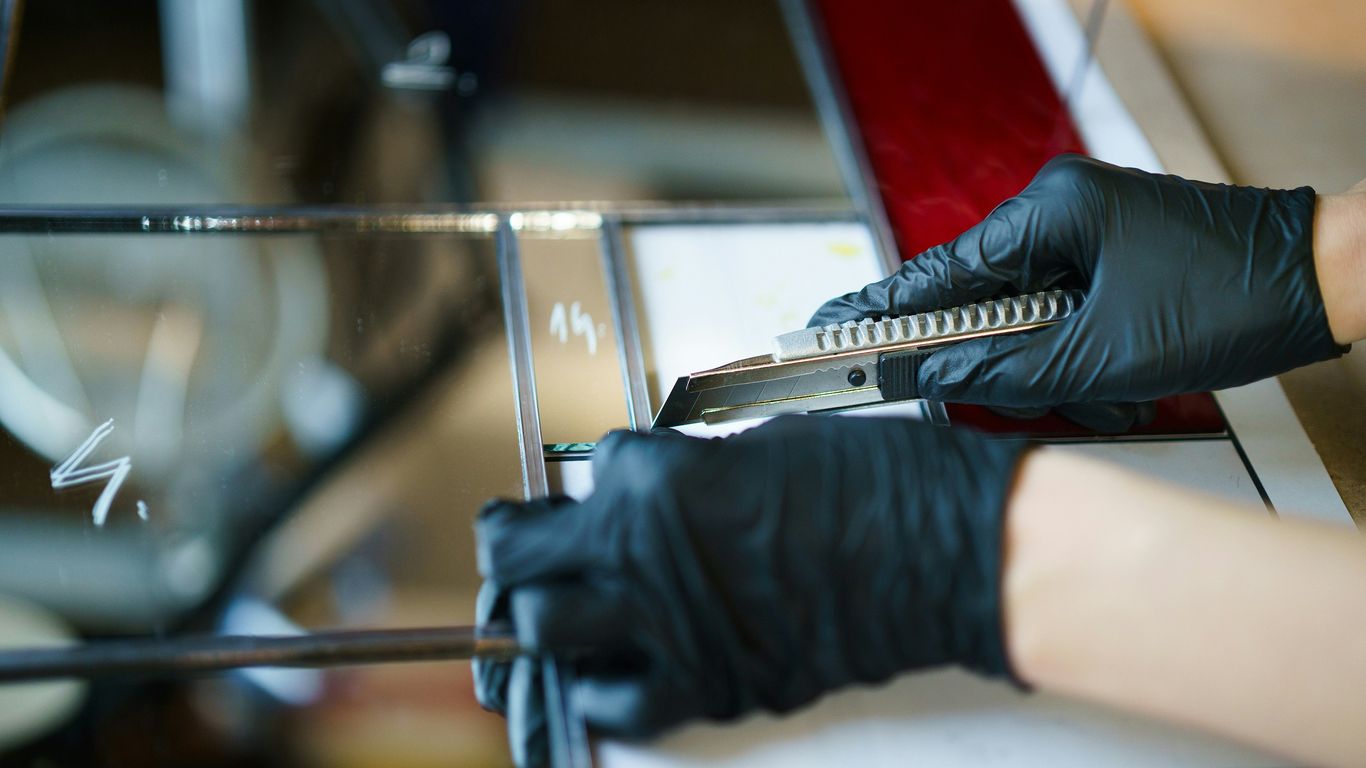
Working with Plexiglass, or acrylic as it’s scientifically known (PMMA), is generally straightforward, making it a favorite for both professionals and DIY enthusiasts. Its properties allow for a good degree of customization without needing highly specialized equipment, though precision tools certainly help.
Cutting and Shaping Techniques
Acrylic can be cut and shaped in several ways. For straight cuts or simple shapes, a scoring knife or a specialized acrylic cutter works well. You score the surface along your desired line and then snap the sheet. This method is quite effective for thinner sheets. For more intricate designs or thicker materials, a table saw with a fine-toothed blade or a jigsaw can be used. Always remember to wear safety glasses and gloves when cutting acrylic to protect yourself from sharp edges and dust.
Here’s a quick look at common cutting methods:
- Scoring and Snapping: Best for straight lines on thinner sheets (up to 3mm).
- Sawing: Using a table saw or jigsaw for more complex shapes and thicker materials.
- Laser Cutting: Offers high precision for intricate designs and clean edges, often used for custom projects.
Bonding and Finishing Methods
Joining pieces of Plexiglass is typically done using specific acrylic adhesives. These solvents work by slightly dissolving the surfaces of the acrylic, allowing them to fuse together as they dry, creating a strong, clear bond. Before applying any adhesive, make sure the edges you’re joining are clean and free of dust or oils. For a polished look, edges can be sanded smooth and then buffed. Minor scratches on the surface can often be removed with a polishing compound.
Proper bonding requires clean surfaces and the right adhesive. Take your time to ensure a strong, invisible seam for the best results.
Maintenance and Care
Keeping your Plexiglass looking its best is pretty simple. Regular cleaning can be done with a soft, damp cloth and a mild soap solution. Avoid using abrasive cleaners or paper towels, as these can scratch the surface. For tougher grime, a specialized acrylic cleaner is recommended. If your acrylic piece gets scratched, don’t worry too much; many scratches can be buffed out using a plastic polish. This ease of maintenance is one of the big draws for using acrylic in various applications, from signage and displays to protective barriers.
Working with plexiglass can be a fun and rewarding project. Whether you’re building something new or fixing an old item, understanding how to handle this material is key. For all your plexiglass needs and expert advice, visit our website today!
Wrapping It Up
So, that’s the lowdown on Plexiglass. It’s a really useful material, way tougher than regular glass and surprisingly light. Whether you’re building something, making signs, or just need a clear, strong sheet for a project, acrylic has a lot going for it. It holds up well outdoors and is easy to work with, which is why you see it in so many different places. It’s definitely a material worth considering for your next job.
Frequently Asked Questions
What exactly is Plexiglass, and what’s its real name?
Plexiglass is a popular brand name for a type of plastic called acrylic, or more scientifically, Polymethyl Methacrylate (PMMA). Think of it like ‘Kleenex’ for tissues; Plexiglass is a common name for a specific kind of acrylic sheet.
Why is Plexiglass a good choice instead of regular glass?
Plexiglass is much tougher than glass, about ten times more resistant to breaking. This makes it safer because it won’t shatter into sharp pieces. Plus, it’s lighter, making it easier to handle and install, and it’s just as clear as glass.
Can Plexiglass be used outside?
Yes, absolutely! Plexiglass holds up really well against different weather conditions. It doesn’t get damaged easily by sun or rain, so it’s a great material for signs or windows that need to be outdoors.
How easy is it to work with Plexiglass?
It’s quite easy to shape and cut Plexiglass into almost any form you need. It can also be glued together securely, making it a flexible material for all sorts of projects, from simple crafts to complex designs.
Are there different kinds of Plexiglass sheets?
Definitely! You can find Plexiglass that’s perfectly clear, or in many different colors. There are also versions with a frosted look for privacy or a shiny mirror finish. Some special types are even made for specific design needs.
How does Plexiglass compare to polycarbonate?
Both are strong plastic alternatives to glass. Polycarbonate is even tougher than acrylic (Plexiglass) and can handle higher temperatures, making it ideal for very demanding jobs like security windows. Acrylic is generally lighter and often easier to work with for everyday projects.