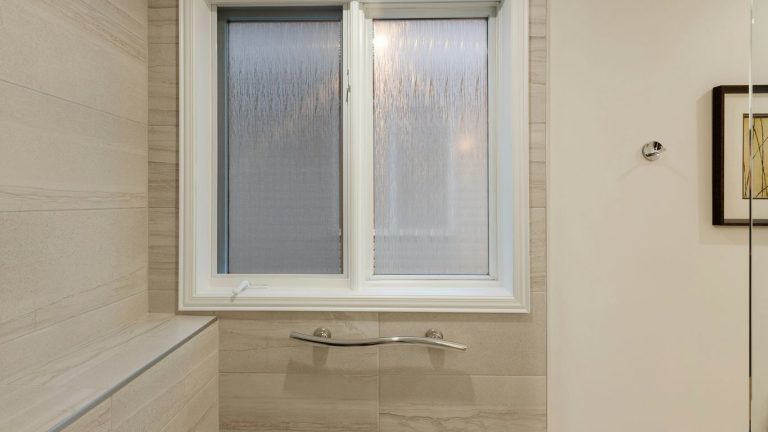
Picking the right acrylic finish can really make or break your project. You’ve got clear, which is super shiny and lets you see right through, and then there’s frosted, which has that cool, soft look. It’s not always an easy choice, and honestly, it depends a lot on what you’re trying to achieve. We’ll break down the differences between clear vs frosted acrylic so you can figure out which one is the best fit for whatever you’re working on.
Key Takeaways
- Clear acrylic offers high transparency and a glass-like appearance, making it ideal for displays and windows where visibility is key.
- Frosted acrylic provides a matte finish that diffuses light and offers privacy, making it suitable for decorative elements and partitions.
- Both clear and frosted acrylic are durable, shatter-resistant, and easier to work with than glass.
- Consider the visual effect and functional needs, such as privacy or light diffusion, when deciding between clear vs frosted acrylic.
- Acrylic sheets come in various sizes and thicknesses, and can often be customized to fit specific project requirements.
Understanding Acrylic Finishes: Clear vs Frosted Acrylic
Acrylic plastic, often known by brand names like Plexiglas or Perspex, is a versatile material that’s become a go-to for many projects. It’s essentially a transparent thermoplastic that offers a good balance of strength, clarity, and workability. Think of it as a more durable, lighter alternative to glass.
What is Acrylic Plastic?
Acrylic plastic, scientifically known as Polymethyl Methacrylate (PMMA), is a synthetic material prized for its clarity and toughness. It’s manufactured in sheets and is known for being significantly more impact-resistant than standard glass – about 30 times stronger, in fact. This makes it a safer choice for applications where breakage is a concern. Plus, it’s considerably lighter than glass, which can make installation and handling much easier.
Key Characteristics of Acrylic Sheets
Acrylic sheets boast a range of useful properties that make them suitable for diverse uses. They offer high optical clarity, meaning you can see through them very well. They’re also quite resistant to weather and UV light, so they hold up well outdoors.
Here’s a quick rundown:
- Clarity: High transparency, often around 92% light transmission.
- Durability: Significantly more impact-resistant than glass and shatterproof.
- Weight: About half the weight of glass.
- Weather Resistance: Stands up well to outdoor conditions.
- Workability: Easy to cut, shape, and bond.
The Versatility of Acrylic Materials
Because of these characteristics, acrylic finds its way into countless applications. From simple signage and display cases to more complex architectural elements and furniture, its adaptability is a major selling point. It can be cut to specific sizes and shapes, and different finishes can be applied, giving you a lot of flexibility for your project needs. Whether you need a crystal-clear barrier or a softly diffused panel, there’s likely an acrylic solution available. You can find a wide range of acrylic sheets for various projects that cater to different requirements.
Exploring Clear Acrylic Properties and Uses
Clarity and Transparency of Clear Acrylic
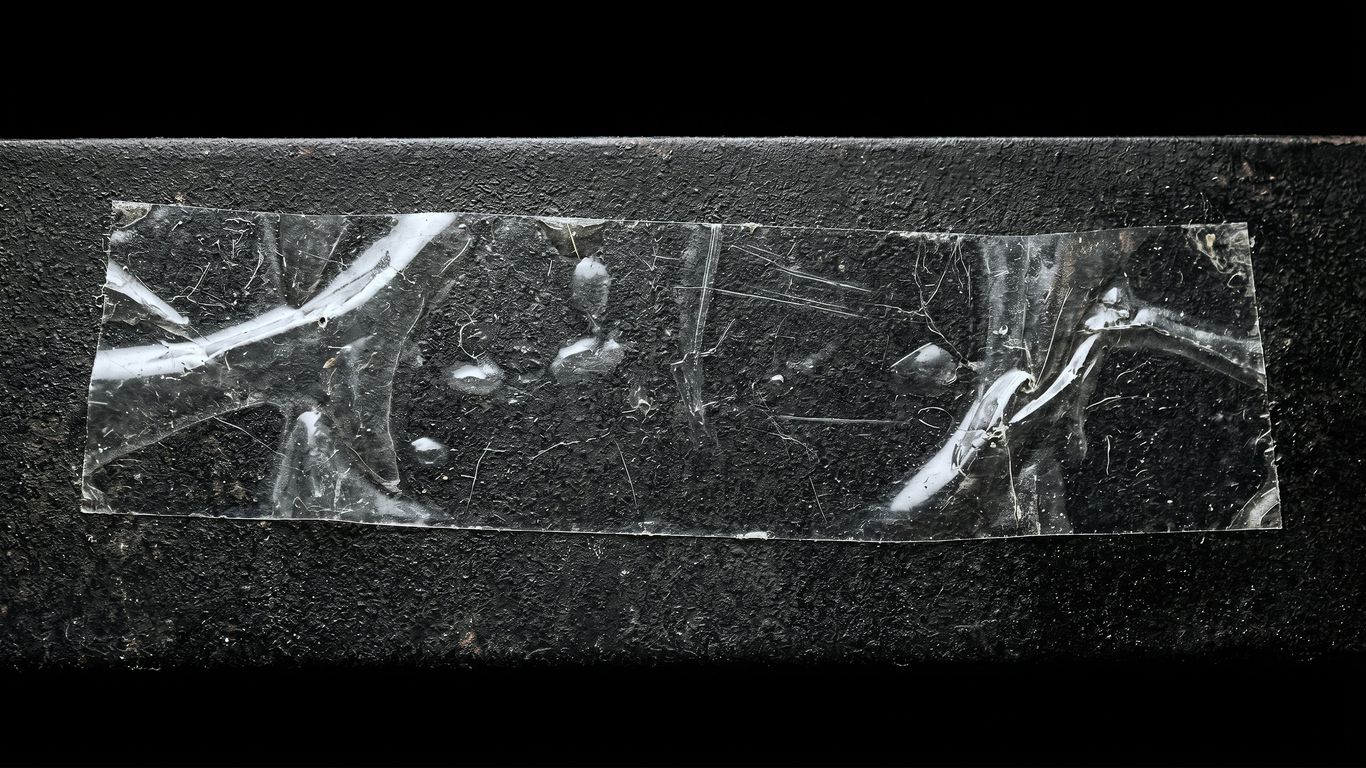
Clear acrylic, often known by its scientific name Polymethyl Methacrylate (PMMA), is celebrated for its exceptional clarity. It boasts a light transmission rate of around 92%, meaning it lets in a lot of light, making it a fantastic alternative to glass. This high level of transparency makes it ideal for applications where you need to see through the material clearly, like display cases or windows. It offers a crisp, unobstructed view, which is why it’s a go-to for many designers and builders. The visual purity of clear acrylic is one of its most defining characteristics.
Durability and Impact Resistance
Beyond its looks, clear acrylic is tough. It’s significantly more impact-resistant than standard glass – some sources say up to 30 times more. This means it’s less likely to shatter if something hits it, making it a safer choice for many projects, especially in public spaces or homes with kids. It also holds up well against weather and chemicals, so it won’t degrade easily when exposed to the elements. This durability means your project can last a long time without showing wear and tear.
Here’s a quick look at how it stacks up:
| Feature | Clear Acrylic | Glass |
|---|---|---|
| Impact Resistance | High | Moderate |
| Shatter Resistance | High | Low |
| Weight | Lightweight | Heavy |
| Weather Resistance | Excellent | Good |
Applications for Clear Acrylic Sheets
Because of its clarity and strength, clear acrylic finds its way into a lot of different projects. It’s commonly used for:
- Signage: Creating professional-looking signs that are durable and easy to read.
- Display Cases: Showcasing products, artwork, or collectibles without distortion.
- Protective Barriers: Setting up sneeze guards or partitions where visibility is key.
- Windows and Glazing: As a lighter, safer alternative to glass in various structures.
- Aquariums: Providing a clear view of aquatic life.
Clear acrylic sheets are incredibly versatile. Their ability to be cut, shaped, and bonded easily means they can be adapted for almost any design need, from simple flat panels to complex, curved structures. This adaptability, combined with their visual appeal and resilience, makes them a popular choice for both functional and decorative purposes.
If you’re looking for a material that offers the transparency of glass but with added safety and flexibility, clear acrylic is definitely worth considering. You can find a wide range of clear acrylic sheets in various sizes and thicknesses to suit your specific project requirements.
Discovering Frosted Acrylic: Texture and Functionality
The Matte Finish of Frosted Acrylic
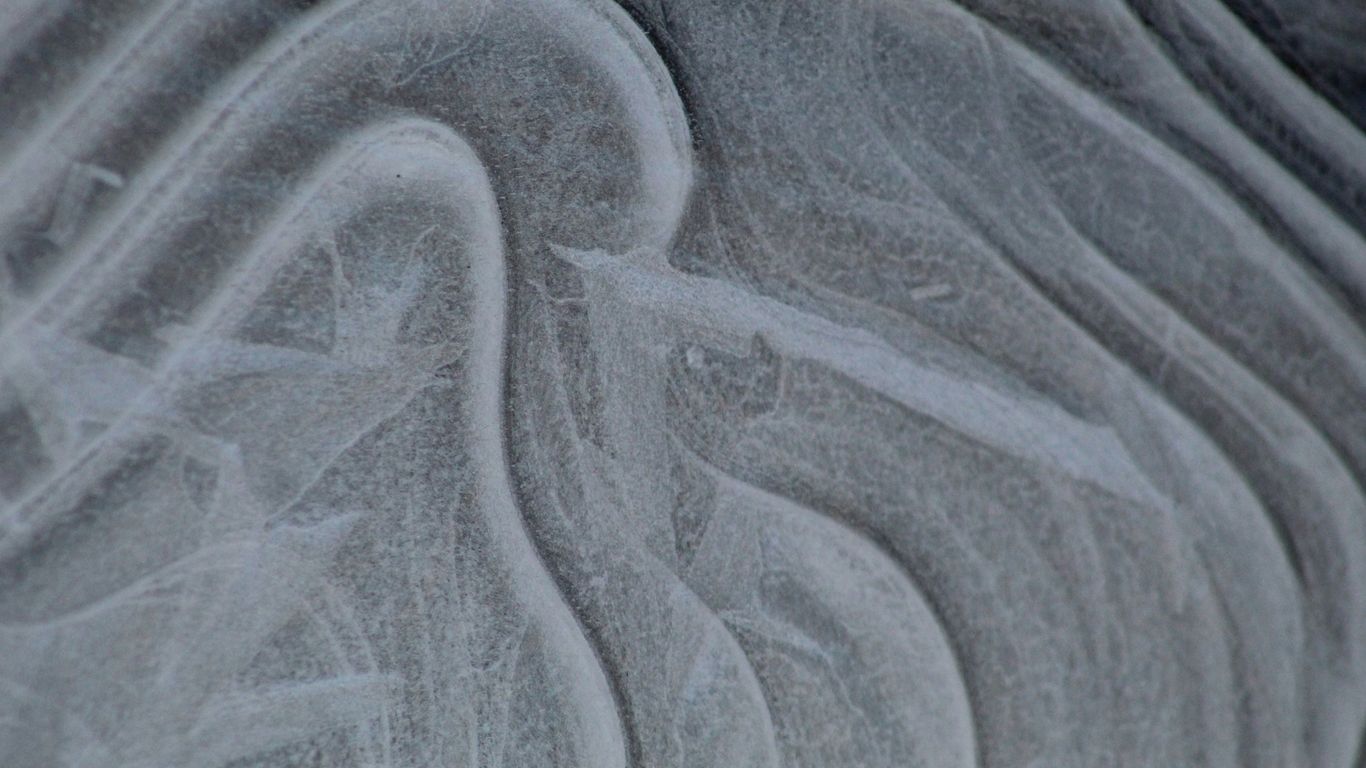
Frosted acrylic, sometimes called satin or matte acrylic, offers a distinct departure from the high gloss of its clear counterpart. Instead of being perfectly transparent, it has a textured surface that diffuses light. This isn’t just about looks; it changes how the material interacts with its surroundings. The subtle texture creates a soft, diffused appearance, making it a popular choice when you want a less reflective surface. It’s like looking through a lightly misted window – you can see shapes and light, but the details are softened.
Privacy and Light Diffusion
One of the main draws of frosted acrylic is its ability to provide privacy without completely blocking light. This makes it incredibly useful for a variety of applications where you need a balance between visibility and seclusion. Think about shower doors, room dividers, or even cabinet fronts. It allows natural light to filter through, keeping spaces feeling open and airy, while still obscuring direct views. This light diffusion can also create interesting visual effects, especially when backlighting is used.
Here’s a quick look at how frosted acrylic handles light and privacy:
- Privacy Level: Moderate to high, depending on the specific finish and thickness.
- Light Transmission: Diffused, allowing ambient light through.
- Glare Reduction: Significantly reduces glare compared to clear acrylic.
Design Applications for Frosted Acrylic
Because of its unique properties, frosted acrylic finds its way into many design projects. It’s often used for decorative panels, signage where a softer look is desired, or even in furniture design to add a touch of modern elegance. Its ability to hide fingerprints and smudges better than highly polished surfaces is another practical advantage. For projects that require a sophisticated, understated aesthetic, frosted acrylic is a solid choice. You can find it used in everything from high-end retail displays to subtle interior partitions, offering a versatile way to add texture and visual interest. If you’re looking for materials that offer a bit more visual depth than standard clear sheets, frosted acrylic is definitely worth considering for various design applications.
Frosted acrylic provides a unique blend of visual softness and functional privacy. Its matte surface diffuses light, reducing glare and obscuring direct views, making it ideal for spaces where both aesthetics and discretion are important. This makes it a versatile material for everything from decorative elements to practical room dividers.
Comparing Clear vs Frosted Acrylic for Your Project
So, you’ve got a project in mind and you’re leaning towards acrylic, but now you’re stuck between clear and frosted. It’s a common crossroads, and honestly, the choice really depends on what you want the final piece to do and look like. They’re both acrylic, sure, but their finishes make a big difference.
Visual Differences Between Finishes
Clear acrylic is pretty straightforward – it’s like glass, but lighter and tougher. It offers a completely unobstructed view, making it perfect when you need to see through something. Think display cases, picture frames, or even protective barriers where visibility is key. It reflects light directly, which can be a nice effect or a glare issue, depending on the lighting.
Frosted acrylic, on the other hand, has that soft, matte texture. It doesn’t give you a clear view; instead, it diffuses light. This means you can see shapes and colors through it, but details get blurred. It’s great for creating a sense of privacy or adding a subtle design element. The matte surface also helps reduce glare, which is a big plus in many applications. It’s a popular choice for interior design elements where a softer look is desired Matte and frosted acrylic finishes are ideal for indoor use.
Functional Considerations for Each Type
When you’re deciding, think about how the material will function. Clear acrylic is all about transparency and showcasing what’s behind it. It’s strong and impact-resistant, making it a safer alternative to glass for many uses. If you need something that’s durable and lets light pass through without distortion, clear is the way to go.
Frosted acrylic brings a different set of benefits. Its primary function is often to provide privacy or to soften light. This makes it suitable for things like room dividers, shower screens, or decorative panels where you don’t want a direct line of sight but still want light to come through. It can also be used to create interesting lighting effects.
Here’s a quick rundown:
- Clear Acrylic:
- Maximum visibility
- Direct light reflection
- Showcases contents
- Frosted Acrylic:
- Diffuses light
- Provides privacy
- Reduces glare
Choosing the Right Finish for Specific Needs
So, how do you pick?
- For displays, aquariums, or protective shields: Clear acrylic is usually the best bet. You need to see clearly, and its strength is a major advantage.
- For room dividers, signage with a softer look, or decorative elements: Frosted acrylic often fits the bill. It adds a touch of style while offering practical benefits like privacy.
- When durability and safety are paramount: Both are good, but clear acrylic is often chosen for applications where impact resistance is the main concern, like in high-traffic areas or for safety glazing Acrylic is lightweight, shatterproof, and more budget-friendly.
Ultimately, the choice between clear and frosted acrylic comes down to balancing aesthetics with function. Consider the environment, the purpose of the piece, and the overall look you’re aiming for. Both offer the inherent benefits of acrylic – durability, lighter weight than glass, and ease of fabrication – but their surface finishes dictate their best applications.
Practical Considerations for Acrylic Selection
When you’re picking out acrylic for your project, there are a few things to keep in mind beyond just clear or frosted. It’s not just about the look, but also how it will hold up and fit into your plans.
Sheet Sizes and Thickness Options
Acrylic sheets come in a pretty wide range of standard sizes and thicknesses. You can usually find them in common dimensions like 1.22m x 1.83m or 1.22m x 2.44m, but custom sizes are often available if you need something specific. Thickness is another big factor. For simple displays or small decorative items, thinner sheets (like 2mm or 3mm) might be fine. But if you need something for a more structural purpose, like a tabletop or a protective barrier, you’ll want to look at thicker options, maybe 6mm, 10mm, or even up to 50mm for heavy-duty applications. Always check the available dimensions and thicknesses to make sure they match your project’s needs.
Here’s a general idea of what you might find:
| Type of Acrylic | Typical Thickness Range | Common Sheet Sizes |
|---|---|---|
| Clear & Standard Colors | 2mm – 50mm | 1.22m x 1.83m, 1.22m x 2.44m, 1.88m x 2.49m, 2.03m x 3.05m |
| Frosted & Artic Colors | 2mm – 12mm | 1.22m x 2.44m |
Fabrication and Customization
Acrylic is known for being pretty easy to work with, which is a big plus. You can cut it, drill it, and even bend it with heat. Many suppliers offer cutting services, so you can get your sheets cut to size before they even arrive. If you’re planning on doing the fabrication yourself, make sure you have the right tools. For precise cuts and intricate designs, laser cutting is a popular option that gives a really clean edge. For joining pieces, specialized acrylic glue works best, creating strong, clear bonds. Remember that different types of acrylic might have slightly different fabrication needs, so it’s good to know what you’re working with.
Working with acrylic often involves scoring and snapping for straight cuts, or using specialized saws for more complex shapes. Always wear safety glasses and gloves when cutting or drilling acrylic to protect yourself from sharp edges and dust.
Maintenance and Care
Keeping your acrylic looking good is usually straightforward. For regular cleaning, a soft, damp cloth with a mild soap solution is generally recommended. Avoid using abrasive cleaners or harsh chemicals, as these can scratch or damage the surface. For minor scratches on clear acrylic, you can often polish them out using a plastic polish or a fine-grit sandpaper, followed by a polishing compound. Frosted acrylic, with its matte surface, might show smudges differently than clear acrylic, but a gentle cleaning approach usually works well. Regular dusting and wiping down will help maintain its appearance over time.
Choosing the right acrylic can make a big difference in your project. Think about how it will look, how strong it needs to be, and if it will be used outside. We can help you figure out the best option for your needs. Visit our website to learn more about our acrylics and find the perfect fit for your next creation!
Making Your Final Choice
So, when it comes down to it, picking between clear and frosted acrylic really just depends on what you need. If you want to see through things, like for a window or a display case, then clear acrylic is the way to go. It’s bright and lets light through easily. But if you need a bit of privacy, or want to soften the light, or just like that textured look, frosted acrylic works great. It’s good for things like room dividers or decorative panels where you don’t need perfect visibility. Both are tough and easy to work with, so think about how you’ll use it and what look you’re after. That should help you decide which one is the better fit for your project.
Frequently Asked Questions
What exactly is acrylic plastic?
Acrylic is a strong, clear plastic that’s like glass but much tougher. It’s also lighter and often cheaper than glass, making it a popular choice for many projects.
What’s the main difference between clear and frosted acrylic?
Clear acrylic is see-through, just like regular glass. Frosted acrylic has a matte, textured surface that makes it blurry, so you can’t see clearly through it. It’s good for privacy.
Is acrylic strong enough for outdoor use?
Yes, acrylic is great for outside! It can handle different weather conditions without getting damaged or losing its quality. It’s also shatter-resistant, which is safer than glass.
Can I get acrylic sheets in custom sizes?
Absolutely! Most places that sell acrylic sheets can cut them to any size you need for your project. You can also get them in different thicknesses.
What are some common uses for frosted acrylic?
Frosted acrylic is often used to create privacy screens, like for shower doors or room dividers. It’s also used in decorative lighting and signs where you want a softer, diffused look.
How do I clean and care for acrylic sheets?
Cleaning acrylic is simple. Use a soft cloth with mild soap and water. Avoid using harsh chemicals or abrasive cleaners, as they can scratch the surface. Just a gentle wipe-down usually does the trick.