Looking to spice up your next project? Sometimes, a splash of color is all you need. Colored acrylic sheets are a fantastic way to do just that, offering a vibrant and versatile material for all sorts of creations. Whether you’re a seasoned crafter or just starting out, these sheets can really make your ideas pop. Let’s explore how you can use them.
Key Takeaways
- Colored acrylic sheets are a versatile plastic material that comes in many colors, perfect for adding visual appeal to projects.
- Acrylic is lighter and more impact-resistant than glass, making it a safer and more durable alternative for various applications.
- These sheets can be cut, shaped, and joined using specific techniques, allowing for a lot of creative freedom.
- They are suitable for both decorative uses, like art and signage, and functional applications in design.
- When choosing colored acrylic sheets, consider the thickness, size, and specific properties like UV resistance for your project’s needs.
Understanding Colored Acrylic Sheets
What Are Colored Acrylic Sheets?
Colored acrylic sheets are essentially sheets of plastic, specifically polymethyl methacrylate (PMMA), that have been infused with pigments to give them a specific hue. Unlike painted or coated materials, the color is integral to the sheet itself, meaning it won’t chip or fade easily. Think of it as the color being baked right into the material. This makes them a fantastic choice when you need a vibrant, consistent color that can stand up to a bit of wear and tear. They’re a popular alternative to glass for many projects because they offer a similar look but with added benefits.
Key Characteristics of Acrylic Plastic
Acrylic plastic, the base material for these colored sheets, has some pretty neat properties. For starters, it’s remarkably clear, offering excellent optical clarity, which is why it’s often used as a glass substitute. It’s also surprisingly tough; it’s significantly more impact-resistant than regular glass, making it less likely to shatter. This durability is a big plus for any project that might get bumped around. Plus, acrylic is considerably lighter than glass, which makes handling and installation a lot easier. It also holds up well against weather and chemicals, so you don’t have to worry too much about it degrading over time, especially if it’s going to be used outdoors.
Here’s a quick rundown of what makes acrylic stand out:
- Transparency: Offers high clarity, similar to glass.
- Impact Resistance: Much stronger and more shatter-resistant than glass.
- Lightweight: Easier to handle and install.
- Weather Resistance: Stands up well to outdoor conditions.
- Versatility: Can be easily cut, shaped, and fabricated.
While acrylic is tough, it can scratch. However, many minor scratches can often be buffed out with a polishing compound, which is a handy trick to know.
Benefits Over Traditional Materials
When you compare colored acrylic sheets to traditional materials like glass or painted wood, acrylic really shines in several areas. For one, its shatter-resistant nature makes it a much safer option, especially in environments where safety is a concern, like schools or public spaces. You don’t have to worry about dangerous shards if it happens to break. Then there’s the color aspect. With glass, achieving vibrant, consistent color often involves expensive coatings or laminations that can degrade. Acrylic, on the other hand, has the color integrated throughout, providing a deep, rich hue that lasts. This makes it ideal for applications like signage and displays where consistent branding and visual appeal are important. It’s also much lighter than glass, simplifying transportation and installation, and it doesn’t yellow or degrade significantly when exposed to UV light, unlike some other plastics. This longevity means your project will look good for a long time.
Exploring the Spectrum of Colored Acrylic
Colored acrylic sheets open up a whole new world of design possibilities, moving beyond the standard clear or frosted options. Think of them as your palette for adding personality and visual interest to any project. The variety available is pretty impressive, offering a way to match specific themes, brand colors, or just to inject some fun.
A Wide Array of Color Options
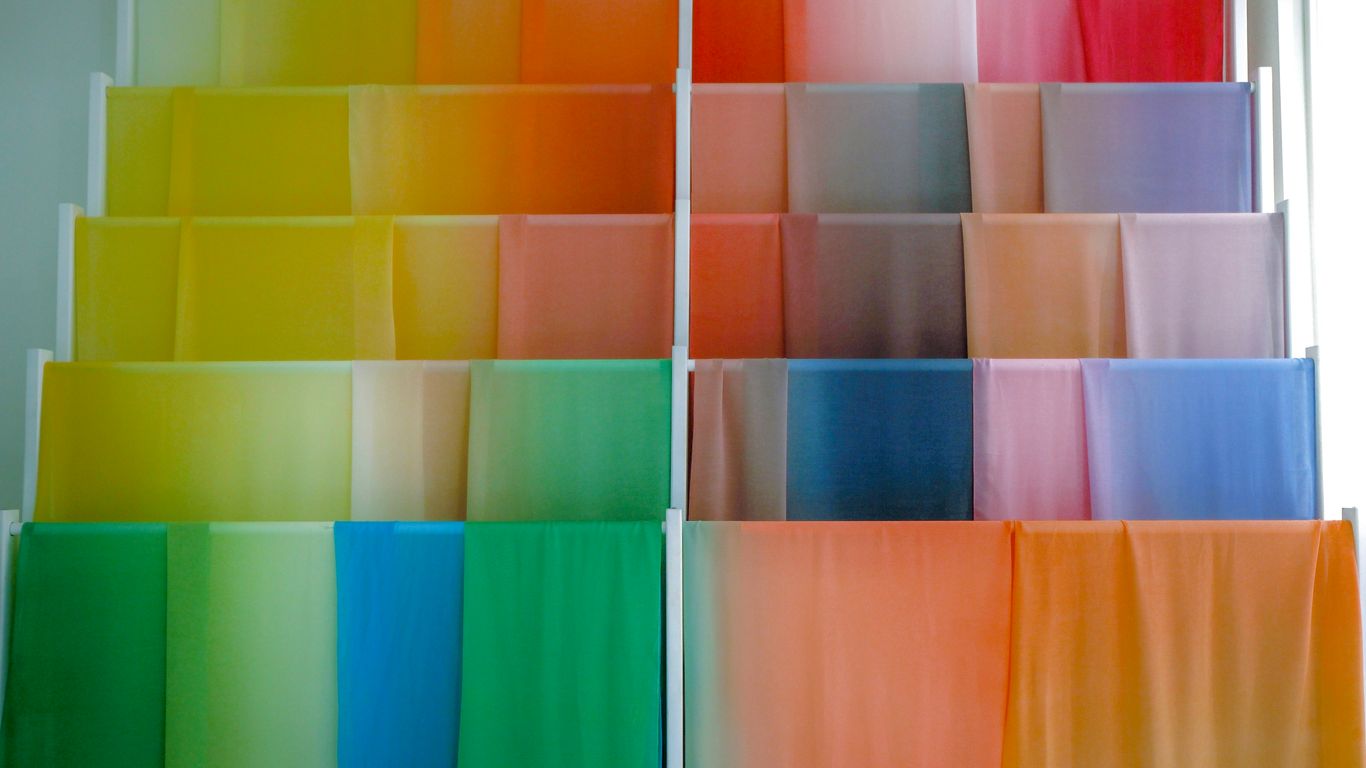
When we talk about colored acrylic, it’s not just a few basic shades. You can find everything from deep, rich tones to bright, vibrant hues. There are also softer pastels and even fluorescent options that really pop under certain lighting. This wide selection means you’re likely to find the exact shade you’re looking for, whether it’s for a subtle accent or a bold statement piece. Some suppliers even offer custom color matching if you have a very specific need.
Here’s a quick look at some common color categories:
- Standard Colors: These include popular choices like red, blue, green, yellow, and black, often available in various opacities.
- Pastel Tones: Softer shades like light pink, mint green, and baby blue, great for a gentler aesthetic.
- Fluorescent Colors: These colors are designed to be highly visible and often glow under UV light, perfect for attention-grabbing displays.
- Metallic Finishes: Offering a reflective, metallic sheen, these can add a touch of sophistication.
Specialty Finishes and Tints
Beyond solid colors, acrylic sheets come in a range of special finishes and tints that can dramatically alter their appearance and how they interact with light. Frosted or matte finishes, for instance, diffuse light and offer a softer look, often used for privacy screens or decorative panels. Tinted sheets, on the other hand, allow light to pass through while coloring it, similar to tinted glass, making them suitable for windows or light diffusion applications. You can even find sheets with a pearlescent or iridescent quality that shifts color depending on the viewing angle.
The way light interacts with a colored acrylic sheet is a key design consideration. A translucent sheet will allow light to pass through, creating a glowing effect, while an opaque sheet will block light entirely, providing a solid color surface.
Choosing the Right Hue for Your Project
Selecting the perfect color isn’t just about personal preference; it’s about how the color will function within your project. Consider the environment where the acrylic will be used. For signage, you’ll want colors that are easily readable and align with branding. For decorative items, think about the mood you want to create – bright colors for energy, darker tones for sophistication, or pastels for a calming effect. It’s also worth noting how the color might appear under different lighting conditions, as this can significantly change its impact. If you’re unsure, ordering small samples can be a smart move before committing to larger sheets. This allows you to see the color in your intended space and under your specific lighting conditions. You can find a wide range of colored and decorative acrylics to explore.
Applications for Colored Acrylic Sheets
Colored acrylic sheets are incredibly versatile and can bring a unique visual appeal to a wide range of projects. Their adaptability means they aren’t just for decoration; they serve practical purposes too.
Enhancing Signage and Displays
One of the most common uses for colored acrylic is in creating eye-catching signage. Whether it’s for a storefront, an office directory, or an informational display at an event, colored acrylic offers a professional look that’s also durable. The material can be easily cut and shaped, allowing for custom designs that stand out. Think about the vibrant colors used in retail displays to highlight products or the subtle tints that add a touch of sophistication to an office reception area. It’s a material that can be bent and molded, making it simple for manufacturers to create signs tailored to specific client needs. Plus, designs can be printed or affixed directly onto the acrylic, giving businesses a lot of flexibility in how they present their brand.
- Retail Signage: Bright colors to attract attention.
- Office Directories: Professional and easy to read.
- Event Displays: Custom shapes and sizes for impact.
- Wayfinding Signs: Clear and durable for indoor/outdoor use.
Creative Uses in Art and Decor
Beyond commercial applications, colored acrylic sheets are a favorite among artists and interior designers. They can be used to create stunning visual art pieces, custom furniture, or decorative elements for homes and businesses. Imagine a vibrant colored acrylic panel as a modern backsplash in a kitchen, or a set of different colored sheets layered to create a unique piece of wall art. Frosted or tinted acrylic can also be used for privacy screens or decorative room dividers, diffusing light in an interesting way. The material’s ability to be cut into intricate shapes using methods like laser cutting opens up a world of possibilities for detailed decorative work.
The sheer variety of colors and finishes available means that colored acrylic can match almost any aesthetic, from bold and modern to subtle and elegant. Its lightweight nature also makes it easier to work with for DIY decor projects compared to heavier materials.
Functional Applications in Design
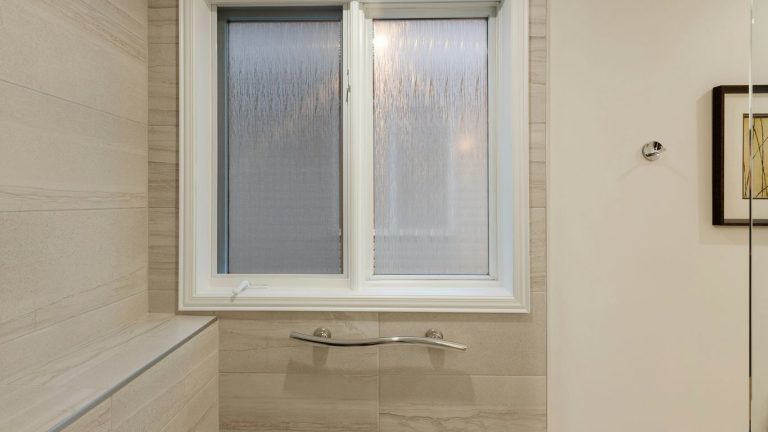
Colored acrylic isn’t just about looks; it’s also about function. Its durability and resistance to weather make it suitable for outdoor applications, like custom-colored panels for outdoor furniture or decorative elements on buildings. In some cases, colored acrylic can even be used as a substitute for glass in windows or protective barriers where a specific color is desired for aesthetic or functional reasons, such as reducing glare. For instance, tinted acrylic sheets can serve as an alternative to traditional windows, especially in areas where UV resistance is a concern. The material’s impact resistance also makes it a safer choice than glass in many settings.
| Application Type | Example Uses |
|---|---|
| Protective Barriers | Colored screens for machinery, custom sneeze guards |
| Architectural Elements | Decorative panels, colored window inserts, custom cladding |
| Furniture Components | Colored tabletops, cabinet doors, accent pieces |
Working with Colored Acrylic Sheets
Working with colored acrylic sheets is pretty straightforward, even if you’re not a seasoned pro. These sheets are known for being easy to handle, which is a big plus for any project. Whether you’re cutting, joining, or just finishing up, there are a few things to keep in mind to get the best results.
Cutting and Fabrication Techniques
Cutting acrylic is not like cutting wood or metal. You need the right tools and a bit of patience. For straight cuts, a scoring knife or a specialized acrylic cutter works well. You score the line firmly and then snap the sheet along the score. It’s important to do this slowly and carefully to avoid cracks or chips. For more intricate shapes or thicker sheets, a table saw with a fine-tooth blade or even a laser cutter can be used. Always make sure the acrylic is well-supported during cutting to prevent it from flexing or breaking. If you’re doing a lot of cutting, checking out a guide on safely cutting acrylic sheets can be really helpful.
Joining and Finishing Methods
When it comes to joining pieces of colored acrylic, you have a few options. Acrylic cement or solvent bonding creates a strong, almost seamless bond by slightly melting the edges of the plastic together. Just be sure to work in a well-ventilated area and apply the adhesive sparingly for a clean look. For less permanent connections or when you want a different aesthetic, mechanical fasteners like screws can be used, but be careful not to overtighten them, as this can crack the acrylic. Finishing often involves sanding and polishing the edges. Start with a coarser grit sandpaper and move to finer grits to achieve a smooth, clear edge. A buffing wheel can give it a high shine.
Safety Considerations During Fabrication
Safety is always important when working with any material. When cutting or sanding acrylic, it can produce fine dust, so wearing a dust mask and eye protection is a must. Gloves are also a good idea to protect your hands from sharp edges. If you’re using solvent cements, ensure good ventilation to avoid inhaling fumes. It’s also wise to secure your workpiece properly before cutting to prevent it from moving unexpectedly. Remember, while acrylic is tough, it can crack if stressed improperly.
Working with acrylic is generally safe and manageable, but always take the time to prepare your workspace and wear the appropriate safety gear. A little preparation goes a long way in ensuring a smooth and safe fabrication process for your colored acrylic projects.
Selecting the Ideal Colored Acrylic Sheet
Choosing the right colored acrylic sheet for your project involves looking at a few key things. It’s not just about picking a color you like; you also need to think about how it will be used and what kind of look you’re going for. Getting this right means your project will not only look good but also hold up well over time.
Understanding Thickness and Size Options
Acrylic sheets come in a variety of thicknesses, and this is a big factor in how strong and rigid the final piece will be. Thicker sheets are generally more durable and suitable for applications that need to support weight or withstand more stress. For example, a thin sheet might be fine for a decorative overlay, but for a shelf or a structural component, you’ll want something much thicker. Standard thicknesses often range from 2mm up to 50mm, with many options in between. It’s also worth noting that different types of acrylic, like cast versus extruded, might have slightly different thickness ranges available. Always check the manufacturer’s specifications for the specific type you’re considering.
When it comes to size, sheets typically come in standard dimensions, such as 1.22m x 1.83m or 1.22m x 2.44m. However, many suppliers offer custom cutting services, which can be incredibly useful. This means you can get the exact size you need without having to buy a larger sheet and cut it down yourself, saving material and labor. This is especially helpful for projects with precise dimensions or when you need multiple identical pieces.
Considering Durability and UV Resistance
Durability is a major selling point for acrylic. It’s known for being much more impact-resistant than glass, meaning it’s less likely to shatter if dropped or hit. This makes it a safer choice for many applications, especially in public spaces or areas where children are present. However, not all acrylics are created equal when it comes to resisting wear and tear. Some types are formulated for higher impact resistance or better scratch resistance.
UV resistance is another important factor, particularly if your project will be exposed to sunlight. Standard acrylic can yellow or become brittle over time when exposed to prolonged UV radiation. If your colored acrylic sheet is intended for outdoor use, like signage or architectural elements, look for sheets that are specifically advertised as UV-stabilized or UV-resistant. This treatment helps maintain the color and integrity of the material, preventing premature degradation and fading. For many applications, clear acrylic sheets offer excellent weather resistance, and this applies to their colored counterparts as well.
Where to Source Quality Colored Acrylic
Finding a reliable supplier is key to getting good quality colored acrylic sheets. Look for suppliers who specialize in plastic sheets and have a good reputation. They should be able to provide detailed specifications for their products, including thickness tolerances, color consistency, and any special treatments like UV resistance. Many suppliers offer a wide range of colors and finishes, and some even provide custom color matching services if you have a very specific shade in mind.
When you’re shopping around, consider:
- Product Range: Do they have the colors and thicknesses you need?
- Quality: Are the sheets free from defects like scratches or inconsistencies?
- Customization: Do they offer cutting services to your exact specifications?
- Customer Service: Are they knowledgeable and helpful in guiding your choice?
Some suppliers focus on specific markets, like signage or architectural applications, while others cater to a broader range of DIY and professional projects. Checking reviews and asking for samples can help you make an informed decision about where to purchase your materials. For instance, companies that have been in the business for a while, like those with over 15 years of experience, often have a deep understanding of the materials they offer and can provide solid advice. Suppliers in Malaysia are known for their extensive stock and quality products.
Selecting the right acrylic sheet means balancing aesthetic desires with practical needs. Consider the environment it will be in, the stresses it will endure, and how long you expect it to last. This thoughtful approach ensures your project not only looks great but also performs as intended.
Picking the right color for your acrylic sheet can make a big difference! Whether you need a bold statement or a subtle touch, the perfect shade is out there. Ready to find the exact color you’re looking for? Visit our website today to explore all the options!
Bringing Color to Your Creations
So, there you have it. Acrylic sheets offer a really straightforward way to inject some color into whatever you’re making. Whether it’s a small craft project or something a bit bigger, the variety of shades available means you can probably find just what you need. They’re pretty easy to work with too, which is always a plus. Don’t be afraid to experiment and see what kind of vibrant results you can achieve with these colorful plastic sheets.
Frequently Asked Questions
What exactly are colored acrylic sheets?
Colored acrylic sheets are basically plastic sheets made from a material called PMMA. They’re like a colorful, stronger, and lighter version of glass that you can use for all sorts of cool projects. Think of them as a vibrant alternative to regular glass that’s much harder to break.
Why are acrylic sheets better than glass or other materials?
Acrylic is a real winner because it’s super tough – way tougher than glass and won’t shatter into dangerous pieces. It’s also much lighter, making it easier to handle and install. Plus, it holds up well against the weather, so you can use it outside without worrying too much.
What kind of colors and finishes can I get with acrylic sheets?
You can find acrylic sheets in almost any color you can imagine! Beyond the basic colors, there are also special finishes like frosted, which gives a soft, hazy look, or even mirror finishes. This means you have tons of options to match your project’s style.
Can I really use colored acrylic for more than just decorations?
Absolutely! While they look great in art and decor, colored acrylic sheets are also super practical. They’re often used for making eye-catching signs, durable displays, protective barriers, and even parts in furniture or gadgets. Their strength and color make them useful in many different ways.
Is it hard to cut or shape acrylic sheets?
It’s actually quite manageable! You can cut and shape acrylic sheets using special tools like scoring cutters or even laser cutters for really precise designs. They can be glued together with special acrylic glue, and you can sand and polish them to get a smooth finish. Just remember to wear safety gear!
Where can I buy colored acrylic sheets, and how do I pick the right one?
You can find colored acrylic sheets at many plastic supply stores, hardware shops, and online. When you’re choosing, think about how thick you need the sheet to be for your project, what size will work best, and if you need it to be extra tough or resistant to sunlight. Asking the seller for advice can also be really helpful!