Thinking about building or upgrading your greenhouse in Malaysia? You’ve probably heard that acrylic panels are a top choice, and for good reason. They let in light, keep the weather out, and can last a long time. But with so many types of acrylic out there, picking the right one for your greenhouse can feel a bit confusing. We’re here to break down the different kinds of acrylic greenhouse panels Malaysia has to offer, so you can make a smart choice for your plants and your project.
Key Takeaways
- Clear acrylic sheets offer excellent light transmission, similar to glass, making them great for greenhouses where plants need sunlight.
- Coloured, tinted, and frosted acrylic sheets can offer UV protection or diffused light, which might be beneficial for specific plant types or to reduce glare.
- White opal and opaque white acrylic sheets are not typically suitable for greenhouse glazing as they block light, but could be used for structural elements or shading.
- Mirror and black acrylic sheets are generally not recommended for greenhouse panels due to their light-blocking properties.
- Polycarbonate sheets are a strong alternative to acrylic, known for their superior impact resistance and durability, often used in demanding greenhouse applications.
1. Clear Acrylic Sheet
When you’re looking for a material that’s both functional and looks good, clear acrylic sheet is a solid choice. It’s basically a plastic that’s made to be super clear, almost like glass, but with some pretty big advantages. Think of it as a modern upgrade for a lot of projects where you might have used glass before.
One of the main reasons people go for clear acrylic is its strength. It’s much tougher than regular glass, meaning it won’t shatter into a million pieces if it gets knocked. This makes it a safer option, especially if you have kids or pets running around. Plus, it’s lighter than glass, which makes installation a whole lot easier. You won’t need a team of people to put up a clear acrylic panel.
Here’s a quick look at why clear acrylic is so popular:
- Clarity: It offers excellent optical clarity, letting in plenty of light. You get a clear view through it, much like glass.
- Durability: It’s significantly more impact-resistant than glass, making it less likely to break.
- Weight: It’s about half the weight of glass, simplifying handling and installation.
- Versatility: It can be cut, drilled, and shaped relatively easily, allowing for custom designs.
Clear acrylic is also pretty good at handling different weather conditions, so you don’t have to worry too much about it degrading if it’s used outdoors. It holds up well against the elements. This makes it a good pick for things like greenhouse panels, where it needs to let sunlight in while protecting plants from the weather.
While it’s tough, it’s worth remembering that clear acrylic can scratch more easily than glass. So, when you’re cleaning it, it’s best to use soft cloths and mild cleaning solutions to keep it looking its best.
If you’re thinking about using clear acrylic for something like a greenhouse or a protective barrier, you’ll find it’s a practical and reliable material. It offers a good balance of transparency, strength, and ease of use, making it a go-to for many different applications. You can find these sheets in various thicknesses and sizes to fit just about any project you have in mind, making it a truly adaptable material for your building needs clear acrylic sheets.
2. Coloured Acrylic Sheet
When you want to add a splash of personality or specific branding to your greenhouse, coloured acrylic sheets are a fantastic choice. They aren’t just about looks, though; these sheets can also help manage light intensity inside your greenhouse, which can be beneficial for certain plants. Think of it as giving your plants a custom lighting environment.
These sheets come in a pretty wide spectrum of colours, from vibrant reds and blues to more subtle greens and yellows. You can find them in solid colours, or sometimes with a translucent quality that still lets light through but tints it. The durability and UV stability of coloured acrylic mean the colour won’t fade easily, even with constant sun exposure. This makes them a practical option for outdoor structures like greenhouses.
Here’s a quick look at some common colour types and their potential uses:
- Reds and Oranges: Can create a warm, stimulating environment, potentially good for flowering plants.
- Blues and Purples: Might offer a cooler light spectrum, possibly beneficial for leafy greens.
- Greens and Yellows: Often used for aesthetic appeal or to mimic natural light conditions.
When choosing a colour, it’s worth considering how much light transmission you need. Darker colours will block more light, while lighter, more translucent colours will allow more through. It’s a balance between aesthetics and the practical needs of your plants. You can find a good range of these sheets from suppliers who offer custom cutting, so you get exactly the size and colour you need for your project. For example, some suppliers have been in the business for years, providing high-quality acrylic sheets in various colours.
Choosing the right colour can impact not just the look of your greenhouse but also the growing conditions inside. It’s a design choice with functional benefits.
3. Matt Acrylic Sheet
Matt acrylic sheets offer a different aesthetic compared to their glossy counterparts. Instead of a shiny surface, they have a diffused, non-reflective finish. This makes them a good choice when you want to reduce glare or create a softer look.
These sheets are particularly useful for applications where you want to hide fingerprints or smudges, as the matte surface tends to mask them better than a high-gloss finish. They’re often used in retail displays, furniture making, or even as decorative panels where a subtle, sophisticated appearance is desired. Because they don’t reflect light as much, they can make a space feel calmer and less visually busy.
When considering matt acrylic for your greenhouse, think about how the diffused light might affect plant growth. While they reduce glare, they might also slightly reduce the total amount of light reaching your plants compared to perfectly clear panels. However, for certain types of plants or specific greenhouse designs, this diffusion could be beneficial, preventing scorching from direct, intense sunlight. It’s a trade-off between light intensity and light quality.
Here are some common uses for matt acrylic sheets:
- Retail display cases and shelving
- Furniture components, like tabletops or cabinet doors
- Decorative wall panels or partitions
- Signage where a non-glare finish is preferred
- Picture framing for artwork that is sensitive to reflections
It’s worth noting that while matt acrylic provides a unique look, its light transmission properties might differ from other types of acrylic. If maximizing light is your top priority for plant growth, you’ll want to compare its performance against clear or high-diffusion options. For many other applications, though, the subtle elegance of a matt finish is hard to beat. You can find these in various colors and thicknesses, much like other acrylic types, allowing for a good degree of customization for your project needs.
4. White Opal Acrylic Sheet
White opal acrylic sheets offer a unique blend of diffusion and opacity, making them a standout choice for specific greenhouse applications. Unlike clear acrylic that lets light pass straight through, white opal diffuses it, scattering it more evenly. This can be really beneficial for plants that are sensitive to direct sunlight, preventing scorching and creating a softer growing environment. It’s also great for creating a more uniform light distribution across the entire greenhouse space.
The diffused light from white opal acrylic can lead to more consistent plant growth.
When you’re thinking about using white opal acrylic, consider its light transmission properties. While it diffuses light, it also blocks a certain percentage of it. This means you might need to supplement with artificial lighting, especially during shorter days or for plants that require intense light. The exact percentage of light transmission can vary between manufacturers, so it’s worth checking the specifications.
Here’s a quick look at some general characteristics:
- Light Diffusion: Excellent, scatters light evenly.
- Opacity: Opaque, does not allow direct viewing through the sheet.
- UV Resistance: Typically good, protecting plants from harmful UV rays.
- Durability: Similar to other acrylics, it’s impact-resistant and weather-durable.
White opal acrylic is particularly useful for creating shaded zones within a greenhouse, mimicking natural dappled sunlight conditions that many plants thrive in. It can also be used for decorative purposes, adding a soft, ambient glow to the structure.
For greenhouses, this material is often used for specific sections or as a full covering where diffused light is the primary goal. It’s a good option if you’re aiming for a specific aesthetic or if your plants have particular light requirements. You can find these sheets in various thicknesses, much like other acrylic types, so you can choose based on your structural needs and desired light diffusion level. If you’re looking for a material that offers a softer light environment, white opal acrylic is definitely worth considering for your greenhouse project in Malaysia.
5. Black Acrylic Sheet
Black acrylic sheets offer a sleek, opaque finish that can be used for a variety of applications beyond just aesthetics. While they provide a sophisticated look for signage or decorative panels, their light-blocking properties also make them suitable for specific functional uses in a greenhouse setting. Think about using them as dividers to create microclimates within a larger structure, or perhaps for light-sensitive plants that need protection from direct sun.
These sheets are molded and can be easily worked with using standard tools like drills and saws. They are a good choice when you need a solid, non-transparent material that’s still lighter and more impact-resistant than glass.
Here are some points to consider when using black acrylic:
- Light Blocking: Excellent for creating shaded areas or protecting plants from intense sunlight.
- Privacy: Can be used for partitions or to conceal certain areas within the greenhouse.
- Aesthetics: Provides a modern, minimalist look for structural elements or decorative features.
- Durability: Offers good UV resistance, meaning it won’t degrade quickly when exposed to sunlight.
When selecting black acrylic, you’ll find it available in various thicknesses, typically ranging from 2mm up to 12mm for standard sizes. This allows for flexibility depending on the structural needs of your project. For greenhouse applications, thicker sheets might be preferable for any load-bearing components, while thinner sheets could work for decorative accents.
While clear acrylic is often the go-to for letting in light, opaque options like black acrylic serve a different, yet equally important, purpose in controlled growing environments. They allow for precise light management and the creation of distinct zones within your greenhouse.
6. Mirror Acrylic Sheet
Mirror acrylic sheets offer a reflective surface that can be a really neat addition to a greenhouse. Unlike regular glass mirrors, these are made from acrylic, which makes them much lighter and less likely to shatter if dropped. This is a big plus for safety, especially if you’re working in a space where things might get bumped around. They’re also quite easy to cut and shape, so you can get creative with how you use them.
One of the main reasons people consider mirror acrylic for their greenhouse is its ability to bounce light around. This can help to distribute sunlight more evenly to your plants, potentially giving them a boost. It’s a bit like giving your plants a little extra sun exposure without having to move them.
Here are a few ways you might use mirror acrylic in your greenhouse:
- Reflecting light: Position sheets to bounce sunlight onto shadier spots or onto the undersides of leaves.
- Creating a sense of space: The reflective surface can make a smaller greenhouse feel larger and more open.
- Decorative accents: Cut them into shapes or use them as a backing for shelves to add a bit of visual interest.
These sheets are a safer alternative to traditional glass mirrors, making them a practical choice for many gardening setups. They come with a protective film that you’ll want to peel off once installed to get the full reflective effect. Just remember that while they are durable, they can still scratch if not cared for properly, so gentle cleaning is key. You can find these at many plastic suppliers, often cut to your specific needs, which is super convenient for any project. Acrylic mirror sheet is a lightweight, shatterproof material that is safe and easy to handle, work with, and install.
7. Tinted Acrylic Sheet
Tinted acrylic sheets offer a way to control light and add a bit of color to your greenhouse. They work by reducing the amount of direct sunlight that passes through, which can be helpful in hotter climates or for plants that don’t need intense sun. Think of them as sunglasses for your plants.
These sheets are a good alternative to regular glass for greenhouse windows because they’re lighter and less likely to break. Plus, they come in various shades, so you can pick the level of tint that suits your needs. Some common colors include bronze, grey, and even some blues and greens.
Here’s a quick look at what tinted acrylic can offer:
- Light Diffusion: Helps to spread light more evenly, reducing harsh shadows.
- UV Filtering: Many tinted options can block some of the sun’s harmful UV rays.
- Aesthetic Appeal: Adds a unique look to your greenhouse structure.
- Privacy: Offers a bit more privacy compared to clear panels.
When choosing a tinted acrylic sheet, consider the specific light requirements of the plants you plan to grow. Some plants thrive in bright light, while others prefer more shade. The right tint can make a big difference in plant health and growth. It’s also worth noting that while tinted acrylic reduces direct sunlight, it still allows plenty of ambient light through, which is important for photosynthesis. You can find these at suppliers who offer a wide range of acrylic sheet options for various projects.
8. White Acrylic Sheet
White acrylic sheets offer a solid, opaque finish that’s great for a variety of applications where you need a clean, uniform look. Unlike clear acrylic, which lets light pass through, white acrylic blocks it, making it ideal for projects where light control is important or where a specific aesthetic is desired. It’s a popular choice for signage, decorative panels, and even some furniture pieces because it provides a smooth, consistent surface.
The opacity of white acrylic makes it a go-to for light-sensitive applications. This means if you have something that needs to be shielded from light, or if you want to create a diffused lighting effect, white acrylic can be a good option. It’s also easy to work with, much like other acrylics, meaning you can cut, drill, and shape it without too much trouble.
When considering white acrylic for your greenhouse project, it’s important to note its light-blocking properties. While it won’t let sunlight through to nurture plants, it can be used for specific parts of a greenhouse structure, perhaps for internal partitions or decorative elements where light transmission isn’t needed. It’s a versatile material that offers a clean aesthetic.
Here are some common uses for white acrylic sheets:
- Signage: Creating professional-looking signs for businesses or events.
- Decorative Panels: Adding a modern, clean look to interior walls or furniture.
- Light Diffusers: Used in lighting fixtures to create a soft, even glow.
- Display Stands: Building sturdy and attractive stands for products.
While white acrylic is excellent for blocking light and providing a solid color, it’s not suitable for greenhouse panels where plants need sunlight to grow. For greenhouse applications, clear or translucent options are generally preferred to maximize light penetration. However, its opaque nature makes it a strong contender for other decorative or functional uses outside the main growing areas of a greenhouse.
If you’re looking for a material that offers a clean, opaque finish and is easy to fabricate, white acrylic is definitely worth considering for various projects. Just remember its light-blocking nature when planning your greenhouse setup. For more information on different types of acrylic, you might find details on clear acrylic sheets helpful to compare properties.
9. Frosted Acrylic Sheet

Frosted acrylic panels offer a unique aesthetic for greenhouses, blending functionality with a softer look. Unlike clear acrylic, frosted versions have a textured surface that diffuses light. This diffusion can be quite beneficial in a greenhouse setting. It helps to spread sunlight more evenly across plants, reducing the risk of scorching from direct, intense rays. Plus, it provides a degree of privacy, which can be nice if your greenhouse is visible from a neighbor’s yard or a public space.
The matte finish is the key characteristic that sets frosted acrylic apart. It’s not just about looks; this texture also helps to scatter light, creating a more ambient illumination within the greenhouse. This can lead to more consistent plant growth across different areas of your structure.
Here are some points to consider when looking at frosted acrylic for your greenhouse:
- Light Diffusion: Excellent for preventing harsh shadows and hot spots on plants.
- Privacy: Offers a visual barrier without completely blocking light.
- Aesthetics: Provides a softer, more diffused appearance compared to crystal-clear panels.
- Durability: Retains the inherent strength and weather resistance of acrylic.
When you’re choosing materials for your greenhouse, think about how the light will behave inside. Frosted acrylic can really make a difference in creating the right environment for your plants to thrive. It’s a practical choice that also adds a touch of style. If you’re looking for expert advice on acrylic options in Malaysia, companies like Acrylic MY can help you select the best fit for your project.
10. Polycarbonate Sheet
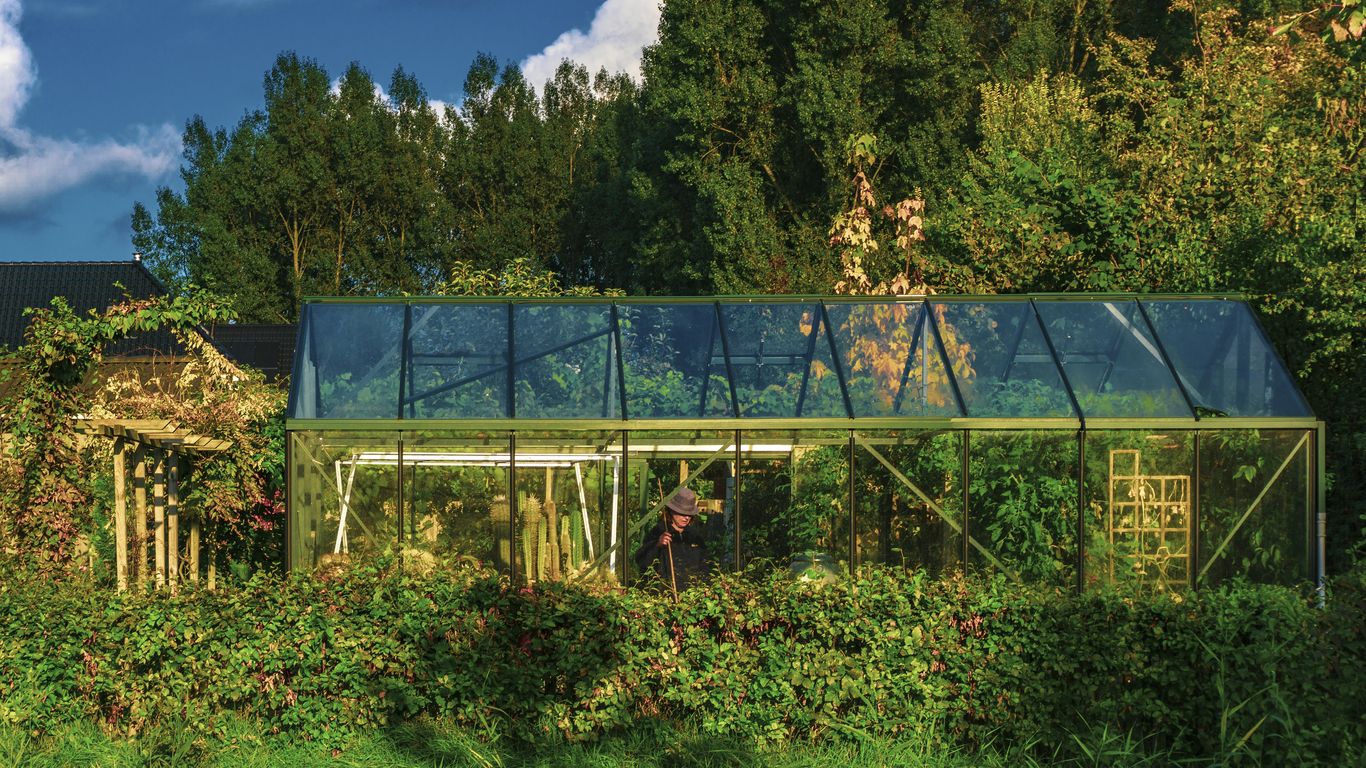
Polycarbonate sheets are another strong contender when you’re looking for durable, transparent materials for your greenhouse. They’re known for being incredibly tough. In fact, they’re often cited as being about 250 times stronger than regular glass, which means they can handle a lot more impact. This makes them a really good choice if you’re worried about things like hail or strong winds.
One of the big advantages of polycarbonate is its clarity. Clear polycarbonate lets in about 92% of light, which is great for plant growth. It’s also quite a bit lighter than glass, weighing only about half as much. This can make installation a bit easier, especially for larger panels.
Here’s a quick look at some key features:
- High Impact Resistance: Significantly stronger than glass, resisting breakage from impacts.
- Good Light Transmission: Allows ample sunlight for plant growth.
- Lightweight: Easier to handle and install compared to glass.
- UV Protection: Most polycarbonate sheets come with a UV-resistant coating, protecting them from sun damage.
- Temperature Resistance: Can withstand a range of temperatures.
Polycarbonate also has a good fire rating, often classified as B1, meaning it’s heat and fire resistant and self-extinguishing. This is a nice safety feature to have.
While acrylic is also a popular choice, polycarbonate often edges it out in terms of sheer toughness and resistance to extreme conditions. It’s a material that’s built to last and withstand the elements, making it a solid investment for a long-term greenhouse structure.
When you’re comparing it to acrylic, remember that polycarbonate has a slightly different set of properties. It’s known for its excellent thermal insulation capabilities, which can help maintain a more stable temperature inside your greenhouse. If you’re looking for a material that offers superior strength and durability for your greenhouse project, polycarbonate is definitely worth considering. You can find these corrugated polycarbonate panels designed for easy installation.
Looking for strong and clear sheets? Our polycarbonate sheets are a great choice for many projects. They’re tough, let in light, and can be used for all sorts of things. If you want to learn more about how these sheets can help you, check out our website today!
Wrapping It Up
So, after looking into the different acrylic greenhouse panels available in Malaysia, it’s clear there are some solid choices out there. Whether you’re after something super clear, maybe frosted for a bit of privacy, or even a specific color, companies like Jon Kwong seem to have a good range. They’ve been around for a while and talk a lot about quality and having lots of options. Remember, acrylic is pretty tough and can handle the weather, which is a big plus for any greenhouse project. Picking the right panel really comes down to what your plants need and what look you’re going for. It’s worth checking out what they offer to find the best fit for your garden space.
Frequently Asked Questions
What makes acrylic a good choice for greenhouse panels in Malaysia?
Acrylic is a fantastic option for greenhouse panels because it lets in a lot of light, which plants need to grow. It’s also super strong, much tougher than glass, so it won’t break easily. Plus, it holds up well against the weather, which is great for Malaysia’s climate. It’s lighter than glass too, making it easier to put up.
How do different types of acrylic sheets compare for greenhouse use?
Clear acrylic is best for letting in maximum sunlight. Tinted or frosted acrylic can help block some intense sun, which might be useful in very hot areas. While other colors like white or black are usually for decoration or signs, they wouldn’t be ideal for letting light into a greenhouse.
Is acrylic better than polycarbonate for greenhouse panels?
Both acrylic and polycarbonate are great choices, but they have slight differences. Polycarbonate is even tougher and more impact-resistant than acrylic, making it almost unbreakable. Acrylic is usually clearer and might be a bit more scratch-resistant. For most greenhouses, either will work well, but polycarbonate is the go-to if you need extreme durability.
How long do acrylic greenhouse panels typically last in Malaysia?
High-quality acrylic panels, especially those made for outdoor use, can last for many years, often 10 to 20 years or even longer. They are designed to resist yellowing and becoming brittle from the sun’s UV rays. Choosing a reputable supplier in Malaysia ensures you get panels built to last.
Can I install acrylic greenhouse panels myself?
Yes, you can! Acrylic is lighter and easier to cut and shape than glass. You’ll need basic tools and some DIY skills. Many people find it manageable to install their own panels, especially if they’re replacing old ones or building a smaller greenhouse. Just make sure to follow safety guidelines when cutting and handling the sheets.
Where can I buy good quality acrylic greenhouse panels in Malaysia?
You can find reliable suppliers of acrylic sheets in major cities like Kuala Lumpur and other parts of Malaysia. Companies that specialize in plastic sheets, like Jon Kwong, are often recommended. Look for suppliers who have been around for a while and offer a good range of thicknesses and types of acrylic.