Thinking about your next outdoor project? Maybe a new sign for your business, or perhaps some custom garden decor? Whatever it is, you’ll want it to last, right? That’s where UV resistant acrylic for outdoors comes in. It’s a smart choice for keeping your creations looking good, even when they’re out in the sun all day, every day. Let’s talk about why it’s so good and what you need to know.
Key Takeaways
- UV resistant acrylic is a type of plastic that holds up well against the sun’s rays, preventing fading and damage.
- It’s a great material for signs, architectural pieces, protective coverings, and outdoor decorations because it lasts.
- When picking out acrylic for outdoor use, think about the type, how thick it needs to be, and what color or finish you want.
- Taking care of your outdoor acrylic projects involves simple cleaning and being mindful of potential scratches.
- Compared to glass, acrylic is lighter and tougher, and while polycarbonate is also strong, acrylic often offers better clarity for many uses.
Understanding UV Resistant Acrylic for Outdoors
What is UV Resistant Acrylic?
UV resistant acrylic, often referred to by its chemical name Polymethyl Methacrylate (PMMA), is a type of plastic that’s been treated or manufactured to withstand the damaging effects of ultraviolet (UV) radiation from the sun. While standard acrylic naturally blocks a good portion of UV rays, UV resistant versions offer enhanced protection. This means they are less likely to yellow, become brittle, or degrade when exposed to sunlight over extended periods. It’s a popular choice for outdoor applications because it offers a good balance of clarity, durability, and cost-effectiveness.
Benefits of UV Resistance in Outdoor Applications
Using acrylic with UV resistance for your outdoor projects brings several advantages. The most obvious benefit is the extended lifespan of your project. Without proper UV protection, outdoor acrylic can start to look worn out pretty quickly. This means your signs might fade, your protective glazing could become cloudy, and decorative items might lose their appeal. UV resistant acrylic helps maintain the original appearance and structural integrity of your items for much longer. It’s also a safer alternative to glass because it’s much harder to break.
Here are some key benefits:
- Color Stability: Prevents fading and yellowing, keeping colors vibrant.
- Material Integrity: Reduces brittleness and cracking caused by UV exposure.
- Longevity: Significantly extends the usable life of outdoor products.
- Clarity Maintenance: Keeps transparent applications clear and free from cloudiness.
Key Properties of UV Resistant Acrylic
UV resistant acrylic sheets come with a set of characteristics that make them suitable for outdoor use. They are known for their high transparency, often achieving up to 92% light transmission, which is comparable to glass. They also possess good impact resistance, making them a safer choice than glass in many situations.
Here’s a quick look at some important properties:
- Transparency: High optical clarity, allowing for clear visibility.
- Impact Resistance: Significantly stronger and less prone to shattering than glass. Acrylic is a durable material.
- Weather Resistance: Stands up well to rain, wind, and temperature changes.
- UV Stability: Specifically formulated to resist degradation from sunlight.
- Lightweight: Easier to handle and install compared to glass.
When selecting acrylic for outdoor projects, it’s important to look for products specifically labeled as "UV resistant" or "UV stabilized." While all acrylic offers some level of UV protection, these specialized versions provide the best defense against sun damage, ensuring your projects look good and perform well for years to come.
Applications of UV Resistant Acrylic Outdoors
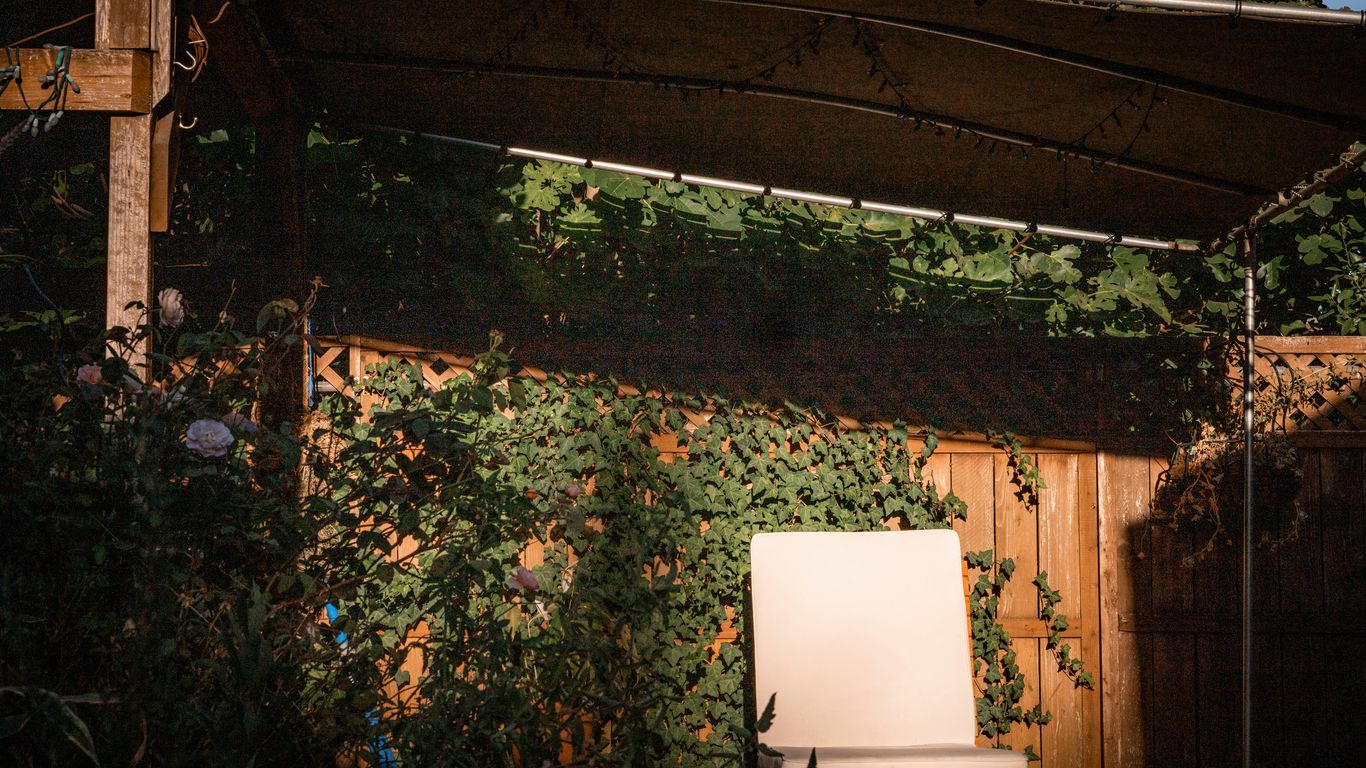
UV resistant acrylic is a really versatile material that finds its way into a lot of outdoor projects. Because it holds up well against the sun’s rays, it’s a go-to for things that need to last outside.
Signage and Displays
Think about all the signs you see outside – shop fronts, directional signs, information boards. Many of these are made from acrylic. Its ability to resist UV damage means colors stay vibrant and the material doesn’t get brittle or yellow over time. This is super important for businesses that want their branding to look good for years. Acrylic can be cut, shaped, and even illuminated, making it great for eye-catching displays that need to withstand the weather. You can get custom acrylic signage made in all sorts of shapes and sizes, perfect for any business.
Architectural Elements
Acrylic isn’t just for signs. It’s also used in building design. We’re talking about things like decorative panels, privacy screens, or even parts of outdoor structures. Its clarity and weather resistance make it a good choice for elements that need to let light through but also stand up to the elements. It’s lighter than glass, which can make installation easier for larger architectural features.
Protective Glazing
Sometimes, you need to protect something valuable outdoors without blocking the view. UV resistant acrylic is used for this. It can be used as a protective layer over artwork displayed outside, or for windows in structures like sheds or greenhouses where you need clarity and durability. It’s a safer alternative to glass because it’s much harder to break.
Outdoor Furniture and Decor
Who doesn’t love a nice patio set or some garden decorations? Acrylic is popping up in outdoor furniture and decor too. From colorful chairs to decorative garden features, its UV resistance means it won’t fade or degrade quickly. It’s also easy to clean, which is a big plus for items that are constantly exposed to the elements. You can find UV-stabilized acrylic specifically designed for these kinds of applications.
Choosing the Right UV Resistant Acrylic
When you’re planning an outdoor project, picking the right kind of UV resistant acrylic is pretty important. It’s not just about grabbing any clear plastic sheet; there are different types and features to consider to make sure your project lasts and looks good.
Types of UV Resistant Acrylic Sheets
Acrylic comes in a few main varieties, each with its own strengths. Understanding these can help you make a better choice for what you’re building.
- Clear Acrylic: This is your go-to for applications where you need excellent visibility, like windows or protective barriers. It offers great optical clarity and is a solid alternative to glass, especially outdoors where it won’t yellow as quickly.
- Colored Acrylic: Available in a huge range of colors, these sheets are great for signage, decorative panels, or anywhere you want a specific aesthetic. Many colored acrylics are already UV stabilized, meaning the color won’t fade easily under the sun.
- Frosted Acrylic: This type has a matte finish that diffuses light. It’s good for privacy screens or decorative elements where you don’t need perfect clarity but want a softer look.
- Opal and White Acrylic: These opaque sheets are perfect for signs or light-sensitive applications. They provide a solid, clean look and are often used for backlighting.
- Mirror Acrylic: A lighter and safer alternative to glass mirrors, these are great for decorative accents or functional uses where breakage is a concern.
Thickness and Size Considerations
The thickness and size of the acrylic sheet you choose will depend heavily on the project’s demands. For something like a small sign, a thinner sheet might be fine. But if you’re creating a large protective barrier or a structural element, you’ll need something much thicker and stronger.
Here’s a quick look at typical ranges:
| Type of Acrylic | Common Thickness Range | Standard Sheet Sizes (approx.) |
|---|---|---|
| Clear & Standard | 2mm – 50mm | 1.22m x 1.83m, 1.22m x 2.44m |
| Colored | 2mm – 5mm | 1.22m x 1.83m, 1.22m x 2.44m |
| Frosted/Artic | 2mm – 12mm | 1.22m x 2.44m |
Remember, custom sizes are often available, so don’t hesitate to ask if you need something specific. Thicker sheets generally offer better impact resistance and structural integrity.
Color and Finish Options
Beyond just clear, acrylic comes in a vast array of colors and finishes. This versatility is one of its biggest advantages for outdoor projects. You can get sheets that are tinted, opaque, frosted, or even have a mirrored surface. When selecting a color and finish, think about:
- Aesthetics: How will it look in its intended environment?
- Functionality: Does the finish need to diffuse light, provide privacy, or offer a specific visual effect?
- UV Protection: While many acrylics are inherently UV resistant, some finishes or colors might offer additional protection or be more prone to fading over time. Always check the product specifications.
Choosing the right acrylic means balancing its appearance with its practical needs for outdoor use. A sheet that looks great initially might not hold up as well to constant sun exposure if it wasn’t designed for it.
When you’re looking at options, remember that UV resistant acrylic sheets are engineered to block a significant amount of harmful UV radiation, which is key for preventing degradation and discoloration over time. This makes them a reliable choice for anything exposed to the elements. For more details on specific types, you might want to look into different types of acrylic sheets available.
Maintaining Your Outdoor Acrylic Projects
Taking care of your outdoor acrylic projects means they’ll look good and last longer. It’s not complicated, but a little regular attention goes a long way.
Cleaning and Care Instructions
Keeping your acrylic clean is pretty straightforward. For routine dusting, a soft, dry cloth usually does the trick. If you need to tackle dirt or grime, use a mild soap and water solution. Apply it with a soft cloth or sponge, and then rinse thoroughly with clean water. Always wipe dry with a clean, soft cloth to prevent water spots. Avoid using abrasive cleaners, ammonia-based products, or rough materials like paper towels, as these can scratch the surface. For stubborn spots, a specialized acrylic cleaner can be effective.
- Dust regularly with a soft, dry cloth.
- For tougher dirt, use a mild soap and water solution with a soft sponge.
- Rinse thoroughly with clean water.
- Wipe dry with a clean, soft cloth to avoid spots.
Preventing Scratches and Damage
Acrylic is durable, but it can get scratched if you’re not careful. The best way to prevent scratches is to avoid abrasive contact. When moving or handling acrylic sheets, try to slide them rather than drag them. If you’re installing something, protect the surface with a soft covering like a blanket or felt. Be mindful of tools and equipment that might come into contact with the acrylic. For applications like protective glazing, the inherent strength of acrylic helps resist impact, but sharp objects can still cause damage if directly applied with force.
Long-Term Durability Factors
While UV-resistant acrylic is designed to withstand sun exposure, other environmental factors can affect its longevity. Extreme temperature fluctuations can cause expansion and contraction, so ensure your installations allow for this movement. Proper installation is key; avoid putting undue stress on the material. Over time, even UV-resistant materials can show some signs of wear, but with good maintenance, your acrylic projects should provide years of service. For instance, if you’re using acrylic for outdoor signage, keeping it clean and free from debris will help maintain its appearance and readability.
Regular cleaning and careful handling are the most effective ways to ensure your outdoor acrylic projects maintain their clarity and structural integrity over time. Simple steps taken consistently will prevent most common issues.
Acrylic vs. Other Materials for Outdoor Use
Acrylic vs. Glass
When you’re picking materials for outdoor projects, acrylic and glass often come up. Glass has been around forever, and it looks nice, but it’s heavy and can break pretty easily. Acrylic, on the other hand, is much lighter and way more resistant to impact. Think about it – if you drop a glass pane, it’s likely to shatter. Drop an acrylic sheet, and it’s more likely to just bounce or maybe get a scratch. This makes acrylic a safer choice, especially if kids or pets are around.
Here’s a quick look at how they stack up:
| Feature | Acrylic | Glass |
|---|---|---|
| Impact Resistance | High (up to 10x stronger than glass) | Low |
| Weight | Lightweight (half the weight of glass) | Heavy |
| Shatter Resistance | High (shatter-resistant) | Low (shatters easily) |
| UV Resistance | Excellent (especially treated sheets) | Varies (can yellow or degrade) |
| Clarity | High (comparable to glass) | High |
| Cost | Generally more affordable | Can be more expensive |
| Fabrication | Easy to cut, drill, and shape | Difficult, requires specialized tools |
Glass can sometimes offer better scratch resistance, but for most outdoor applications where durability and safety are key, acrylic really shines. It’s also easier to work with, which can save you time and effort on your project. For many outdoor applications, acrylic offers a versatile and cost-effective alternative to traditional materials [b2d2].
Acrylic vs. Polycarbonate
Acrylic and polycarbonate are both strong plastic options, but they have different strengths. Polycarbonate is known for being incredibly tough – it’s often used for things like security windows because it’s extremely hard to break. It can be about 250 times stronger than glass. Acrylic is also strong, but it’s more likely to scratch than polycarbonate. However, acrylic usually holds its clarity and color better over time when exposed to sunlight, which is a big plus for outdoor use.
Think about these differences:
- Impact Strength: Polycarbonate generally wins here, being significantly tougher than acrylic. It’s the go-to for high-impact situations.
- Scratch Resistance: Acrylic has better surface hardness than polycarbonate, meaning it’s less likely to get scratched up from everyday contact.
- UV Stability: While both can be UV resistant, acrylic often performs better in terms of long-term color retention and clarity when constantly exposed to the sun.
- Clarity: Both offer excellent clarity, but acrylic is often praised for its glass-like transparency.
- Cost: Acrylic is typically more budget-friendly than polycarbonate.
So, if your main concern is extreme impact resistance, like for a machine guard, polycarbonate might be the better pick. But if you need something that looks great, resists scratches well, and holds up to the sun without fading or yellowing for things like signs or protective glazing, acrylic is often the preferred choice [04fd].
When choosing between acrylic and polycarbonate for outdoor projects, consider the specific demands of your application. While polycarbonate offers superior impact resistance, acrylic often provides better scratch resistance and long-term UV stability, making it a well-rounded option for many outdoor uses.
When deciding what materials to use outside, acrylic is a great choice. It holds up well against the weather, unlike some other options. If you want to learn more about why acrylic is a smart pick for your outdoor projects, check out our website for all the details!
Wrapping Up Your Outdoor Projects
So, when you’re planning your next outdoor build, remember that picking the right materials makes a big difference. Using acrylic sheets that are made for the outdoors means your work will hold up better against the sun’s rays. This way, your projects will look good for longer, saving you time and hassle down the road. It’s a smart choice for anyone wanting their outdoor creations to last.
Frequently Asked Questions
What exactly is UV resistant acrylic for outdoor use?
UV resistant acrylic is a type of plastic that’s specially made to handle the sun’s rays without getting damaged. Think of it like sunscreen for your projects! It’s designed to keep its color and strength even when it’s out in the sun all the time, so it won’t turn yellow or become brittle easily.
Why is it important for acrylic to be UV resistant when used outside?
When regular plastic sits in the sun for too long, the UV rays can break it down. This makes it look faded, chalky, or even crack. UV resistant acrylic has a special coating or is made in a way that blocks these harmful rays, keeping your outdoor items looking good and lasting much longer.
Can I use any acrylic sheet outside, or do I need the special UV resistant kind?
While some acrylics might hold up for a little while, it’s best to use UV resistant acrylic for anything that will be outside regularly. Regular acrylic will likely fade, become cloudy, or get brittle much faster. Using UV resistant acrylic saves you money and hassle in the long run because it lasts so much longer.
What are some common things people make with UV resistant acrylic for their yards or patios?
People use it for all sorts of things! You’ll see it in outdoor signs, protective covers for furniture or equipment, clear panels for pergolas or greenhouses, decorative garden art, and even some outdoor furniture pieces. It’s great because it looks like glass but is much safer and lighter.
How do I clean and take care of my outdoor acrylic projects?
Cleaning is pretty simple! Usually, a soft cloth with mild soap and water is all you need. Avoid using harsh chemicals or abrasive cleaners, as these can scratch or damage the surface. Wiping it down regularly will help keep it looking clear and new.
Is UV resistant acrylic as strong as glass?
UV resistant acrylic is actually much stronger than regular glass! It’s really hard to break and won’t shatter into sharp pieces if it does get hit, making it a much safer choice, especially for outdoor projects where things might get bumped or dropped. It’s also lighter than glass, which makes it easier to work with.