Looking for someone to help with your acrylic project? Finding the right place for acrylic fabrication near me can feel like a big task. You want someone who knows their stuff and can make exactly what you need. This guide will help you figure out what to look for so you can get the best results without the headache.
Key Takeaways
- Acrylic fabrication involves shaping and putting together acrylic plastic for various uses, from signs to custom displays.
- When picking a specialist for acrylic fabrication near you, check their experience, the services they provide, and the quality of materials they use.
- Understand the different ways acrylic can be cut, shaped, and joined to see if a fabricator has the right skills for your project.
- Proximity matters for local acrylic fabrication; it makes communication and project oversight easier. Always ask for quotes.
- Clearly define your project needs, material specs, and budget before you start talking to fabricators to ensure a smooth process.
Understanding Acrylic Fabrication Services
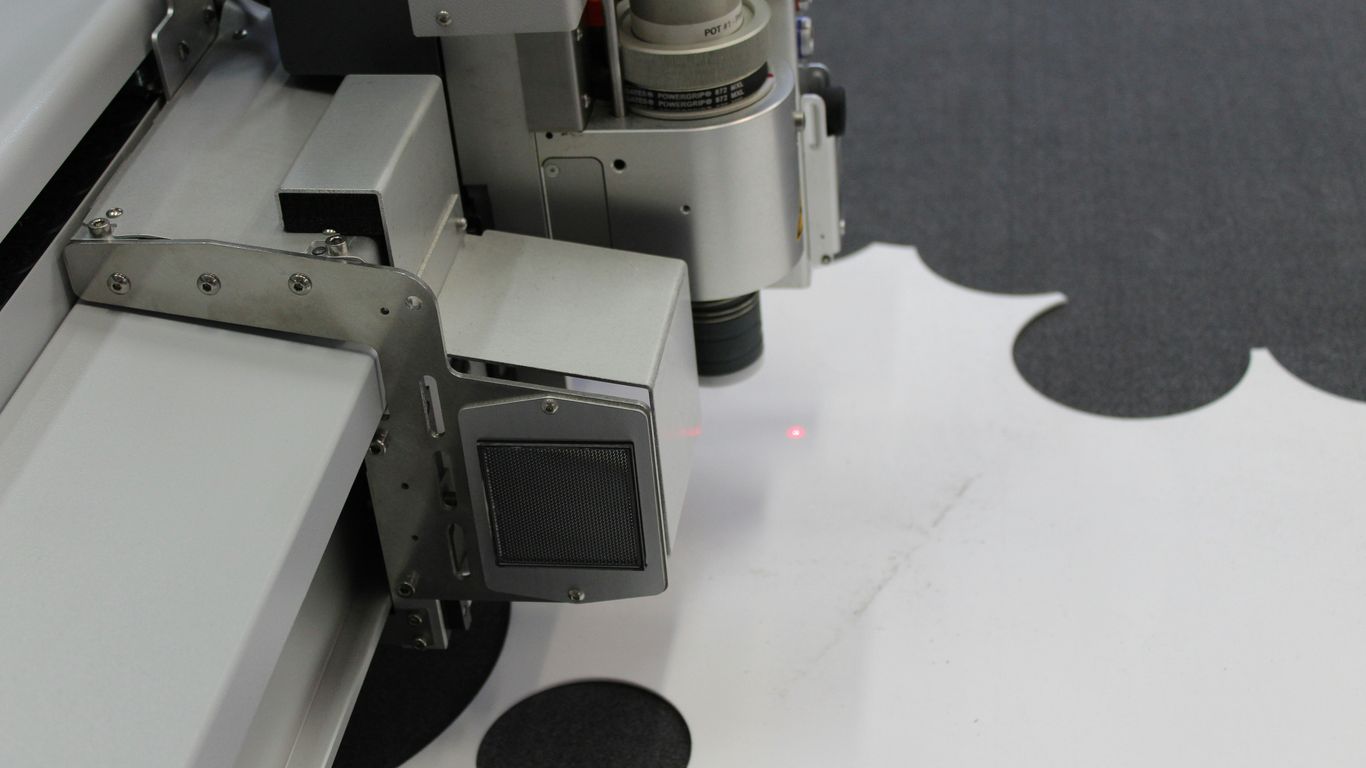
Acrylic fabrication is the process of shaping and assembling acrylic sheets into custom products. Think of it as giving a flat piece of plastic a whole new life, transforming it into something functional or decorative. This involves a range of techniques to cut, bend, join, and finish the material to meet specific design needs.
What is Acrylic Fabrication?
Acrylic fabrication takes a versatile plastic, Polymethyl Methacrylate (PMMA), and molds it into countless forms. It’s not just about cutting; it’s a craft that can involve heat bending to create curves, solvent bonding for strong, clear seams, or even intricate laser cutting for detailed designs. The goal is to take raw acrylic sheets and turn them into finished items like displays, signs, protective barriers, or custom furniture. It’s a process that requires precision and an understanding of how the material behaves under different conditions.
Benefits of Choosing Acrylic
Why opt for acrylic? For starters, it’s incredibly durable. It’s significantly more impact-resistant than glass, making it a safer choice for many applications. Plus, it’s lightweight, which makes installation easier. Acrylic also offers excellent clarity, often rivaling glass, and it holds up well against weather and UV exposure, meaning it won’t yellow or degrade easily when used outdoors.
- Impact Resistance: Up to ten times more resistant to breakage than glass.
- Clarity: High transparency, often around 92%.
- Lightweight: Roughly half the weight of glass.
- Weatherability: Resists degradation from sun and rain.
- Versatility: Easily cut, shaped, and bonded.
Common Applications for Fabricated Acrylic
Fabricated acrylic finds its way into a surprising number of places. You’ll see it used for eye-catching retail displays and point-of-purchase stands that showcase products effectively. It’s a popular choice for signage, both indoors and out, thanks to its durability and ability to be shaped into custom logos or letters. Protective barriers in offices or public spaces, custom aquariums, furniture components, and even architectural elements like skylights or decorative panels are other common uses. Essentially, if you need a clear, strong, and formable material, acrylic fabrication is likely involved.
The ability to customize acrylic means it can be tailored to almost any aesthetic or functional requirement, making it a go-to material for designers and businesses alike.
Key Considerations When Selecting a Specialist
When you’re looking for someone to fabricate acrylic for your project, it’s not just about finding the closest shop. You want to make sure they can actually do the job right. Think about it like hiring someone to fix your car; you wouldn’t just pick the first mechanic you see, right? You’d want someone with a good reputation and the right tools.
Experience and Expertise
This is probably the most important thing. How long has the company been working with acrylic? Do they seem to know their stuff? A specialist who has been around for a while likely has a good handle on different types of acrylic and the best ways to work with them. They’ve probably seen all sorts of projects, from simple signs to complex displays. Asking about their past work and looking at examples can tell you a lot. For instance, a company that regularly works on custom signage might be a great fit if that’s what you need.
Range of Services Offered
Not all fabrication shops do the same things. Some might be great at simple cutting and bending, while others have advanced equipment for intricate designs. Consider what your project requires. Do you need laser cutting for precise details? What about edge polishing or custom engraving? It’s helpful to find a specialist who can handle all the steps you need, rather than having to go to multiple places. Some providers, like Laird Plastics, offer a wide array of services from CNC routing to custom part manufacturing.
Material Quality and Sourcing
Acrylic isn’t just acrylic. There are different grades and types, each with its own properties. A good fabricator will know the difference and can guide you on which material is best for your specific application. They should also be able to tell you where they source their materials from. Are they using high-quality, durable acrylic that will last? You don’t want to end up with a project that looks good for a short while and then fades or cracks. It’s worth asking about the types of acrylic sheets they stock, like clear, colored, or frosted options, and their typical uses.
Choosing the right specialist means finding a partner who understands your vision and has the skills to bring it to life. Don’t be afraid to ask questions about their experience, the materials they use, and the processes involved. A transparent and knowledgeable provider will make the entire fabrication process much smoother.
Evaluating Fabrication Capabilities
When you’re looking for someone to fabricate acrylic for your project, it’s really important to check out what they can actually do. It’s not just about having the material; it’s about how they work with it. Think about it like hiring a carpenter – you wouldn’t hire someone who only knows how to hammer nails if you need intricate joinery, right? The same applies here.
Cutting and Shaping Techniques
Acrylic can be worked in a few different ways. The most common methods include:
- Laser Cutting: This is great for very precise cuts and intricate designs. It leaves a clean, polished edge. If your project needs fine details or complex shapes, a shop with good laser cutting capabilities is key.
- CNC Routing: Similar to laser cutting, CNC routers use a bit to cut through the material. This is often used for thicker acrylic or when specific edge finishes are needed.
- Saw Cutting: For simpler shapes and straighter lines, especially on larger pieces, a good old-fashioned saw works. The quality of the cut here depends a lot on the saw blade and the operator’s skill.
- Bending: Acrylic can be heated and bent into curves. This is often done using a strip heater or a heat box. The ability to achieve smooth, consistent bends is a sign of a skilled fabricator.
The precision and quality of the cuts and shapes are a direct reflection of the fabricator’s skill and equipment.
Joining and Finishing Methods
How pieces of acrylic are put together and how the edges look afterward makes a big difference. You’ll want to ask about:
- Adhesive Bonding: Most fabricators use special acrylic cements. The best ones create a bond that’s as strong as the original material and looks almost invisible. Poorly bonded seams can be weak and unsightly.
- Flame Polishing: This technique uses a flame to smooth and polish cut edges, giving them a glass-like finish. It’s a common way to make edges look really clean and professional.
- Mechanical Fasteners: Sometimes, screws or rivets are used, especially in structural applications. The fabricator should be able to drill holes cleanly without cracking the acrylic.
- Solvent Welding: This is a more advanced technique where a solvent melts the acrylic surfaces together, creating a very strong, fused joint. It requires a lot of care and precision.
Customization Options
Beyond just cutting and joining, good fabricators can do more. Consider if they can handle:
- Drilling: For holes of various sizes and placements.
- Engraving/Etching: Adding text, logos, or designs to the surface.
- Color Matching: If you need a specific color, can they source or create it?
- Surface Treatments: Things like frosting or adding a matte finish.
It’s worth asking to see examples of their past work, especially if your project has specific requirements. Seeing how they’ve handled similar challenges can tell you a lot about their capabilities and attention to detail. Don’t be afraid to ask detailed questions about their processes; a good specialist will be happy to explain them.
Understanding these capabilities helps you match your project’s needs with the right fabrication service. For instance, if you need a complex display case, you’ll want someone proficient in precise laser cutting and strong adhesive bonding. If you’re just looking for simple panels, basic cutting and finishing might suffice.
Finding Local Acrylic Fabrication Near You
When you need custom acrylic pieces, finding a reliable local specialist is key. It’s not just about convenience, though that’s a big part of it. Having a fabrication shop nearby means you can often get quicker turnaround times and easier communication throughout your project. Plus, supporting local businesses is always a good thing, right?
Importance of Proximity
Think about it: if your project has a tight deadline or if you need to make quick adjustments, being able to pop into the shop or have them easily visit your site can save a lot of hassle. It also makes it simpler to check on the progress of your work or discuss details face-to-face. For smaller projects, local providers might be more accessible than larger, distant companies.
Identifying Local Providers
So, how do you actually find these local experts? Start with a simple online search for "acrylic fabrication near me" or "custom acrylic shop [your town/city]". Check local business directories and see if any manufacturers or sign shops in your area specialize in acrylic work. Don’t forget to look at reviews – what are other customers saying about their experience?
Here are a few ways to find local specialists:
- Online Search Engines: Use specific keywords like "acrylic cutting services" or "custom acrylic displays".
- Local Business Directories: Websites like Yelp or Google Maps can show you businesses in your vicinity.
- Industry Associations: Sometimes, local trade groups for plastics or manufacturing can provide recommendations.
- Word-of-Mouth: Ask other businesses or individuals who might have used similar services.
Requesting Consultations and Quotes
Once you’ve identified a few potential candidates, it’s time to reach out. Most reputable fabricators will be happy to offer a consultation to discuss your project. This is your chance to ask questions, explain your needs, and get a feel for their capabilities. Always get quotes from at least two or three different places to compare pricing and services. Make sure the quote clearly outlines:
- The materials to be used (type and thickness of acrylic)
- The fabrication methods involved
- The estimated timeline for completion
- Any delivery or installation costs
Don’t be afraid to ask for examples of their previous work, especially if it’s similar to what you have in mind. This can give you a good idea of the quality you can expect. For example, if you’re looking for precise cuts for signage, you might ask to see examples of laser-cut acrylic parts.
When comparing quotes, remember that the cheapest option isn’t always the best. Consider the overall value, including the quality of the materials, the craftsmanship, and the customer service provided. A slightly higher price for superior work and reliability can save you money and headaches in the long run.
Assessing Project Requirements
Before you even start looking for an acrylic fabricator, it’s important to have a clear idea of what you need. This means thinking through the details of your project so you can communicate them effectively. Getting this right upfront saves time and prevents misunderstandings down the line.
Defining Your Project Needs
What exactly are you trying to create? Is it a simple display stand, a complex architectural feature, or custom signage? Think about the function of the item, its intended location (indoor or outdoor), and any specific aesthetic you’re aiming for. Consider the size, shape, and any moving parts or special features required. For instance, if you need a protective barrier, you’ll want to know the exact dimensions and how it needs to be mounted. If it’s for a retail display, you might need to think about how easily customers can interact with it.
Understanding Material Specifications
Acrylic comes in many forms, and the type you choose will impact the final product. You’ll need to consider:
- Thickness: This affects durability and structural integrity. Thicker sheets are stronger but also heavier and more expensive. Common thicknesses range from 2mm to 50mm, depending on the application.
- Color and Finish: Do you need clear, colored, frosted, or mirrored acrylic? Each finish has different visual properties and uses. For example, frosted acrylic diffuses light, while mirrored acrylic offers a reflective surface.
- Grade and Properties: Some applications might require specific grades of acrylic, such as UV-resistant for outdoor use or impact-resistant for high-traffic areas. Knowing these details helps the fabricator select the right material.
It’s important to discuss these material options with your fabricator. They can provide insights into which acrylic types best suit your project’s functional and aesthetic goals, as well as budget constraints.
Setting a Realistic Budget
Acrylic fabrication can range widely in cost depending on complexity, material choice, and the amount of labor involved. It’s helpful to have a budget range in mind before you start getting quotes. This doesn’t mean you need a precise number, but knowing if you’re looking at a few hundred dollars or several thousand will help narrow down your options and guide discussions with potential fabricators. Remember to factor in potential costs for design, material, fabrication, finishing, and delivery.
Here’s a general idea of how different factors can influence cost:
| Factor | Impact on Cost | Notes |
|---|---|---|
| Complexity | Higher | Intricate shapes, multiple parts, and complex assembly increase cost. |
| Material Type | Varies | Specialty finishes or colors can be more expensive than standard clear. |
| Thickness | Higher | Thicker acrylic generally costs more per sheet. |
| Quantity | Lower per unit | Bulk orders often have a lower price per item. |
| Customization | Higher | Unique designs or specific finishing requirements add to the cost. |
| Fabrication Time | Higher | Projects requiring extensive labor or specialized techniques cost more. |
By clearly defining your project needs, understanding material specifications, and setting a budget, you’ll be well-prepared to discuss your project with local acrylic fabrication specialists and get accurate quotes.
The Fabrication Process Explained
Understanding how your acrylic piece goes from an idea to a finished product is pretty interesting. It involves several steps, and knowing them can help you communicate better with your fabricator.
Design and Prototyping
This is where it all starts. You’ll work with the specialist to get your idea down on paper, or more likely, on a computer screen. They’ll use design software to create a digital model of your project. This stage is all about getting the dimensions, shapes, and any special features just right. Sometimes, they might create a physical prototype, especially for complex items, so you can see and feel what the final product will be like before mass production begins. This helps catch any issues early on.
Material Selection and Preparation
Once the design is approved, the right acrylic material is chosen. There are different types of acrylic, each with its own properties like thickness, color, and clarity. The fabricator will select the best fit for your project’s needs. After selection, the material is prepared. This might involve cleaning it thoroughly to remove any dust or protective film, making sure the surface is perfect for cutting and shaping. Choosing the right acrylic sheet is key here.
Manufacturing and Quality Control
This is the core of the fabrication. Depending on the design, various techniques are used:
- Cutting and Shaping: Acrylic can be cut using saws, laser cutters, or CNC machines for precise shapes. It can also be heated and bent into curves or other forms.
- Joining: Pieces are often joined using special acrylic adhesives or solvent welding, which creates a strong, clear bond that looks almost seamless. For some applications, mechanical fasteners might be used.
- Finishing: After assembly, the edges might be polished to a smooth, glass-like finish, or the surface might be frosted or treated in other ways to achieve the desired look.
Throughout the manufacturing, quality control checks are performed. This ensures that the dimensions are accurate, the joints are strong, and the finish meets your expectations. The goal is to produce a piece that is both functional and aesthetically pleasing.
It’s important to remember that acrylic fabrication is a skilled process. While the material itself is quite workable, achieving professional results requires the right tools, techniques, and a good eye for detail. Working with an experienced specialist means you benefit from their knowledge of how the material behaves under different conditions.
Here’s a quick look at some common fabrication steps:
- Design Finalization: Confirming all measurements and specifications.
- Material Cutting: Using precise methods like laser or CNC.
- Assembly: Joining pieces with adhesives or other methods.
- Finishing Touches: Polishing, sanding, or applying coatings.
- Final Inspection: Checking for quality and adherence to the design.
This structured approach helps guarantee that the final acrylic product is exactly what you envisioned. Proper joining techniques are vital for a durable and attractive final product.
Ever wondered how we bring our amazing acrylic creations to life? Our fabrication process is where the magic happens! We take raw materials and transform them into the stunning pieces you see. It’s a careful journey from design to finished product, ensuring top quality every step of the way. Want to see more of our work or learn about custom orders? Visit our website today!
Wrapping Up Your Search
Finding the right place for your acrylic needs might seem like a big task, but it doesn’t have to be. By taking a moment to think about what you really need – whether it’s a specific size, color, or type of finish – and then looking for local shops that seem to fit the bill, you’re already on the right track. Don’t hesitate to ask questions and get a feel for their experience. A good specialist will be happy to guide you, making sure you get exactly what you’re looking for without any fuss. Happy fabricating!
Frequently Asked Questions
What exactly is acrylic fabrication?
Acrylic fabrication means shaping and putting together pieces of acrylic plastic. Think of it like building something with strong, clear plastic. Specialists can cut, bend, glue, and polish acrylic to make all sorts of things, from signs and displays to furniture and art pieces.
Why should I choose acrylic for my project?
Acrylic is a great choice because it’s super clear, much stronger than glass, and won’t break easily. It’s also light, can be made into many shapes, and holds up well against the weather and chemicals. Plus, it looks really nice and can be a more affordable option than glass.
What kind of projects can acrylic fabrication be used for?
Acrylic fabrication is used for a ton of things! You’ll see it in signs for businesses, cool display cases for products, furniture like tables or shelves, protective barriers, custom lighting, and even artistic sculptures. If you can imagine it, it can probably be made from acrylic.
How do I find a good acrylic fabrication specialist near me?
To find the best local specialist, look for ones with lots of experience and good reviews. Check out their websites to see the range of services they offer and the quality of their work. It’s also a good idea to ask for recommendations or see if they have a portfolio of past projects.
What should I tell the specialist about my project?
Be ready to explain exactly what you need. Tell them the size, shape, color, and any special features you want. Knowing your budget helps too. The more details you give them, the better they can understand your needs and give you an accurate quote and plan.
What happens during the acrylic fabrication process?
First, they’ll work with you on the design, maybe making a sample. Then, they’ll choose the right type and size of acrylic sheet. After that, they’ll cut, shape, and join the pieces using special techniques. Finally, they’ll finish it up, making sure it looks great and meets your quality standards before you get it.