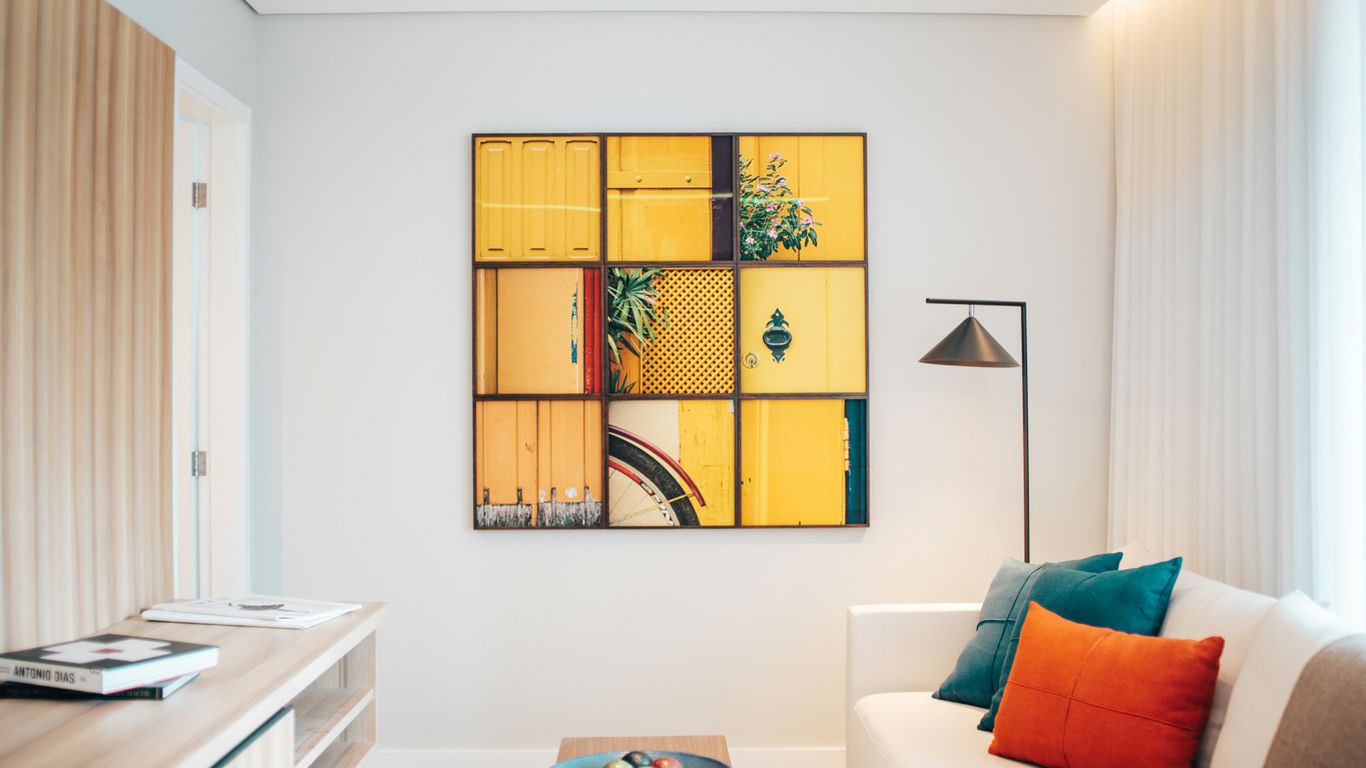
Thinking about framing your wall art? You might have looked at traditional wood or metal frames, but have you considered acrylic? Honestly, they’re pretty great. They give your art a clean, modern look without all the fuss. Plus, they’re lighter and safer than glass, which is a big win, especially if you’ve got kids or pets running around. Let’s dive into why acrylic frames for wall art are becoming such a popular choice for so many people.
Key Takeaways
- Acrylic frames offer a minimalist look, making your artwork stand out without distraction, perfect for modern interiors.
- They come in various sizes and finishes, allowing for flexible display options whether you prefer portrait or landscape orientation.
- Acrylic is more durable and safer than glass, resisting impact and reducing the risk of breakage, making it ideal for busy homes.
- These frames provide excellent clarity and can include non-glare or UV-protective options to keep your art looking its best.
- Acrylic frames are significantly lighter than glass, simplifying installation and reducing stress on walls, especially for larger pieces.
The Minimalist Appeal Of Acrylic Frames For Wall Art
Embracing Simplicity In Design
In today’s world, there’s a growing appreciation for things that are straightforward and uncluttered. This is where acrylic frames really shine for displaying wall art. They get rid of the fussiness that can come with traditional frames, letting your artwork take center stage. Think of it like this: you want people to look at your art, not get distracted by a heavy, ornate border. Acrylic frames offer a clean, almost invisible way to present your pieces, which fits perfectly with a minimalist design philosophy. They enhance the artwork without adding visual noise.
A Frameless Aesthetic For Modern Interiors
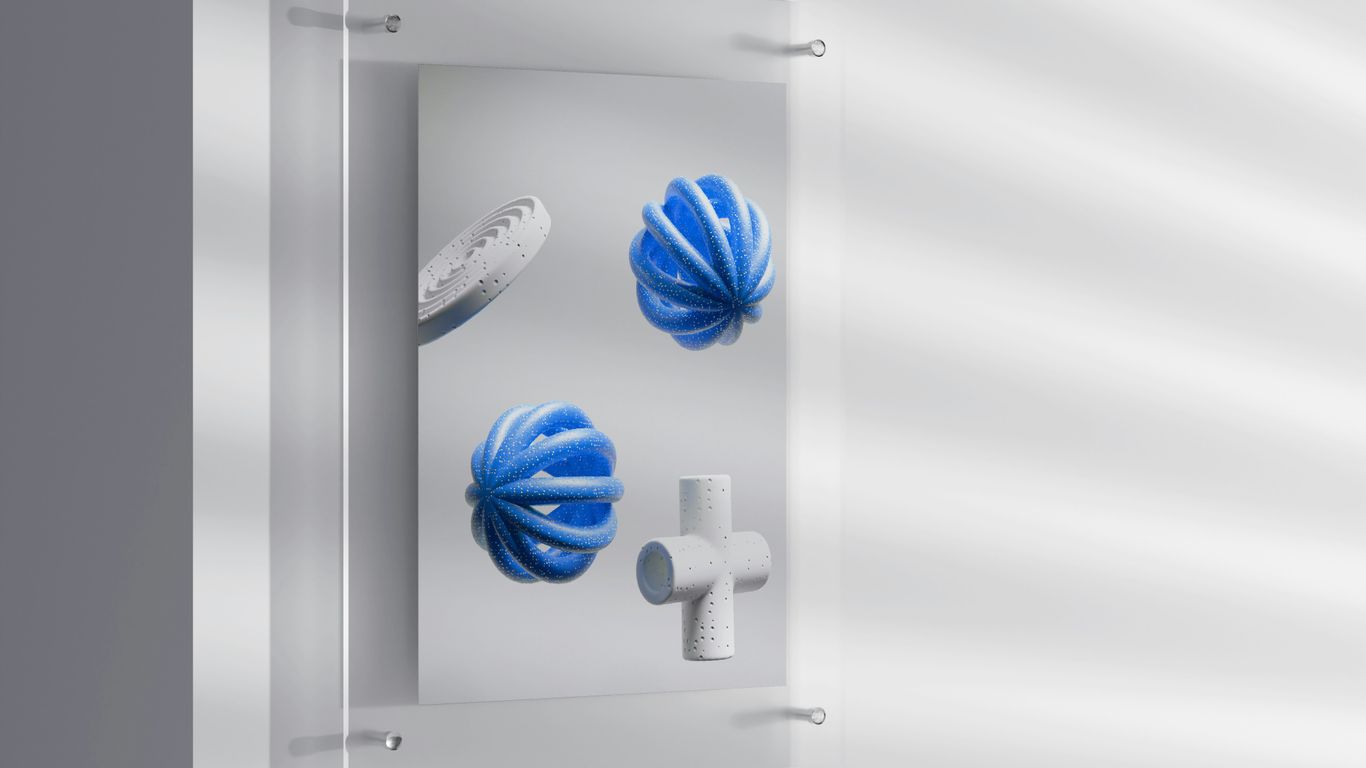
Acrylic frames often give a look that’s very close to being frameless. The art is typically sandwiched between two clear panels, creating a floating effect. This style is a natural fit for modern homes and offices. It doesn’t compete with your furniture or other decor; instead, it blends in while still providing a polished finish. This clean look is especially good for contemporary spaces where sharp lines and simple forms are key. It’s a way to make your art feel like a part of the room, not just something hung on the wall. You can find many options for acrylic wall art that use this very principle.
Enhancing Artwork Without Distraction
When you choose an acrylic frame, the goal is to support your art, not overpower it. Unlike some traditional frames that have thick, decorative edges, acrylic is usually clear and slim. This means the focus stays squarely on the image or print. It’s like looking through a clean window at your art. This is particularly useful for photography, graphic prints, or even abstract pieces where the details and colors are important. The material itself is designed to be optically clear, so it doesn’t tint or distort the view of your artwork. This clarity is a big reason why artists and collectors often prefer them for gallery-style displays.
Versatile Display Options With Acrylic Frames
Acrylic frames really shine when it comes to how you can use them. They aren’t just a one-trick pony; they adapt to a lot of different situations and styles. This makes them a solid choice whether you’re decorating your own place or setting up a professional display.
Adaptable Sizing For Any Space
One of the best things about acrylic frames is that you’re not stuck with a few standard sizes. You can get them made to fit pretty much any dimensions you need. This is a huge plus for those awkward wall spaces or when you have a really large piece of art that needs a custom fit. You can go from small, intimate prints to massive statement pieces without a problem. This adaptability means you can create a cohesive look throughout your home or office, even if your artwork varies a lot in size. It’s like having a tailor for your wall art.
Portrait And Landscape Orientation
Acrylic frames are super flexible when it comes to orientation. Whether your artwork is tall and narrow (portrait) or wide and short (landscape), the frame can be made to suit it perfectly. This might sound basic, but it’s important for making sure your art looks its best. You don’t want to have to crop a photo or awkwardly rotate a piece just to make it fit a standard frame. With acrylic, you get the orientation that does justice to the original artwork, keeping the artist’s intent intact. It’s a simple feature, but it makes a big difference in the final presentation.
Customizable Acrylic Finishes
Beyond just size and orientation, you can also choose different finishes for the acrylic itself. This lets you control how the artwork is viewed and protected. For instance, there’s a non-glare option that cuts down on reflections, which is great for rooms with tricky lighting or if the art is going to be viewed from different angles. Then there’s UV-filtering acrylic, which acts like sunscreen for your art, blocking harmful rays that can cause fading over time. This is especially important for valuable prints or photographs you want to preserve for years to come. You can even find marker-board finishes for interactive displays. It’s about tailoring the frame to the specific needs of your art and your space, making it a truly custom solution. You can explore different options for displaying your work, like creating a floating acrylic photo gallery for a modern look.
Durability And Safety Advantages
Impact Resistance Compared To Glass
When it comes to durability, acrylic frames really shine, especially when you compare them to traditional glass. Acrylic is significantly more resistant to impacts than glass. Think about it – glass can shatter into sharp pieces if dropped or hit, which is a real safety concern. Acrylic, on the other hand, is much tougher. It’s designed to withstand bumps and knocks without breaking apart. This makes it a much safer choice, particularly in busy households or places where things might get bumped.
Here’s a quick look at how they stack up:
| Material | Impact Resistance (Relative) |
|---|---|
| Glass | 1 |
| Acrylic | Up to 17 |
Ideal For High-Traffic Areas And Homes
Because acrylic is so much more resilient, it’s a fantastic option for areas where you might expect more activity. This includes homes with kids or pets, busy hallways, or even commercial spaces. You don’t have to worry as much about accidental damage. For large pieces of art, the safety aspect becomes even more important. If a large glass frame were to break, the cleanup and potential for injury would be significant. Acrylic greatly reduces this risk, protecting not only your artwork but also the people around it.
Choosing acrylic means opting for peace of mind. It handles everyday life much better than glass, making it a practical choice for displaying art without constant worry.
Reduced Risk Of Breakage During Transport
Another big plus for acrylic frames is their reduced risk of breakage during transport. Whether you’re shipping artwork to a client or just moving it to a new spot in your home, acrylic is far less likely to crack or shatter. This means your artwork arrives safely and intact. It also makes the installation process itself less stressful, as you’re not handling something as fragile as glass. For anyone dealing with large-scale art, this benefit alone can make acrylic the preferred material. It simplifies logistics and minimizes potential damage from the moment it leaves the framer to when it’s finally on the wall.
Clarity And Visual Presentation
When it comes to displaying your wall art, how it looks is pretty important, right? Acrylic frames really shine here because they offer a super clear view of your piece without getting in the way.
Exceptional Optical Clarity
High-quality acrylic is surprisingly clear. In fact, it can be just as clear, if not clearer, than regular glass used in framing. This means you get a really crisp, vibrant look at your artwork. Colors pop, details stand out, and there’s no weird tint or distortion. It’s like looking through a clean window straight at your art. This clarity is a big reason why galleries often use premium acrylic for their displays; it lets the artwork be the star.
Non-Glare Options For Enhanced Viewing
Sometimes, where you hang your art means dealing with tricky lighting. Windows or bright lamps can cause annoying reflections on the frame, making it hard to see the piece properly. That’s where non-glare acrylic comes in handy. It has a slightly diffused surface that cuts down on reflections significantly. This means you can enjoy your artwork clearly, no matter the lighting situation in the room. It’s a simple feature that makes a big difference in how you experience the art.
UV Protection For Artwork Preservation
Did you know that light, especially sunlight, can actually damage your artwork over time? It can cause colors to fade and materials to degrade. Many acrylic frames come with built-in UV protection. This acts like sunscreen for your art, blocking out most of the harmful ultraviolet rays.
Here’s a quick look at what UV protection can do:
- Blocks up to 99% of harmful UV rays.
- Helps prevent colors from fading.
- Preserves the integrity of the artwork for longer.
Using acrylic glazing with UV filtering is a smart move for keeping your cherished pieces looking their best for years to come, especially if they’re exposed to natural light. It’s a proactive step in art conservation that doesn’t add bulk or obscure the view.
This combination of crystal-clear viewing, glare reduction, and protective qualities makes acrylic frames a top choice for presenting art beautifully and safely. You get a clean, modern look that truly lets your artwork take center stage, all while keeping it protected from the elements. For a closer look at how different framing materials affect presentation, you might find information on framing and presentation choices helpful. If you’re specifically interested in the protective qualities, understanding conservation clear glass can also offer context on UV protection benefits.
Weight And Installation Benefits

Significantly Lighter Than Glass
One of the most noticeable advantages of acrylic frames is their weight. Compared to traditional glass, acrylic is remarkably lighter. This difference becomes even more pronounced as the size of the frame increases. Think about hanging a large piece of art; a lighter frame means less strain on your walls and the hanging hardware. It’s a practical consideration that makes a big difference, especially for bigger artworks.
Easier Installation And Reduced Wall Stress
Because acrylic frames are lighter, they are generally easier to handle and install. You might even be able to manage hanging larger pieces by yourself, without needing an extra pair of hands. This reduced weight also means less stress on your walls. You won’t need to worry as much about finding studs or using heavy-duty anchors for every single frame. This makes them a great option for renters or anyone who likes to rearrange their decor often. For those looking for a secure wall mount with minimal wall damage, standoff supports are a popular choice.
Practical Choice For Large-Scale Art
When you’re dealing with large-scale art, the benefits of acrylic really shine. The reduced weight makes shipping more affordable and safer, minimizing the risk of breakage during transit. This is a big deal for artists and collectors alike. It also makes installation much more manageable. Instead of wrestling with a heavy glass-fronted frame, you can position and secure a lighter acrylic piece with greater ease. This makes acrylic a go-to material for professionals framing oversized works.
The combination of reduced weight and increased durability makes acrylic frames a smart choice for almost any situation, from a small home gallery to a large commercial space. It simplifies the entire process, from shipping to hanging.
Here’s a quick look at the weight difference:
| Material |
|---|
| Acrylic |
| Glass |
Note: Acrylic is approximately 50% lighter than glass of the same thickness.
Acrylic frames are also a good choice for:
- Gallery walls with multiple pieces.
- Spaces where you plan to change artwork frequently.
- Anywhere safety is a primary concern, like homes with children or pets.
Care And Maintenance Of Acrylic Frames

Understanding Acrylic Durability
Acrylic frames are known for being tough, but like anything, they need a little care to stay looking good. While modern acrylic is much better than older versions and often comes with scratch-resistant coatings, it’s not completely immune to damage. Treating your acrylic frame with a bit of mindfulness will go a long way in keeping your artwork looking its best. Think of it like caring for a nice piece of furniture; you wouldn’t use harsh chemicals on it, and the same applies here. It’s a good idea to know what kind of acrylic you have, as some specialized types, like museum-grade options, might have slightly different cleaning recommendations. Always check the manufacturer’s guidelines if you’re unsure.
Proper Cleaning Techniques
Cleaning your acrylic frame is pretty straightforward, but there are a few things to keep in mind to avoid issues. The biggest no-no? Avoid ammonia-based cleaners, like many standard glass cleaners. These can actually damage the acrylic’s surface over time. Instead, opt for a mild soap and water solution or a cleaner specifically made for plastics.
Here’s a simple cleaning routine:
- Gather your supplies: You’ll need a soft, lint-free microfiber cloth and your chosen acrylic cleaner (or mild soap and water).
- Gentle wiping: Lightly dampen the cloth with your cleaning solution. Gently wipe the surface of the acrylic in a circular motion or from top to bottom. Avoid pressing too hard.
- Drying: Use a dry, clean microfiber cloth to buff away any remaining moisture and prevent water spots. This helps achieve a streak-free finish.
For stubborn smudges, you might need to repeat the process, but always be gentle. Remember, the goal is to clean without scratching or dulling the surface. If you’re dealing with a particularly delicate piece of art, you might want to remove the artwork from the frame before cleaning, just to be safe. This is especially true if you’re using a lot of liquid. For general upkeep, a quick dusting with a dry microfiber cloth is often enough.
Addressing Surface Scratches
Scratches can happen, even with the best care. If you notice a minor scratch on your acrylic frame, don’t panic. For many common acrylics, there are products available that can help buff out small imperfections. You can find acrylic scratch removers at most hardware or craft stores. These are usually applied with a soft cloth and require a bit of gentle rubbing.
It’s important to test any scratch removal product on a small, inconspicuous area first to make sure it doesn’t affect the acrylic’s finish. If the scratch is deep, it might be more challenging to remove completely without professional help or potentially replacing the acrylic panel. For very valuable or delicate artwork, it’s always best to consult with a professional framer before attempting any scratch repair yourself. They can assess the damage and recommend the best course of action, which might involve a specialized polishing compound or even a replacement panel. For everyday frames, though, a good scratch remover can often do the trick, restoring clarity and making the frame look almost new again. This is one of the benefits of acrylic; unlike glass, which would likely shatter or chip, acrylic can often be repaired. You can find more information on cleaning and care for various acrylic types here.
Keeping your acrylic frames looking great is simple! A gentle wipe with a soft cloth usually does the trick. Avoid harsh cleaners, as they can scratch the surface. For tougher spots, a little mild soap and water will work wonders. Want to learn more about keeping your frames pristine? Visit our website for detailed tips and tricks!
A Modern Choice for Your Walls
So, if you’re looking to update your space with art, acrylic frames are definitely worth considering. They offer a clean, modern look that lets your artwork take center stage. Plus, they’re lighter and often safer than traditional glass, especially for larger pieces or in busy homes. Whether you’re framing a cherished photo or a bold print, acrylic provides a clear, durable, and stylish way to display it. It’s a simple change that can really make a difference in how your walls look and feel.
Frequently Asked Questions
Are acrylic frames as clear as glass frames?
Yes, high-quality acrylic is very clear, just like glass. It lets you see your artwork perfectly. In fact, some types of acrylic can even look clearer than regular glass, and they don’t add a lot of extra weight, which is great for bigger pictures.
Do acrylic frames scratch easily?
While older types of acrylic could scratch more easily, modern acrylic frames are much tougher. Many have special coatings to resist scratches from everyday use. Just be sure to clean them with a soft cloth and the right cleaner, not window cleaner, to keep them looking good.
Are acrylic frames safe to hang?
Absolutely! Acrylic is much stronger than glass and doesn’t shatter if dropped or bumped. This makes it a safer choice, especially if you have kids or pets, or if the frame is going in a busy area. It’s also less likely to break when you’re moving it.
Are acrylic frames heavy?
Not at all! Acrylic is much lighter than glass. This makes them easier to hang on the wall without worrying about heavy hardware or damaging the wall. It’s a big plus if you have large pieces of art.
Can acrylic frames protect my artwork from fading?
Yes, many acrylic frames come with UV protection. This special coating blocks harmful rays from the sun that can cause your artwork to fade over time. It’s a great way to keep your pictures looking vibrant for longer.
How do I clean an acrylic frame?
Cleaning acrylic frames is simple. Use a soft, microfiber cloth and a cleaner made specifically for acrylic or plastic. Avoid using regular glass cleaners with ammonia, as they can damage the surface. Gently wiping it down will keep it looking clear and new.