So, you’re thinking about a pool fence and trying to figure out what’s best. You’ve probably seen those sleek glass fences, but then maybe you’ve heard about acrylic too. It can be a bit confusing to know which material is actually the right choice for keeping your pool area safe and looking good. This article is going to break down the differences between acrylic and tempered glass for pool fencing, so you can make a smart decision.
Key Takeaways
- Tempered glass is strong and breaks into small, blunt pieces if damaged, making it a safer option than regular glass. Acrylic is also strong, often more so than glass, and less likely to shatter.
- Glass fences offer a clear, unobstructed view, making yards look bigger and more open. Acrylic provides a similar clear look, though it can sometimes scratch more easily.
- Both materials can meet safety regulations, but tempered glass is the standard for many pool fence codes. Acrylic’s suitability might depend on specific testing and local rules.
- Tempered glass is generally more resistant to scratches and weathering than acrylic, which can yellow or cloud over time with UV exposure. However, acrylic is lighter and easier to handle during installation.
- While tempered glass is a popular and reliable choice, acrylic offers a potentially more budget-friendly and impact-resistant alternative, though its long-term appearance and scratch resistance are points to consider.
Understanding Acrylic and Tempered Glass for Pool Fencing
When you’re thinking about fencing for your pool, two materials often come up: acrylic and tempered glass. Both can create a barrier, but they’re quite different in how they perform and what they offer. It’s good to know the basics of each before you decide.
Acrylic: Properties and Suitability
Acrylic, sometimes called plexiglass, is a clear plastic that’s gained popularity for various uses, including fencing. It’s known for being lighter than glass and, in many ways, stronger. Think about it – it’s about thirty times tougher than regular glass, meaning it’s much less likely to shatter into pieces if something hits it. This makes it a pretty safe option, especially if you have kids or pets running around. Plus, it doesn’t really fade or break down easily when exposed to the sun, which is a big plus for outdoor use. It also lets more light through than standard glass, which can make your outdoor space feel brighter.
However, acrylic isn’t perfect. It can scratch more easily than glass. If you have a saltwater pool, for instance, any splashes that dry on the acrylic could leave salt deposits. Trying to wipe these off might cause scratches, which can make the fence look dull over time. It’s also a bit softer, so while it’s strong against impact, it might not hold up as well to constant wear and tear compared to tempered glass.
Tempered Glass: Characteristics and Performance
Tempered glass is what you’ll see in most modern glass fences. It’s a type of safety glass that’s been treated to be much stronger than regular glass. If it does break, it’s designed to shatter into small, pebble-like pieces instead of sharp, dangerous shards. This is a major safety feature. It’s also quite rigid and can handle different weather conditions, including strong winds and heat. Many people choose it because it looks really clean and modern, and it doesn’t obstruct the view of your yard or pool area. It’s a material that’s often used in residential and commercial applications because of its safety and looks.
One thing to note about tempered glass is that once it’s tempered, you can’t really alter it. You can’t drill holes or cut it without it breaking. So, any modifications need to happen before the tempering process. It’s also heavier than acrylic, which can affect installation.
Key Differences in Acrylic vs Tempered Glass for Pool Fencing
Here’s a quick rundown of how they stack up:
- Strength: Acrylic is stronger against impact (less likely to shatter), while tempered glass is harder and more resistant to scratches.
- Safety: Both are considered safety materials. Acrylic is less likely to break into sharp pieces, and tempered glass breaks into small, blunt fragments.
- Durability: Acrylic holds up well against UV rays and is lighter. Tempered glass is more resistant to scratching and general wear.
- Maintenance: Acrylic can scratch more easily, especially with salt or harsh cleaning. Tempered glass is easier to clean but can show smudges.
- Appearance: Both offer clear views, but acrylic can sometimes have a slight tint or distortion compared to the crisp clarity of glass. Some people like the frosted look of acrylic for privacy, like in bathroom windows.
When choosing between acrylic and tempered glass for your pool fence, think about your specific environment and how you plan to maintain it. The ‘best’ option really depends on what you prioritize most: scratch resistance, impact safety, or ease of handling.
Durability and Safety Considerations
When it comes to pool fencing, how tough the material is and how safe it keeps everyone around the pool are big deals. You don’t want something that cracks easily or, worse, breaks into dangerous pieces. Let’s break down how acrylic and tempered glass stack up in these areas.
Impact Resistance of Acrylic vs Tempered Glass
Both acrylic and tempered glass are designed to be stronger than regular glass, but they handle impacts differently. Tempered glass is made by heating and then rapidly cooling it, which makes it about four to five times stronger than standard glass. It can take a good hit before it even thinks about breaking. Acrylic, on the other hand, is a type of plastic that’s known for being quite tough. It’s often considered more impact-resistant than tempered glass, meaning it can absorb more force without shattering. Think of it like a strong plastic versus a very strong, but more brittle, glass.
Here’s a quick look at how they generally compare:
| Material | Impact Resistance | Notes |
|---|---|---|
| Tempered Glass | High | Stronger than regular glass, but can shatter under extreme force. |
| Acrylic | Very High | More flexible and can absorb greater impact before breaking. |
Shattering Behavior and Safety Implications
This is where the differences really matter for safety. If tempered glass does break, it shatters into small, relatively harmless pebble-like pieces. This is a key safety feature because it greatly reduces the risk of serious cuts. Acrylic, when it breaks (which is less likely due to its higher impact resistance), tends to crack or splinter. While not as dangerous as large shards of regular glass, it’s still something to consider. For pool fencing, the way a material breaks is a major safety factor. The goal is to prevent injuries, and tempered glass’s controlled shattering is a big plus here. You can find more information on tempered glass characteristics.
Resistance to Environmental Factors
Pool fences are outside all the time, so they have to deal with sun, rain, and temperature changes. Acrylic can be susceptible to scratching over time, and if it doesn’t have a good UV coating, it might become less clear or even brittle after a few years. Some sources suggest that acrylic might not hold up as well in high temperatures. Tempered glass, being glass, is generally more resistant to UV rays and temperature fluctuations. It doesn’t degrade in the same way plastic can. However, it’s important to note that some acrylics are treated with UV-resistant coatings, which can significantly improve their longevity and appearance outdoors. If you’re looking at acrylic, asking about these coatings is a good idea, as you can find quality acrylic sheets with such treatments.
When choosing between acrylic and tempered glass for your pool fence, think about the real-world conditions it will face. While acrylic might take a bigger hit, tempered glass offers a more predictable and safer break. Both have their strengths, but understanding these durability and safety aspects is key to making the right choice for your home.
Aesthetic Appeal and Maintenance
Visual Clarity and Enhancing Outdoor Spaces
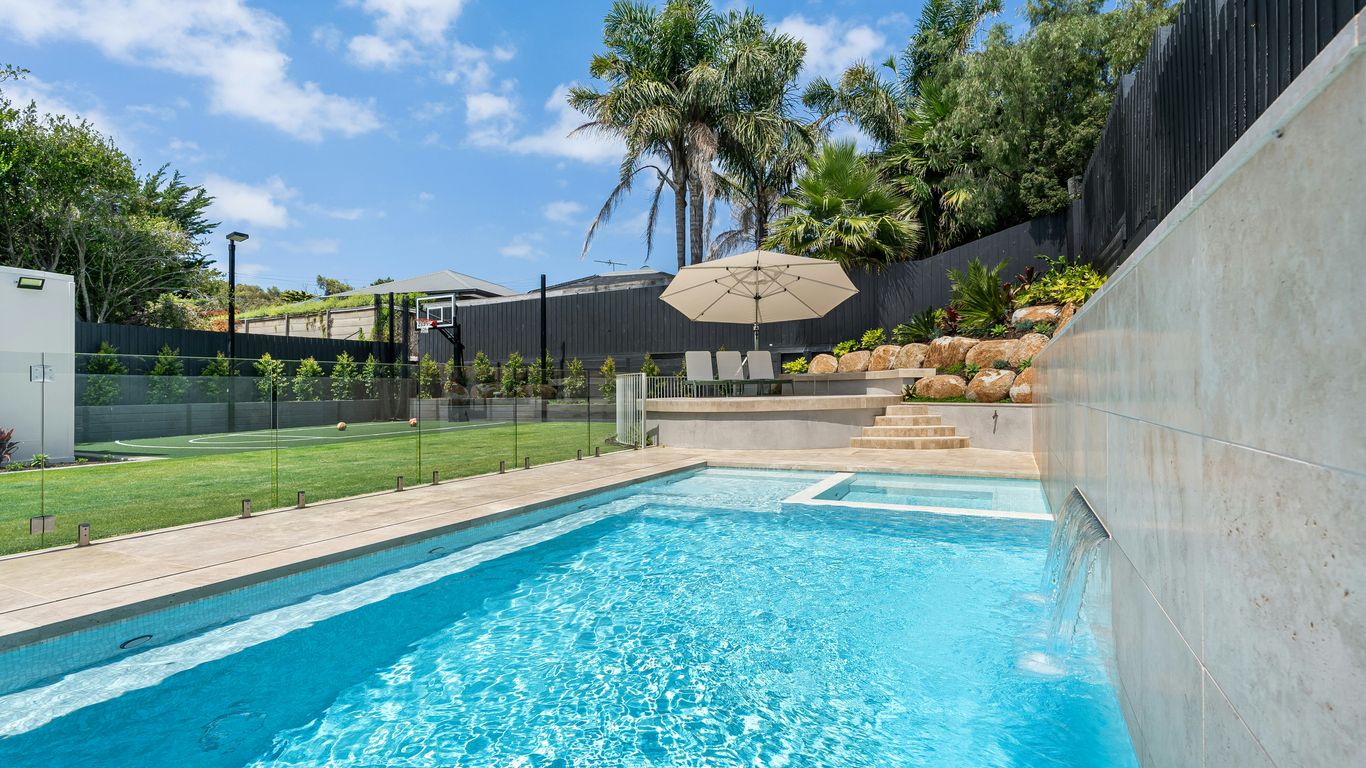
When it comes to making your pool area look good, both acrylic and tempered glass offer clear views. Tempered glass is known for its crystal-clear finish, providing an unobstructed look at your surroundings. It doesn’t really distort the view, which is nice if you have a nice yard or view you want to see.
Acrylic, on the other hand, can also be very clear, but sometimes it has a slight tint or can show minor imperfections more readily than glass. However, acrylic does come in different finishes, like frosted or colored options, which can add a unique look or provide more privacy if that’s what you’re after. You can find various acrylic sheets that might suit different design ideas.
Long-Term Appearance and UV Resistance
Over time, how these materials hold up visually is important. Tempered glass generally maintains its clarity and doesn’t yellow or become cloudy with sun exposure. It’s pretty stable in that regard.
Acrylic, however, can be more sensitive to UV rays. Without proper UV protection, it can start to yellow or become brittle after a few years. This is a key difference to consider for long-term outdoor use. While some acrylics have UV coatings, their effectiveness can vary, and they might not last as long as the inherent resistance of glass. This can lead to a less appealing look over time, similar to how old car headlight covers can become hazy.
Cleaning and Upkeep Requirements
Keeping your pool fence clean is a must. Both materials can be cleaned with mild soap and water. For tempered glass, you can usually use a standard glass cleaner. Just be careful not to use abrasive pads or harsh chemicals, as these can scratch or damage the surface.
Acrylic requires a bit more care. It scratches more easily than glass. So, you’ll want to stick to soft cloths and non-abrasive cleaners. Avoid using squeegees with worn-out rubber edges or anything that could leave a mark. Regular cleaning with the right products will help maintain its appearance for longer. For detailed care, looking into tempered glass panel maintenance can offer some general cleaning tips applicable to both materials, with the caveat of acrylic’s scratch sensitivity.
Installation and Structural Integrity
When it comes to putting up your pool fence, how it’s installed and how sturdy it is really matters. You’ve got a couple of main choices for materials, acrylic and tempered glass, and they each have their own installation quirks and structural needs.
Ease of Handling and Installation
Acrylic is generally lighter than tempered glass. This can make it a bit easier to move around and position during installation. Think about it like this: carrying a large sheet of acrylic is more like handling a big piece of plastic, whereas tempered glass, even though it’s strong, has a certain heft and fragility that requires more careful maneuvering. This difference in weight and handling can impact labor costs and the complexity of the installation process.
Tempered glass, on the other hand, is heavier and requires more precise handling to avoid chips or breaks before it’s secured. While both materials need proper support, the initial stages of placing the panels can feel quite different.
Framed vs. Frameless Installation Options
Both acrylic and tempered glass can be used in framed or frameless systems. Framed systems typically use metal posts and rails to hold the panels in place. This can add a layer of rigidity and security, especially for larger spans. Frameless systems, which are popular for their clean look, rely on specialized hardware like spigots or channels to hold the glass panels directly. This approach requires very precise measurements and strong anchoring.
- Framed: Offers robust support, often easier to align panels, and can be more forgiving with minor ground unevenness.
- Frameless: Provides a minimalist aesthetic, relies heavily on the structural integrity of the panels and their fixings, and demands meticulous installation.
- Semi-Framed: A hybrid approach that uses top and bottom rails but no vertical posts, offering a balance between the two.
Anchoring and Stability in Various Conditions
No matter which material you choose, how the fence is anchored to the ground is critical for safety and stability. Posts need to be strong enough to withstand lateral forces, like a strong wind or someone leaning on the fence. Regulations often specify minimum forces that posts and footings must resist. For instance, posts might need to withstand a horizontal force of around 330 Newtons at a certain height.
The ground conditions where you’re installing the fence play a big role. Whether you have concrete, soil, or pavers, the anchoring method needs to be appropriate to prevent loosening or shifting over time. This is especially important in areas with freeze-thaw cycles or where the ground might settle.
For any pool fencing system, the structural components, including the panels themselves, must be able to handle a certain amount of force without breaking or deforming significantly. This is where understanding the material properties and the overall design of the fence system becomes important. If you’re looking into different railing solutions, comparing plexiglass and tempered glass for deck railings can give you a good idea of how material choice affects installation and stability.
Cost-Effectiveness and Longevity

When you’re looking at pool fencing, the price tag and how long it’s going to last are pretty big deals. You want something that looks good and keeps everyone safe without breaking the bank or needing constant repairs. Let’s break down how acrylic and tempered glass stack up in the long run.
Initial Investment Comparison
Generally, tempered glass tends to be a bit more affordable upfront compared to acrylic. This is partly because it’s a widely available material and the manufacturing processes are well-established. Acrylic, especially high-grade, UV-resistant acrylic, can sometimes come with a higher initial cost. However, this isn’t always the case, and prices can vary quite a bit depending on the specific product, thickness, and any special coatings or finishes.
Long-Term Value and Replacement Frequency
This is where things get interesting. While tempered glass might be cheaper to buy initially, acrylic can sometimes offer better long-term value if it’s properly maintained. Acrylic, particularly if it has a good UV coating, can resist yellowing and degradation from the sun for a good while. Without such coatings, polycarbonate (a type of acrylic) can become brittle over time and might need replacing sooner than you’d like. Tempered glass, on the other hand, is very stable and doesn’t degrade in the same way, but it does have its own vulnerabilities, like the potential to shatter if impacted hard enough. The lifespan of your fencing will heavily depend on the quality of the material and how it’s cared for.
Factors Influencing Overall Cost
Several things can sway the overall cost beyond just the initial purchase price:
- Maintenance: How easy is it to clean and keep looking good? Harsh cleaning methods can scratch acrylic, while glass needs careful handling to avoid chips or breaks.
- Durability: How well does it stand up to weather, impacts, and general wear and tear? A more durable material means fewer repairs or replacements.
- UV Resistance: For outdoor fencing, protection against the sun is key. Materials that degrade or yellow quickly will need replacing sooner, adding to the long-term cost.
- Installation Complexity: While not strictly a material cost, if one material is significantly harder to install, it can drive up labor expenses.
When considering the longevity of acrylic fencing, look for materials specifically treated with UV-resistant coatings. These coatings are vital for preventing the material from becoming brittle or discolored due to prolonged sun exposure, which can significantly shorten its usable lifespan and impact its appearance.
Here’s a quick look at some general cost and longevity points:
| Feature | Tempered Glass | Acrylic |
|---|---|---|
| Initial Cost | Generally moderate | Can be higher, especially for UV-treated or thicker panels |
| Lifespan (typical) | Very long, stable material | Long with UV coating; shorter if uncoated or poorly maintained |
| Replacement Needs | Low, unless broken | Potentially higher if degradation occurs (yellowing, brittleness) |
| Maintenance Impact | Minimal, but requires careful cleaning | Significant; abrasive cleaning can cause scratches and reduce clarity |
| UV Degradation | Not an issue | Can be an issue without proper UV coating, leading to yellowing/brittleness |
Regulatory Compliance and Standards
When you’re putting up a pool fence, whether it’s acrylic or tempered glass, you can’t just wing it. There are rules and standards you have to follow, mostly for safety reasons. It’s not just about making it look good; it’s about making sure it actually does its job to keep people, especially kids, safe around the pool. Different places have different rules, so you’ll want to check with your local council or a building certifier to be sure you’re on the right track.
Meeting Pool Safety Regulations
Pool safety regulations are pretty serious. They’re designed to prevent accidental drownings. For fencing, this usually means a minimum height requirement, making sure there aren’t any gaps a small child could squeeze through, and that gates have self-closing and self-latching mechanisms. The main goal is to create a barrier that a young child cannot get past on their own. It’s important to know that building codes often specify the need for safety glass, and while tempered glass fits this, other materials might too if they meet the same safety benchmarks [badb]. Always check if your chosen material and installation method align with these requirements.
Strength and Rigidity Testing
Materials used for pool fencing have to pass certain tests to prove they’re strong enough. This isn’t just about resisting a light bump. Standards often require panels to withstand specific forces without breaking or deforming too much. For instance, posts might need to resist a horizontal force applied at a certain height. Panels themselves are tested to ensure they don’t break or loosen under pressure. These tests are there to make sure the fence stays up and does its job, even if someone leans on it or something impacts it.
Here’s a general idea of some common testing points:
- Post Strength: Must withstand a horizontal force (e.g., 330 N) at a specific height (e.g., 1200 mm) without permanent damage or loosening.
- Panel Rigidity: Rigid components should resist forces without breaking, fracturing, loosening, or deforming beyond a set limit (e.g., 1/200 of its length).
- Opening Size: Vertical openings must be small enough (e.g., less than 10 mm) to prevent a specific-sized object (e.g., a 105 mm cone) from passing through under a given force.
Material Suitability for Fencing Codes
So, can you use acrylic or polycarbonate instead of glass? The short answer is: maybe, but it has to meet the same safety standards as glass. The Building Code of Australia (BCA) doesn’t always specify the material itself, but rather the performance requirements of the barrier. If you choose a material like acrylic, you’ll likely need to demonstrate to your local certifier that it meets all the strength, rigidity, and safety requirements. This might involve specific engineering reports or proof of testing for the system as a whole, not just the material sheet itself. It’s not just about the material’s inherent strength, but how it’s installed and integrated into the entire fence structure [ee7c].
When selecting materials, always prioritize those that have clear documentation or testing results proving they meet or exceed local pool safety regulations. If a material isn’t commonly used, be prepared to provide extra evidence of its suitability to avoid installation delays or rejections.
We make sure our products follow all the important rules and guidelines. Staying up-to-date with these regulations is key to providing safe and reliable solutions. For more details on how we meet these standards, visit our website.
So, What’s the Verdict?
Deciding between acrylic and tempered glass for your pool fence really comes down to what you value most. Tempered glass offers that super clear, high-end look and is pretty tough, but it can be pricey and, well, it shatters if it breaks. Acrylic, on the other hand, is lighter, way more forgiving if it gets bumped, and usually costs less upfront. However, it can scratch more easily and might not look as sharp over time, especially with pool chemicals and sun exposure. Both have their good points and their drawbacks, so think about your budget, how much maintenance you’re willing to do, and what kind of look you’re going for. Either way, a well-chosen fence keeps everyone safe around the pool.
Frequently Asked Questions
What’s the main difference between acrylic and tempered glass for pool fences?
Think of acrylic as a strong plastic and tempered glass as super-tough glass. Acrylic is lighter and harder to break into pieces, making it safer if it does crack. Tempered glass is much clearer and looks more high-end, but it can shatter into small, dull pieces if it breaks, which is still safer than regular glass.
Which material is tougher and safer around a pool?
Tempered glass is generally stronger against impacts and scratches than acrylic. However, acrylic is more flexible and less likely to shatter completely. For pool safety, both are designed to break into safer pieces than regular glass, but tempered glass is often preferred for its clarity and durability against the elements.
How do these materials hold up against weather and sun?
Tempered glass handles outdoor conditions really well and keeps its clear look for a long time. Acrylic, on the other hand, can become cloudy or yellow over time when exposed to the sun’s rays (UV light) and pool chemicals. It can also scratch more easily when you’re cleaning it.
Is one easier to clean than the other?
Both can be cleaned fairly easily. For tempered glass, a simple wipe-down with water or glass cleaner usually does the trick. Acrylic can scratch more easily during cleaning, especially if salt or pool water is left to dry on it and then scrubbed.
Are acrylic or tempered glass fences expensive?
Tempered glass is often more affordable upfront because it’s a common material. Acrylic can sometimes be cheaper, but its tendency to scratch and fade might mean you have to replace it sooner, making it less cost-effective in the long run compared to the lasting clarity of tempered glass.
Can I use acrylic or polycarbonate if tempered glass isn’t allowed?
You can use other materials like acrylic or polycarbonate, but they must meet the same safety rules as glass. This means they need to be strong enough to pass specific tests for rigidity and impact. It’s important to check with your local building codes and safety inspectors to make sure your chosen material is approved.