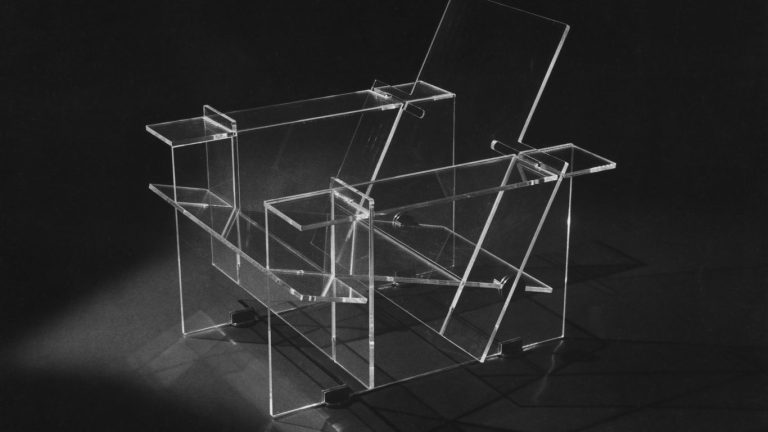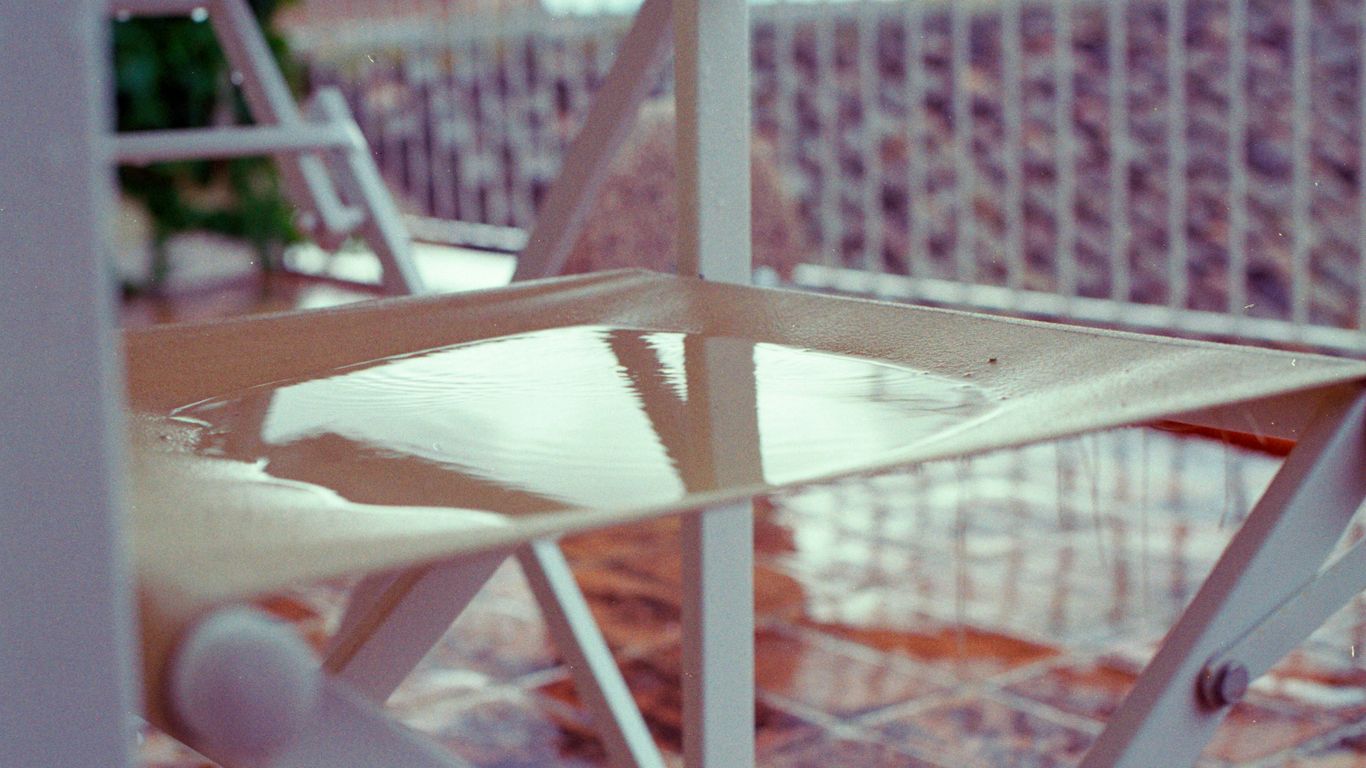
So, you’ve got these cool clear acrylic chairs, right? They look super modern and really open up a room. But keeping them looking that way can be a bit of a puzzle. They show smudges and dust like nobody’s business, and the thought of scratching them is terrifying. This guide is all about making sure your clear acrylic chair maintenance is simple and effective, so they stay looking as good as the day you got them, without all the fuss.
Key Takeaways
- Establish a regular cleaning schedule: Daily dusting, weekly gentle washing, and immediate spill cleanup are vital for clear acrylic chair maintenance.
- Use the right cleaning agents: Stick to mild dish soap solutions or specialized acrylic cleaners; avoid harsh chemicals like ammonia or alcohol.
- Employ gentle cleaning techniques: Always use soft microfiber cloths and wipe gently in straight lines to prevent scratches and streaks.
- Address imperfections promptly: Minor scratches can often be buffed out, but significant damage might need professional attention.
- Protect your chairs: Prevent scratches from objects, shield from direct sunlight, and consider using protective pads or covers to extend their lifespan.
Establishing A Routine For Clear Acrylic Chair Maintenance
Keeping your clear acrylic chairs looking their best doesn’t require a lot of effort, but it does benefit from a consistent approach. Think of it like tending to a garden; a little regular attention prevents bigger problems later on. Establishing a simple routine will help maintain their clarity and prevent damage, ensuring they remain a stylish part of your space for years to come.
Daily Dust Removal
Dust is the silent enemy of clear acrylic. It settles on surfaces and, if not removed, can create a dull film or even cause micro-scratches when wiped with anything other than a soft cloth. The simplest way to combat this is a quick daily wipe-down. Grab a dry, soft microfiber cloth and give the chairs a gentle sweep. This takes mere seconds per chair and prevents dust from building up. It’s a small habit that makes a big difference in keeping that pristine, glass-like shine.
Weekly Gentle Cleaning
Beyond the daily dusting, a more thorough, yet still gentle, cleaning is recommended weekly. This tackles any smudges, fingerprints, or light grime that the daily dusting might miss. For this, you’ll want a mild cleaning solution. A good option is a mixture of a few drops of gentle dish soap with warm water. Apply this solution sparingly to a clean microfiber cloth – never spray directly onto the acrylic, as excess liquid can seep into crevices. Wipe the chairs down using light, circular motions. This process helps remove surface contaminants without resorting to harsh chemicals. You can find helpful tips on preparing a cleaning solution that works well for acrylic.
Addressing Spills Promptly
Accidents happen, especially around dining tables. When a spill occurs on your acrylic chairs, don’t let it sit. Liquids, especially those with sugar or acidic content, can leave marks or even start to break down the acrylic surface if left unattended. The best course of action is to blot the spill immediately with a clean, absorbent cloth. If a residue remains, follow up with the mild soap and water solution mentioned for weekly cleaning. Quick action is key to preventing stains and maintaining the chair’s original clarity.
Consistent, gentle care is far more effective than infrequent, aggressive cleaning. By integrating these simple steps into your weekly schedule, you’ll significantly extend the life and beauty of your clear acrylic chairs.
Selecting The Right Cleaning Agents For Acrylic Chairs
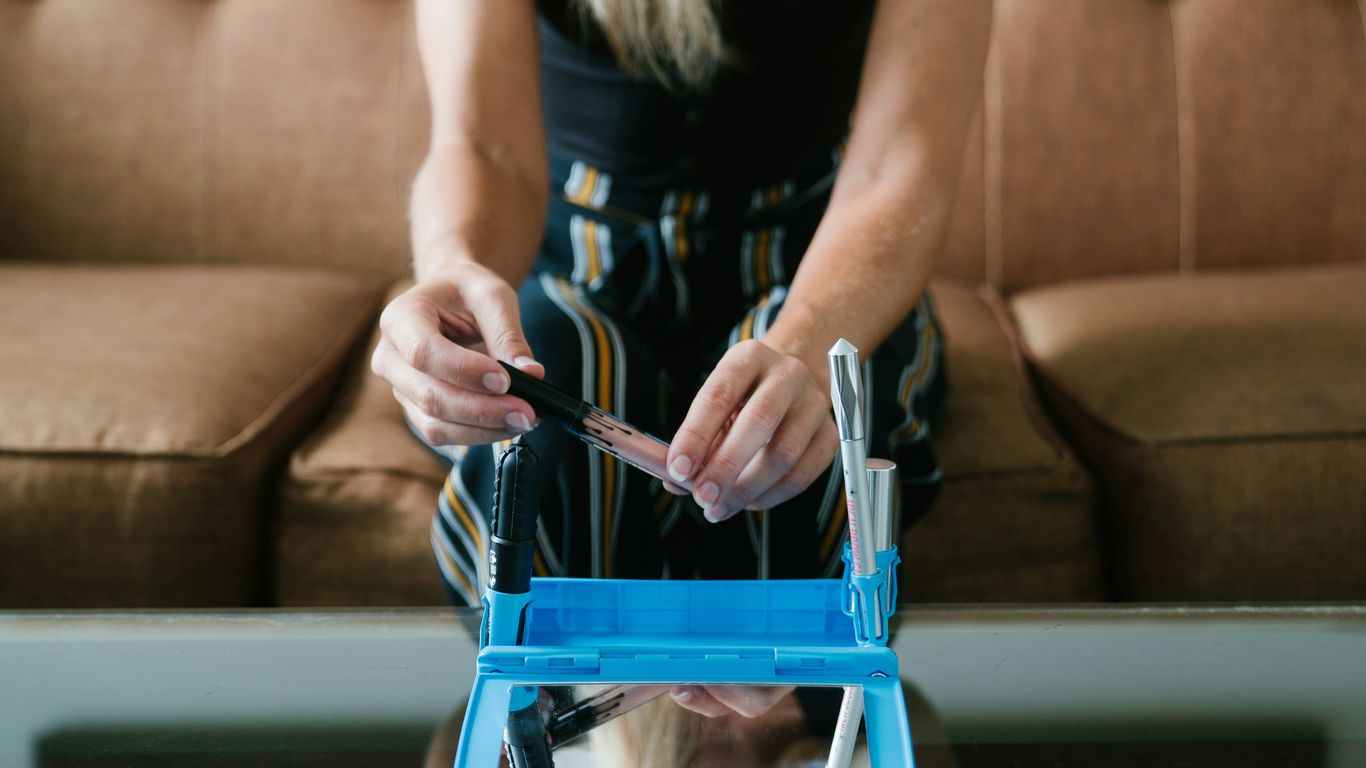
When it comes to keeping your clear acrylic chairs looking their best, choosing the right cleaning agents is pretty important. You don’t want to use something that’s going to cloud them up or leave little scratches. It’s all about being gentle but effective.
Mild Dish Soap Solutions
For everyday cleaning, you really can’t go wrong with a simple solution of mild dish soap and water. This is your go-to for most smudges and light dirt. Just mix a few drops of a gentle dish soap, like the kind you use for hand-washing dishes, into a spray bottle filled with warm water. Give it a gentle shake. You can also add a teaspoon of white vinegar to the mix if you’re dealing with a bit of grease, as it helps cut through that nicely. This DIY cleaner is effective and easy to make at home using common household items.
Specialty Acrylic Cleaners
Sometimes, you might encounter tougher grime or want to give your chairs a bit of extra polish. In these cases, a cleaner specifically made for acrylic surfaces can be a good investment. These products are formulated to clean acrylic without damaging its surface. They often come with instructions for use, and it’s always a good idea to follow them closely. Some of these cleaners can also help restore a bit of shine or remove very light haziness. When looking for these, you might see them marketed for plastics or acrylic furniture. It’s worth checking out options that focus on maintaining clarity and preventing static cling, which can attract dust.
What To Avoid In Cleaners
There are definitely some things you should steer clear of when cleaning acrylic. Harsh chemicals are the main culprits here. Things like ammonia, acetone, or abrasive scouring powders can cause permanent damage. You know how some glass cleaners have ammonia? Those are a big no-no for acrylic because they can make the material turn cloudy or even brittle over time. Also, avoid using rough cloths or paper towels, as they can easily create tiny scratches that build up and make the surface look dull. Stick to soft materials.
It’s easy to think that a strong cleaner will get things done faster, but with acrylic, gentleness is key. Using the wrong product can turn a minor cleaning task into a repair job. Always err on the side of caution and choose mild options first.
Here’s a quick rundown of what to avoid:
- Ammonia-based cleaners (often found in glass cleaners)
- Acetone or nail polish remover
- Abrasive powders or creams
- Scrub brushes or steel wool
- Paper towels (they can be surprisingly abrasive)
- Solvents not specifically approved for acrylic
By being mindful of what you use, you’ll keep your chairs looking clear and new for much longer. It’s all about using the right tools and solutions for the job.
Techniques For A Scratch-Free Shine
Keeping your clear acrylic chairs looking pristine means being careful about how you clean them. It’s not just about getting them clean, but doing it in a way that avoids creating new problems, like scratches. The key is to use the right tools and a gentle approach.
The Importance Of Microfiber Cloths
When it comes to cleaning acrylic, the material of your cloth matters a lot. Forget paper towels or old t-shirts; they can leave behind lint and, worse, tiny scratches. Microfiber cloths are the gold standard here. They are made of very fine fibers that are excellent at picking up dust and dirt without dragging abrasive particles across the surface. Think of them as tiny dust magnets that are also super soft. Having a few clean ones on hand is a good idea, so you always have a fresh, lint-free cloth ready to go.
Gentle Wiping Methods
How you actually wipe the chair is just as important as the cloth you use. The goal is to lift dirt, not grind it in. Start by dusting off any loose debris first. This is a step many people skip, but it’s really important. Then, when you’re ready to use a cleaning solution, apply it to the cloth, not directly to the chair, and avoid soaking the acrylic. Wipe in straight lines, not circles. Wiping in circles can create swirl marks that are hard to get rid of. A gentle, back-and-forth motion is best. Don’t press down too hard; let the cloth and the cleaner do the work.
- Always dust first to remove loose particles.
- Apply cleaner to the cloth, not the chair.
- Wipe in straight lines, moving in one direction.
- Use minimal pressure.
Drying To Prevent Streaks
After you’ve wiped the chair down, you need to dry it properly to avoid water spots and streaks. Use a second, completely dry microfiber cloth for this. Again, use a gentle wiping motion. Buff the surface lightly until it’s dry and shiny. If you notice any streaks, it usually means there was a bit too much soap or the water wasn’t completely clean. Sometimes, using distilled water for your cleaning solution can help prevent mineral deposits that cause streaks.
Proper drying is the final step in achieving that flawless, streak-free finish. It seals the deal on a clean and clear surface, making your chairs look like they just came out of the box.
For stubborn spots or to restore a bit of shine, a specialized acrylic polish can be very effective. Just be sure to follow the product instructions carefully and always use a clean cloth. You can find good options for acrylic polish that are designed specifically for this material.
Addressing Imperfections On Acrylic Surfaces
Buffing Out Minor Scratches
Even with careful handling, minor scratches can appear on your clear acrylic chairs over time. These aren’t usually a cause for alarm and can often be fixed with a bit of effort. The key is to use the right materials and a gentle approach. Start by cleaning the area thoroughly to remove any dust or debris that could cause further scratching. Then, grab a clean microfiber cloth and a specialized acrylic polish. Apply a small amount of polish to the cloth and gently rub it into the scratched area using a circular motion. Continue buffing until the scratch starts to fade. You might need to repeat this a few times for best results. After you’ve worked the polish in, use a separate dry microfiber cloth to buff away any residue and restore the shine. For very light scuffs, sometimes a bit of gentle buffing with just a microfiber cloth is enough. If you’re dealing with a scratch that you can easily feel with your fingernail, it might be a bit deeper than this method can handle, but it’s always worth a try first. You can find good acrylic polish designed for this purpose.
Restoring Clarity To Cloudy Areas
Cloudiness on acrylic chairs can happen due to a few things, like using the wrong cleaning products in the past or just general wear and tear. If your chairs are looking a bit dull, it’s time to bring back that crystal-clear look. First, make sure you’re not using any harsh chemicals like ammonia or alcohol, as these can actually make the cloudiness worse. A simple solution of mild dish soap and warm water, applied with a microfiber cloth, is a good starting point for a general clean. For more persistent cloudiness, you might need to move to a plastic cleaner or a mild abrasive polish specifically made for acrylic. Work the cleaner or polish into the affected areas using a soft cloth, again, in gentle motions. Sometimes, a bit of elbow grease is needed, but avoid pressing too hard. After cleaning and polishing, it’s important to dry the surface completely with a clean, dry microfiber cloth to prevent water spots, which can contribute to a cloudy appearance.
When To Seek Professional Help
While many minor imperfections on your acrylic chairs can be addressed at home, there are times when it’s best to call in the experts. If you notice deep gouges that you can’t buff out, significant yellowing that seems to be throughout the material, or if the acrylic has developed cracks or warping, these are signs that professional intervention might be necessary. Trying to fix severe damage yourself could potentially make the problem worse. Professional refinishing services have specialized tools and techniques, like machine buffing and chemical treatments, that can restore clarity and smoothness to acrylic surfaces that are beyond simple polishing. For very expensive or sentimental pieces, it’s often worth the investment to have them professionally restored rather than risking further damage. You might also consider professional help if you’re simply not comfortable tackling the repair yourself, especially for larger or more visible issues. Remember, the goal is to keep your chairs looking their best for as long as possible.
Acrylic is a material that looks tough but can be quite sensitive to cleaning methods. Treating it like glass is a common mistake that leads to damage. Always opt for gentle cleaners and soft cloths to avoid issues like clouding and scratches. If you’re unsure about a cleaning product or method, test it on an inconspicuous spot first.
Protecting Your Acrylic Chairs From Damage
Even the most durable acrylic chairs can suffer from everyday wear and tear if not properly protected. Taking a few proactive steps can make a big difference in keeping them looking pristine for years to come. It’s not about being overly cautious, but rather about smart habits that prevent common issues.
Preventing Scratches From Objects
Scratches are probably the most common enemy of clear acrylic. Think about what comes into contact with your chairs daily. Sharp objects like keys, pet claws, or even the rough edges of certain bags can leave their mark. Even seemingly harmless items placed on the chair can cause damage over time. Always be mindful of what you place on or near your acrylic chairs.
- Keep sharp items at bay: This includes cutlery, pens, or anything with a pointed edge. If you have pets, keeping their nails trimmed can help.
- Use coasters or placemats: When placing drinks or food on a table near the chairs, use coasters. Similarly, when placing items on the chair itself (like a handbag), consider a soft cloth underneath.
- Be careful with decorative items: If you place vases or other decor on surfaces near the chairs, ensure they have soft bases. You can also place a small mat under them.
Shielding From Direct Sunlight
Acrylic, while resilient, can be affected by prolonged exposure to direct sunlight. Over time, UV rays can cause the material to become brittle and, more noticeably, to yellow. This discoloration can really detract from the chair’s modern, clear aesthetic. It’s a gradual process, but one that can be avoided with a little planning.
- Strategic placement: If possible, position your chairs away from windows that receive intense, direct sunlight for long periods.
- Use window treatments: Curtains, blinds, or UV-filtering films on windows can significantly reduce the amount of direct sunlight reaching your chairs.
- Consider rotation: If you have multiple chairs, rotating their positions periodically can help ensure that any potential fading or yellowing is distributed evenly, making it less noticeable.
Using Protective Pads And Covers
This is a simple yet highly effective way to add an extra layer of defense. Protective pads and covers act as a buffer between your chairs and potential sources of damage, whether it’s the floor or accidental bumps.
- Leg pads: Applying soft felt or rubber pads to the bottom of the chair legs is a must. This protects both your flooring from scratches and the chair legs from chipping or snagging on uneven surfaces. It also helps the chair slide more smoothly.
- Cushioned covers: For added protection, especially if the chairs are in a high-traffic area or if you have young children, consider using custom-fit, clear or subtly colored cushions. These can protect the seat and back from direct impact and spills, while still allowing the chair’s design to show through. These can be easily removed for cleaning.
Protecting your acrylic chairs isn’t about creating a fortress around them. It’s about making small, conscious choices in how you use and place them. Think of it as giving them a little bit of armor against the everyday bumps and scrapes that can dull their shine over time. Simple measures, like adding felt pads or being mindful of sharp objects, go a long way in preserving their clear, elegant look. For more on general care, understanding how to clean acrylic without scratching is a good starting point [f5c7].
Extending The Lifespan Of Your Chairs
Consistent Care For Durability
Keeping your clear acrylic chairs looking their best for years to come really comes down to a consistent approach to their care. It’s not about one big cleaning session, but rather a series of small, regular actions that prevent damage from building up. Think of it like maintaining a car; regular oil changes and tire checks prevent major breakdowns. For acrylic chairs, this means wiping away dust daily and addressing spills the moment they happen. This consistent attention stops minor issues from becoming permanent problems. A proactive maintenance schedule is the most effective way to ensure your chairs remain a stylish and functional part of your home or business.
Impact Of Maintenance On Longevity
The way you clean and handle your acrylic chairs directly affects how long they’ll last and how good they’ll look. If you’re rough with them, use the wrong cleaners, or let dirt sit, you’re essentially fast-tracking their wear and tear. On the flip side, gentle cleaning with the right products and methods, like using a mild dish soap solution with warm water, can make a huge difference. This approach helps maintain the material’s integrity and its clear, glossy finish. For instance, a restaurateur found that switching to a twice-weekly cleaning schedule for their high-traffic acrylic chairs kept them looking new, even with constant use. This shows that the effort you put into maintenance really pays off in the long run. You can find more tips on gentle cleaning methods that help preserve the material’s condition and longevity here.
Maintaining Aesthetic Appeal Over Time
Beyond just preventing damage, consistent care helps your acrylic chairs keep their original aesthetic appeal. Over time, exposure to things like direct sunlight can cause the acrylic to yellow, making the chairs look old and worn. Positioning them away from windows or using curtains to diffuse the light can help prevent this. Also, adding felt pads to the bottom of the chair legs is a simple step that protects both your floors and the chairs themselves from scratches. If you notice minor scratches, buffing them out with a specific acrylic polish can restore their clarity. For more serious issues, professional help might be needed, but regular upkeep usually prevents these bigger problems. Remember, keeping them clean and protected is key to maintaining that sleek, modern look you loved when you first bought them. This consistent attention ensures your chairs remain a highlight in your space for many years.
- Prevent UV Damage: Position chairs away from direct sunlight or use window coverings.
- Protect from Scratches: Use felt pads on chair legs and avoid placing sharp objects directly on the surface.
- Address Issues Promptly: Clean spills immediately and buff out minor scratches as they appear.
Consistent, gentle care is the cornerstone of preserving the clarity and structural integrity of your acrylic chairs. By integrating simple protective measures and regular cleaning into your routine, you significantly extend their usable life and maintain their visual appeal, making them a lasting addition to your decor.
Want to make your chairs last longer? Simple tricks can help you keep them looking great for years. Learn how to care for your furniture and avoid common mistakes. Visit our website for easy tips on extending the lifespan of your chairs.
Keeping Your Acrylic Chairs Looking Great
So, taking care of those clear acrylic chairs isn’t too complicated, really. Just remember to use soft cloths and mild soap for regular cleaning, and try to keep harsh chemicals and rough stuff away from them. A little bit of attention now and then will go a long way in keeping them looking clear and new for ages. It’s mostly about being gentle and consistent with how you clean them, and they’ll stay a nice part of your room.
Frequently Asked Questions
Can I use regular window cleaner on my clear acrylic chairs?
It’s best to skip the window cleaner! Many of them have ammonia, which can make your clear chairs look cloudy or even damaged over time. A gentle mix of dish soap and water is a much safer bet for keeping them sparkling.
How do I get rid of small scratches on my acrylic chairs?
For tiny scratches, you can often buff them out. Try using a special acrylic polish or a plastic cleaner made for these surfaces. Gently rub it in with a soft cloth in a circular motion. It’s like giving your chairs a little spa treatment!
My chairs are looking a bit hazy. What can I do?
A hazy look usually means the acrylic has been exposed to harsh stuff or has picked up tiny scratches. You can try a dedicated acrylic cleaner and a soft cloth to gently buff the surface. Sometimes, a little patience and the right cleaner can bring back that crystal-clear shine.
What’s the best way to dust my acrylic chairs?
Dust can actually scratch your chairs if you’re not careful! Always use a super soft microfiber cloth or a gentle feather duster. If you’re wiping, make sure there’s no grit on the cloth first. It’s all about being gentle.
Should I worry about direct sunlight damaging my chairs?
Yes, you should! Leaving your acrylic chairs in direct, bright sunlight for too long can cause them to turn yellow. Try to keep them out of harsh sunbeams, or use curtains to soften the light. It helps keep them looking fresh and new.
Are there any cleaning products I should absolutely avoid?
Definitely! Steer clear of anything with ammonia, alcohol, or strong solvents. Also, never use rough scrubbers, scouring pads, or even paper towels, as these can easily scratch the surface. Stick to soft cloths and mild cleaners.