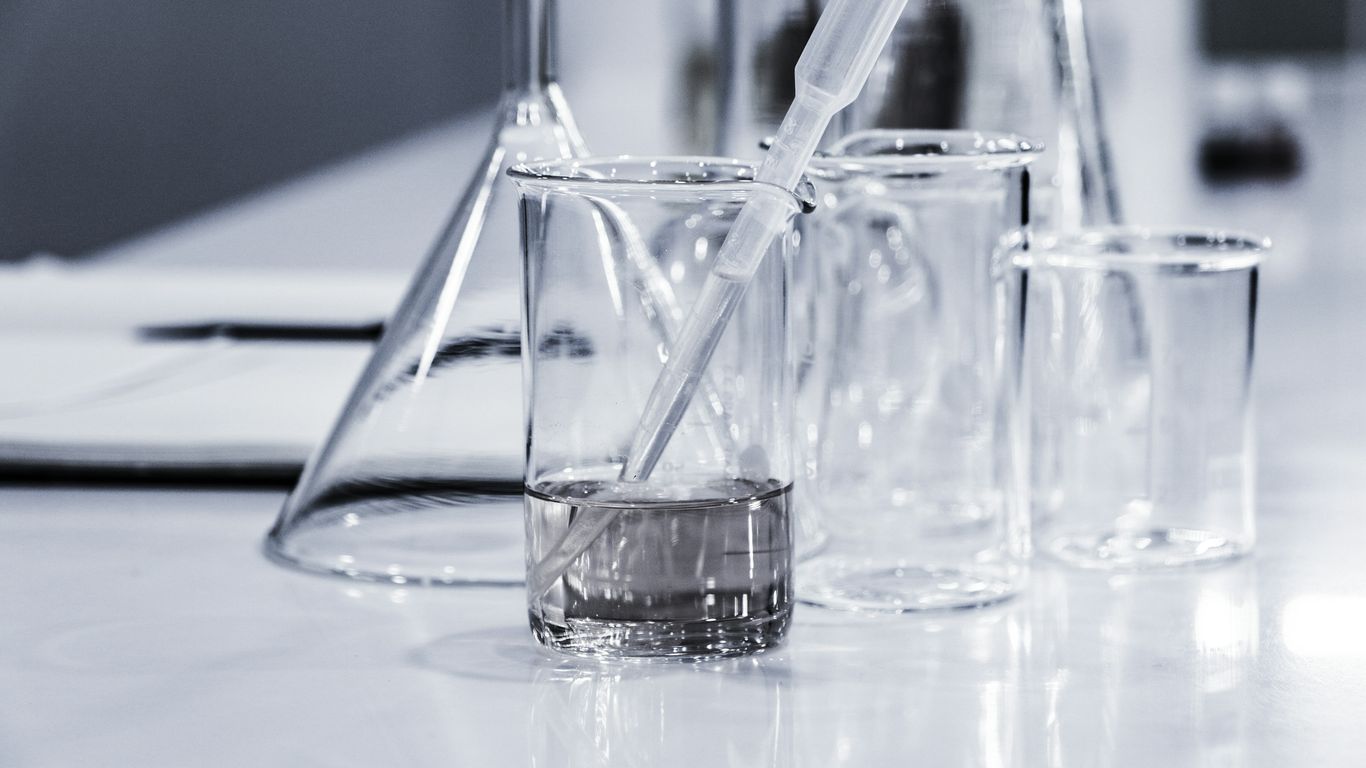
Ever wonder why so much lab and medical gear seems to be made of that clear, tough plastic? It’s usually acrylic, and for good reason. This stuff is everywhere in labs and hospitals, and it’s not just because it looks good. Acrylic laboratory equipment is chosen for a bunch of practical reasons that make life easier and safer for everyone involved. From seeing exactly what’s going on inside a container to making sure things are super clean, acrylic really shines. Let’s break down why this material is such a big deal in these critical environments.
Key Takeaways
- Acrylic offers amazing clarity, letting you see right through it for easy observation and inspection of lab contents and instruments.
- Its smooth, non-porous surface makes cleaning a breeze and helps keep nasty germs from sticking around, which is a must in medical and lab settings.
- This material is tough. It can take a hit better than glass, meaning less worry about shattering and broken pieces, making it safer to use.
- Acrylic holds up well against many common chemicals and cleaning agents, so it doesn’t break down easily when you’re trying to keep things sterile.
- You can shape acrylic into pretty much anything, from simple trays to complex enclosures, making it super adaptable for all sorts of specific needs in labs and hospitals.
Exceptional Clarity and Visibility
One of the main reasons acrylic is a go-to material for lab and medical equipment is its outstanding clarity. It’s like looking through a perfectly clean window, which is pretty important when you need to see what’s going on inside a piece of equipment or a container.
Crystal-Clear Observation Panels
Think about incubators or diagnostic machines. They often have panels or windows made of acrylic. This lets technicians and doctors observe samples, cultures, or the internal workings of the device without having to open it up. This ability to see clearly without disruption is vital for monitoring processes and ensuring everything is running as it should. It’s a big step up from materials that might be cloudy or distort the view.
Enhanced Visibility for Instruments
Many scientific instruments have delicate components or require precise readings. Acrylic casings and covers provide a clear view of these instruments, allowing for easy monitoring of performance and immediate detection of any issues. This transparency means less guesswork and more accurate work. It’s also why you see acrylic used in things like microscope stages or covers for sensitive measurement tools.
Visual Inspection of Contents
In laboratories, being able to visually inspect samples, reagents, or solutions is a daily necessity. Acrylic containers, trays, and storage units allow for quick and easy visual checks. You can see the color, consistency, and volume of liquids, or check the status of samples at a glance. This saves time and reduces the need to constantly open containers, which can be important for maintaining sterile environments or preventing evaporation. It’s a simple feature, but it makes a big difference in workflow efficiency.
The optical properties of acrylic mean that light passes through it with very little distortion. This makes it an excellent substitute for glass when you need a clear view of something important, especially in settings where safety and precision are key.
Hygiene and Sterilization Properties
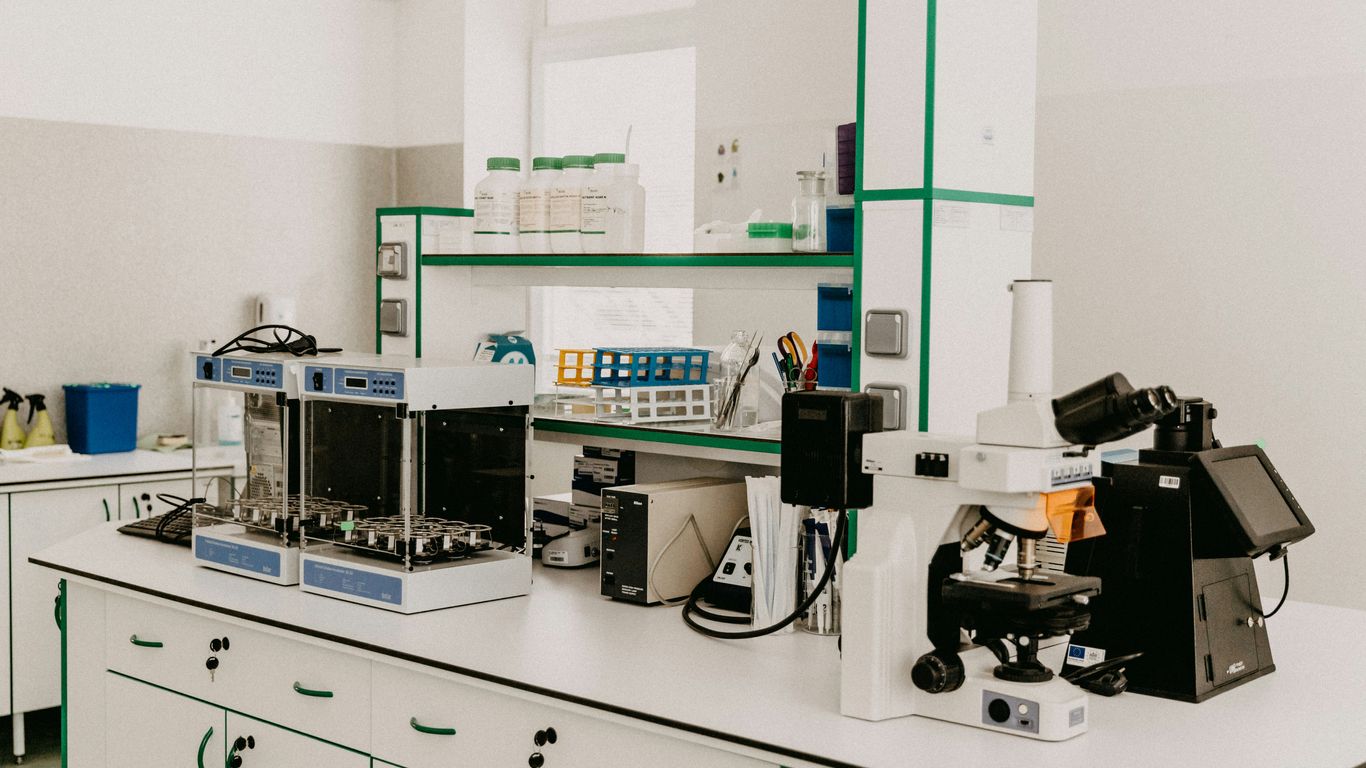
When you’re working with sensitive materials or in environments where cleanliness is paramount, the properties of your equipment’s materials really matter. Acrylic stands out because it’s pretty good at staying clean and can handle a lot of disinfecting. This makes it a solid choice for labs and medical facilities where keeping things sterile is a top priority.
Non-Porous Surfaces for Easy Cleaning
One of the big advantages of acrylic is its smooth, non-porous surface. Unlike some materials that have tiny little holes or rough spots where gunk can hide, acrylic is pretty much a solid sheet. This means spills, residues, and general grime don’t get a chance to soak in. Wiping it down is usually all it takes to get it clean. This is a huge deal in places like medical labs where you can’t afford to have anything lingering.
Resistance to Bacteria and Viruses
Because acrylic doesn’t have those microscopic nooks and crannies, it’s naturally harder for bacteria and viruses to take hold. This inherent resistance helps maintain a more hygienic surface, which is a big plus in any setting focused on health and safety. It’s not a magic shield, of course, but it certainly makes the job of keeping surfaces clean a lot easier.
Withstanding Frequent Disinfection
Labs and medical facilities often need to use strong cleaning agents and disinfectants. Acrylic holds up pretty well to this kind of treatment. You can regularly wipe down acrylic surfaces with common disinfectants, including alcohol-based solutions, without worrying too much about damaging the material. It’s important to check the specific cleaner compatibility with your acrylic setup, but generally, it’s built to handle the rigorous cleaning schedules required in these environments. This durability means the equipment can be kept in top hygienic condition without degrading the material itself.
The ease with which acrylic surfaces can be cleaned and disinfected directly contributes to maintaining a sterile environment, reducing the risk of cross-contamination and supporting overall operational safety.
Durability and Safety Features
When you’re working with lab equipment or medical devices, the last thing you want is for something to break unexpectedly. That’s where acrylic really shines. It’s built tough, offering a level of resilience that glass just can’t match, which is a big deal when you’re dealing with potentially hazardous materials or sensitive procedures.
Impact Resistance Compared to Glass
Think about it: glass can be pretty fragile. A small bump or a sudden temperature change can cause it to crack or shatter, sending sharp pieces flying. Acrylic, on the other hand, is significantly more impact resistant. It’s not that it’s unbreakable, but when it does experience force, it’s much more likely to crack or break into larger, blunter pieces rather than splintering into dangerous shards. This makes it a much safer material to use in environments where accidents can happen. In fact, acrylic can be up to 17 times stronger than glass, yet it’s only about half the weight. This combination of strength and lightness is a major reason why it’s become so popular.
Shatter-Resistant Material
This resistance to shattering is a key safety feature. In a lab or medical setting, broken glass can lead to injuries and contamination. Acrylic’s tendency to crack rather than shatter means fewer risks for personnel and a reduced chance of compromising sterile conditions. This property makes it suitable for a wide range of applications, from protective shields to enclosures for delicate instruments. You’ll find it used in places where safety is a top priority, like public spaces and even aquariums, because it just doesn’t break apart like glass does.
Lightweight Construction
Beyond its toughness, acrylic is surprisingly lightweight. This makes equipment easier to move around, install, and maintain. Imagine trying to move a large glass tank versus an acrylic one of the same size – the difference is substantial. This reduced weight also contributes to overall safety, as it lowers the risk of injury during handling and transport. Plus, lighter equipment can sometimes mean simpler structural support is needed, which can be a cost-saver too. It’s a material that’s easy to work with, which is always a plus in busy lab environments.
The inherent strength and shatter-resistant nature of acrylic significantly reduce the risks associated with material failure in critical applications. This translates to a safer working environment and greater confidence in the equipment’s reliability.
Here’s a quick look at how acrylic stacks up against glass in terms of durability:
| Feature | Acrylic | Glass |
|---|---|---|
| Impact Resistance | High (up to 17x stronger than glass) | Moderate to Low |
| Breakage Pattern | Cracks or breaks into large, blunt pieces | Shatters into sharp, dangerous shards |
| Weight | Lightweight (approx. half the weight of glass) | Heavier |
| Shatter Resistance | Excellent | Poor |
Chemical Resistance in Laboratory Settings
Laboratories often deal with a variety of substances, from cleaning agents to reagents. Acrylic holds up pretty well against many of these, which is a big deal when you need equipment to last and stay reliable. It’s not just about resisting spills; it’s about maintaining the integrity of the equipment itself.
Withstanding Harsh Chemicals
Acrylic, particularly cast acrylic, shows good resistance to a range of common laboratory chemicals. This means that things like beakers, trays, or even larger tanks made from acrylic won’t degrade or become cloudy when exposed to certain solvents, acids, or bases. While it’s not impervious to everything – strong organic solvents can be an issue – it handles many everyday lab chemicals better than you might expect. This resistance is key for equipment that needs to be used repeatedly without worry.
Maintaining Integrity During Cleaning
Cleaning protocols in labs are usually pretty rigorous. Acrylic can typically handle frequent wipe-downs with disinfectants and sanitizing solutions, including alcohol-based cleaners. This is a significant advantage because it means you can keep your equipment clean and sterile without damaging the material itself. Unlike some plastics that might become brittle or discolored after repeated exposure to cleaning agents, acrylic generally maintains its clarity and structural integrity. This makes it a practical choice for items that require constant upkeep.
Use in Chemical Tanks and Containers
Because of its chemical resistance and clarity, acrylic is a good material for making tanks and containers used in labs. You can see what’s inside, which is helpful for monitoring levels or reactions. Plus, it won’t corrode like metal might when holding certain liquids. This makes it suitable for everything from small specimen containers to larger storage tanks for less aggressive chemicals. Many lab supply companies offer custom acrylic solutions for specific needs, recognizing this versatility.
The ability of acrylic to resist a variety of chemicals and cleaning agents without compromising its physical properties or clarity makes it a dependable material for laboratory equipment. This durability translates to longer equipment life and consistent performance in demanding environments.
Here’s a general idea of how acrylic holds up against some common lab substances:
- Good Resistance: Water, dilute acids, dilute alkalis, aliphatic hydrocarbons, mineral oils.
- Fair Resistance: Alcohols, some esters, some ketones.
- Poor Resistance: Strong acids, strong alkalis, aromatic hydrocarbons, chlorinated hydrocarbons, ketones, esters, ethers.
It’s always best to check specific chemical compatibility charts for acrylic when dealing with particularly aggressive substances, but for many standard laboratory applications, its resistance is more than adequate.
Versatility in Acrylic Laboratory Equipment Design
Acrylic isn’t just a one-trick pony when it comes to lab gear. Its real strength lies in how adaptable it is, letting designers and manufacturers create all sorts of specialized equipment. This material can be shaped, cut, and formed into pretty much anything you can imagine, which is a huge deal for labs that need very specific tools.
Customizable Shapes and Sizes
One of the biggest wins for acrylic is that it’s not limited to standard rectangles or circles. You can get it made into complex curves, intricate compartments, or whatever unique form a particular experiment or workflow demands. This means you’re not stuck with off-the-shelf solutions that might not quite fit your needs. Whether it’s a custom-sized tank for a specific chemical reaction or a uniquely shaped holder for delicate instruments, acrylic can handle it. This ability to tailor equipment precisely is why you see it in so many different lab setups.
Ease of Fabrication and Molding
Working with acrylic is way simpler than, say, glass. It can be heated and bent, cut with standard tools, and even glued together quite easily. This makes creating prototypes or small batches of custom equipment much faster and cheaper. Manufacturers can take a design from concept to finished product without a massive investment in specialized machinery. This also means that if you need a replacement part or a slight modification, it’s often much more straightforward to get done.
Adaptability for Various Applications
Because acrylic is so easy to work with and can be made into so many forms, it pops up everywhere. Think about protective shields that need to fit snugly around specific machines, or intricate organizers designed to hold a precise set of tools. It’s also great for things like specimen trays that might need special dividers or angled surfaces. The material’s inherent clarity, combined with its formability, makes it a go-to for equipment where you need to see what’s going on but also need a robust, custom-fit solution. This flexibility is a big reason why cast acrylic is so popular in demanding environments.
The ability to easily cut, shape, and join acrylic sheets allows for the creation of highly specialized laboratory apparatus that precisely matches the requirements of specific scientific procedures or workflows. This level of customization is often difficult or prohibitively expensive to achieve with traditional materials like glass.
Here’s a quick look at how its adaptability plays out:
- Protective Barriers: Custom-fit shields for sensitive equipment or to create safe zones.
- Storage Solutions: Organizers with specific compartments for vials, pipettes, or other lab supplies.
- Display Cases: Clear enclosures for showcasing specimens or delicate instruments.
- Flow Channels: Molded parts for microfluidics or custom fluid handling systems.
- Apparatus Components: Building blocks for larger, more complex experimental setups.
Applications in Medical and Laboratory Environments
Acrylic’s unique combination of properties makes it a go-to material for a wide range of uses in medical facilities and research labs. Its ability to be shaped, cleaned, and maintained makes it incredibly practical for everyday operations.
Protective Shields and Barriers
In environments where hygiene and safety are paramount, acrylic excels at creating protective barriers. Think of the sneeze guards you see at reception desks in clinics or pharmacies – those are often made of acrylic. They offer a clear line of sight, allowing for easy communication while preventing the direct spread of airborne particles. These shields are also common around lab equipment or workstations where splashes might occur. They provide a physical separation that helps maintain a sterile environment and protects both staff and patients.
Medical Equipment Enclosures
Many pieces of medical equipment, from incubators to diagnostic machines, utilize acrylic for their transparent components. This allows medical professionals to monitor processes or patient conditions without needing to open the enclosure, which could compromise the internal environment or expose sensitive equipment. The material’s resistance to common cleaning agents means these enclosures can be kept sanitary, a non-negotiable requirement in healthcare.
Specimen Trays and Containers
For handling and transporting samples, acrylic specimen trays and containers are frequently used. Their non-porous surface is easy to wipe down, reducing the risk of cross-contamination between different samples. The clarity of acrylic also means that contents are easily identifiable, which is important for accurate record-keeping and workflow efficiency in busy labs. You’ll find them used for everything from holding test tubes to organizing small medical supplies. This makes them a practical choice for many medical lab supplies.
Here are some common items made from acrylic:
- Chart holders
- Needle disposal containers
- Instrument organizers
- Biohazard shields
- Glove and mask dispensers
The adaptability of acrylic means it can be molded into virtually any shape needed, from simple trays to complex, multi-part enclosures, all while maintaining its beneficial properties.
Our products are perfect for use in hospitals and labs. They help keep things clean and safe. Want to learn more about how we can help your medical or lab setting? Visit our website today!
Wrapping It Up
So, when you look at all the different pieces of equipment in a lab or a hospital, it makes sense why acrylic is such a common material. It’s clear, so you can see what’s going on inside. It doesn’t break easily like glass, which is a big plus for safety. Plus, it’s pretty good at resisting germs and can be cleaned up easily. All these things add up to make acrylic a really practical choice for making sure things work right and stay clean in places where that matters most.
Frequently Asked Questions
Why is acrylic so clear?
Acrylic is super clear because of how it’s made. It lets light pass through it really well, almost like a window. This makes it easy to see what’s inside containers or what’s happening behind a shield. It’s like looking through clean glass, but it’s much tougher!
Is acrylic easy to clean and keep germ-free?
Yes, acrylic is great for keeping things clean. Its surface is smooth and doesn’t have tiny holes where germs can hide. This means you can wipe it down easily with cleaning supplies, and it won’t get damaged. It’s a big help in places where cleanliness is super important, like hospitals and labs.
Is acrylic safer than glass in labs and hospitals?
Definitely! Acrylic is much stronger than glass and doesn’t break into sharp pieces if it gets hit. This is a huge safety plus, especially in busy places where accidents can happen. It’s also lighter, making it easier to handle and install.
Can acrylic handle strong cleaning chemicals?
Acrylic can handle many common cleaning chemicals and disinfectants used in labs and medical places. While it’s tough, it’s always a good idea to check which specific chemicals are safe for acrylic to make sure it stays in good shape for a long time.
Can acrylic be made into different shapes?
Absolutely! Acrylic is very flexible when it comes to design. It can be heated and bent into curves, cut into intricate shapes, or even molded into complex forms. This makes it perfect for creating all sorts of specialized equipment and protective barriers.
What are some common uses for acrylic in hospitals and labs?
You’ll see acrylic used for all sorts of things! It’s used for protective shields to keep people safe, covers for delicate medical machines, trays to hold samples, and even parts of incubators. Its clear, strong, and easy-to-clean nature makes it ideal for these important jobs.