So, acrylic plastic. We see it everywhere, right? From store signs to furniture. But what if I told you there’s a way to make it that’s way better for the planet? This article is all about the latest cool stuff happening in making acrylic plastic more eco-friendly. We’re talking about new ways to make it, using recycled bits, and cutting down on pollution. It’s pretty neat how they’re innovating with eco-friendly acrylic innovations.
Key Takeaways
- Eco-friendly acrylic often uses recycled materials and needs special processing to maintain quality, with manufacturers using low-emission methods to lessen environmental impact.
- Manufacturing processes are adapting, favoring precision cutting and adjusted molding techniques to minimize waste and accommodate sustainable variants.
- Future developments are focused on closed-loop recycling systems, biodegradable acrylic formulas, and even using biological methods for acrylic creation.
- The benefits include better durability, energy efficiency in lighting and design, and great versatility for things like furniture and retail displays.
- When comparing alternatives, eco-friendly acrylic holds its own against bioplastics, wood, bamboo, and traditional glass due to its recyclability and performance.
Understanding Eco-Friendly Acrylic Innovations
What Constitutes Sustainable Acrylic
When we talk about "eco-friendly acrylic," we’re really looking at materials that aim to lessen the environmental impact compared to traditional acrylic, which is made from petroleum. The main ways manufacturers are doing this involve using recycled materials, cutting down on emissions during production, and sometimes even exploring biodegradable options. The goal is to offer the same clear, durable, and versatile properties people expect from acrylic, but with a much smaller ecological footprint.
Here’s a breakdown of what makes acrylic sustainable:
- Recycled Content: This is a big one. Manufacturers are increasingly using post-industrial (scrap from the factory) or post-consumer (used products) acrylic waste. This diverts material from landfills and conserves virgin resources. It does require extra steps to clean and process this material to ensure it meets quality standards.
- Low-Emission Manufacturing: Traditional acrylic production can involve harsh chemicals and significant energy use. Newer methods focus on reducing greenhouse gas emissions, using less toxic solvents, and improving energy efficiency throughout the manufacturing process. Some companies are even looking into water-based production techniques.
- Biodegradable Formulations: This is still an area of active research and development, but some companies are working on acrylics that can break down naturally over time. This could be a game-changer for reducing long-term plastic pollution.
The shift towards sustainable acrylic isn’t just about being "green"; it’s about rethinking how we produce and consume materials. It involves a commitment to reducing waste and conserving resources at every stage, from raw material sourcing to end-of-life disposal.
The Role of Recycled Content
Using recycled content is a cornerstone of eco-friendly acrylic. It’s not as simple as just melting down old plastic, though. The process involves collecting, sorting, cleaning, and then reprocessing acrylic waste. This can include everything from factory offcuts to old signage or display cases. By giving these materials a new life, manufacturers significantly reduce the need for virgin petroleum-based feedstocks. This practice directly contributes to a more circular economy, where materials are kept in use for as long as possible. Companies like Laird Plastics are actively involved in developing and offering solutions that incorporate recycled acrylic, helping to close the loop on plastic waste.
Advancements in Low-Emission Manufacturing
Beyond the materials themselves, how acrylic is made matters a lot. Manufacturers are investing in technologies and processes that cut down on pollution. This includes:
- Energy Efficiency: Upgrading machinery and optimizing production lines to use less electricity and heat.
- Chemical Management: Reducing or eliminating the use of harmful solvents and chemicals, opting for safer alternatives where possible.
- Emission Control: Implementing systems to capture or reduce greenhouse gases and other airborne pollutants released during manufacturing.
These efforts not only benefit the environment but can also lead to safer working conditions and, in some cases, more cost-effective production in the long run. It’s about making the entire lifecycle of acrylic more responsible.
Manufacturing Processes for Greener Acrylic
Waste Minimization Through Precision Cutting
When it comes to working with acrylic, especially in large-scale production, how you cut and shape the material makes a big difference for the environment. Traditional methods can sometimes lead to a lot of leftover scraps. That’s where precision cutting techniques come into play. Laser cutting and CNC machining are becoming the go-to methods for shaping acrylic because they’re incredibly accurate. This means less material is wasted, and what little waste is generated can often be more easily collected for recycling. It’s all about making the most of every sheet.
Adapting Molding for Sustainable Variants
Molding acrylic isn’t always straightforward when you’re aiming for sustainability. Some eco-friendly acrylics, particularly those made with recycled content or incorporating new biodegradable compounds, might have slightly different properties. They could react differently to heat or pressure compared to standard acrylic. This means manufacturers sometimes need to tweak their molding processes. They might adjust temperatures, cycle times, or even the types of molds used. It’s a bit like fine-tuning a recipe to get the perfect result, but with plastic. This careful adaptation helps ensure that the final product is just as strong and visually appealing as its traditional counterpart, without compromising its green credentials.
Energy-Efficient Production Techniques
Making acrylic from scratch takes a fair amount of energy. The good news is that manufacturers are finding smarter ways to produce it. This includes using more efficient machinery that consumes less power. Some facilities are even looking into renewable energy sources to power their operations. Another area of focus is reducing the use of harsh chemicals and opting for more environmentally friendly alternatives, like water-based solutions where possible. These changes might seem small individually, but collectively, they add up to a significant reduction in the overall environmental impact of acrylic sheet production. It’s about making the whole process cleaner and greener from start to finish.
The Future of Sustainable Acrylic Production
As people get more concerned about reducing waste and cutting down pollution, the acrylic industry is looking at new methods to make materials greener. Future advancements in the production of sustainable acrylic are focused on recycling, bio-based innovations, and energy savings. Let’s walk through some of the trends and what they might mean for how acrylic is made and used.
Developing Closed-Loop Recycling Systems
The days of acrylic being used and then trashed are changing. Manufacturers are putting resources into closed-loop recycling processes so acrylic can be reclaimed and refashioned repeatedly without losing quality. This strategy tracks and collects acrylic waste (from both industries and consumers), sorts it, and reprocesses it back into usable sheets or products. Here’s how this usually works:
- Collection: Gathering acrylic scraps from factories or post-consumer products
- Sorting & Cleaning: Making sure only high-quality, clean material is recycled
- Remanufacturing: Melting and remolding the recycled acrylic into new products
| Benefit | Description |
|---|---|
| Less landfill waste | Keeps acrylic scraps out of trash |
| Resource conservation | Uses less raw petroleum |
| Energy savings | Often requires less energy than new material |
Supporting closed-loop recycling in acrylic production is one of the best ways to shift towards a true circular system in plastics.
Research into Biodegradable Acrylic Formulations
Standard acrylic doesn’t break down naturally, so there’s a lot of interest in formulas that will.
- Scientists are experimenting with biodegradable additives or entirely new blends that use plant-based ingredients
- These alternatives are designed to break apart in landfills or compost conditions without leaving harmful residues
- Even so, many options are still being tested to match the clarity and strength that conventional acrylic is known for
A potential leap forward is the ability to make MMA, the key acrylic ingredient, using materials from renewable crops rather than oil-based chemicals. For more about this area of development, check out this update on plant-based acrylic prospects.
Biotechnological Approaches to Acrylic Synthesis
Another area where things are progressing fast: using engineered microbes and fermentation to make acrylic acid (an important precursor to acrylic plastics). This approach means you can:
- Use agricultural waste or low-value by-products as a starting point
- Reduce emissions, because the process works in mild conditions rather than very high temperatures
- Shift production away from fossil fuels entirely
Manchester engineers, for example, have created a special membrane reactor that turns low-value by-products into acrylic acid, which helps make the process cleaner and more efficient. This is a real turning point for sustainable acrylic production.
Combining chemical engineering and biotechnology may soon let us make acrylic products that are not just as good as before, but also made responsibly from start to finish.
Sustainable acrylic production is heading toward a future where recycled, plant-based, and even microbe-made materials could become the standard. Step by step, these innovations are making acrylic more environmentally friendly for everyone.
Benefits and Applications of Eco-Friendly Acrylic
Eco-friendly acrylic offers a compelling combination of practical advantages and environmental responsibility, making it a smart choice for a variety of uses. It keeps the good stuff about regular acrylic – like its clarity and toughness – but with a much lighter footprint on the planet. This means you get the same great look and feel without the guilt.
Enhanced Durability and Longevity
One of the standout features of sustainable acrylic is its impressive durability. It holds up well against wear and tear, and many formulations are resistant to UV rays and general environmental conditions. This means items made from eco-friendly acrylic don’t need replacing as often. Think about outdoor signage or furniture; they can withstand the elements for a long time. This longevity directly translates to less waste ending up in landfills, which is a big win for sustainability. It’s a material built to last, reducing the cycle of consumption and disposal.
Energy Efficiency in Design and Lighting
Acrylic, especially the eco-friendly kind, is fantastic for energy-saving designs. Its ability to diffuse light makes it ideal for architectural elements like skylights and partitions, letting more natural light into buildings. This reduces the need for artificial lighting during the day. In lighting fixtures themselves, acrylic diffusers spread light evenly, cutting down on glare and making the whole system more efficient. Many brands are now using recycled acrylic for LED signs, which are already energy-saving, further cutting down on their environmental impact. It’s a material that helps us use less power, both in how buildings are lit and in the signs that grab our attention.
Versatility in Furniture and Retail Displays
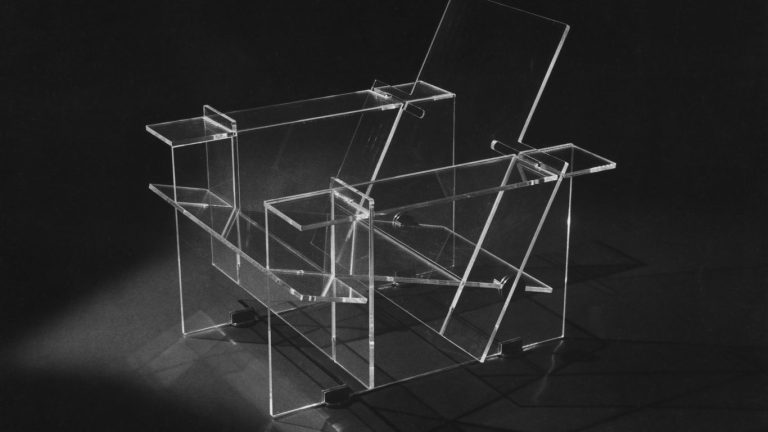
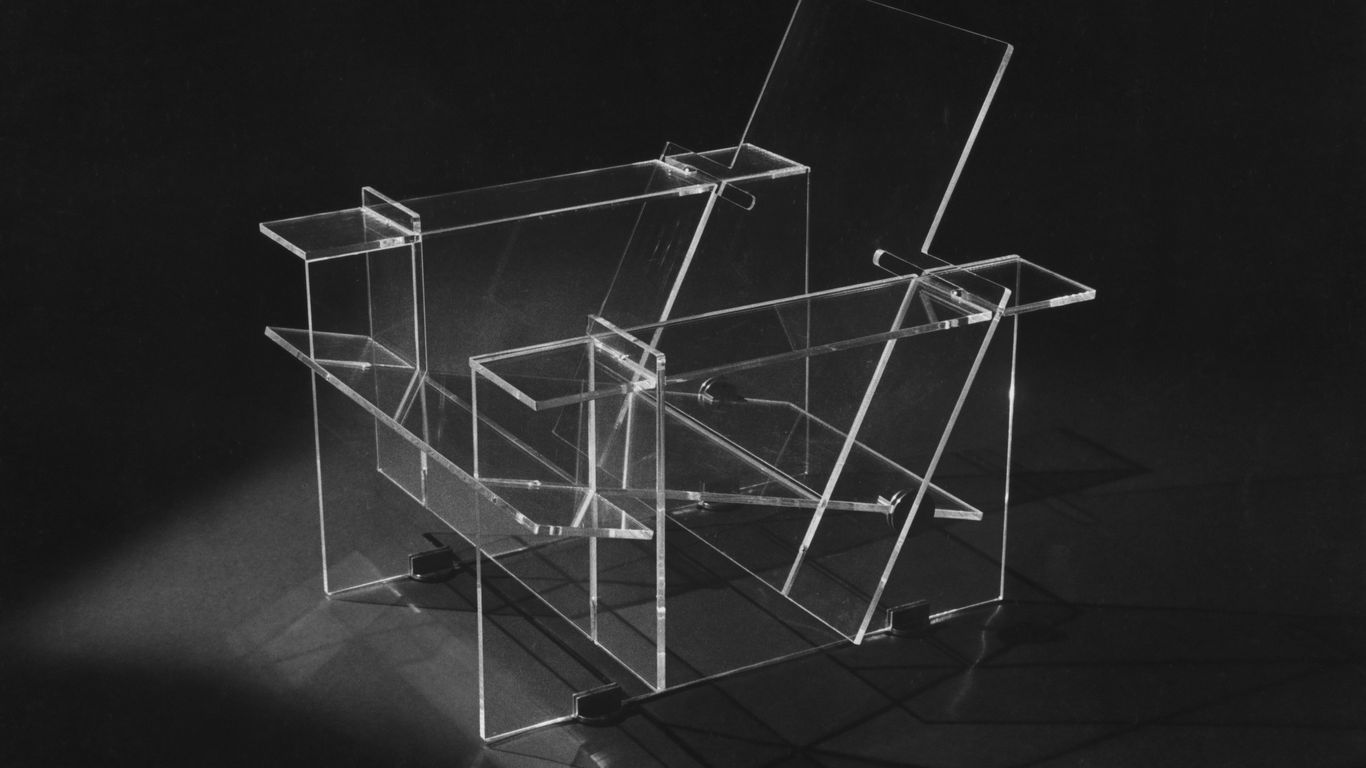
The applications for eco-friendly acrylic are really widespread. In furniture design, it offers a lightweight yet strong option that can be shaped into all sorts of modern pieces, from chairs to shelving units. Retailers are also big fans. You’ll see recycled acrylic used for display cases, kiosks, and signage because it looks good and aligns with a brand’s commitment to sustainability. It’s a material that lets designers get creative while sticking to greener principles. Plus, its recyclability means that even after its useful life in a store display, it can be repurposed into something new, continuing the cycle. This adaptability makes it a go-to material for businesses looking to be both stylish and responsible. For instance, many stores utilize recycled acrylic for display cases and shelving to minimize their environmental footprint. Sustainable acrylic sheets are increasingly influencing global purchasing decisions, and their use in retail is a prime example of this trend.
Eco-friendly acrylic provides the same visual appeal and functional benefits as traditional acrylic but is produced with a focus on reducing environmental impact. This includes using recycled content, minimizing emissions during manufacturing, and offering better recyclability at the end of its life cycle.
Comparing Sustainable Acrylic Alternatives
When we talk about eco-friendly acrylic, it’s helpful to see how it stacks up against other materials that are also trying to be kinder to the planet. It’s not just about picking the ‘greenest’ option; it’s about finding the right fit for the job while keeping sustainability in mind. Let’s break down how eco-friendly acrylic compares to some common alternatives.
Acrylic Versus Bioplastics
Bioplastics are often made from plant-based sources, which sounds great. They’re used a lot for things like disposable cutlery or packaging. However, eco-friendly acrylic generally holds up better for longer-term uses. Bioplastics can sometimes lack the toughness or flexibility needed for durable products, and they might break down too quickly for applications where longevity is key. Plus, recycling bioplastics can be tricky; many facilities aren’t equipped for them, leading to higher disposal costs. Eco-friendly acrylic, especially when made from recycled sources, is often easier to recycle without losing much quality.
Acrylic Versus Wood and Bamboo
Wood and bamboo bring a natural aesthetic that acrylic can’t quite replicate, with their unique grains and textures. Acrylic, on the other hand, offers a modern look and can be molded into complex shapes, something that’s limited with natural wood. While bamboo is fast-growing, large-scale harvesting can still cause environmental issues like soil degradation. Eco-friendly acrylic, particularly recycled versions, can offer a more controlled and often more sustainable manufacturing path for certain applications, avoiding the complexities of resource replenishment and land use associated with wood and bamboo.
Acrylic Versus Traditional Glass
When you compare acrylic to glass, the differences become pretty clear. Acrylic is significantly lighter, making it easier to handle and install, especially for large pieces. It’s also much tougher – about 17 times more impact-resistant than glass, which is a big plus for safety and durability in places like skylights or signage. Acrylic lets more light through, too, up to 92%, compared to glass’s 80-90%, which can help with energy efficiency in buildings. Both can be recycled, but recycled acrylic is finding new life in many products, from furniture to displays, showcasing its potential for repurposing in various applications.
Choosing between these materials involves looking at the whole picture: the source, the manufacturing process, the product’s lifespan, and what happens at the end of its life. Each has its place, but understanding these comparisons helps designers and consumers make more informed, sustainable choices.
Industry Adoption and Real-World Examples
It’s great to see how companies are actually using these greener acrylics. It’s not just talk anymore; real projects are happening. This shift is driven by a few things: consumers wanting better options, regulations pushing for change, and businesses realizing that being eco-friendly can actually be good for their image and their bottom line. The move towards sustainable materials is becoming a standard practice across many sectors.
Sustainable Practices in Architecture
In building design, eco-friendly acrylic is showing up in some pretty cool ways. Think about facades and skylights. Unlike regular glass, acrylic is lighter and way more resistant to breaking, which makes installation easier and safer. Plus, it lets a lot of natural light in – up to 92% in some cases. This means less need for electric lights during the day, saving energy. Buildings like The Edge in Amsterdam, known for its green credentials, use acrylic skylights to maximize daylight. It’s also being used for interior partitions, creating flexible spaces in offices and homes while still letting light flow through. These panels can be customized with different finishes, adding a modern look without sacrificing sustainability.
Eco-Conscious Advertising and Signage
When it comes to signs and displays, especially in retail, eco-friendly acrylic is a solid choice. It’s durable and can be shaped into all sorts of designs. Companies are using recycled acrylic sheets for everything from shop signs to in-store displays. This not only reduces waste but also gives products a clean, modern appearance that customers seem to like. It’s a way for brands to show they care about the environment without compromising on visual appeal. The material’s longevity means signs don’t need replacing as often, which is another win for sustainability.
Recycled Acrylic in Consumer Products
We’re also seeing recycled acrylic pop up in everyday items. Designers are incorporating it into furniture, home decor, and even packaging. For instance, some furniture makers are using recycled acrylic for tabletops or decorative elements, giving old materials a new life. It’s a way to reduce the amount of new plastic being produced. The material’s versatility means it can be adapted for many different product types, making it a go-to for brands looking to improve their environmental footprint. This trend is part of a larger movement towards a circular economy, where materials are reused and repurposed as much as possible.
The growing demand for sustainable options means that materials like recycled acrylic are becoming more accessible and cost-effective. This makes it easier for businesses of all sizes to make environmentally responsible choices in their product development and manufacturing processes.
Here’s a quick look at how acrylic stacks up against other materials in sustainable design:
| Feature | Eco-Friendly Acrylic | Traditional Glass | Bioplastics | Wood/Bamboo |
|---|---|---|---|---|
| Recyclability | High | Moderate | Varies | Moderate |
| Durability | High | Moderate | Varies | Moderate |
| Light Transmission | High (up to 92%) | High (80-90%) | Varies | Low |
| Weight | Lightweight | Heavy | Lightweight | Moderate |
| Impact Resistance | High | Low | Varies | Moderate |
Many companies are already using our solutions, and you can see how they’re making a real difference. From small businesses to large corporations, these examples show the power of what we offer. Want to learn more about how these businesses are succeeding? Visit our website to see more real-world success stories and discover how you can achieve similar results.
Looking Ahead
So, it seems like eco-friendly acrylic is really making waves. We’ve seen how it can be made from recycled stuff, which is a big win for cutting down on waste. Plus, the ways they’re making it now use less energy and fewer harsh chemicals. It’s not always the cheapest option upfront, but the idea is that it lasts longer and is better for the planet in the long run. As more companies get on board and technology keeps improving, we’ll likely see even more of this sustainable plastic showing up in everything from buildings to everyday products. It’s a good sign that we’re finding ways to get the benefits of materials like acrylic without such a heavy environmental cost.
Frequently Asked Questions
What makes acrylic eco-friendly?
Eco-friendly acrylic is made in ways that are kinder to the planet. This often means using recycled materials, like old acrylic products, or creating it with less pollution and energy. Some new types are even designed to break down naturally over time.
Is eco-friendly acrylic as strong as regular acrylic?
Yes, for the most part! Eco-friendly acrylic is made to be just as tough and useful as regular acrylic. It’s still strong, doesn’t break easily, and can last a long time, so you don’t have to replace it often.
How does eco-friendly acrylic help the environment?
It helps by reducing the amount of plastic waste that ends up in landfills. By using recycled materials, we don’t need to use as many new resources from the earth. Plus, making it often uses less energy and fewer harmful chemicals.
Can eco-friendly acrylic be recycled?
Definitely! A big plus for eco-friendly acrylic is that it can be recycled. Many types are made from recycled stuff, and they can be turned into new things again and again, helping to keep materials in use.
Is eco-friendly acrylic more expensive than regular acrylic?
Sometimes it can be a bit more costly. This is because making it using recycled materials or special low-pollution methods can take extra steps. But, its long-lasting nature can save money in the long run.
What are some common uses for eco-friendly acrylic?
You can find eco-friendly acrylic being used in all sorts of places! It’s great for signs, furniture, displays in stores, building parts like windows, and even in some everyday products. It looks good and is good for the Earth.