So, you’re looking to put up some acrylic sneeze guards for food service. It’s a smart move, really. These things aren’t just for keeping germs away, they can actually make your place look better and run smoother if you set them up right. We’ll go over some basic tips to make sure yours are doing their job without getting in the way. It’s not rocket science, but a few details can make a big difference for your customers and your staff.
Key Takeaways
- Make sure your acrylic sneeze guards for food service are high enough to block sneezes but still let people talk and see clearly. They need to be steady, too – nobody wants a wobbly guard.
- Think about how customers and staff will use the space. The guards shouldn’t make it hard to order, pay, or get food. Easy access is important.
- Cleaning is a big one. Wipe them down regularly with the right stuff so they stay clear and germ-free. Don’t let them get grimy.
- Give them a once-over now and then. Check for cracks or loose parts. Fixing small issues early stops them from becoming bigger problems.
- Show your team how to clean and care for the guards. Everyone needs to know their part in keeping the food service area safe and clean.
1. Height And Positioning
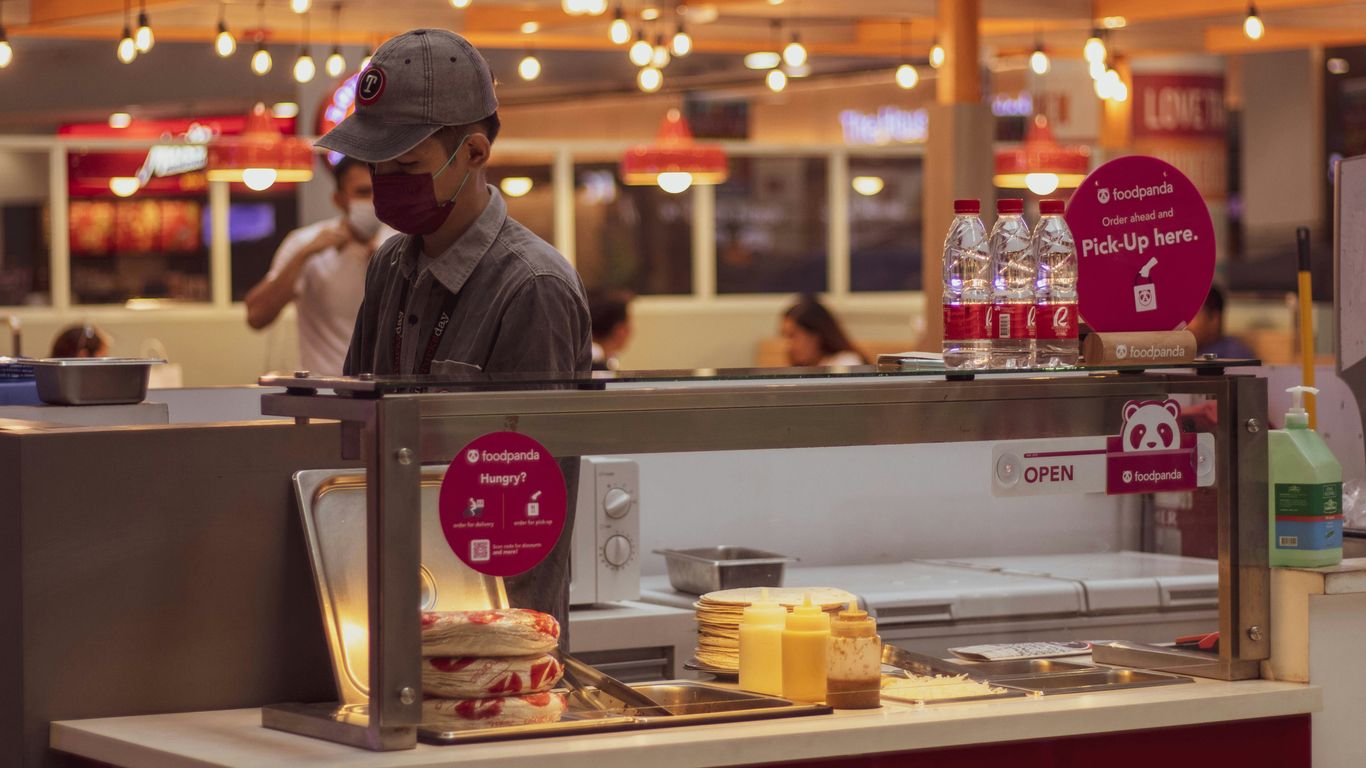
Getting the height and placement of your sneeze guards just right is pretty important for them to actually do their job. You don’t want them so low that people can easily reach over them, but you also don’t want them so high that they block the view of your food or make it awkward for customers to interact.
Generally, a good rule of thumb is to have the guard positioned so it’s a bit above the highest point of the food being displayed. This helps create a barrier against any airborne particles that might be floating around. For most setups, a height between 12 to 20 inches is usually sufficient. This range offers good protection without making the display feel closed off.
Think about where the guard sits in relation to the customer and the food. It needs to be close enough to the food to offer protection, but not so close that it interferes with serving or viewing.
Here are a few things to keep in mind:
- Clearance: Make sure there’s enough space between the bottom of the guard and the food surface. This prevents accidental contact and makes cleaning easier.
- Visibility: Position the guard so it doesn’t cast shadows or create glare that makes it hard to see the food.
- Stability: While we’ll cover this more later, the positioning also affects stability. A guard that’s too far forward or back might be more prone to tipping.
The goal is to create an effective barrier that shields the food from potential contaminants without hindering the customer’s experience or the presentation of the food itself. It’s a balance between safety and accessibility.
When you’re setting up, especially with different types of food displays or service counters, you might need to adjust the height and position slightly. For instance, a buffet line might need a different setup than a grab-and-go display. Making sure the guard is level and at the right height is key to its effectiveness in protecting displayed food from germs and contamination.
2. Stability
A sneeze guard that wobbles or tips over isn’t doing its job. It needs to be solid. Think about how it’s attached. Is it just sitting there, or is it properly secured? For freestanding units, make sure they have a wide, heavy base. This stops them from getting knocked over easily, especially in busy areas. If your guards are mounted, check that the mounts are strong and haven’t loosened over time. A stable sneeze guard provides a reliable barrier against airborne particles.
Here are a few things to look for:
- Base: A wider, heavier base is better for freestanding units.
- Mounting: Ensure any wall or counter mounts are secure and not loose.
- Material: Heavier materials like tempered glass tend to be more stable than lighter plastics, though acrylic guards can be made stable with proper framing and bases.
Don’t underestimate the importance of a sturdy setup. A guard that can’t stand up on its own, literally, won’t protect anything effectively. It’s about creating a consistent, reliable shield.
If you’re looking at custom options, ask about how the guard will be stabilized. Manufacturers like Ketchies can often build stability right into the design, considering the specific location and use.
3. Accessibility
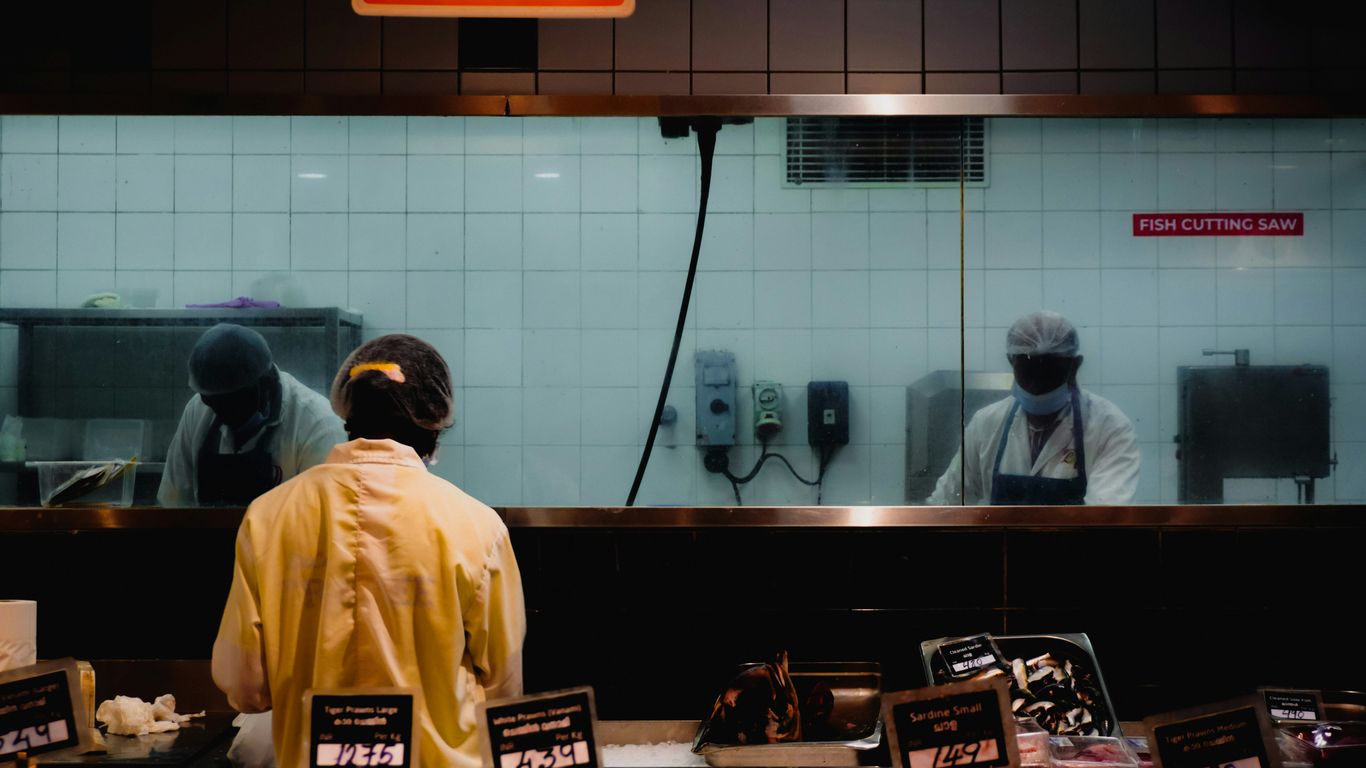
When setting up sneeze guards, it’s important to think about everyone who will be using the service area. This means considering people with disabilities and making sure the guards don’t get in the way of service.
The goal is to provide protection without creating barriers to access.
For areas where customers interact directly with staff or food, like buffets or service counters, think about how people in wheelchairs or those who are shorter might be served. Sometimes, having a section of the counter or the sneeze guard itself at a lower height can make a big difference. This is especially important for meeting ADA accessibility standards, which aim to make public spaces usable by everyone.
Here are a few things to keep in mind:
- Height Adjustments: Can the sneeze guard be adjusted, or are there different height options available for various service points?
- Clearance: Is there enough space underneath the guard for items to be passed back and forth easily, especially for transactions or self-service?
- Reach: Can staff easily reach customers or food items through or around the guard without straining?
Some sneeze guard designs are made with accessibility in mind from the start. For example, systems that tilt or have adjustable sections can help accommodate different needs. It’s about finding a balance between safety and making sure your food service is welcoming and functional for all your patrons. Thinking about these details upfront can prevent issues later on and show you care about customer experience. Making sure your sneeze guards are ADA compliant is a good step towards inclusive service.
4. Regular Cleaning
Keeping your sneeze guards clean is a big part of making sure they actually work. Think about it – a dirty guard isn’t going to block anything effectively, and it just looks bad. You’ll want to get into a routine for cleaning them.
The most important thing is to use the right cleaning stuff. Harsh chemicals can scratch the acrylic or damage any coatings. Stick to mild soap and water, or a cleaner specifically made for acrylic. You can usually find these at hardware stores or online. Just a quick wipe-down with a soft cloth should do the trick for daily upkeep.
Here’s a simple plan:
- Daily: Wipe down the guard with a damp cloth to remove any obvious smudges or food bits. This is especially important at the end of the day.
- Weekly: Give the guard a more thorough cleaning with a mild soap and water solution. Make sure to rinse and dry it completely to avoid streaks.
- As Needed: If you notice any sticky spots or build-up, address them immediately. Don’t let things sit.
It’s also a good idea to have a cleaning schedule posted somewhere visible, maybe near the cleaning supplies. This way, everyone knows what needs to be done and when. For more detailed information on maintaining display cases, you might find proper cleaning and maintenance helpful.
Remember, a clean sneeze guard isn’t just about looks; it’s about maintaining a hygienic barrier between your food and your customers. It shows you care about safety.
Don’t forget to clean both sides of the guard. Sometimes, people focus only on the customer-facing side, but the staff side gets dirty too. A good cleaning routine helps keep your custom sneeze guards looking good and doing their job.
5. Disinfection
Beyond just wiping down surfaces, proper disinfection is key to really killing off germs. Think of it as the next level of cleaning. You want to use a disinfectant that’s approved for food service areas. These are usually things like quaternary ammonium compounds or sanitizers that are specifically made for kitchens and food prep zones. Always follow the instructions on the disinfectant label for contact time – that’s how long the surface needs to stay wet for it to work.
Here’s a basic rundown:
- Choose the right product: Look for EPA-registered disinfectants that are labeled for use on food contact surfaces. Check if they require rinsing after use.
- Apply correctly: Use a clean cloth or sprayer to apply the disinfectant. Make sure you cover the entire surface.
- Allow contact time: This is super important. Let the disinfectant sit on the surface for the amount of time specified on the product label. This is usually a few minutes.
- Rinse if needed: Some disinfectants need to be rinsed off with clean water after the contact time is up, especially if they’re used on surfaces that directly touch food. Check the label.
Acrylic itself is pretty good at resisting bacteria, which helps a lot, but it still needs the right treatment to stay truly sanitary [d7ab].
Regular disinfection helps prevent the spread of illness and keeps your customers feeling safe. It’s not just about appearances; it’s about actual hygiene.
Don’t forget to disinfect the frames and any hardware holding the guard in place too. These spots can also harbor germs. Making sure your sneeze guards are regularly disinfected is a big part of keeping your food service operation running smoothly and safely.
6. Inspection
Regularly checking your sneeze guards is a must. Think of it like a quick once-over before a big event – you want to catch any issues before they become problems. You should be looking for any signs of damage, like cracks or deep scratches, that could make cleaning harder or even create places for germs to hide.
It’s also important to check how stable they are. Do they wobble? Are the mounts still tight? A guard that shifts around isn’t doing its job properly. You’ll want to make sure they’re still firmly in place, especially if they get bumped occasionally.
Here’s a quick checklist for your inspections:
- Physical Damage: Look for cracks, chips, or deep scratches on the acrylic. These can harbor bacteria and make the guard less effective.
- Stability: Gently try to move the guard. It should feel solid and secure, with no wobbling or looseness.
- Mounting Hardware: Check that all screws, bolts, or adhesive mounts are tight and in good condition.
- Clarity: Is the acrylic still clear? Hazy or discolored guards can obscure food and look unappealing.
- Cleanliness: While you clean regularly, an inspection is a good time to spot any missed spots or buildup in hard-to-reach areas.
If you notice any issues, it’s best to address them right away. Minor repairs, like tightening a screw, can often be done quickly. For more significant damage, you might need to consider replacing a section or the entire guard. Keeping your guards in top shape helps maintain a safe and appealing food display. For guards that meet strict safety standards, you might look into options that are NSF-certified.
A well-maintained sneeze guard is a sign of a clean and professional food service operation. Regular checks help prevent bigger problems down the line and keep your customers feeling confident about the food they’re choosing.
7. Staff Training
Even the best-installed sneeze guards won’t do much good if your staff doesn’t know how to use and care for them properly. Think of it like buying a fancy new tool – it’s only useful if you know which end is which and how to operate it safely. Proper training is key to making sure these barriers actually work as intended.
Your team needs to understand a few things:
- Why they’re there: Briefly explain the purpose of the sneeze guards – to protect both customers and employees from airborne particles. This helps them see the value.
- How to clean them: This isn’t just about wiping them down. They need to know what cleaning agents are safe for acrylic (no harsh chemicals or abrasive pads!) and how often to do it. A simple cleaning schedule can be helpful.
- What to do if they’re damaged: If a guard gets a crack or seems wobbly, staff should know immediately who to report it to. Ignoring small issues can lead to bigger problems down the line.
- How to interact around them: Sometimes, staff might lean on them or place items on them. Training should cover maintaining a safe distance and keeping the guard’s surface clear.
Regular, hands-on training sessions, even short ones, can make a big difference. It’s not a one-and-done thing; a quick refresher every few months keeps everyone on the same page. This helps maintain proper workplace hygiene [208d].
For example, you could create a simple checklist for daily tasks related to the sneeze guards. This might include checking for smudges, ensuring the guard is stable, and noting any damage. It’s about building good habits so that caring for the guards becomes second nature.
8. Adapting To Various Food Service Settings
Sneeze guards aren’t just for buffets anymore. They’ve become a standard piece of equipment in all sorts of places where food is served. Think about it: a busy cafe counter, a grab-and-go deli, or even a small food truck. Each spot has its own needs, and the guards need to fit in.
For a high-end restaurant, you might want something that looks good, maybe made of clear glass with a sleek frame that matches the decor. It needs to protect the food but also look like it belongs. On the other hand, a food truck needs something tough, easy to clean quickly between stops, and maybe even something that can be taken down and put back up without a fuss. Portability is key there.
Here are a few things to consider when picking guards for different places:
- Portability: Does it need to move? Some setups, like mobile food carts, require guards that can be easily taken apart or folded away. Permanent installations are sturdier but less flexible.
- Durability: What’s the daily wear and tear like? Acrylic is lighter and cheaper, but glass tends to hold up better against scratches and might feel more substantial. Think about how often it will be bumped or wiped down.
- Flexibility: Can it handle different types of food? Modular designs with adjustable shelves are great for places that change their offerings often. This allows you to adjust the space based on what you’re displaying.
The main goal is always to keep food safe from germs and people’s coughs or sneezes. But how you do that can change a lot depending on where you are and what kind of food you’re serving. It’s about finding that balance between safety and making the food look appealing and accessible.
Some places might even need guards that can be customized to fit odd counter shapes or specific display cases. It’s not a one-size-fits-all situation. You might need to look into custom options if standard sizes just won’t cut it. For example, a bakery might need a guard that allows customers to see and point to specific pastries without the staff having to reach over the food. This is where clear acrylic barriers can be really useful because they offer good visibility and protection.
9. Innovative Layouts
Sneeze guards aren’t just static barriers anymore; they’re becoming part of a dynamic food service setup. Think about modular designs that can be shifted around depending on the day’s specials or the flow of customers. Some places are using adjustable sneeze guards that can be raised or lowered, or even retracted when they’re not needed, like during off-peak hours or for special events. This flexibility helps keep the space feeling open and adaptable.
We’re also seeing more creative ways to integrate these guards into different service models. For example, in a buffet setting, you might have sneeze guards that curve around specific food stations, offering protection without creating awkward dead zones. Or consider counter service where the guard might have a built-in pass-through slot that’s just the right size for quick transactions, making things smoother for both staff and customers. The goal is to make the sneeze guard work with the layout, not against it.
Here are a few ideas for innovative layouts:
- Modular Systems: Guards that can be easily connected or disconnected to create different configurations.
- Retractable Options: Guards that can be pulled back when not in use, freeing up space.
- Curved or Angled Designs: Guards that follow the natural lines of a counter or food display.
- Integrated Pass-Throughs: Built-in slots or openings designed for efficient service.
It’s all about finding solutions that maintain safety while also improving the customer experience and operational efficiency. Sometimes, even simple hardware can make a big difference in how a sneeze guard functions within a space. For instance, specialized hanging hardware can allow for guards to be suspended from ceilings, freeing up counter space and offering a different aesthetic hanging sneeze guard hardware.
Thinking outside the box with sneeze guard placement and design can lead to a more functional and visually appealing environment. It’s about adapting the protection to fit the specific needs of the operation, rather than forcing the operation to fit around the protection.
10. Material And Design Innovations
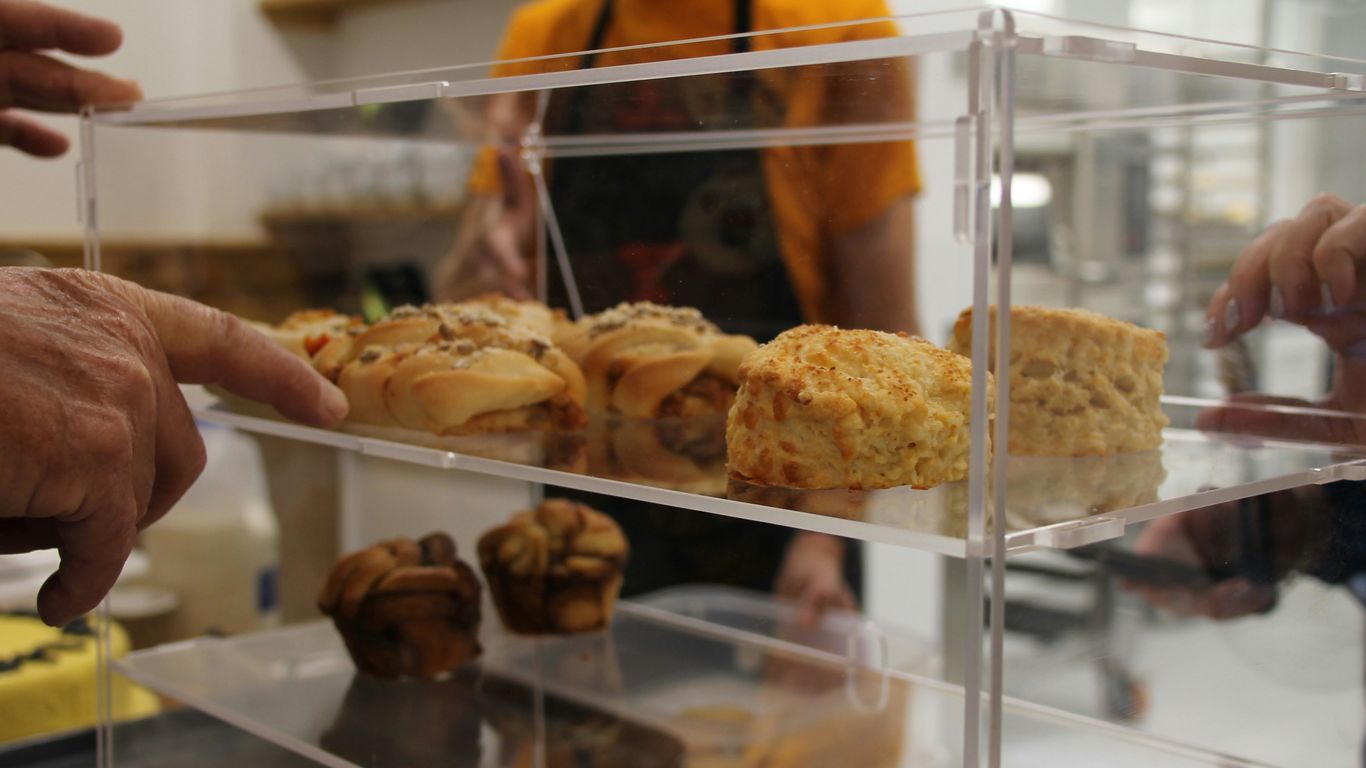
The world of sneeze guards isn’t just about basic protection anymore. Manufacturers are really stepping up their game with new materials and smarter designs. We’re seeing a move towards materials that are not only clear and tough but also look good. Think about acrylic and polycarbonate, which are lighter and often more affordable than glass, but still do a great job of blocking sneezes. Some newer options even incorporate features like built-in LED lighting to make your food displays pop, or UV-C lights that can help with sanitation.
These guards are becoming more than just a barrier; they’re becoming part of the overall look of a food service area. Designs are getting sleeker, with less bulky hardware, so they blend in better with modern decor. It’s all about finding that balance between keeping things safe and making the space look appealing.
Here are a few things to consider when looking at new options:
- Durability: How well does the material hold up to daily use and cleaning?
- Clarity: Does it offer a clear view of the food without distortion?
- Ease of Maintenance: Can it be cleaned easily without scratching or clouding?
- Aesthetics: Does the design complement your establishment’s style?
The focus is shifting towards guards that are not only functional but also contribute positively to the customer experience and the overall ambiance of the dining area.
Some companies are even integrating technology, like touchless payment systems or digital menus, right into the sneeze guard itself. It’s a way to make service more efficient and maybe even a bit more futuristic. For businesses looking to upgrade, exploring these new food shield models can offer a significant improvement in both safety and presentation.
Discover how we’re pushing the boundaries in material and design! We’re always exploring new ways to make our products better and more exciting. Want to see the latest in acrylic innovation? Visit our website to learn more about our cutting-edge work.
Wrapping Up
So, putting up these acrylic sneeze guards is pretty straightforward if you follow the steps. It’s not just about slapping them up, though. Making sure they’re sturdy and clean is key to them actually doing their job. Keeping them in good shape means regular wipe-downs and checking for any wobbly bits. Doing this right helps keep everyone safer and makes your food service look more professional. It’s a simple step that makes a big difference in how customers feel about your place.
Frequently Asked Questions
How high should a sneeze guard be?
Sneeze guards should be placed high enough to effectively block any airborne germs. Think of it like a shield that needs to cover the entire area where food is served or displayed. Usually, this means it’s above head level to catch sneezes and coughs before they reach the food.
How do I make sure a sneeze guard stays put?
It’s super important that sneeze guards are stable and don’t wobble or fall over. They need to be attached securely, whether that’s by mounting them to the counter, ceiling, or using a sturdy base. This keeps everyone safe and ensures the guard does its job.
Can customers still reach the food easily with a sneeze guard?
Yes, good sneeze guard setups allow customers and staff to get food without a hassle. The design should make it easy to serve or grab items while still keeping a protective barrier in place. It’s all about finding that balance between safety and convenience.
How often should sneeze guards be cleaned?
You should clean sneeze guards regularly, like every day. Use a mild cleaner that won’t scratch the material. This keeps them clear and hygienic, making sure they look good and work well.
What’s the best way to disinfect a sneeze guard?
After cleaning, it’s a good idea to use a disinfectant, especially on spots where people touch it a lot. Make sure to use a cleaner that’s safe for the material of the sneeze guard and effective at killing germs.
What should I do if a sneeze guard gets damaged?
If you notice any cracks, wobbling, or other damage to a sneeze guard, you need to fix it right away or replace it. A damaged guard might not protect as well, so it’s important to keep them in good shape.