Picking the right plastic for your project can feel like a puzzle. You’ve got acrylic, which looks super clear and pretty, and then there’s PETG, which seems a bit tougher. They both get used for a lot of things, but they’re not really interchangeable. We’re going to break down what makes each one tick, so you can stop guessing and start making.
Key Takeaways
- For projects where looking crystal clear is the main goal, like fancy displays or signs, acrylic is usually the way to go. It’s got that glass-like shine.
- If your project needs to handle bumps, drops, or general roughhousing without breaking, PETG is the stronger contender. Think protective shields or machine guards.
- When it comes to actually making things, PETG is often a bit easier to work with. It bends and forms without fuss, and it’s less likely to crack during cutting or shaping.
- Acrylic is generally cheaper than PETG, so if you’re on a tight budget and don’t need extreme toughness, it might be your best bet.
- Think about where the final product will live. Acrylic isn’t great with harsh sun or chemicals, but PETG can handle a bit more of that, though it’s not as clear.
Understanding Acrylic And PETG Properties
When you’re trying to figure out which plastic to use for a project, it helps to know what each one is actually good at. Acrylic and PETG are both clear plastics, but they have some pretty different traits. Think of it like choosing between a really clear window pane and a super tough, shatterproof shield – they both let you see through, but they’re built for different jobs.
Optical Clarity And Transparency
Acrylic, often known by brand names like Plexiglas, is famous for being crystal clear. It lets a lot of light through, usually around 92%, which is why it’s often used when you want things to look really sharp and see-through, like in display cases or fancy signs. PETG is also clear, but it’s not quite as perfect as acrylic. It lets about 90% of light pass through. While it’s still good for seeing things, like protective barriers, it doesn’t have that same glass-like sparkle that acrylic does.
Impact Resistance And Durability
This is where PETG really shines. It’s much tougher than acrylic and doesn’t crack or shatter as easily. If your project needs to withstand bumps, drops, or general rough handling, PETG is usually the better pick. Acrylic, on the other hand, is a bit more brittle. It can crack if it takes a hard hit, so it’s better suited for places where it won’t be knocked around too much. For applications where impact is a concern, PETG is a solid choice.
Chemical Resistance Characteristics
When it comes to standing up to chemicals, PETG generally has an edge over acrylic. It can handle a wider range of substances without breaking down. Acrylic is okay with some things, but certain solvents can cause it to degrade over time. This means if your project might come into contact with various chemicals, PETG might offer more peace of mind.
Both materials have their strengths, and understanding these basic properties is the first step in deciding which one will work best for what you need to build. It’s not just about looks; it’s about how the material will perform over time and under different conditions.
Here’s a quick look at how they stack up:
- Acrylic: Excellent clarity, good scratch resistance, but can be brittle.
- PETG: Great impact resistance, good chemical resistance, but slightly less clear than acrylic.
Choosing the right material often comes down to balancing these properties against the demands of your specific project. For instance, if you need a perfectly clear, scratch-resistant surface for a display that won’t be hit, acrylic might be ideal. But if you’re making a safety shield that needs to absorb impacts, PETG is the way to go. You can find more details on PETG plastic properties if you want to dig deeper.
Key Differences In Material Performance
Understanding how acrylic and PETG perform in real-world conditions is important for any fabrication project. These materials might look similar, but they bring different strengths to the table, especially when project needs get specific. Let’s break down the biggest ways they differ when it comes to handling heat, bending without breaking, and staying scratch-free.
Temperature Tolerance And Heat Resistance
Acrylic can handle higher temperatures before it starts deforming compared to PETG. For many indoor uses, this doesn’t matter much, but as soon as you have elevated temperatures or potential for heat buildup—like lighting covers or displays near heat—these differences come into play.
| Property | Acrylic | PETG |
|---|---|---|
| Heat Deflection | ~195°F / 90°C | ~158°F / 70°C |
| Melting Point | ~320°F / 160°C | ~500°F / 260°C |
- Acrylic holds its shape better at higher room temperatures.
- PETG is more likely to warp or lose rigidity when exposed to heat for long periods.
- Neither is the best for extreme heat; they each have clear limits for outdoor or industrial environments.
If you’re working on a sign or cover that sits near something warm, acrylic’s heat tolerance may give it an edge.
Flexibility Versus Rigidity
Both materials are strong, but they react very differently to bending and force.
- PETG is noticeably more flexible. You can bend it without it snapping, and it’s much less likely to crack during handling or installation.
- Acrylic, on the other hand, is rigid. It feels stiffer and more glass-like, but that also makes it prone to breaking under stress.
- For curved shapes, or parts that get handled a lot, PETG is easier to work with and won’t shatter as quickly if dropped.
Here’s a quick summary:
- PETG: Flexible, tough, resists cracking, good for parts that get knocked around.
- Acrylic: Rigid, maintains flatness and sharp corners, best where shape and appearance matter most — even more so for signage or custom displays (more on acrylic’s fabrication strengths).
Scratch Resistance Comparison
This is a big divider between these two plastics. Acrylic is simply less prone to getting scratched up, giving it a longer-lasting clean look.
- Acrylic has a harder surface, so it resists marks from keys, scuffs, or everyday use.
- PETG, while durable in most other ways, can get surface scratches fairly easily. In high-contact spots, it can lose its gloss quickly.
| Property | Acrylic | PETG |
|---|---|---|
| Scratch Resistance | Excellent | Moderate |
| Buffing Ability | Easy | Can haze |
A few practical points:
- Acrylic is better for displays, cases, or panels where clarity and uninterrupted looks matter.
- PETG works well for protective guards or barriers in busy areas, but don’t expect it to look flawless if there’s lots of contact.
- For either material, you can find versions with extra coatings to add UV or scratch protection, but this raises costs.
When appearance and lasting clarity matter, scratch resistance puts acrylic ahead of PETG, but if you need flexibility more than a perfect finish, PETG wins out.
Want a more hands-on comparison? Some resources highlight machining and shaping differences between these materials if you’re working on advanced projects.
Fabrication And Workability Considerations
When you’re getting ready to make something out of acrylic or PETG, how easy it is to work with can really make a difference. It’s not just about the final look, but also about the process of getting there. Both materials have their own quirks, and knowing them beforehand saves a lot of headaches.
Ease Of Machining And Cutting
Both acrylic and PETG can be cut and machined, but they behave differently. Acrylic, while rigid, can be prone to chipping or cracking if you’re not careful, especially with thinner sheets. It often requires slower speeds and sharp tooling to get a clean edge. PETG, on the other hand, is a bit more forgiving. It’s less brittle, so it tends to cut more cleanly without the same risk of cracking. This makes it a good choice if you’re doing a lot of intricate cutting or if your equipment isn’t top-of-the-line.
Here’s a quick look at how they generally compare:
| Feature | Acrylic | PETG |
|---|---|---|
| Cutting | Can chip or crack if not careful | Cuts cleanly, less prone to cracking |
| Drilling | Can craze (develop fine cracks) | Drills well, less risk of crazing |
| Machining | Requires sharp tools, slower speeds | More forgiving, handles higher speeds |
| Edge Finish | Can be polished to a glass-like finish | Edges can be slightly softer |
Thermoforming Capabilities
Thermoforming, or heating and shaping plastic, is where PETG really starts to shine. It has a lower forming temperature than acrylic and a wider processing window, meaning it’s less likely to burn or degrade when you’re heating it up. This makes it easier to achieve complex shapes without defects. Acrylic can be thermoformed, but it requires more precise temperature control and can be more susceptible to sagging or distorting if not handled correctly. For intricate curves or deep draws, PETG is often the preferred material.
Polishing And Finishing Techniques
Getting that perfect, smooth finish is important for many projects. Acrylic is well-known for its ability to be polished to a very high sheen, almost like glass. You can often buff out minor scratches or imperfections to restore its clarity. PETG can be polished, but it typically doesn’t achieve the same level of optical brilliance as acrylic. Its surface might remain slightly softer, making it more susceptible to fine scratches over time, though it’s generally more resistant to shattering than acrylic. If a mirror-like finish is your top priority, acrylic usually has the edge.
When considering fabrication, think about the tools you have available and the level of precision you need. PETG often offers a smoother workflow for many common fabrication tasks due to its inherent flexibility and lower risk of breakage during processing. This can translate to less material waste and a quicker turnaround time for your projects.
For applications where a pristine, glass-like finish is paramount, acrylic is often the go-to. However, if your project involves complex curves or requires a material that can withstand more abuse during the forming process, PETG might be the more practical choice. Understanding these differences helps in selecting the right material for a successful fabrication outcome, whether you’re creating custom displays or functional parts.
Applications Favoring Acrylic
When you need that crystal-clear, glass-like finish, acrylic often takes the lead. It’s a go-to material for projects where appearance is just as important as function, especially when you’re aiming for a high-end look.
Design and Aesthetic Projects
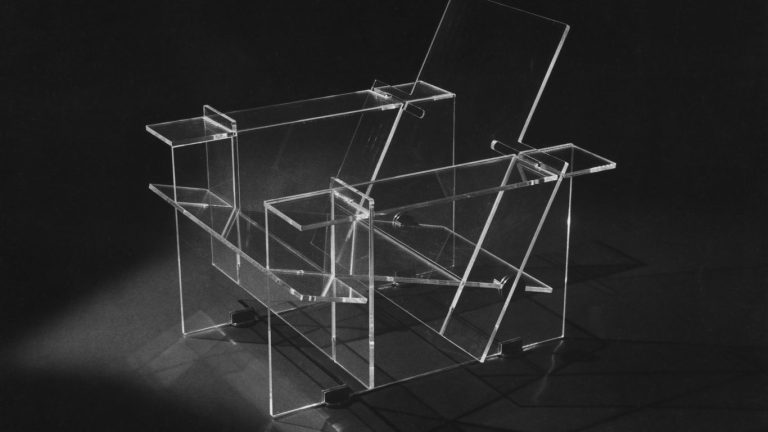
Acrylic really shines when the visual appeal is a top priority. Its superior optical clarity means it looks incredibly clean and professional. This material is fantastic for creating custom shapes and intricate designs that need to be seen clearly. Think about custom furniture pieces, decorative elements, or even artistic installations where light plays a big role. It’s easy to work with, allowing for precise cuts and smooth finishes that really make a design pop. Because it’s so workable, you can achieve complex forms that might be difficult or impossible with other materials.
Signage and Display Cases
For anything that needs to grab attention and showcase products or information, acrylic is a solid choice. Its transparency is excellent for display cases, whether you’re protecting valuable items in a museum or showing off merchandise in a retail store. It’s also a popular material for indoor and outdoor signage because it holds color well and can be easily shaped into eye-catching letters or logos. The way it handles light makes signs look bright and inviting. Plus, its natural resistance to UV rays means it won’t yellow or degrade quickly when exposed to sunlight, which is a big plus for long-term use.
Indoor Applications Requiring Clarity
In many indoor settings, acrylic is chosen simply because it looks good and performs well. It’s often used for things like partitions in offices or restaurants, tabletops, shelving, and even brochure holders. Its ability to be easily cleaned and maintained makes it practical for everyday use. While it’s not as tough as some other plastics when it comes to impacts, for environments where it won’t be subjected to heavy abuse, its clarity and smooth surface are hard to beat. It offers a good balance of looks and practicality for many common indoor needs.
Acrylic’s inherent rigidity and glass-like appearance make it ideal for applications where a premium aesthetic is desired and extreme impact resistance isn’t the primary concern. Its ease of fabrication allows for detailed customization, making it a versatile material for creative and functional indoor uses.
Applications Favoring PETG
When you need a material that can take a hit and keep on going, PETG really steps up. It’s not just about being tough, though; it’s about offering a solid balance of properties that make it a go-to for some pretty specific jobs.
Safety and Security Shielding
PETG’s standout feature is its incredible impact resistance. This makes it a top choice for anything where safety is the main concern. Think about places where people could get hurt if something breaks or shatters. PETG is much less likely to crack or break apart compared to acrylic, which is a huge plus when you’re trying to protect people.
- Machine Guards: Protecting workers from moving machinery is critical. PETG guards can withstand impacts from flying debris or accidental bumps without shattering.
- Face Shields and Safety Glasses: For personal protective equipment, PETG offers a clear view while providing a strong barrier against impacts and splashes.
- Protective Enclosures: Sensitive equipment or valuable items can be shielded from accidental damage with enclosures made from PETG.
PETG’s ability to absorb impact without failing makes it a reliable material for safety applications where failure is not an option.
Protective Barriers and Guards
Beyond personal safety, PETG is excellent for creating barriers that need to withstand physical stress. This could be anything from preventing the spread of germs to protecting displays in busy public areas. Its clarity means you can still see through it, but its toughness means it won’t easily get damaged.
- Sneeze Guards: Commonly seen at service counters, these barriers help maintain hygiene. PETG is easy to clean and durable enough for constant use.
- Point-of-Purchase Displays: In retail environments, displays can take a beating. PETG can protect products and graphics while remaining visually appealing.
- Aquarium Tanks: While acrylic is often used for aquariums due to its lighter weight and moldability, PETG can be a good alternative for smaller tanks or specific applications where its superior shock resistance is particularly beneficial.
Applications Requiring High Impact Strength
Whenever a project demands a material that won’t easily break, crack, or shatter, PETG should be on your radar. It offers a level of durability that acrylic simply can’t match in these scenarios. This makes it suitable for parts that might experience stress, vibration, or direct impact during their use.
| Feature | Acrylic | PETG |
|---|---|---|
| Impact Resistance | Moderate (prone to cracking) | Excellent (shatter-resistant) |
| Flexibility | Rigid | More flexible than acrylic |
| Chemical Resistance | Good | Better than acrylic |
| Temperature Limit | Softens around 160°C (320°F) | Stable up to ~80°C (176°F) |
| Optical Clarity | Exceptional | Very good (slightly less than acrylic) |
PETG’s combination of toughness, clarity, and ease of fabrication makes it a practical choice for many demanding applications where acrylic might fall short.
Environmental And Safety Aspects
When you’re picking between acrylic and PETG for a project, it’s not just about how they look or how tough they are. You also have to think about what happens to them and how safe they are to use, especially over time.
Recyclability And Sustainability
This is where PETG often gets a nod. It’s generally considered more eco-friendly than acrylic. PETG can be recycled, and its production process tends to have a smaller environmental footprint. Acrylic, while it can be recycled, isn’t always as straightforward, and its manufacturing can involve more greenhouse gas emissions. If sustainability is a big part of your project’s goals, PETG might be the better pick. There are even eco-friendly acrylic options available now, focusing on recycled content and energy-efficient production, which helps reduce their overall impact.
Food Safe And Medical Grade Options
Both materials can be found in grades suitable for contact with food or for medical applications, but it’s important to check the specific product’s certification. PETG is often favored for food containers and medical device enclosures because of its good chemical resistance and durability. Acrylic is also used in medical equipment, partly due to its exceptional durability and safety features, being much less likely to shatter than glass. Always verify the material’s grade and certifications for these sensitive applications.
UV Resistance And Outdoor Use
If your project is going to live outside, UV resistance is a big deal. Standard acrylic actually holds up pretty well against UV light, meaning it won’t yellow or become brittle as quickly when exposed to the sun. PETG, on the other hand, typically needs special UV-stabilized versions to perform well outdoors. Without that treatment, it can degrade faster under prolonged sun exposure. So, for outdoor signage or structures, you’ll want to look for UV-resistant acrylic or specifically formulated PETG.
Choosing the right material involves looking beyond the immediate fabrication needs. Considering the long-term environmental impact, safety for specific uses, and how the material will hold up to environmental factors like sunlight is key to a successful and responsible project.
Cost-Effectiveness Analysis
When you’re figuring out what material to use for a project, the price tag is always a big part of the conversation. Both acrylic and PETG offer different value propositions, and understanding their costs can help you make the right choice without breaking the bank.
Acrylic Material Pricing
Acrylic generally sits at a competitive price point, especially when you compare it to other clear plastics like polycarbonate. It’s often seen as a budget-friendly option for applications where its specific properties, like superior optical clarity, are needed. You’ll find that for standard sheets, acrylic is quite accessible, making it a go-to for many common fabrication needs. However, specialized grades or thicker sheets can, of course, increase the overall cost.
PETG Material Pricing
PETG can sometimes be a bit more expensive than basic acrylic, but it often provides a better value when you consider its enhanced durability and ease of fabrication. This means you might pay a little more upfront, but you could save on labor, waste, or replacement costs down the line. PETG is significantly cheaper than polycarbonate, costing 35-45% less per kilogram as raw resin. This cost difference extends to finished sheets, making PETG a more economical choice for applications like light covers, signs, and LED lenses where cost is a primary consideration. Its flexibility during fabrication also means less material waste from cracking or breakage, which adds to its cost-effectiveness.
Value Proposition For Each Material
Choosing between acrylic and PETG often comes down to what you get for your money. Acrylic is great if you need that glass-like look and excellent scratch resistance without a huge expense. It’s a solid choice for indoor displays and signage where impact isn’t a major concern. PETG, on the other hand, offers a strong balance of toughness and workability. While it might cost slightly more per sheet than basic acrylic, its superior impact resistance means fewer breakages during manufacturing and use. This makes it a smart investment for protective barriers or items that will see a lot of handling.
Here’s a quick look at how they stack up:
- Acrylic: Best for applications prioritizing optical clarity and scratch resistance where impact is minimal. Generally lower upfront material cost.
- PETG: Ideal for projects needing high impact strength and easier fabrication. Offers better value when durability and reduced waste are factored in.
The perceived cost-effectiveness of a material isn’t just about the price per square foot. It’s also about how well it performs in its intended environment, how easily it can be worked with, and how long it lasts before needing replacement. Sometimes, paying a bit more for a tougher, more forgiving material like PETG can save money in the long run.
Comparing Acrylic vs PETG For Fabrication
When To Choose Acrylic
When you’re aiming for that crystal-clear look, acrylic is often the go-to. It’s got this amazing optical clarity that really makes colors pop and details sharp. Think of those high-end display cases or sleek signage where every bit of transparency matters. It’s also pretty easy to work with for decorative stuff, like cutting intricate shapes or getting a super smooth, polished edge. Acrylic is your best bet when aesthetics and visual perfection are the top priorities. It’s generally a bit easier on the wallet too, which is always a plus for projects where budget is a concern.
- Exceptional optical clarity for visual appeal.
- Easier to achieve a high-gloss, polished finish.
- More cost-effective for large-scale aesthetic projects.
- Good for indoor applications where impact isn’t a major factor.
Acrylic’s brittleness means you have to be a bit more careful during fabrication. It can crack if you’re too rough with it, especially around drilled holes or sharp corners. So, if your project involves any kind of stress or potential impact, you might want to reconsider.
When To Choose PETG
PETG really shines when you need a material that can take a beating. It’s way tougher than acrylic and won’t shatter as easily. This makes it perfect for safety shields, machine guards, or anything that might get bumped or hit. It’s also more flexible, so you can bend it into different shapes without worrying about it cracking. If you need something that’s both clear and incredibly durable, PETG is the way to go. It’s also a good choice if you’re looking for materials that are more environmentally friendly, as it’s more recyclable than acrylic. You can find PETG in food-safe grades too, which opens up possibilities for kitchen or medical applications.
- Superior impact resistance for safety applications.
- Better flexibility for forming curves and bends.
- Good chemical resistance for various environments.
- Available in food-safe and medical-grade options.
PETG is a popular choice for fabricators because it’s known for its toughness, being stronger than acrylic and comparable to polycarbonate for many applications. This makes it a reliable material for demanding uses.
Project Requirements Dictating Choice
Ultimately, the decision between acrylic and PETG comes down to what your project actually needs. If you’re building a fancy picture frame or a clear tabletop for a low-traffic area, acrylic’s clarity and polish might be ideal. But if you’re making a protective barrier for a workshop or a clear cover for machinery, PETG’s impact resistance is non-negotiable. Consider these points:
- Impact Resistance: How likely is the material to be hit or stressed? PETG is much better for high-impact scenarios.
- Optical Clarity: How important is perfect, glass-like transparency? Acrylic generally wins here.
- Environmental Exposure: Will it be outdoors or exposed to chemicals? PETG often handles these conditions better.
- Forming Needs: Do you need to bend or shape the material significantly? PETG’s flexibility is a big advantage.
- Budget: While prices can vary, acrylic is often the more budget-friendly option for purely aesthetic needs.
For applications requiring complex shapes, PETG plastic excels in thermoformability, making it a strong contender against acrylic. While acrylic boasts better UV resistance and optical clarity, PETG provides a more robust and adaptable material for various fabrication needs.
Material Behavior In Real-World Use
Performance Under Stress
When we talk about how these materials hold up after they’re made into something, it really comes down to what they’re going to face. Acrylic, while looking sharp and clear, can be a bit of a diva. It’s more prone to cracking if it gets hit hard or if there’s a lot of pressure applied unevenly. Think of it like a really nice glass vase – beautiful, but you wouldn’t want to drop it. PETG, on the other hand, is built tougher. It’s got more give, so it can take a punch, or a bump, without shattering. This makes it a better pick when the fabricated part might get knocked around a bit.
Durability in High-Traffic Environments
For places where lots of people are around, like busy shops or public areas, durability is key. Acrylic can scratch more easily, which might not be a big deal for a display case that’s mostly just looked at, but it’s not ideal for something people are constantly touching or brushing against. PETG holds up better against impacts and general wear and tear in these kinds of spots. It’s less likely to show scuffs and dings, keeping its appearance for longer. This makes PETG a more practical choice for protective barriers or guards in areas with a lot of foot traffic.
Long-Term Wear and Tear
Over time, how do they age? Acrylic generally does well indoors, especially if it’s not exposed to harsh sunlight, maintaining its clarity. However, prolonged exposure to UV rays can cause it to yellow or become brittle. PETG, while not inherently UV resistant, can be formulated with stabilizers for outdoor use. Without these, it can degrade faster than acrylic in direct sunlight. For general wear and tear, PETG’s inherent toughness means it’s less likely to develop stress fractures or become brittle compared to acrylic over extended periods, especially if it experiences minor flexing or vibration. It’s a bit like comparing a sturdy work boot to a fancy dress shoe; one is built for the long haul in tough conditions, the other for looking good in controlled environments.
Here’s a quick look at how they generally stack up:
- Acrylic:
- Excellent clarity, good for aesthetics.
- More prone to cracking under impact.
- Can degrade with prolonged UV exposure.
- Good scratch resistance on the surface.
- PETG:
- Very good clarity, slightly less than acrylic.
- Significantly more impact-resistant, less brittle.
- Better chemical resistance.
- Can be more flexible, which helps during installation and use.
When deciding, think about the environment the final product will live in. Is it a quiet, indoor display, or a busy, potentially rough-and-tumble area? The answer will point you toward the right material. For many applications requiring a balance of toughness and clarity, PETG often proves its worth over time, especially when compared to acrylic’s susceptibility to impact damage. You can find more details on PETG’s impact resistance if you need to compare it further.
Specific Fabrication Techniques
When you’re getting ready to make something out of acrylic or PETG, how you work with them matters a lot. They’re both plastics, sure, but they act differently when you try to cut, shape, or finish them. Understanding these differences can save you a lot of headaches and make sure your project turns out right.
Laser Cutting and CNC Machining
Both acrylic and PETG can be cut with lasers and CNC machines, but there are nuances. Acrylic generally cuts very cleanly with a laser, often leaving a polished edge that needs little to no extra work. It’s also pretty straightforward to machine with CNC routers. PETG, on the other hand, can sometimes melt a bit during laser cutting, which might require adjusting settings or a bit more cleanup. However, it’s known to machine well with CNC equipment, producing precise cuts with minimal chipping, which is great for functional parts that require strength.
- Acrylic: Typically produces a flame-polished edge with laser cutting. Can be prone to chipping or cracking with aggressive CNC machining if not properly supported.
- PETG: Laser cutting may require specific settings to avoid melting. CNC machining is generally smooth, with less risk of cracking than acrylic.
The key is often in the tooling and settings. What works perfectly for one material might need significant tweaking for the other.
Vacuum Forming and Pressure Forming
When it comes to shaping these plastics with heat, PETG often has an edge. It has a lower forming temperature and a wider processing window, meaning it’s more forgiving and less likely to crack or degrade during the process. This makes it a popular choice for complex shapes. Acrylic can be thermoformed, but it requires more careful temperature control and can be more brittle, increasing the risk of defects.
- PETG: Lower forming temperatures, greater flexibility, and a wider processing window make it easier to achieve complex shapes without defects.
- Acrylic: Requires precise temperature control and can be more prone to cracking or stress marks during forming.
3D Printing Compatibility
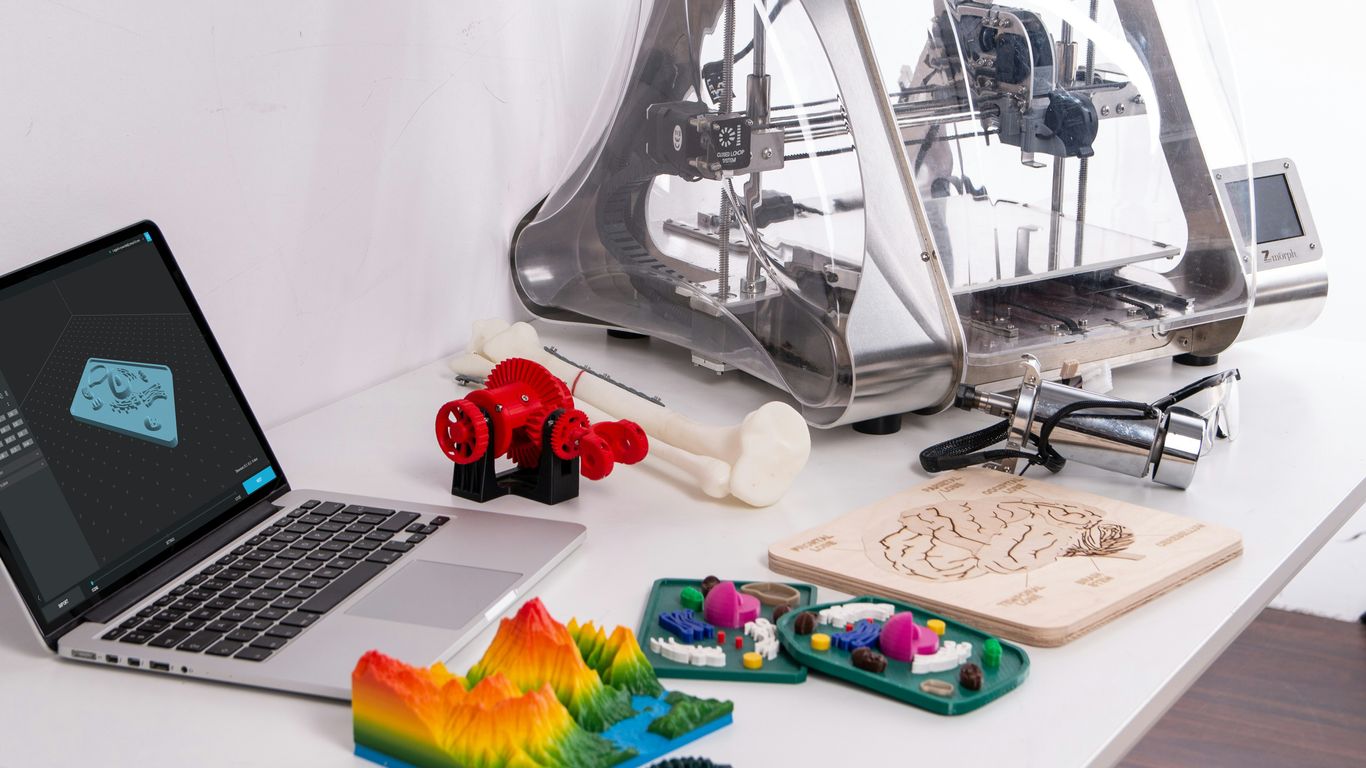
PETG has become a go-to material for many 3D printing enthusiasts and professionals. It offers a good balance of strength, flexibility, and ease of printing. It’s tougher than PLA and warps less than ABS, making it a reliable choice for functional prototypes and end-use parts. Acrylic, while not typically used in filament form for standard FDM 3D printing, is sometimes used in specialized resin-based printing processes. For most common 3D printing needs, PETG is the clear winner.
- PETG: Widely used in FDM 3D printing, known for its strength, durability, and relatively easy printing process.
- Acrylic: Not commonly used in standard FDM 3D printing filaments. Its use is more specialized in other 3D printing technologies.
PETG’s ease of forming and printing makes it a versatile option for many fabrication projects.
When it comes to building with acrylic, we use some really cool methods to get things just right. From bending and shaping to precise cutting, our team knows all the tricks to make your project look amazing. Want to see how we bring ideas to life? Visit our website to explore our gallery and learn more about our special building techniques!
Wrapping It Up
So, when it comes down to it, picking between acrylic and PETG really just depends on what you need the final piece to do. If you’re going for that super clear, almost glass-like look and it won’t be taking a beating, acrylic is probably your guy. It’s often a bit easier on the wallet too. But if you need something that can handle bumps, drops, or maybe some chemicals, and you’re okay with slightly less perfect clarity, PETG is a solid choice. It’s tougher, more flexible, and generally a bit more forgiving to work with, especially if you’re bending or forming it. Think about where it’s going and what it’ll go through, and you’ll figure out which plastic fits the bill.
Frequently Asked Questions
Which is clearer, acrylic or PETG?
Acrylic is clearer than PETG. Acrylic lets more light pass through and looks almost like glass, making it a great choice for things like display cases and signs where you want to see through clearly.
Is PETG stronger than acrylic?
Yes, PETG is stronger and less likely to break if dropped or hit. It is more flexible, so it can bend without cracking, which makes it good for protective shields and barriers.
Can I use acrylic or PETG outside?
Acrylic does better in the sun because it naturally resists UV rays and doesn’t turn yellow quickly. PETG can be used outside too, but it may need special UV protection to last a long time.
Which material is safer for food or medical use?
PETG is often used for food containers and medical equipment because it is food-safe and doesn’t react with most chemicals. Acrylic is not usually used for food or medical items.
Is it easier to cut and shape acrylic or PETG?
PETG is easier to cut, drill, and shape without cracking. Acrylic can crack if you’re not careful, so you need to take your time when working with it.
Can I polish both acrylic and PETG to a shiny finish?
Acrylic can be polished to a very shiny, glass-like finish. PETG is harder to polish and usually doesn’t look as clear and shiny as acrylic after polishing.
Which material costs less?
Acrylic usually costs less than PETG. If you’re working on a budget and don’t need extra strength, acrylic is a good choice.
When should I use PETG instead of acrylic?
Choose PETG if you need something that won’t break easily, like safety shields, machine guards, or anything that might get bumped or dropped. Acrylic is better for projects where you want the best clarity and scratch resistance.