Key Takeaways
Modern printing technology is fundamentally changing how industrial parts are branded and identified. These advancements ensure higher fidelity, better material compatibility, and significant improvements in durability.
- UV ink cures instantly under light rather than heat.
- Precise color management supports consistent branding efforts.
- Surface preparation remains vital for high-quality ink bonding.
- Diverse substrate options enable printing on complex industrial plastics.
- Digital workflows reduce waste and increase production efficiency.
Understanding the fundamentals of UV printing on plastic
How ultraviolet curing works
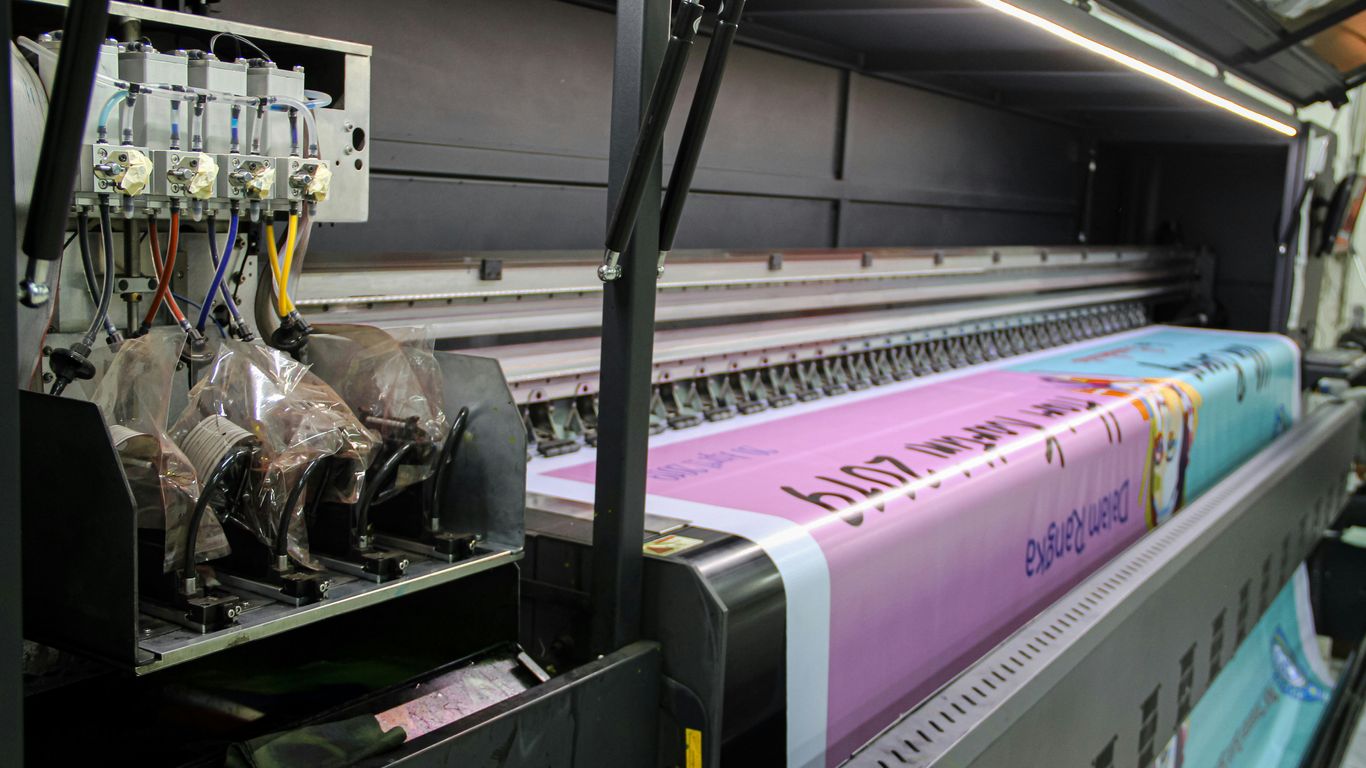
The core of the process involves applying light-sensitive ink to a substrate, which is then exposed immediately to concentrated ultraviolet lamps. This triggers a photochemical reaction that solidifies the liquid ink into a durable polymer layer within seconds, ensuring it stays exactly where it was deposited.
The role of specialized UV-curable inks
These inks are formulated to remain liquid until they hit the specific wavelength emitted by the light source. Unlike conventional solvents, these materials contain no evaporative components that could compromise the integrity of sensitive polymers, allowing for better adhesion across various plastic types like those described by Inkcups.
Comparing UV printing to traditional method limitations
Older methods such as hot stamping or screen printing often struggle with fine detail and require extensive setups. By contrast, digital systems from Click Fold Plastics allow for rapid file-to-print transitions, eliminating the need for complex physical plates. The following table provides a quick look at why many manufacturers are making this shift.
| Feature | Traditional Methods | UV Digital Printing |
|---|---|---|
| Curing Time | Long (Air dry) | Instant |
| Detail Level | Moderate | Exceptionally High |
| Setup Costs | High | Low |
Digital workflow stages from design to final cure
The process begins with file preparation where images are optimized for the specific surface texture of the plastic part. Once the design is loaded into the Printful digital system, the print head moves in precise coordinates to deposit the ink, which is then cured instantly on the fly.
Key advantages of UV printing for custom branding
Achieving precise corporate color matching
Modern digital print controllers allow for high-fidelity color reproduction, ensuring that the brand aesthetic remains consistent across different product lines. This accuracy is vital for maintaining identity standards in high-stakes environments.
Highlighting brand logos with industry-standard sharpness
Sharp edges and fine lines are standard expectations in contemporary industrial design. Utilizing high-end digital heads allows for crisp replication, which supports effective industrial plastic part decoration while maintaining professional standards.
Creating professional-grade visual depth and dimension
Layering ink can produce a slight relief on the surface, offering a tactile sensation often associated with premium products. This approach creates distinct visual interest that standard flat printing cannot achieve.
Speed-to-market advantages for small-batch custom orders
Direct digital printing eliminates the downtime associated with physical plate creation. This efficiency is critical for designers who need to iterate quickly on personalized plastic signage solutions for their clients.
Choosing the right plastic substrates for optimal results
Identifying common plastic types for high-quality printing
Selecting the correct material often depends on the intended shelf life and environmental exposure. ABS, polycarbonate, and acrylic remain the primary choices for most decorative projects.
Managing technical requirements for rigid versus flexible materials
Rigid materials provide stable anchor points for the curing process, whereas flexible resins require inks with special elongation properties to prevent cracking during handling. Printers must adjust their parameters accordingly to ensure durable plastic graphics printing across these diverse needs.
Strategies for printing on irregular or curved industrial surfaces
Printing on non-flat objects requires advanced print head positioning that tracks the object’s geometry in real-time. This ensures that the ink droplets land with consistent focal distance even as the surface curves away from the print source.
Addressing unique challenges with additive manufacturing materials
3D-printed plastics can exhibit surface porosity that complicates ink adhesion. Technicians often need to seal these parts to reduce absorption before finalizing the decorative layer.
Leveraging design techniques for high-impact branding
Using spot UV for distinct textured effects
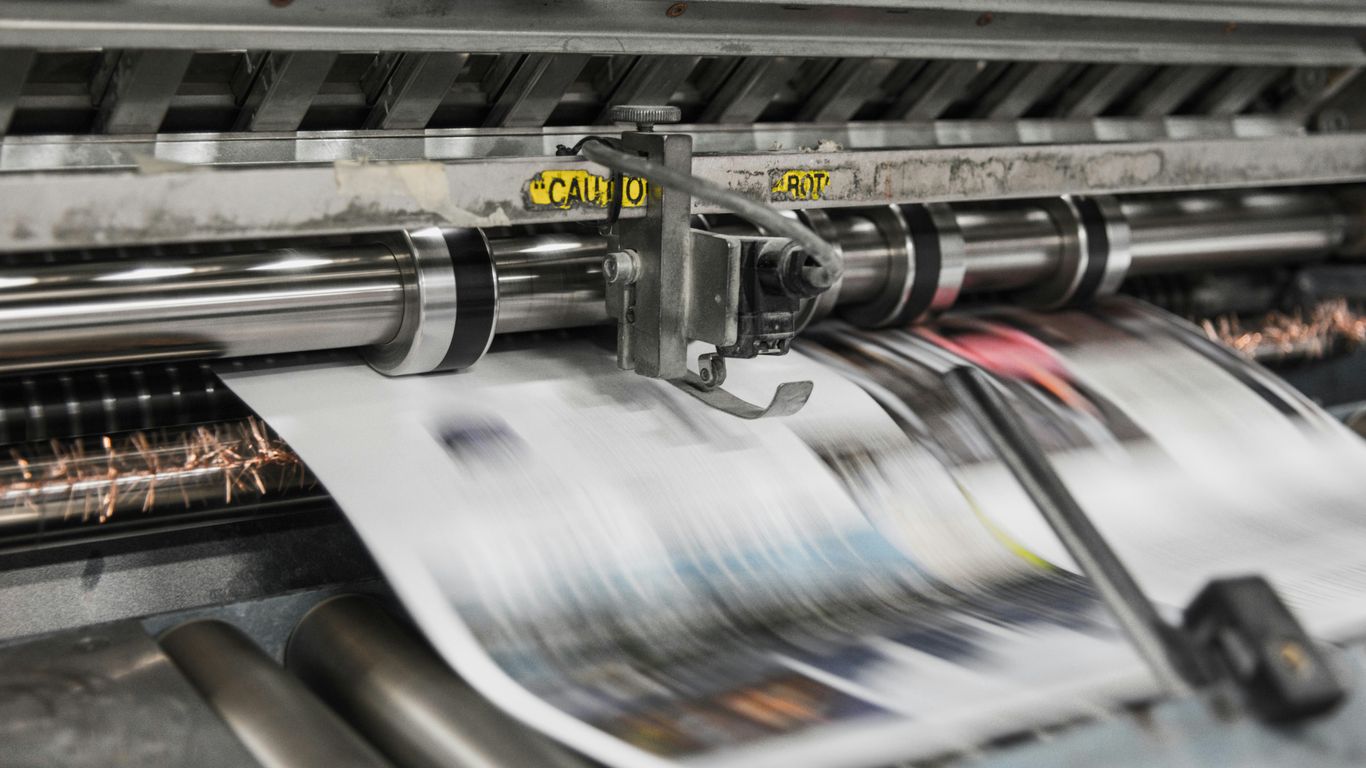
Applying a clear varnish to specific elements draws the eye and emphasizes specific brand marks, adding a sophisticated layer of visual interest to plain packaging.
Incorporating complex gradients and high-resolution patterns
Digital files take advantage of the printer’s variable droplet size to create smooth transitions that mimic high-end photography on even the most rugged industrial surfaces.
Utilizing contrast between gloss and matte finishes
By manipulating local curing levels or ink additives, designers can mix matte and glossy textures on the same part to emphasize different brand assets. This visual contrast ensures that key features stand out against the backdrop.
Designing for maximum visibility on non-porous surfaces
Effective design requires considering light reflection and opacity when printing on plastics, which can be inherently reflective or translucent.
The critical importance of surface preparation
Establishing effective cleaning protocols for plastic parts
Contaminants like mold-release agents or dust will cause immediate adhesion failure. A thorough cleaning process is essential for success in custom plastic product printing, as even trace oils can prevent the ink from bonding with the polymer host.
Mitigating the risks of contaminants on final ink adhesion
Operators should implement stringent environmental controls to ensure the printing floor remains free of airborne pollutants during the curing process.
Applying priming agents for superior ink bonding
Chemical primers are often applied in a thin, invisible layer to change the surface energy of a plastic so that ink droplets wet out into a uniform, strong bond before being exposed to the curing light.
Implementing adhesion testing before full-scale production
One should always perform a cross-hatch test or a tape test on samples to confirm the bond is strong enough to withstand the stress of the product’s lifespan.
Enhancing product durability in industrial environments
Resistance to UV rays, fading, and environmental exposure
UV ink, once polymerized, holds its color well under harsh sunlight and is generally immune to common cleaning agents, preventing the premature wear common in older branding techniques.
Increasing scratch and mechanical wear resistance
Hardened polymer surfaces stand up to daily handling, transport, and impact much better than soft ink films or superficial stickers.
Protecting brand marks in high-touch product applications
For products that are handled repeatedly, such as control panels or handled tools, the UV-cured ink layer serves as a tough shield that maintains legibility despite high-frequency tactile contact.
Maintaining legibility and technical clarity over time
Consistent clarity is paramount in industrial contexts where serial numbers, warnings, and logos must remain identifiable throughout the entire operational life of the device.
Sustainability and efficiency in modern printing workflows
Reducing volatile organic compound emissions with UV technology
Because UV inks do not rely on carrier solvents for thinness, they eliminate the need for venting volatile chemicals during the drying process, ensuring a safer work environment and lowering carbon footprints.
Streamlining production processes for custom batch sizes
Workflow efficiency is greatly improved when manufacturers contact our team to configure their equipment for rapid, on-demand cycles that eliminate the waste associated with over-producing stock.
Minimizing material waste through rapid, precise curing
Immediate curing avoids the need for secondary drying racks, freeing up floor space and drastically reducing the potential for damage to wet prints during transport.
Balancing cost-effectiveness and high-volume output requirements
Even as throughput increases, the energy efficiency of LED curing systems helps control long-term operational expenses for industrial shops.
Conclusion
UV printing has clearly emerged as a cornerstone of modern industrial branding, providing a unique combination of speed, durability, and visual quality. As technology continues to evolve, manufacturers who adopt these methods will secure a major competitive advantage in deliverable value, quality control, and long-term product branding effectiveness.
Frequently Asked Questions
Does UV printing work on all types of plastic?
While highly versatile, adhesion depends on surface energy and chemical composition. Some low-energy plastics may require an additional priming stage to ensure the ink bonds correctly to the surface.
How fast is the UV curing process compared to traditional drying?
UV printing is instantaneous. Once the print head passes, the ink is fully cured by the light exposure, allowing for immediate handling or packaging, whereas traditional inks can require hours or days to dry.
Is UV-cured ink resistant to outdoor weather conditions?
Yes, the polymerized ink layer is generally highly resistant to moisture, UV-induced fading, and temperature fluctuations, making it ideal for outdoor signage or equipment housed in challenging environments.
Can you apply spot UV effects using standard equipment?
Many digital printers can simulate spot UV effects by using clear ink layers in specific areas, effectively creating a high-gloss texture on top of the original artwork.
What are the main limitations of this printing method?
Limitations typically involve physical dimensions of the print bed and the geometry of the part. Extremely complex, internal, or irregular shapes might require custom fixture design to keep the surface within the printer’s focal range.
Why is surface cleaning so vital for this technology?
Any debris or chemical residue acts as a barrier between the ink and the substrate. Without a clean surface, the ink may not wet out properly, leading to poor bonding and potential peeling during normal use.
How can a business reduce material waste with this process?
By leveraging digital control, shops can transition effectively between different designs without needing to pause or change physical plates, which reduces scrap and optimizes production runs for smaller batch orders.