Key Takeaways
Investing in a high-quality acrylic display box offers a blend of durability, visual clarity, and protection for your most valuable items. Understanding material properties allows you to select the ideal solution for long-term preservation.
- Acrylic provides superior optical clarity compared to glass.
- Proper maintenance prevents surface damage and static build-up.
- Custom manufacturing allows for a tailored fit for unique objects.
- UV protection is essential for preserving colors and materials.
- Durable construction safeguards items from environmental hazards.
Understanding the benefits of acrylic for product display
Choosing the right environment for your collection is essential because high-quality materials can make a significant difference in visual appeal. Acrylic stands out as a versatile, reliable choice for those needing safety and style for their prized possessions. Utilizing high clarity product enclosures ensures that observers can appreciate every detail without distraction from the container itself.
Superior clarity and optical transparency
Acrylic is renowned for its high light transmission, which exceeds that of standard glass. This crystal clear viewing surface allows for natural light or artificial lighting to pass through without distortion. The result is a vibrant, faithful representation of colors and textures that make items look sharp and professional.
Resistance to impact and shattering
Unlike traditional glass, acrylic is incredibly durable and resistant to breaking upon accidental impact. This makes it an ideal material for environments where stability is a concern, such as in high-traffic retail areas or households with curious pets.
UV protection for sensitive materials
Many acrylic sheets are engineered to block harmful ultraviolet rays that typically cause fading or degradation in delicate materials. This feature is particularly beneficial for books, stamps, or fabrics that might otherwise lose their integrity when placed near windows.
Weight advantages over traditional glass
Acrylic is remarkably lightweight, which simplifies the process of rearranging your display inventory or mounting cases to walls. This ease of transport does not sacrifice structural integrity, allowing for larger, more impressive cases without the excessive burden of glass thickness.
Protecting your assets from environmental factors
Environmental control is the cornerstone of effective asset preservation, ensuring that temperature fluctuations and airborne particles do not degrade the quality of your collection over time. Implementing protective display solutions for luxury goods creates a stable micro-climate that guards against common contaminants like dust and moisture.
Controlling dust accumulation
Dust is not merely an eyesore; over time, it can settle into the fine details of collectibles and cause micro-abrasions during cleaning. A well-sealed acrylic box acts as an airtight barrier, almost entirely eliminating the need for frequent delicate dusting.
Minimizing moisture and humidity damage
Excessive humidity can encourage mold growth and corrosion on metallic surfaces. Utilizing desiccants within a sealed acrylic chamber helps maintain a consistent humidity level, which acts as a foundational strategy for long-term item health.
Preventing accidental physical contact
Physical contact often results in oils from human skin transferring onto delicate surfaces, which can lead to permanent tarnishing or staining. By placing an object within a secured enclosure, you effectively remove the temptation and risk of unauthorized handling.
Safeguarding against localized theft
For businesses or private collectors, security is a priority that must be addressed alongside aesthetics. Many custom acrylic showcases can be fitted with locking mechanisms to ensure that the contents remain undisturbed and secure in public-facing or shared settings.
Design considerations for premium presentation
Creating an immersive visual experience requires a careful balance between the case materials and the lighting environment. The following table highlights common presentation setups used by professionals:
| Feature | Benefit | Best For |
|---|---|---|
| Clear Base | Maximum visibility | Small objects |
| Mirrored Base | Reflects hidden sides | Detailed models |
| Tinted Base | Adds contrast | Modern designs |
Choosing between clear, tinted, and mirrored bases
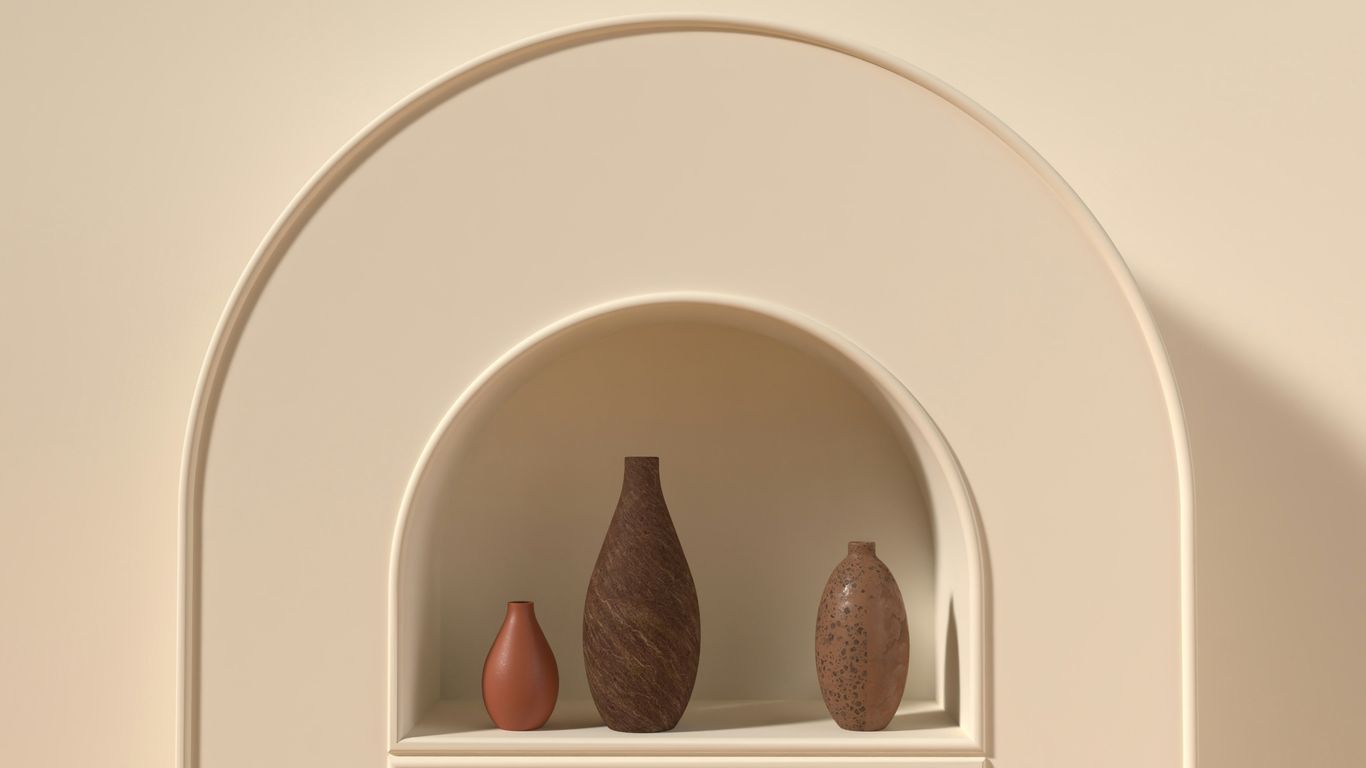
The choice of base color and material finish changes the way the viewer perceives depth and detail. Clear bases keep the presentation neutral, while mirrored options are perfect for capturing the underside of intricate artifacts, ensuring no part of the object remains hidden.
Incorporating integrated lighting solutions
Lighting should highlight the best angles of an item without introducing excess heat, which could be damaging. LED strips mounted internally provide a clean, cool glow that enhances depth, transforming a simple space into a professional gallery display.
Selecting material thickness for structural stability
When planning larger enclosures, the thickness of the acrylic sheets becomes a critical factor for preventing warping over time. Choosing thicker sheets is a common choice for high-end pieces, providing a more robust, heavy-duty feel that stands up to daily use.
Evaluating beveled edges and specialized finishes
Finishing techniques like fire-polishing or bevelling edges adds a sophisticated flair that signals high-end craftsmanship. These small, deliberate details turn a functional box into a seamless piece of art, often requested by high-end retailers looking for retail display stands acrylic solutions.
Key applications for acrylic display cases
Whether you are documenting history in an academic setting or highlighting luxury goods on a showroom floor, the right enclosure is vital to the success of your presentation. The flexibility of plastic fabrication allows these cases to serve diverse and demanding needs.
Preserving sports memorabilia and rare collectibles
Sports fans value the history of their collections, needing enclosures that provide both visibility and museum-grade preservation. This helps maintain market value while allowing for easy rotation of displayed items during specific milestones or seasons.
Enhancing luxury retail product visibility
Retailers benefit from the nearly invisible quality of acrylic, which draws the eye directly toward the product on display. For brands looking to showcase products effectively, this ensures that the customer experience is dictated by the product’s attributes rather than the shelving itself.
Encasing museum-grade artifacts
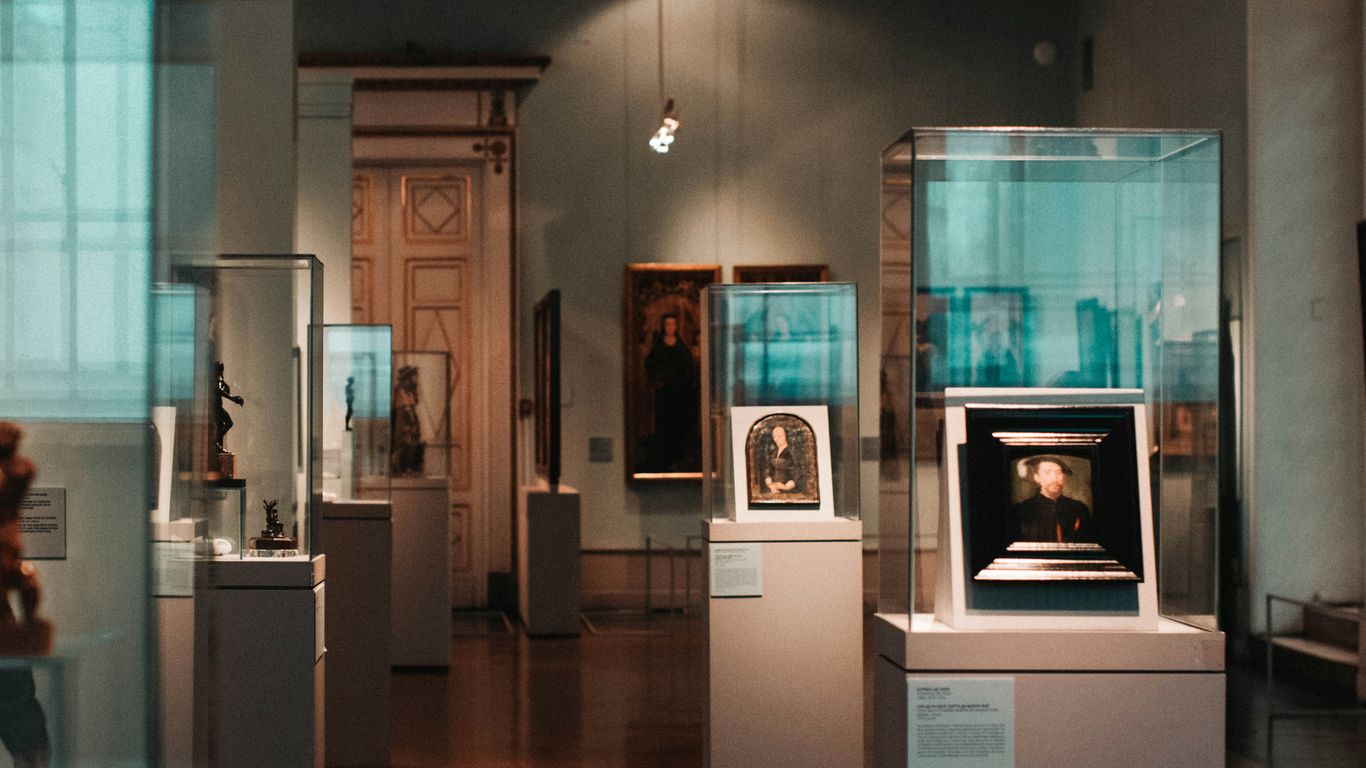
Historians and curators utilize these enclosures to keep precious artifacts away from contaminants and human interaction. These solutions offer clear sightlines while ensuring that the physical item is shielded from the incidental hazards of public foot traffic.
Protecting delicate models and technological components
Complex models and circuit-heavy tech pieces require environments that provide specialized protection without obstructing the view. Secure acrylic housing ensures that small, fragile components remain in place while the viewer gets a clear look at the assembly.
Proper maintenance and cleaning techniques
Maintaining the pristine look of your display requires a disciplined approach, mainly because standard household habits can sometimes lead to unintended wear on acrylic materials. Implementing a dedicated routine is the best way to extend the lifespan of your display investments.
Utilizing non-abrasive microfiber cloths
Always use soft, lint-free cloths when wiping down your cases to ensure that surface debris does not cause thin, spiderweb scratches. A gentle wipe is usually sufficient, as most high-quality acrylic finishes do not hold onto biological smudges in the same way glass does.
Avoiding standard harsh glass cleaners
Avoid using ammonia-based cleaners, as these chemicals can cause the plastic to become cloudy or brittle over time. A simple solution of mild soap and lukewarm water is generally recommended for safe, long-term cleaning of all acrylic panels.
Implementing anti-static cleaning routines
Static electricity often attracts more dust during the cleaning process, defeating the purpose of the effort. Anti-static solutions specifically formulated for polymers can help keep the surfaces clear of dust for longer periods, keeping your collection looking fresh.
Managing minor surface scratches and polishing
If you notice minor abrasions or dull spots, plastic-specific polishing compounds can often restore the initial luster. Be careful to follow the manufacturer’s directions for polishing and always test the compound on a hidden corner before applying it to the main viewing area.
Selecting the right display box for your needs
Finding the correct display unit requires evaluating both the scale of your collection and your physical space constraints. It is helpful to follow a systematic approach when you are ready to choose a box that fits your specific needs.
Measuring dimensions for a tailored fit
Always ensure that your final measurements account for the object plus a small margin for air and lighting integration. A tight fit can be restrictive for cleaning, while a case that is too large can distract from the main object’s presence.
Comparing standardized sizes vs. custom manufacturing
Standardized sizes are excellent for conventional items, but custom fabrication is required for irregular shapes or oversized displays. Custom solutions ensure that your case is purpose-built, leaving no wasted space and providing the most efficient protection for your unique items.
Factoring in portability and security requirements
Consider how often you will need to move or lock the unit when deciding on design features. If displays are frequently relocated for events, a lightweight approach with integrated handles might be preferred, while permanent installations might benefit from heavier, permanent mounting hardware.
Assessing long-term cost benefits for display inventory
Evaluating the investment involves looking at how many items you expect to cycle through the display in the coming years. Opting for modular or high-durability materials may cost more initially, but it prevents the repetitive cost of buying replacements that crack or желтеют under environmental light.
Conclusion
Prioritizing the right display solution ensures that the integrity of your items remains intact and their beauty is shared for years to come. By selecting quality acrylic units and following a proper maintenance schedule, you can build a display area that is as durable as it is visually striking.
Frequently Asked Questions
Can acrylic turn yellow if exposed to direct sunlight?
High-quality, UV-stable acrylic is designed to resist yellowing for many years even when exposed to sunlight, though inferior plastics may degrade or show discolorations after prolonged UV exposure.
Is acrylic suitable for heavy objects?
While acrylic is very strong, its capacity to hold heavy items depends on the thickness of the sheets used; very heavy objects may require reinforced bases or specific structural considerations.
How does acrylic compare to plexiglass?
Plexiglass is simply a generic trade name for acrylic; there is no material difference between the two, as they both refer to the same type of transparent thermoplastic.
Will dust settle easily on the inside of the case?
If the case is designed with tight-fitting joints or seals, the amount of dust that enters the interior is significantly reduced compared to open displays, keeping items cleaner for longer.
Can I paint or decorate the base of the acrylic case?
Acrylic is highly compatible with many types of finishes; you can customize the base using professional primers and paints to match your interior decor theme.
Is it safe to put antique coins inside an acrylic case?
Acrylic is chemically inert and is widely considered safe for displaying metal antiques and coins, provided the case is kept free of moisture to prevent surface oxidation.
What should I do if my case gets a deep scratch?
Deep scratches that cannot be removed by simple polishing may require professional sanding and buffing treatments or, in severe cases, the replacement of the specific acrylic panel affected.