Key Takeaways
Creating effective signage requires careful planning, from selecting the right material to ensuring compliance with local standards. Follow these core principles to enhance your business visibility and brand impact through professional signage installations.
- Prioritize high-traffic areas for maximum visibility and brand recognition.
- Match acrylic material types—such as clear, frosted, or colored options—to the specific environment.
- Adhere strictly to Malaysian local council regulations and language requirements for business signs.
- Implement a regular cleaning schedule to maintain the finish and structural integrity of your displays.
- Invest in professional mounting hardware to ensure longevity and a premium appearance for all signage.
1. Determine the signage placement and purpose
Selecting the right spot for your signage defines how customers interact with your space from the moment they arrive. A well-placed sign shouldn’t just be an afterthought; it should act as a natural guide that complements the flow of your floor plan or exterior facade. Before you finalize any procurement, consider how the sign functions in relation to your indoor business branding objectives.
Identifying high-traffic indoor locations
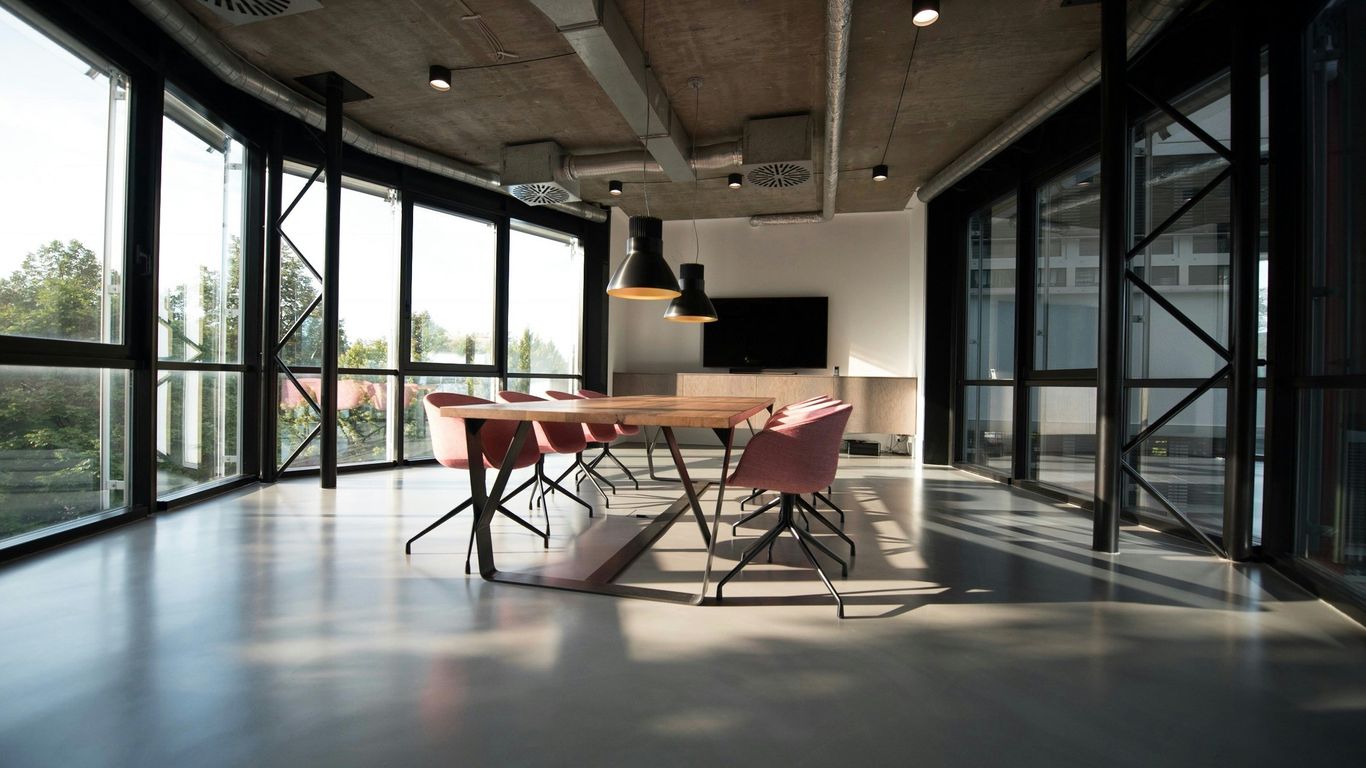
Focus your efforts on areas where customers naturally pause or transition, such as lobby entryways or near checkout counters. By placing professional lobby signs in these high-traffic nodes, you capture attention without obstructing movement. Observing the foot traffic patterns reveals key spots where signage can provide the most value for wayfinding or highlighting specific departments.
Selecting weather-resistant outdoor options
Outdoor signage demands materials that can handle the elements while maintaining a sharp appearance. It is crucial to choose acrylic signage specifications that resist environmental wear, ensuring your branding stays crisp despite exposure to the sun and rain. You might want to contact our fabrication experts to discuss how specific high-grade plastic sheets perform in tropical conditions compared to standard alternatives.
Assessing lighting requirements and visibility
Lighting fundamentally changes how a sign is perceived both day and night. Carefully evaluating existing ambient light helps determine whether you need high-gloss materials that reflect back or matte surfaces that minimize glare. Thoughtful placement against light-colored or dark walls can further enhance the legibility of your modern shop displays, ensuring your message stands out clearly to passing customers.
2. Select the optimal acrylic material and finish
Choosing the right acrylic requires balancing visual appeal with the practical reality of where the sign will live. Whether you prefer a clean look or a textured surface, understanding the specific properties of the material will help you make a decision that lasts. Taking the time to evaluate plexiglass sign printing options ensures your final product aligns with both your marketing goals and your operational requirements.

Comparing clear, frosted, and colored surfaces
Each finish offers a distinct personality that dictates how your brand communicates with visitors. A clear surface provides a classic, window-like aesthetic, whereas frosted options soften direct lighting and reduce the appearance of fingerprints or minor scratches. Colored acrylics offer brand-consistent backdrops that make white or metallic text pop, providing an extra layer of depth to your displays.
Considering acrylic thickness for structural integrity
Thickness is more than a technical detail; it is the foundation of your sign’s lifespan and resistance to impact. Thicker panels generally provide a more substantial and premium feel, which is ideal for permanent lobby features or heavy-duty outdoor mounts. Consider the following structural guidelines when evaluating panels for your facility:
| Application Type | Recommended Thickness | Primary Benefit |
|---|---|---|
| Basic Wall Mounts | 3mm | Lightweight and versatile |
| Retail Counter Displays | 6mm | Enhanced visual stability |
| Heavy-Duty Exterior | 10mm+ | Resistance to warping |
Selecting the appropriate gauge ensures your signage doesn’t buckle under its own weight or external stressors over time.
Balancing aesthetics with environmental durability
Your design should not only look good on day one but also survive the rigors of your business environment. By choosing materials that are inherently resistant to common indoor contaminants or outdoor UV radiation, you gain a long-term asset for your company that performs reliably. Avoiding low-quality plastics prevents premature fading and ensures your branding remains consistent throughout its entire life cycle.
3. Apply professional design and branding principles
Design is the bridge between a simple piece of plastic and a powerful communicative tool. Effective signage relies on strict adherence to visual hierarchy to ensure that, no matter the size, your message is parsed instinctively. Applying these principles ensures that your custom signs feel cohesive with your broader identity and style guidelines.

Mastering typography for readability
Readability is the primary metric for successful signage; if a customer cannot make out your message in three seconds, the sign has failed. Use font weights and spacing that allow for quick scanning, even from a distance. Prioritize clean, sans-serif fonts for most business applications, as they typically offer superior legibility compared to complex, highly decorative alternatives.
Creating color palettes that reflect brand identity
Your color choices should be intentional extensions of your registered logo and marketing collateral. Using a restricted, high-contrast palette prevents visual clutter and keeps the sign feeling professional and accessible. Adopting a consistent color language across all signage creates a frictionless branded experience for anyone entering or passing through your space.
Establishing visual hierarchy in the layout
Visual hierarchy guides the viewer through the most critical information first and secondary details second. Through careful application of scale and placement, you can control the customer’s attention, directing them precisely where you want them to look. Consider using the nested layout strategy to define how text fields should be organized for maximum efficiency:
- Primary focal point (Brand Name/Logo)
- Actionable information (Room Numbers/Directions)
- Secondary context (Hours/Department Details)
- Regulatory requirements (Standard Disclaimers)
This structured approach ensures that you communicate the right amount of detail without overwhelming your audience.
4. Choose professional mounting and installation methods
Installation is the final step in securing your brand’s presence in a physical space. The hardware you select not only affects how the sign hangs but also communicates how much care you put into your facility’s presentation. Ensuring every sign is mounted with the correct technique preserves both the substrate wall and the integrity of the acrylic panel itself.
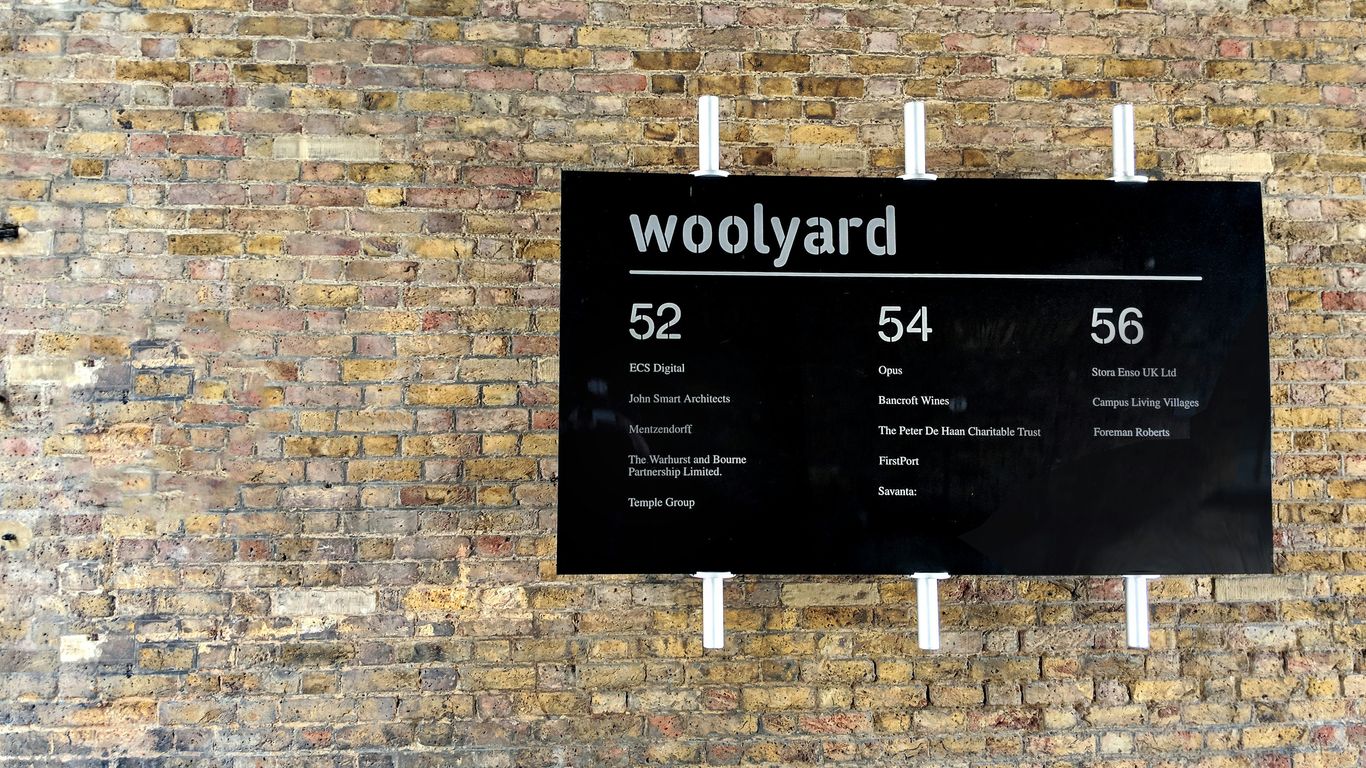
Utilizing stainless steel standoffs for a premium look
Standoffs raise your signage off the wall, creating a sophisticated shadow effect that adds professional depth to your display. This method is highly favored for lobby signs and corporate branding because it creates a clean, permanent aesthetic. When installing, ensure the backing material can support the precision-drilled anchors that these mounts require.
Evaluating adhesive-backed signs for temporary displays
For smaller signs or temporary marketing campaigns, adhesive mounting offers a non-invasive solution that leaves surfaces intact. While perfect for quick informational updates, always verify that the adhesive strength is appropriate for the wall surface texture to prevent peeling. It is a practical choice for businesses that rotate their custom business signs Malaysia messaging frequently.
Executing secure installations on diverse wall types
Different walls—from smooth glass to porous brick—require specific approaches to avoid failure or damage. A professional assessment of the wall surface ensures that the correct anchors and fasteners are chosen to last. Always double-check alignment with a level before final tensioning to avoid crooked displays that impact your business’s reputation.
5. Ensure compliance with Malaysian signage regulations
Navigating the regulatory landscape in Malaysia is a fundamental step in avoiding potential fines and ensuring your business operates smoothly. Local council requirements often dictate not just the content but also the physical dimensions and placement of exterior signs. Staying updated on these mandates is a standard duty for any responsible business owner or facility manager.
Understanding local council guidelines for public signage
Most local authorities maintain strict bylaws regarding the size and encroachment of commercial signs into public spaces. Reviewing these specific ordinances early in your planning prevents costly rework or the need for sign removal after installation. Always verify your specific town or district’s current directives before proceeding with a major external install.
Following language requirements for business signage in Malaysia
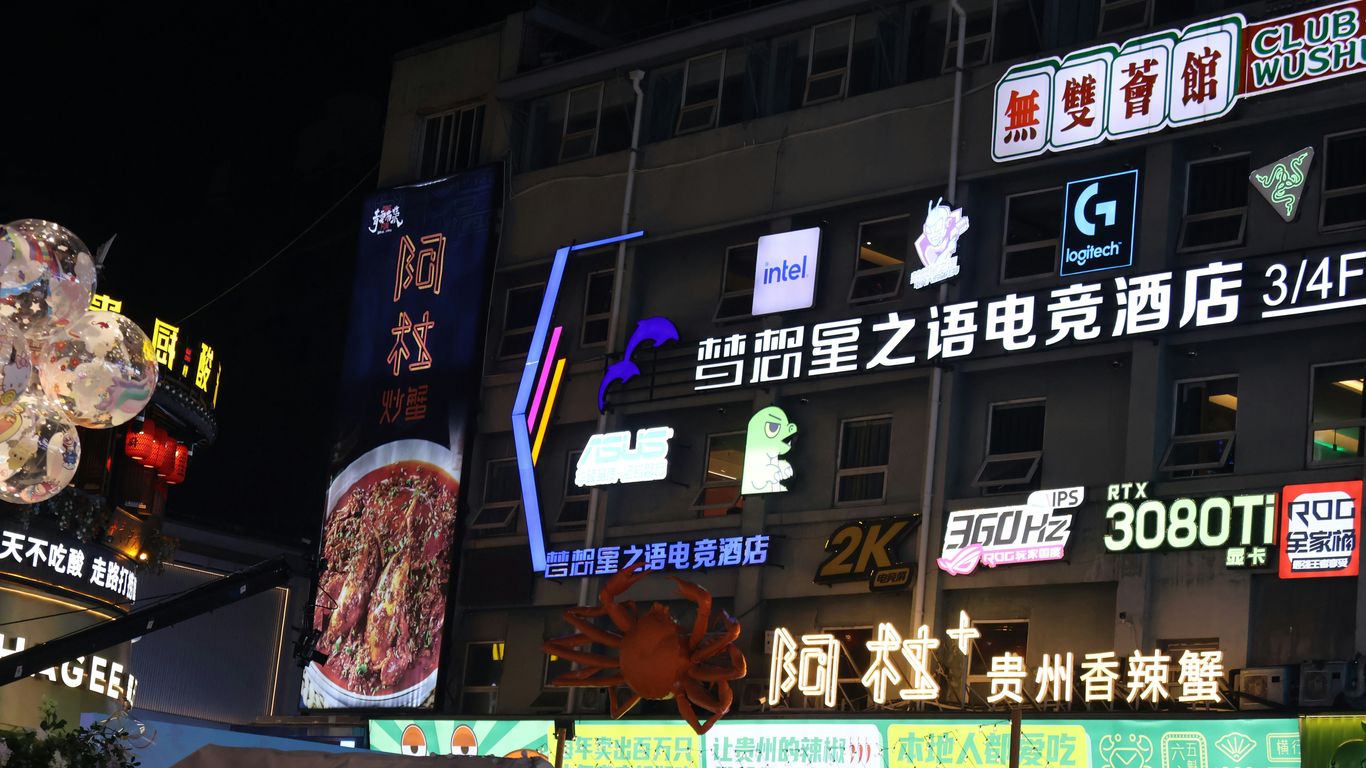
Language regulations are a critical component of Malaysian compliance for all public-facing businesses. Signs must often balance standardized national language usage alongside English or other languages to meet council standards. Ensuring your design department integrates these requirements correctly from the early proofing stage avoids unnecessary compliance issues later.
Navigating permit processes for exterior installations
Large exterior installations almost always require formal approval from local authorities. Starting the permit application well in advance allows for potential revisions to your design if the council requests changes regarding size or visibility. Maintaining clear documentation of these permits also assists if inspections occur in the future.
6. Protect your investment against tropical environmental factors
Malaysia’s environment presents unique challenges for acrylic signs, particularly regarding heat and humidity. These factors, while manageable, require proactive protection if you want your displays to stay clear and pristine. Regular monitoring and correct placement go a long way in ensuring your signage stands the test of time.
Preventing UV damage and long-term yellowing
Direct, prolonged exposure to intense sunlight can eventually cause high-grade plastic to shift in tint or become brittle. When outdoor positioning is unavoidable, opting for UV-stabilized acrylic variants helps preserve clarity. By choosing the right material composition from the start, you minimize the risk of signs yellowing or losing their vibrant appeal.
Establishing a routine cleaning and maintenance schedule
Consistent maintenance prevents the accumulation of grime that can chemically react with acrylic over long periods. Using gentle, non-abrasive cloths and mild soap solutions preserves the smooth finish that modern acrylic is known for. A quick monthly wipe-down is much more effective than deep cleaning neglected surfaces that have already started to show signs of weathering.
Managing heat and humidity exposure to prevent warping
High humidity and extreme heat cycles can cause minor thermal expansion, leading to stress on the mounting points if they are too restricted. Allowing for slight thermal movement during installation is a key strategy for keeping your panels flat and secure. Keeping your signs away from direct exhaust vents or areas of extreme temperature fluctuation further safeguards them from physical distortion.
Conclusion
Designing high-impact acrylic signage involves a thoughtful blend of strategic placement, material selection, and strict compliance with local standards. By focusing on durability and clean, professional design, you can create lasting displays that effectively serve your business goals in the Malaysian market. Whether you are installing subtle indoor labels or bold storefront logos, the choices you make during the design and maintenance phases directly shape the professional image your customers see every day.
Frequently Asked Questions
Is acrylic the same thing as glass?
No, acrylic is a synthetic plastic material that is much lighter and more impact-resistant than traditional glass, making it a safer and highly versatile choice for most business sign applications.
How long should an acrylic sign last outdoors?
With proper material selection—specifically UV-stabilized grades—and regular maintenance, a high-quality acrylic sign can last for several years, though lifespan depends heavily on intensity of sun exposure.
Can I mount acrylic signs directly to brick walls?
Yes, but you will need specialized anchors and fasteners to secure the display properly; be careful to check that the sign is not prone to bowing in extreme temperature changes when fixed too tightly.
Why do my signs sometimes look cloudy?
Cloudiness often results from improper cleaning agents like ammonia or heavy solvent-based solutions, which can etch the surface, so always stick to mild soap and soft, microfiber cloths for maintenance.
Does Malaysia have specific rules for store signage?
Yes, local councils usually enforce specific language standards and size limits, so verifying current municipal bylaws is essential before ordering or installing any signage.
What thickness is best for indoor logo signs?
For a premium look commonly seen in office lobbies, a thickness of 6mm or above is usually recommended to provide the necessary weight and a high-end visual presence when mounted with standoffs.
How should I clean my acrylic display?
To keep the surface scratch-free and clear, use only a soft cloth and a gentle, non-ammonia-based cleaning solution, carefully avoiding abrasive sponges or paper towels that might cause micro-scratches.