Key Takeaways
Selecting the right material for commercial aquariums involves balancing optical clarity, structural safety, and long-term maintenance costs. This guide outlines the key considerations for selecting between glass and acrylic.
- Acrylic offers superior clarity and light transmission compared to standard glass.
- Glass is significantly more scratch-resistant, which is critical for high-traffic public areas.
- Weight differences impact flooring requirements and installation logistics for large, custom display tanks.
- Custom acrylic tanks provide greater design freedom for unique, non-rectangular aquatic shapes.
- Routine maintenance for acrylic requires specific polishing techniques to maintain pristine surface conditions.
Comparing visual clarity and light transmission
Selecting high-quality materials starts with understanding how base materials interact with light. When you compare an acrylic tank to traditional glass, the fundamental difference lies in their refractive indices and material purity.
Light refraction in acrylic tanks vs. glass
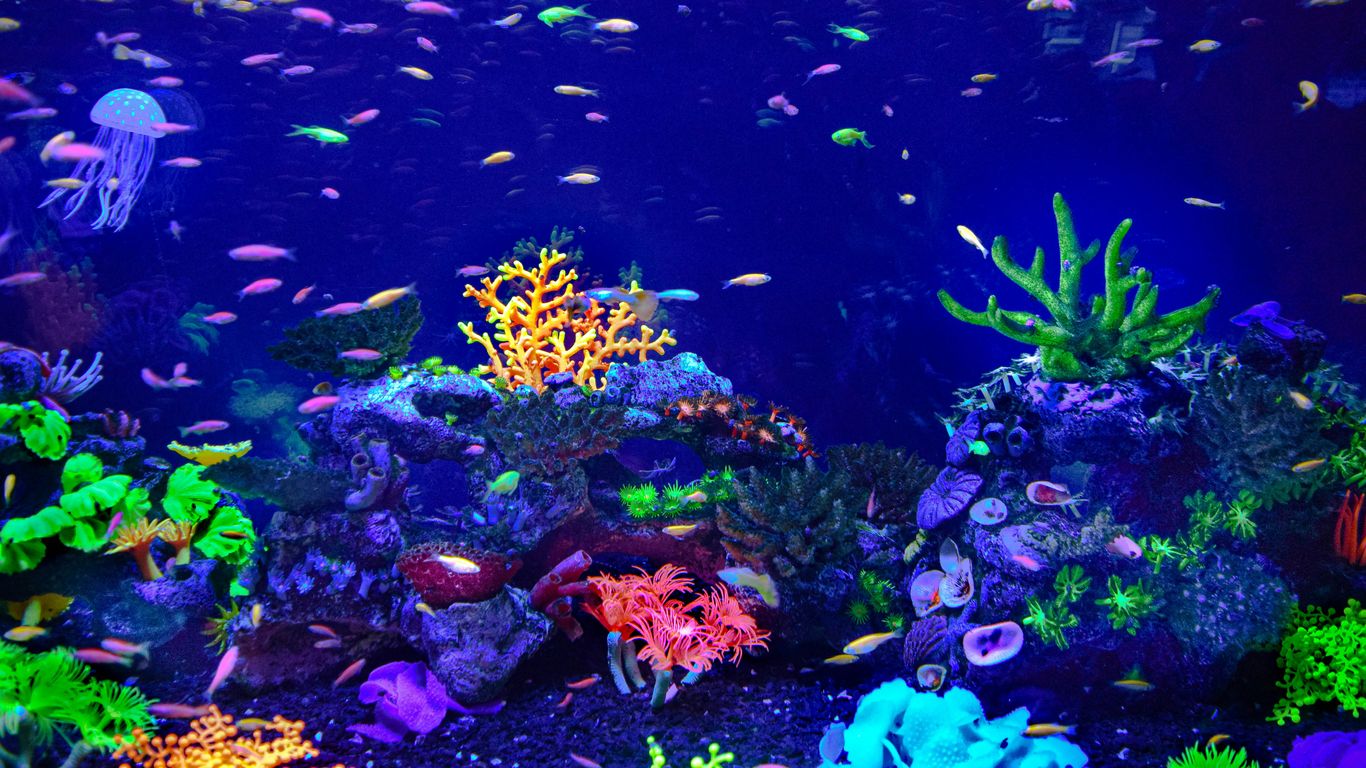
Acrylic is a form of industrial plastic that allows for nearly 92 percent of light to pass through it, creating a remarkably vibrant viewing experience. Glass, particularly when thicker, often takes on a green tint that can slightly mute the colors of corals and fish, though low-iron glass alternatives have narrowed this gap in recent years.
Impact of wall thickness on viewing quality
As the size of the installation increases, the required wall thickness grows proportionally to handle water pressure. While thick glass panels tend to increase the greenish discoloration due to impurities, acrylic maintains its transparency across massive thicknesses, which is essential for custom aquarium builders creating wide-angle, distortion-free viewing panes.
Long-term yellowing and UV resistance factors
Quality acrylic is generally resistant to UV degradation, though environmental exposure matters significantly for outdoor or brightly lit commercial displays. Over decades, some lower-grade plastics might show slight discoloration, but modern manufacturing processes have mitigated this risk, ensuring that the visual integrity of your investment remains stable over time.
Evaluating durability and safety standards
Commercial settings demand a focus on safety, especially where large volumes of water are in proximity to the public. Choosing a material that offers high impact resistance is a cornerstone of professional installation, as it minimizes the risk of catastrophic failure in busy areas.
Impact resistance in high-traffic retail spaces
Acrylic is inherently more resistant to impact than glass because it is a flexible, synthetic material that absorbs energy rather than shattering. In high-traffic retail environments where accidental bumps or strikes could occur, an acrylic tank provides enhanced peace of mind for business owners compared to more brittle materials.
Structural integrity and seam strength
Modern fabrication techniques allow for chemical bonding of acrylic panels, creating seams that are essentially as strong as the material itself. This molecular bond is vastly different from mechanical sealing used in glass tanks, which relies on silicone to hold panels together.
| Feature | Acrylic Property | Glass Property |
|---|---|---|
| Impact Resistance | High (Absorbs shock) | Moderate (Brittle) |
| Weight (approx) | 50% lighter | Heavy standard |
| Scratch Resistance | Low (Needs care) | High (Standard) |
Selecting a material depends heavily on your specific operational requirements, as shown in the table above. By reviewing these core properties, you can determine which trade-offs align best with your facility’s safety protocols and daily operational needs.
Safety considerations for public-facing installments
Public installments must comply with strict building and safety codes. Because acrylic is lighter and impact-resistant, it often simplifies the certification process in jurisdictions that mandate seismic or high-impact resistance for public-facing, large-scale commercial aquarium solutions.
Assessing installation logistics and weight
Managing the logistics of a large-scale project involves heavy consideration regarding total weight. Because massive volumes of water often weigh several tons, the structural load capacity of the floor must be verified before the final placement of the display.
Shipping and handling requirements for large tanks
Transporting large aquatic displays requires precision handling to prevent pressure points or stress cracks, particularly with rigid glass structures. Acrylic’s lighter weight compared to glass can sometimes reduce freight costs and complexity, although it requires careful packaging to prevent potential surface scratches during the transit process.
Floor loading capacity and structural reinforcements
Commercial structural engineers must assess the base slab capacity early in the project lifecycle to ensure it can support the combined weight of the tank, water, and substrate. Large display tanks often require advanced concrete reinforcement or steel load-bearing frames to prevent sagging or settling over time.
Ease of site assembly for modular displays
For complex or oversized installations that cannot be moved in one piece, on-site assembly is sometimes the only viable route. Acrylic is particularly favored here because its manufacturing techniques allow for clean, precise panel bonding performed directly at the exhibition site by specialized technicians.
Analyzing investment costs and lifecycle value

When calculating the total cost of ownership, the initial price tag only tells part of the story. Commercial projects must account for maintenance schedules, potential surface repairs, and the expected service life of the display unit itself.
Initial fabrication and materials pricing
Custom fabrication for an acrylic tank generally carries a higher initial premium than off-the-shelf glass tanks. This cost reflects the specialized labor, the quality of the raw resin, and the precision required to produce large-format, pressure-bearing panels that meet commercial safety standards.
Long-term repair and professional polishing costs
While glass is extremely durable against daily wear, it is nearly impossible to repair once scratched. Conversely, while acrylic is more susceptible to small abrasions, it can be professionally buffed and polished back to a factory finish, effectively resetting the lifespan of the display.
Balancing aesthetic needs with budget constraints
Businesses often look to maximize value by focusing resources on the sections of the display most visible to customers. Many owners find that investing in the higher quality material for the primary display pane, while using more economical materials for the filtration or hidden portions, allows for a more versatile budget strategy.
Design flexibility and customization options
When moving beyond standard rectangles, the limits of traditional materials become quickly apparent. Designing unique, signature experiences usually requires a medium that can be molded to match architectural curves and unconventional footprints.
Shaping capabilities of acrylic for unique installations
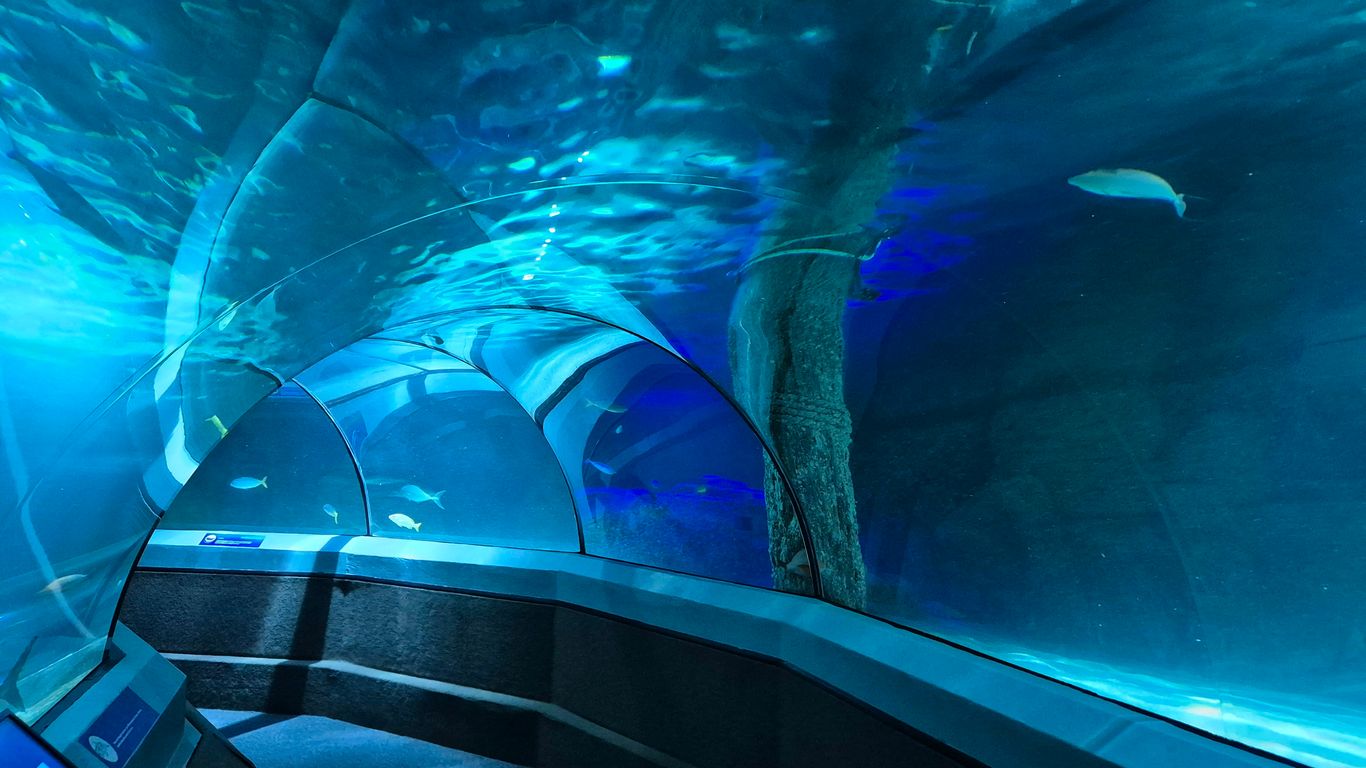
Acrylic is a versatile medium that can be heated and formed into complex curves, tunnels, or cylinders. This allows architects to create immersive experiences, such as walk-through aquarium tunnels that would be structurally prohibitive or incredibly costly to manufacture using curved glass panels.
Integrating modern filtration and specialized piping
Custom fabrication allows for the seamless integration of overflow boxes, specialized intake manifolds, and return piping directly into the tank structure. This streamlines the technical setup, reducing the chance of exterior leaks and ensuring that large display tanks maintain an orderly, professional visual appearance.
Limitations of glass in unconventional aquarium shapes
Standard glass is limited by the manufacturing process which favors flat sheets; bending glass creates internal stresses that significantly reduce its total durability. For designers aiming for fluid, modern shapes, acrylic provides a superior range of possibilities without the structural compromises often associated with bent glass.
Maintenance protocols and upkeep requirements
Maintaining the clarity of an display requires a dedicated approach regardless of the material chosen. Understanding the nuances of your specific material is essential for keeping it clean without causing long-term damage during standard maintenance routines.
Preventing and removing surface scratches
Following a few best practices helps protect your investment effectively. Please keep the following items in mind when developing your cleaning protocol:
- Use only specific, non-abrasive cloths to avoid microscopic surface damage.
- Ensure substrate (sand) is never trapped under your cleaning pads.
- Perform daily inspections to catch debris trapped near the acrylic walls.
- Designate specific tools solely for use inside the display tank.
By keeping these habits consistent, the surface will remain free of deep clouds or unsightly marks.
Chemical compatibility with cleaning solutions
It is critical to use specialized cleaners that are safe for the specific type of plastic used in your project. Harsh household glass cleaners containing ammonia can cause crazing or cracking in acrylic, meaning you must strictly stock acrylic-safe products to ensure the longevity of your display panels.
Specialized tools for acrylic surface restoration
In the event of a deeper scratch, restoration kits are available that involve sequential sanding and buffing. While these processes take time, they are a powerful benefit of using acrylic as they allow you to maintain an immaculate display surface for many years without needing a full unit replacement.
Conclusion
Choosing the ideal aquarium material involves balancing the aesthetic brilliance of acrylic with the scratch-resistant durability of glass, and making that choice should always prioritize the safety of your installed environment and the longevity of your commercial investment.
Frequently Asked Questions
How often should an acrylic tank be polished professionally?
Professional polishing is typically performed only when heavy scratching becomes visible, which can be once every few years with careful maintenance.
Can I use magnetic cleaners on an acrylic tank?
Yes, but you must ensure you use high-quality pads specifically engineered for soft surfaces, as standard glass-grade metal scrapers will cause significant damage.
Do acrylic tanks require special structural support compared to glass?
Because they are lighter, acrylic tanks generally place less strain on floor supports, though their base must be perfectly level to prevent unwanted stress on the acrylic seams.
Will saltwater affect the long-term clarity of the acrylic panels?
High-quality acrylic is chemically inert and does not degrade when exposed to salt water, ensuring it remains as clear as the day it was installed.
How does the cost of custom acrylic compare to custom glass long-term?
While the upfront fabrication cost of acrylic is often higher, its ability to be polished and its impact resistance can offer better value over the multi-decade lifespan of a busy commercial display.
Are there specific temperature limitations for acrylic aquariums?
Acrylic handles standard aquarium temperatures exceptionally well, though it should be kept away from direct heat sources that could cause it to warp over time.
Should I avoid placing an acrylic display in direct window sunlight?
While modern acrylic is treated for stability, excessive UV exposure over many years is best avoided to ensure long-term integrity, which is true for most display materials.