So, you’ve got this cool acrylic thing, maybe a sign or a piece of furniture, and you’re wondering, ‘Can acrylic be recycled?’ It’s a good question, especially with all the talk about being green these days. Acrylic, or PMMA as the science folks call it, is pretty popular. It looks a lot like glass but is way tougher and lighter. We’re going to break down what acrylic is, how it stacks up against glass, and most importantly, whether you can toss it in the recycling bin. We’ll also look at where you see acrylic used and what you can do to be more sustainable with it.
Key Takeaways
- Acrylic, scientifically known as Polymethyl Methacrylate (PMMA), is a clear, strong, and lightweight plastic often used as a glass alternative.
- While acrylic is durable and versatile, its recyclability is complex, and it’s not as widely recycled as some other plastics.
- Challenges in recycling acrylic include the need for specialized processes and the potential for contamination.
- Acrylic finds use in many industries, including signage, construction, and consumer goods, due to its favorable properties like clarity and impact resistance.
- Exploring options like reducing acrylic waste, using recycled acrylic content, and advancements in recycling technologies are key to its sustainable future.
Understanding Acrylic Plastic

What is Acrylic Plastic?
Acrylic plastic, scientifically known as polymethyl methacrylate (PMMA), is a transparent thermoplastic that’s been around for nearly a century. It’s often called acrylic glass because it looks a lot like glass but comes with a different set of properties. Think of it as a modern material that offers a clear alternative to traditional glass in many applications. It’s known for being tough and easy to work with, which is why it’s used in so many different things we see every day.
Key Characteristics of Acrylic
Acrylic plastic has a unique set of traits that make it stand out. For starters, it’s incredibly clear, allowing about 92% of light to pass through, which is pretty impressive. It’s also significantly more resistant to impacts than regular glass – we’re talking up to 30 times stronger, making it a much safer choice in situations where breakage is a concern. Plus, it’s lighter than glass, which makes handling and installation a lot easier. It holds up well against weather and chemicals too, and you can get it in a wide variety of colors and finishes.
Here’s a quick rundown of its main features:
- High Clarity: Offers excellent transparency, similar to glass.
- Impact Resistance: Much tougher and shatterproof compared to glass.
- Lightweight: Easier to handle, transport, and install.
- Weather Resistance: Stands up well to outdoor conditions.
- Versatility: Can be easily cut, shaped, and colored.
- UV Stability: Resists degradation from sunlight.
Acrylic vs. Glass: A Comparative Look
When you’re deciding between acrylic and glass, it really comes down to what you need the material for. Acrylic is a fantastic option if you need something that’s tough and won’t shatter easily. It’s lighter, which is a big plus for installation, and it’s generally more budget-friendly. You can also find it in more colors and finishes than standard glass. On the flip side, glass typically has better scratch resistance and can offer a slightly different optical quality. For applications where extreme scratch resistance or a specific type of clarity is paramount, glass might still be the go-to. However, for most everyday uses where durability and safety are key, acrylic really shines.
| Feature | Acrylic Plastic | Glass |
|---|---|---|
| Clarity | High (approx. 92% light transmission) | Very High |
| Impact Resistance | Excellent (up to 30x stronger than glass) | Moderate |
| Weight | Lightweight (half the weight of glass) | Heavier |
| Shatterproof | Yes | No (can shatter into sharp pieces) |
| Scratch Resistance | Moderate | High |
| Cost | Generally more affordable | Varies, can be more expensive |
| Workability | Easy to cut, shape, and bond | More difficult to cut and shape |
| UV Resistance | Good | Excellent |
Acrylic plastic is a material that offers a compelling blend of clarity, strength, and ease of use, making it a popular choice across many industries. Its ability to mimic glass while providing enhanced durability and safety features sets it apart. This makes it a go-to material for everything from simple signage to complex architectural elements.
The Recyclability of Acrylic
Can Acrylic Be Recycled?
So, can you toss that old acrylic sign or broken picture frame into the recycling bin? The short answer is: it’s complicated. Acrylic plastic, scientifically known as Polymethyl Methacrylate (PMMA), is technically recyclable, but it’s not as simple as tossing it into your regular curbside bin. Unlike more common plastics like PET (used in water bottles) or HDPE (used in milk jugs), acrylic requires specialized facilities and processes to be recycled effectively. Standard municipal recycling programs often don’t have the infrastructure to handle it, meaning it usually ends up in landfills or incinerators if not specifically collected for recycling.
Challenges in Acrylic Recycling
There are a few hurdles that make recycling acrylic a bit tricky. For starters, it needs to be separated from other types of plastics. If it gets mixed in, it can contaminate the recycling stream, making the whole batch unusable. Then there’s the collection aspect. Because it’s not widely accepted in curbside programs, you often have to seek out specific drop-off locations or specialized recycling services. This lack of widespread collection infrastructure is a major barrier.
Here’s a quick look at why it’s challenging:
- Material Purity: Acrylic needs to be clean and free from contaminants like paint, adhesives, or other plastics to be recycled properly.
- Collection Systems: Most curbside recycling programs aren’t equipped to sort and process acrylic.
- Processing Technology: Recycling acrylic often involves processes like depolymerization, which breaks the plastic back down into its original monomer. This requires specific, often energy-intensive, technology.
- Economic Viability: The cost of collecting, sorting, and reprocessing acrylic can sometimes outweigh the value of the recycled material, making it less economically attractive than recycling other plastics.
The Potential for Acrylic Recycling
Despite the challenges, there’s definitely potential for acrylic recycling. Companies and researchers are exploring more efficient methods to reclaim and reuse acrylic. When acrylic is recycled, it can be turned back into raw materials for new products, reducing the need for virgin plastic production. This closed-loop system is the goal. Some manufacturers are already incorporating recycled acrylic into their products, which is a great step forward. Finding these specialized recycling options is key to making it work. If you have acrylic items you want to dispose of responsibly, it’s worth looking into local recycling centers or manufacturers that accept acrylic for recycling. You might be surprised at what options are available, especially if you’re looking for recycled acrylic options for your next project.
The journey of acrylic from a finished product back to a raw material is complex. It requires dedicated systems and consumer participation to divert it from landfills. While not as common as recycling other plastics, advancements in recycling technology and growing environmental awareness are paving the way for more sustainable acrylic practices.
Acrylic’s Role in Various Industries
Acrylic plastic, known scientifically as PMMA (Polymethyl methacrylate), has carved out a significant niche across a wide array of industries due to its unique combination of properties. It’s not just a substitute for glass; it’s a material that enables new possibilities in design and functionality. Its clarity, strength, and adaptability make it a go-to choice for many applications.
Acrylic in Signage and Displays
When it comes to making signs, acrylic is a real workhorse. It holds up well both inside and outside, meaning it can handle whatever the weather throws at it. Plus, it’s easy to shape and mold, so companies can get signs made exactly how they want them, fitting their brand perfectly. You see acrylic signs everywhere – hotels, shops, restaurants, even office nameplates. It’s a solid choice if you need something that looks good and lasts.
- High Clarity: Offers excellent visibility for text and graphics.
- Durability: Resists weathering and impact, suitable for outdoor use.
- Formability: Can be easily cut, bent, and shaped for custom designs.
- Versatility: Available in various colors, finishes, and transparencies.
Acrylic in Construction and Glazing
In construction, acrylic serves as a lighter, safer alternative to traditional glass. Its impact resistance means it’s less likely to shatter, which is a big plus for safety, especially in public spaces or areas prone to vandalism. Think of it for things like secondary glazing, protective barriers, or even aquarium tanks where clarity and strength are paramount. Its weather resistance also means it holds up well in outdoor applications like skylights or bus shelters. The fact that it’s half the weight of glass also makes installation much simpler and safer. Buyers are increasingly seeking sustainable acrylic sheets that do not compromise on essential performance qualities.
Acrylic in Consumer Goods
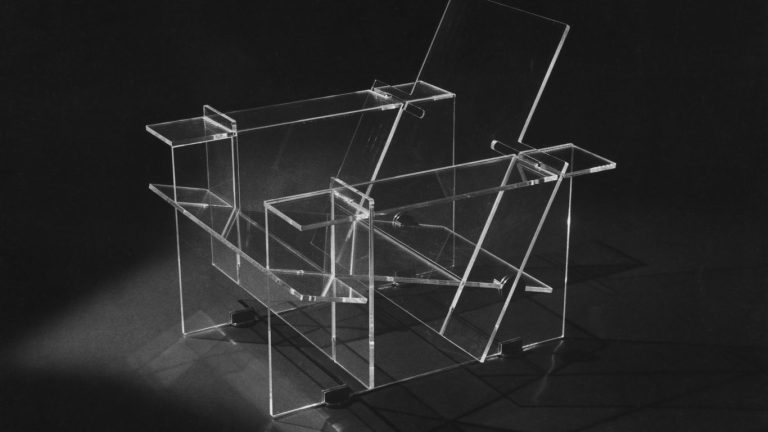
Beyond industrial uses, acrylic finds its way into countless everyday items. From sleek furniture and decorative items to protective cases for electronics and even components in appliances, its versatility shines. Its ability to be molded into complex shapes and its aesthetic appeal make it a popular choice for designers. Whether it’s a clear display box for collectibles or a colored component in a household item, acrylic offers a blend of form and function. Its transparency also makes it a great material for things like phone screens or watch faces, offering a clear view with good scratch resistance. The material’s clarity enhances natural light and creates an illusion of space, making it ideal for interiors and architecture.
Acrylic’s widespread adoption is a testament to its balanced properties. It offers a practical solution that often outperforms traditional materials like glass in terms of safety and weight, without sacrificing visual appeal or durability. This makes it a material of choice for both functional and aesthetic applications across many sectors.
Sustainable Practices with Acrylic
When we talk about making better choices for the planet, acrylic plastic often comes up. While it’s a durable and useful material, thinking about how we use and dispose of it is pretty important. The good news is, there are ways to be more mindful about acrylic.
Reducing Acrylic Waste
Minimizing waste starts with how we buy and use acrylic products. Instead of opting for single-use items, consider durable, reusable options. When ordering custom acrylic pieces, plan carefully to avoid over-ordering or needing frequent replacements. Think about the lifespan of the product and if a more sustainable material might be suitable for shorter-term needs.
- Buy durable products: Invest in items made from high-quality acrylic that are built to last.
- Plan projects carefully: Measure twice, cut once, especially when working with acrylic sheets for fabrication.
- Repair instead of replace: Small scratches or cracks on acrylic can often be buffed out or repaired, extending the life of the item.
- Choose suppliers with good practices: Look for companies that offer custom cutting to minimize material waste during production.
Exploring Recycled Acrylic Options
Recycling acrylic is definitely possible. Through a process called mechanical recycling, old acrylic can be ground down and melted to create new products. This is a great way to keep materials out of landfills and reduce the need for virgin plastic production. While not all acrylic products are easily collected for recycling, the technology exists and is growing. Some manufacturers are starting to incorporate recycled acrylic into their new products, offering a more circular option for consumers. Seeking out these recycled options is a direct way to support a more sustainable acrylic industry.
The push for more sustainable materials means that companies are increasingly looking for ways to reuse plastics like acrylic. This not only helps the environment but can also lead to innovative new products.
The Future of Sustainable Acrylic Use
The future looks promising for more responsible acrylic use. Innovations in recycling technology and a growing consumer demand for eco-friendly products are driving change. We’re likely to see more products made from recycled acrylic and perhaps even new bio-based acrylic alternatives emerge. As awareness grows, so does the potential for acrylic to be part of a more circular economy. It’s about making informed choices, supporting sustainable brands, and advocating for better recycling infrastructure. The journey towards sustainability is ongoing, and acrylic has a role to play in it.
Here’s a quick look at how acrylic stacks up in terms of its potential for reuse:
| Feature | Description |
|---|---|
| Recycling Method | Mechanical recycling (grinding and remelting) |
| Recycled Content | Increasing availability in new products |
| Environmental Impact | Reduces landfill waste, conserves resources |
| Availability | Growing, but varies by region and product type |
| Key Benefit | Extends material lifespan, reduces demand for new plastic production |
Acrylic Fabrication and Processing
Working with Acrylic Sheets
Acrylic sheets are pretty straightforward to work with, which is a big reason they’re so popular for all sorts of projects. They’re lighter than glass and don’t shatter, making them safer to handle. You can get them in a ton of different sizes, colors, and thicknesses, so finding the right one for your needs is usually not a problem. Whether you’re cutting, drilling, or shaping, acrylic is generally forgiving.
- Cutting: For straight cuts, a standard scoring knife or a specialized acrylic cutter works well. Just score the line firmly and then snap the sheet. For more intricate shapes, a jigsaw or a table saw with a fine-tooth blade can be used. Always make sure the acrylic is well-supported to prevent cracking.
- Drilling: Use standard drill bits, but go slow and use a low speed to avoid melting the plastic. A backing piece of wood can help prevent chipping on the exit side.
- Bending: Acrylic can be heated and bent into curves. This usually involves using a heat gun or a strip heater to warm the sheet evenly along the bend line.
Joining and Finishing Acrylic
Getting pieces of acrylic to stick together or giving them a nice finish is also pretty manageable. There are a few ways to join acrylic, and the best method often depends on how strong and clean you need the joint to be.
- Adhesives: Special acrylic glues, often solvent-based, create a strong bond by slightly melting the surfaces. Cyanoacrylate (super glue) can also work for smaller, less demanding joints. Always test your adhesive on a scrap piece first.
- Heat Welding: For very strong, seamless joints, you can melt the edges of the acrylic together. This requires specific equipment and some practice.
- Polishing: Scratches are a common issue, but they’re usually easy to fix. Light scratches can often be buffed out with a soft cloth and a plastic polish. Deeper scratches might require wet sanding followed by polishing.
Working with acrylic often involves a bit of trial and error, especially when you’re first starting out. Don’t be afraid to experiment on scrap pieces to get a feel for how the material behaves under different conditions. Patience is key to achieving professional-looking results.
Customizing Acrylic Products
One of the best things about acrylic is how easy it is to customize. You can cut it, shape it, and even add graphics or text to create unique items. This versatility makes it a go-to material for everything from custom signage to display stands.
- Engraving: Laser engraving can add detailed text or designs to the surface, creating a frosted or etched look.
- Printing: UV printing allows for full-color graphics to be applied directly to the acrylic surface.
- Fabrication: Beyond simple cuts and bends, acrylic can be thermoformed into complex shapes or combined with other materials for more elaborate designs. This is how many custom acrylic display cases and stands are made.
The ability to easily cut, shape, and join acrylic makes it an incredibly adaptable material for a wide range of custom applications. Whether you need a simple sign or a complex display, acrylic fabrication offers a lot of creative freedom. You can find a variety of acrylic sheets suitable for these processes at suppliers who offer custom cutting services.
Working with acrylics involves special techniques to shape and finish them just right. Whether you need custom designs or simple cuts, understanding the best ways to handle this material is key. We can help you achieve exactly what you’re looking for with our expert acrylic fabrication and processing services. Visit our website to learn more about how we can bring your ideas to life!
So, Can Acrylic Be Recycled?
When it comes to recycling acrylic, it’s not as straightforward as some other plastics. While technically possible through chemical recycling processes, it’s not widely available everywhere. This means that for now, a lot of acrylic items end up in landfills or incinerators. The good news is that acrylic is a durable material, so products made from it tend to last a long time. When you’re done with an acrylic item, check with local recycling centers or specialized plastic recyclers to see if they accept it. If not, consider reusing or repurposing the acrylic before discarding it. Making informed choices about how we use and dispose of materials like acrylic is a big step towards a more sustainable future.
Frequently Asked Questions
What exactly is acrylic plastic?
Acrylic plastic, also known by its science name Polymethyl Acrylate (PMMA), is a strong and clear type of plastic. It’s often used as a substitute for glass because it’s lighter and much harder to break. Think of it as a super-tough, clear material that’s great for many different projects.
Is acrylic really recyclable?
Yes, acrylic plastic can be recycled. It can be melted down and remade into new acrylic products. However, recycling acrylic isn’t as common as recycling some other plastics, and it often requires special processes.
Why is acrylic used so much in signs and displays?
Acrylic is fantastic for signs and displays because it’s super clear, like glass, but way more durable and shatter-resistant. It’s also easy to cut, shape, and color, so businesses can create eye-catching signs that look great both inside and outside.
How is acrylic different from glass?
While both are clear, acrylic is about 30 times stronger and more resistant to breaking than glass. It’s also much lighter, making it easier and safer to handle and install. Plus, acrylic is less likely to shatter into dangerous pieces if it does break.
Can I cut or shape acrylic myself?
You sure can! Acrylic is known for being easy to work with. You can cut it, drill it, bend it with heat, and even glue it together. This makes it a popular choice for DIY projects and custom designs.
What are some everyday examples of acrylic use?
You see acrylic everywhere! It’s used for things like picture frames, furniture, windows on boats or RVs, phone screens, and even in aquariums because it’s so clear and strong. It’s also used for things like shower doors and protective barriers.