Thinking about using acrylic for your next project? It’s a really popular material for a reason. It’s tough, looks good, and you can do a lot with it. Whether you need signs, custom parts, or just something to protect a surface, custom acrylic fabrication can get you exactly what you’re after. This guide will walk you through what you need to know, from picking the right material to getting it made.
Key Takeaways
- Acrylic is a versatile plastic known for its clarity, strength, and weather resistance, making it a great alternative to glass.
- When designing with acrylic, consider the different sheet types, colors, and finishes available to match your project’s needs.
- Various fabrication techniques like laser cutting, CNC machining, bonding, and bending allow for intricate shapes and custom designs.
- Custom acrylic fabrication is used in many areas, including signage, displays, furniture, decor, and protective barriers.
- Choosing the right fabricator is important for getting high-quality, durable results that meet your specific requirements.
Understanding Custom Acrylic Fabrication
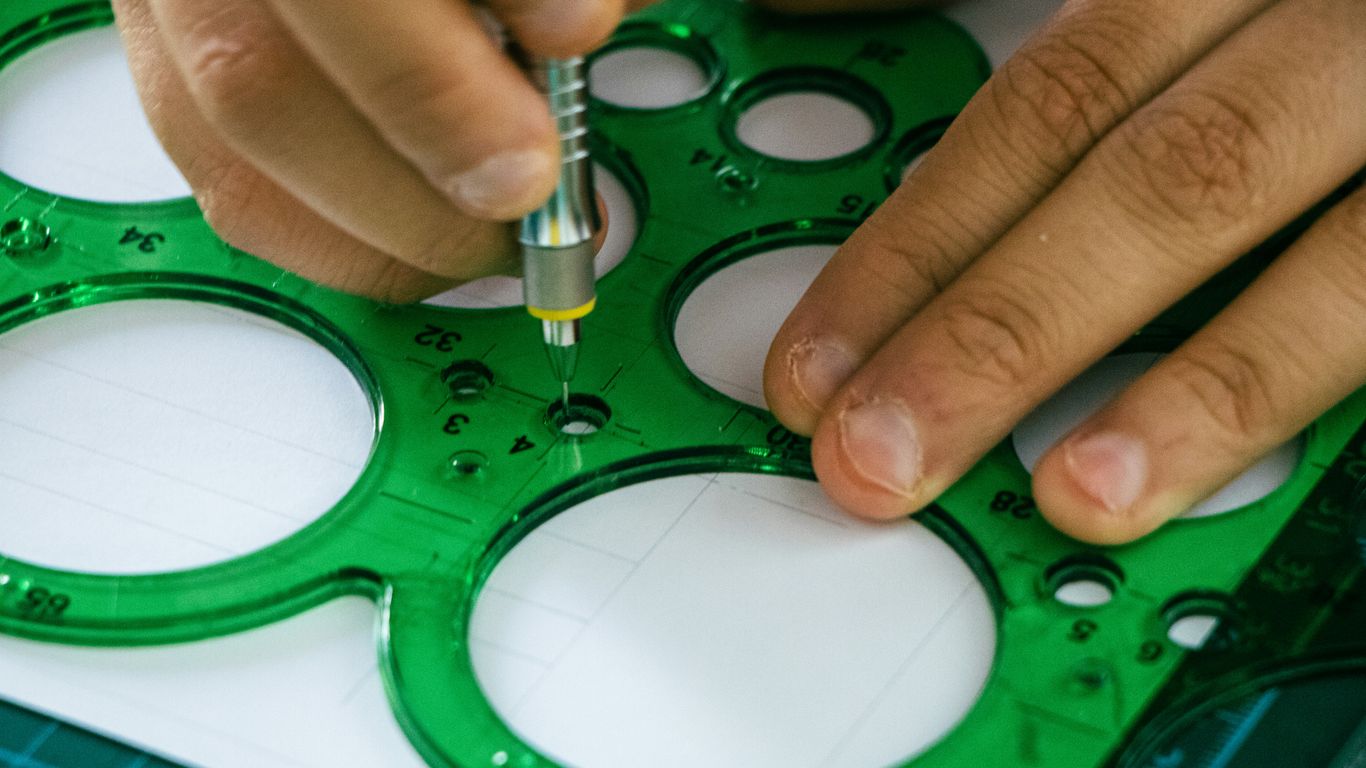
The Versatility of Acrylic Materials
Acrylic, often known by trade names like Plexiglas or Perspex, is a synthetic material that has become incredibly popular for a wide range of applications. Its rise in popularity isn’t by accident; it’s due to a combination of practical properties that make it a go-to choice for designers and fabricators alike. Think of it as a modern material that offers a lot of bang for your buck.
What makes acrylic so special? For starters, it’s remarkably clear. We’re talking about optical clarity that rivals glass, allowing light to pass through with minimal distortion. This makes it a fantastic substitute for glass in many situations, especially where safety is a concern. Unlike glass, acrylic is much more resistant to impact. It’s significantly harder to break, and when it does break, it doesn’t shatter into dangerous shards. This shatter-resistant quality is a big deal for anything from display cases to protective barriers.
Beyond its clarity and toughness, acrylic is surprisingly lightweight. This makes it easier to handle, transport, and install compared to glass, which can be a significant advantage in large-scale projects or for DIY applications. It also holds up well against the elements, resisting weathering and UV radiation, which means it won’t yellow or become brittle when exposed to sunlight over time. This durability extends to its resistance to certain chemicals, too.
Key Properties of Acrylic Sheets
When you’re looking at custom acrylic fabrication, understanding the specific properties of acrylic sheets is key. These sheets are the building blocks for most projects, and knowing their characteristics helps in making informed design and fabrication choices.
Here’s a quick rundown of what you can expect:
- Transparency: Acrylic offers exceptional clarity, with up to 92% light transmission. This makes it ideal for applications where visibility is paramount, like display cases or windows.
- Impact Resistance: It’s about 30 times stronger than standard glass. This makes it a safer choice for areas prone to impact or where breakage is a concern.
- Weight: Acrylic is roughly half the weight of glass, making it easier to work with and reducing structural load.
- Weather Resistance: It holds up well outdoors, resisting UV rays and moisture without significant degradation.
- Workability: Acrylic can be easily cut, drilled, and shaped using various techniques, allowing for complex designs.
- Surface Hardness: While strong, the surface can be scratched more easily than glass. However, scratches can often be polished out.
The combination of these properties makes acrylic a highly adaptable material for a vast array of uses.
Acrylic vs. Traditional Materials
When considering acrylic for a project, it’s helpful to see how it stacks up against more traditional materials, particularly glass. While glass has been a staple for centuries, acrylic brings a modern set of advantages to the table.
Here’s a comparison:
| Feature | Acrylic | Glass |
|---|---|---|
| Impact Resistance | High (approx. 30x stronger than glass) | Low |
| Weight | Lightweight (approx. half of glass) | Heavy |
| Shatter Risk | Low (shatter-resistant) | High (shatters easily) |
| Clarity | Excellent (92% light transmission) | Excellent |
| Workability | Easy to cut, shape, and bond | Difficult to cut and shape; requires special tools |
| Cost | Generally more affordable | Varies, but can be more expensive for specialized types |
| UV Resistance | Excellent | Can degrade or discolor over time |
While glass offers a certain timeless appeal and superior scratch resistance in some cases, acrylic’s blend of safety, ease of fabrication, and cost-effectiveness often makes it the more practical choice for custom projects. Its ability to be molded and shaped opens up design possibilities that are simply not feasible with glass. Acrylic sheets are a testament to this modern material’s potential.
Acrylic’s versatility means it can be used for everything from intricate signage and displays to durable furniture and protective barriers. Its adaptability allows for creative solutions that traditional materials might not easily accommodate. This makes it a strong contender for many modern design and fabrication needs.
Designing for Custom Acrylic Fabrication
When you’re planning a project that uses custom acrylic, thinking about the design upfront makes a big difference. It’s not just about the final look; it’s about how the material itself behaves and what’s possible with it. Acrylic is pretty forgiving, but knowing its quirks helps avoid headaches later on.
Exploring Acrylic Sheet Types
Acrylic isn’t just one thing. There are different kinds, and they’re suited for different jobs. You’ve got your standard clear sheets, which are great for displays or protective barriers because they’re almost as clear as glass but much lighter and tougher. Then there are colored sheets, which open up a whole world of design possibilities for signs or decorative elements. Frosted acrylic offers a softer look, good for privacy screens or when you want to diffuse light. And don’t forget mirror acrylic, which can add a reflective touch without the fragility of glass.
- Clear Acrylic: High transparency, good for windows, displays, and protective barriers.
- Colored Acrylic: Available in a vast range of hues for branding, signage, and artistic pieces.
- Frosted Acrylic: Provides a matte finish for privacy and decorative lighting effects.
- Mirror Acrylic: Offers a reflective surface, safer than glass mirrors for various applications.
Color and Finish Options
Beyond the basic types, acrylic comes in a huge variety of colors and finishes. You can get anything from bright, bold colors to subtle pastels, or even metallic finishes. The surface finish can also change the feel of the piece. A high-gloss finish can look sleek and modern, while a matte or textured finish can add a different kind of sophistication. Think about how the color and finish will interact with light and the surrounding environment.
The choice of color and finish can dramatically alter the perceived quality and aesthetic of an acrylic piece. A vibrant color might be perfect for a retail display, while a muted tone could be better suited for office furniture.
Customization Through Cutting and Shaping
This is where acrylic really shines. It can be cut into almost any shape imaginable. Whether you need intricate patterns for a decorative panel or simple geometric forms for a product display, the material can handle it. You can also bend and mold acrylic using heat, allowing for curved designs that would be difficult or impossible with other materials. This flexibility means you can create truly unique pieces tailored exactly to your project’s needs. For precise cuts and complex shapes, laser cutting or CNC machining are often used, providing clean edges and accurate results. You can find more information on acrylic fabrication techniques.
| Feature | Description |
|---|---|
| Cutting | Can be cut into virtually any shape using various methods. |
| Shaping | Can be thermoformed (bent and molded) into curved or complex shapes. |
| Edge Finishing | Edges can be polished to a glass-like smoothness or left with a frosted look. |
| Design Freedom | Allows for highly customized and intricate designs. |
Fabrication Techniques for Acrylic
Working with acrylic involves a few key techniques to get the shapes and finishes you’re after. It’s not like wood or metal, so you need to use the right methods. Getting these techniques down is what separates a good acrylic project from a great one.
Cutting and Scoring Acrylic
Cutting acrylic can be done in a few ways, depending on the thickness and the precision needed. For thinner sheets, a simple scoring tool works well. You score a line firmly with the tool, then carefully snap the acrylic along that line. It’s a bit like cutting glass, but acrylic is more forgiving. For thicker pieces or more complex shapes, a saw might be necessary. A fine-toothed blade on a circular saw or jigsaw is usually best to avoid chipping. Always make sure the acrylic is well-supported to prevent cracking during the cut. If you’re looking for really intricate designs, laser cutting is the way to go, but we’ll get to that later.
Bonding and Joining Acrylic Pieces
Joining acrylic pieces requires a specific approach. You can’t just use any old glue. Special acrylic adhesives, often solvent-based, are used to create a strong, clear bond. These solvents actually melt the surface of the acrylic slightly, allowing the pieces to fuse together as the solvent evaporates. It’s important to work in a well-ventilated area and apply the adhesive carefully to avoid drips or smudges. For less critical joints, or if you want a more forgiving process, a strong cyanoacrylate (super glue) can work for smaller projects. The key is clean surfaces and proper application.
Bending and Molding Acrylic
Acrylic can be heated and bent into curves and shapes. This process is called thermoforming. You’ll need a heat gun or a specialized oven to warm the acrylic sheet evenly. Once it’s pliable, you can bend it over a form or jig. It’s important not to overheat the material, as this can cause bubbling or discoloration. Cooling the acrylic slowly in the desired shape helps it retain its form. This technique is great for creating custom display stands, curved panels, or unique decorative elements. It takes a bit of practice to get consistent results, but it opens up a lot of design possibilities.
Here’s a quick look at some common methods:
- Scoring and Snapping: Best for straight cuts on thinner sheets.
- Sawing: Suitable for thicker materials and more complex shapes, use fine-tooth blades.
- Solvent Bonding: Creates strong, invisible seams by fusing the material.
- Thermoforming: Heating and bending acrylic for curved designs.
Working with acrylic requires patience and the right tools. Understanding these basic fabrication techniques will help you achieve professional-looking results for your projects. Don’t be afraid to experiment on scrap pieces first to get a feel for how the material behaves under different conditions.
For more detailed information on fabrication processes, you can explore essential information for mastering acrylic fabrication.
Applications of Custom Acrylic Fabrication
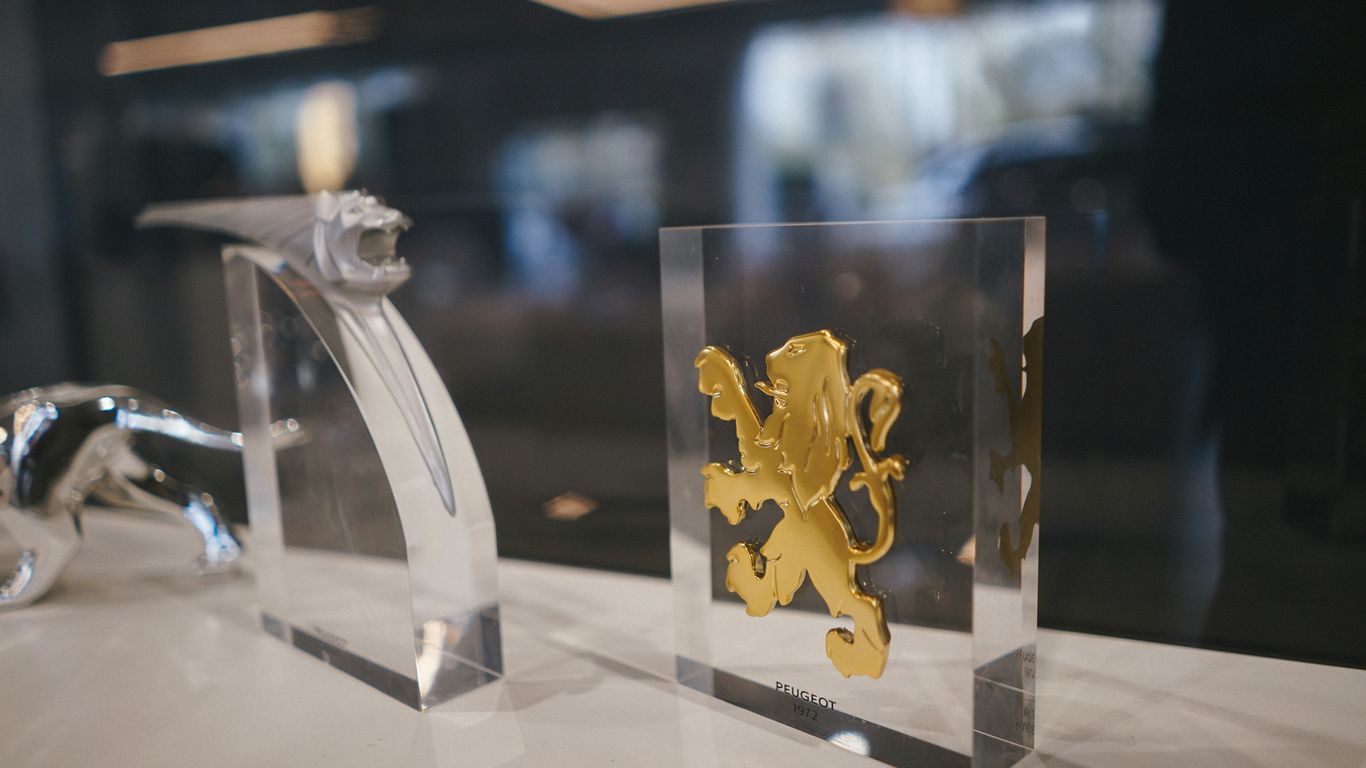
Acrylic’s unique combination of clarity, durability, and formability makes it a go-to material for a surprisingly wide range of uses. It’s not just for fancy displays; it’s practical stuff too.
Acrylic for Signage and Displays
When it comes to making a statement, acrylic really shines. It’s a top choice for signs because it looks good and holds up well, both inside and out. Think about the signs you see at shops, hotels, or even just nameplates on office doors – many of those are acrylic. It can be cut, shaped, and even lit up to grab attention. Plus, you can print directly onto it or add vinyl graphics, giving you tons of design freedom. It’s also great for display stands and holders, keeping things organized and looking sharp.
- Retail Displays: Showcasing products in a clean, modern way.
- Wayfinding Signage: Helping people navigate buildings and spaces.
- Point-of-Purchase Displays: Drawing customers to specific items.
- Exhibition Booths: Creating eye-catching structures and information panels.
Acrylic offers a fantastic balance of aesthetics and function for any business looking to make a visual impact. Its ability to be customized means it can fit any brand’s identity perfectly.
Acrylic in Furniture and Decor
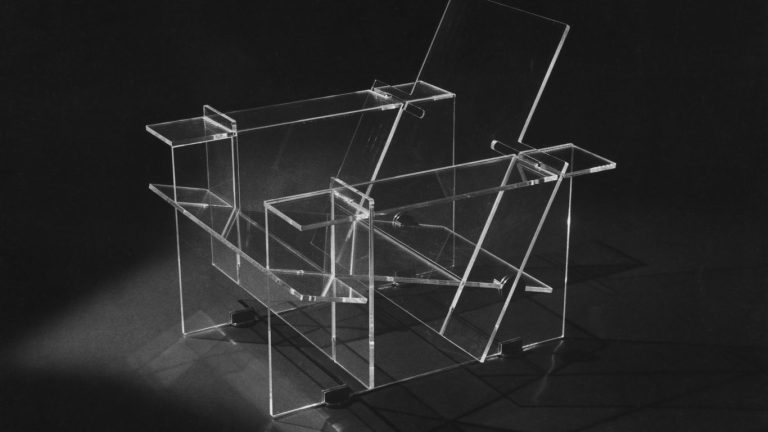
Beyond signs, acrylic is popping up more and more in homes and businesses as furniture and decorative pieces. Its transparency can make a space feel larger and more open. You’ll see it in coffee tables, chairs, shelves, and even lighting fixtures. It’s also used for things like custom picture frames or decorative panels. Because it’s lighter than glass, it’s easier to move around and install, which is a big plus for home decor projects. You can find pre-cut acrylic sheets for various creative needs that are perfect for DIY furniture upgrades or unique decor items.
Protective Barriers and Glazing
Acrylic isn’t just about looks; it’s also about protection. Its impact resistance makes it a safer alternative to glass in many situations. This is why it’s often used for protective barriers, like sneeze guards in restaurants or partitions in offices. It’s also used for glazing in places where safety is a concern, such as schools or public transport shelters. Because it’s shatter-resistant, it reduces the risk of injury from broken pieces. It’s also a good option for secondary glazing, helping with insulation without the weight of traditional glass.
- Sneeze Guards: Maintaining hygiene in service areas.
- Machine Guards: Protecting workers from moving parts in industrial settings.
- Aquarium Tanks: Providing a clear, strong viewing window.
- Skylights and Windows: Offering a durable, lightweight alternative to glass.
Achieving Precision in Fabrication
Getting acrylic pieces exactly right requires attention to detail and the right tools. Whether you’re cutting intricate shapes or creating smooth, finished edges, precision is key to a professional outcome. This section looks at the techniques that help fabricators achieve accuracy.
Laser Cutting for Intricate Designs
Laser cutting is a fantastic method for creating complex designs in acrylic. The laser beam precisely follows a digital path, allowing for very fine details and sharp corners that would be difficult to achieve with other methods. It’s especially good for patterns, logos, or delicate latticework. The edges produced are often smooth and polished, sometimes eliminating the need for further finishing.
- High Accuracy: Lasers can cut with very tight tolerances, often within fractions of a millimeter.
- Intricate Details: Capable of producing very small holes, sharp points, and complex curves.
- Clean Edges: Often results in a flame-polished edge, which is smooth and clear.
- Non-Contact Process: The laser doesn’t physically touch the material, reducing the risk of material distortion or contamination.
CNC Machining for Complex Shapes
CNC (Computer Numerical Control) machining uses computer-controlled tools to cut, drill, and shape acrylic. This method is excellent for creating three-dimensional forms, precise holes, and complex contours. Unlike laser cutting, which vaporizes material, CNC machining physically removes it with cutting bits. This makes it suitable for creating parts that need specific depths or features that laser cutting can’t produce.
CNC machines offer a high degree of repeatability, meaning you can produce identical parts consistently, which is vital for larger production runs or when components need to fit together perfectly.
Polishing for a Flawless Finish
After cutting or machining, acrylic edges can sometimes appear frosted or slightly rough. Polishing techniques are used to restore clarity and create a smooth, glass-like finish. Common methods include:
- Flame Polishing: Briefly passing a controlled flame over the edge to melt and smooth the surface.
- Buffing: Using abrasive compounds and buffing wheels to gradually remove imperfections.
- Diamond Edge Polishing: Using specialized machines with diamond-tipped tools to create a perfectly smooth, high-gloss edge.
Choosing the right polishing method depends on the desired finish and the type of edge created by the initial fabrication process. For many applications, a polished edge is what gives custom acrylic pieces their premium look and feel. You can find more details on various fabrication techniques at essential acrylic fabrication techniques.
| Technique | Best For |
|---|---|
| Laser Cutting | Intricate patterns, fine details, sharp corners |
| CNC Machining | 3D shapes, precise holes, complex contours |
| Flame Polishing | Quick edge smoothing, clear finish |
| Diamond Polishing | High-gloss, perfectly smooth edges |
Choosing the Right Acrylic Fabricator
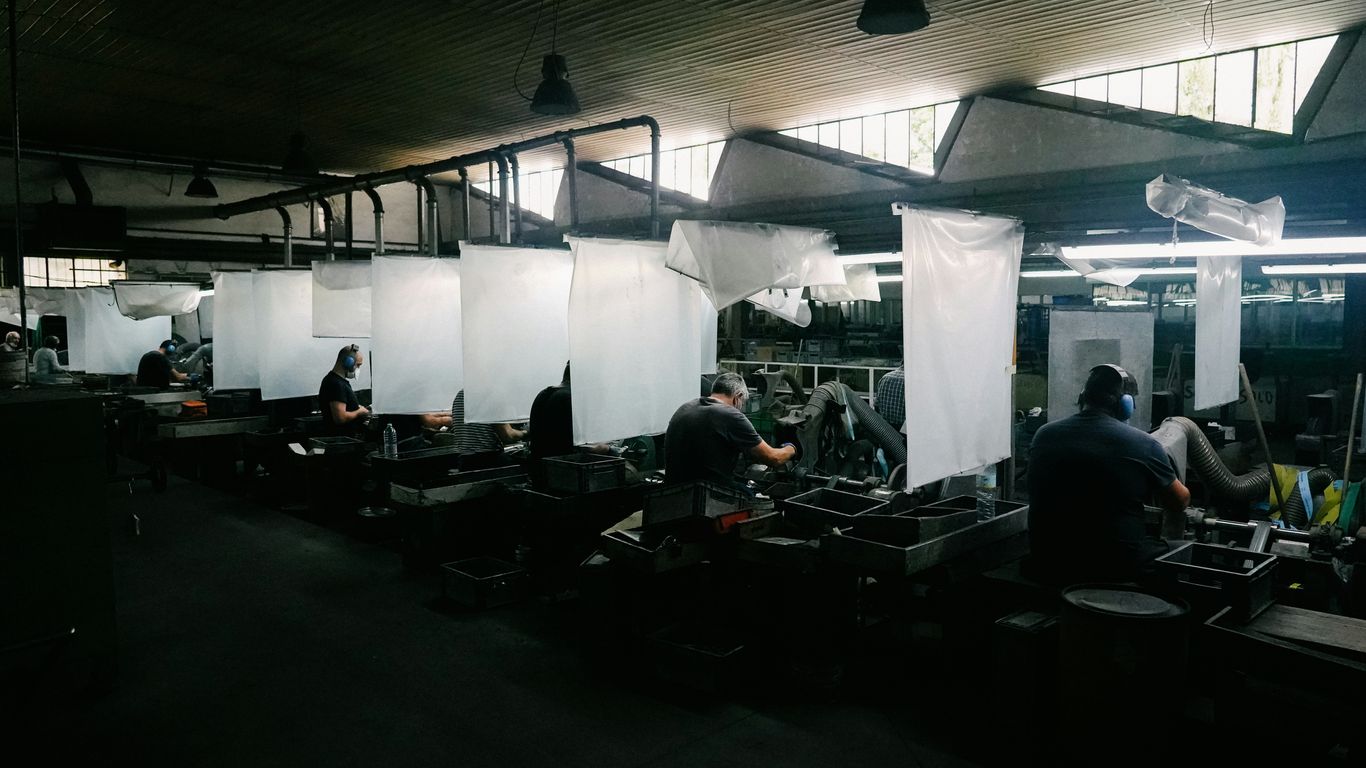
Finding the right company to fabricate your custom acrylic project is just as important as the design itself. A good fabricator can bring your vision to life with precision and quality, while a less experienced one might lead to frustration and a subpar result. So, what should you look for when making this choice?
Evaluating Fabrication Expertise
When you’re looking for someone to handle your acrylic work, pay attention to their experience. How long have they been in the business? Do they have a portfolio of past projects that showcase their skills, especially with designs similar to yours? It’s also helpful to see if they have experience with the specific techniques you need, whether that’s intricate laser cutting, complex CNC machining, or precise bending and molding. Don’t hesitate to ask questions about their process and how they handle challenges.
- Ask about their experience with specific materials and finishes.
- Review their portfolio for relevant projects.
- Inquire about their quality control measures.
Understanding Material Sourcing
The quality of the acrylic sheet itself plays a big role in the final product. A reputable fabricator will source their materials from reliable suppliers. They should be able to tell you where their acrylic comes from and what specifications it meets. Some fabricators might even offer a range of acrylic types, like cast or extruded, each with slightly different properties suitable for various applications. Knowing that your material is high-quality from the start makes a difference.
The type and quality of the acrylic sheet used can significantly impact the durability, clarity, and overall appearance of the finished piece. It’s worth discussing material options with your fabricator.
Ensuring Quality and Durability
Ultimately, you want a custom acrylic piece that looks great and lasts. This comes down to the fabricator’s attention to detail and commitment to quality. A good fabricator will stand behind their work. Ask about their warranty or guarantee policies. They should be transparent about their processes, from cutting and bonding to finishing. A fabricator who takes pride in their craftsmanship will ensure that every edge is smooth, every joint is strong, and the final piece meets your expectations. You can often gauge this by how they communicate and their willingness to address any concerns you might have during the process. For example, some companies specialize in cut-to-size acrylic sheets, ensuring precision from the very beginning of the fabrication process cut to size acrylic sheets.
Here’s a quick checklist to help you evaluate potential fabricators:
| Factor | Excellent | Good | Needs Improvement |
|---|---|---|---|
| Portfolio | Diverse, high-quality, relevant projects | Some relevant projects, decent quality | Limited or no relevant examples |
| Communication | Responsive, clear, proactive | Generally responsive, answers questions | Slow to respond, unclear communication |
| Material Knowledge | Deep understanding of acrylic types & uses | Basic knowledge of common acrylic types | Limited understanding of material properties |
| Quality Control | Rigorous checks at multiple stages | Standard checks before delivery | Minimal or no quality checks |
| Customer Reviews | Consistently positive feedback | Mixed reviews, some positive | Mostly negative feedback |
Picking the right company to make your acrylic items can feel tricky. You want someone who knows what they’re doing and can bring your ideas to life. Think about their experience and if they have a good track record. Don’t just guess; do a little research! Visit our website to see how we can help you with your next acrylic project.
Wrapping Up Your Acrylic Project
So, we’ve gone over a lot about working with acrylic. It’s a pretty neat material, really. You can cut it, shape it, and it looks good for all sorts of things, from signs to displays. Remember to think about what you need the acrylic for – like if it needs to be super clear, colored, or maybe even mirrored. And don’t forget the tools and techniques we talked about; they make a big difference in getting a clean finish. Whether you’re making something simple or a bit more complex, acrylic gives you a lot of options. Just take your time, plan it out, and you’ll likely end up with something you’re happy with.
Frequently Asked Questions
What is acrylic and why is it used so much?
Acrylic is a strong, clear plastic that’s like glass but much harder to break. It’s used a lot because it’s lightweight, looks great, and can be easily shaped into almost anything. Plus, it doesn’t break easily and can handle different weather, making it perfect for signs, displays, and even furniture.
Can I cut acrylic myself, and how?
Yes, you can cut acrylic! For straight cuts, you can use a special scoring tool. You mark your line, run the tool along it a few times to make a groove, and then carefully snap the acrylic along that line. Always wear gloves and eye protection when cutting to stay safe from sharp edges.
How do you stick acrylic pieces together?
You can stick acrylic pieces together using a special acrylic glue, also called a solvent cement. You just need to clean the edges well, put a little bit of the glue on, press the pieces together, and let it dry. It creates a super strong, clear bond that looks like the pieces are one solid piece.
What are some cool things made from acrylic?
Acrylic is used for all sorts of cool stuff! Think about signs for businesses, clear display cases for products, stylish furniture like tables and shelves, and even protective barriers. It’s also used for things like picture frames, awards, and decorative items because it can be made in so many colors and finishes.
Is acrylic good for signs that will be outside?
Absolutely! Acrylic is fantastic for outdoor signs. It’s tough and can handle sun, rain, and wind without getting damaged or losing its color. It’s also lightweight, which makes hanging signs easier. Many businesses use acrylic for their signs because they look professional and last a long time.
What’s the difference between clear acrylic and frosted acrylic?
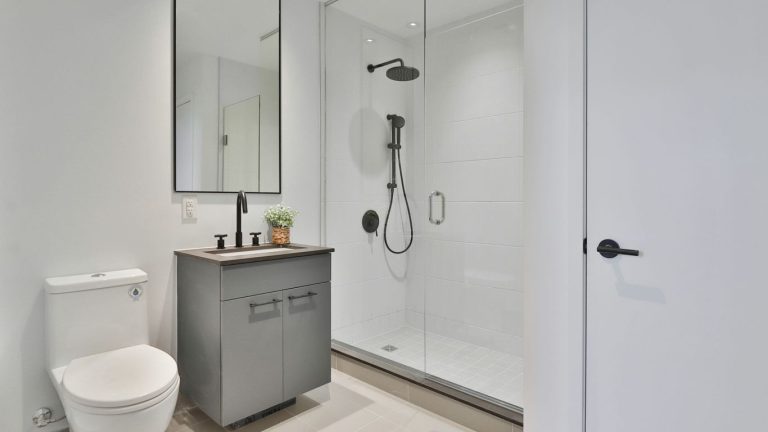
Clear acrylic is see-through, just like glass, giving you a perfect view of whatever is behind it. Frosted acrylic, on the other hand, has a cloudy or matte finish. It still lets light through, but you can’t see clearly through it, which is great for adding privacy to things like shower doors or decorative panels.