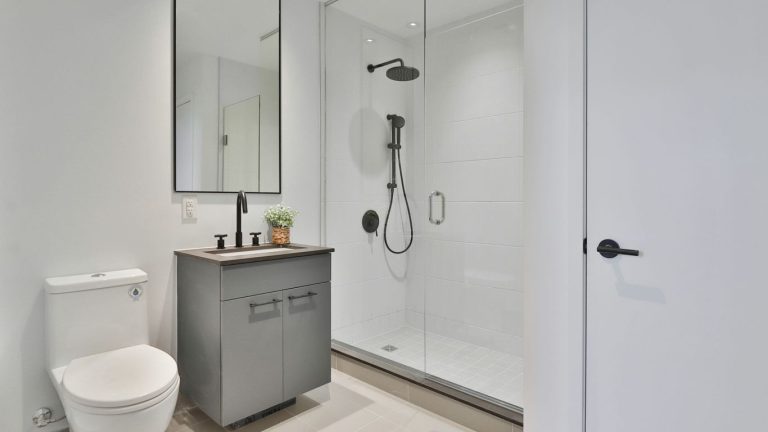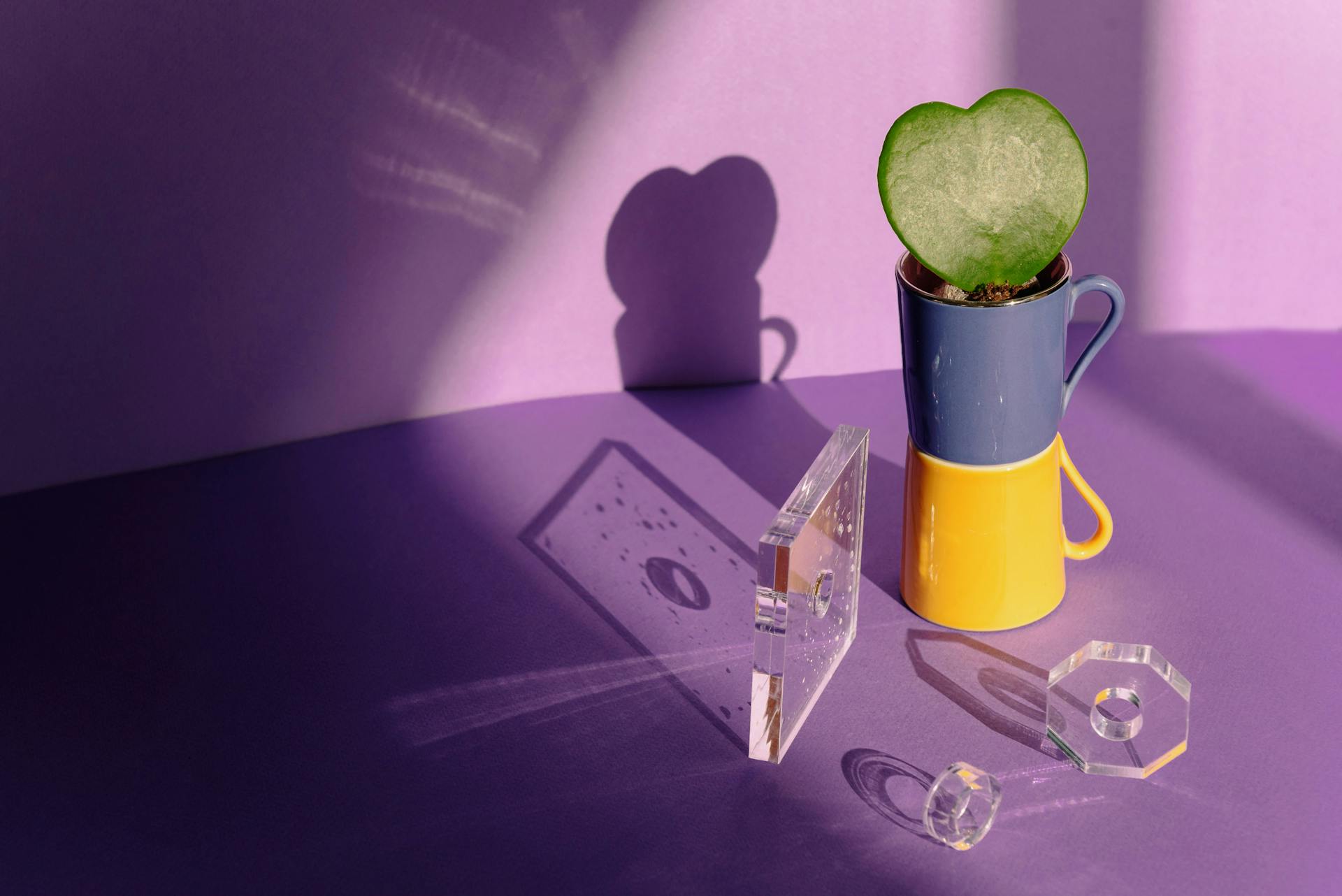
Planning a home renovation can be a bit of a puzzle, right? You’re trying to figure out what materials will look good, last long, and not break the bank. Two materials that often come up are acrylic and glass. Both have their own set of pros and cons, and choosing between them can feel like a big decision. This article will help you sort through the details so you can decide, acrylic vs glass: which is better for home renovations, for your specific project.
Key Takeaways
- Acrylic is much tougher than glass, meaning it’s less likely to break or shatter, which is a big plus for safety.
- Glass offers a traditional look and feel, often with superior optical clarity, but it’s heavier and more fragile.
- Acrylic is significantly lighter than glass, making it easier and often cheaper to install, especially for DIY projects.
- Both materials come in various finishes and colors, but acrylic generally offers more flexibility in customization and shaping.
- While initial costs can vary, acrylic is often more cost-effective in the long run due to its durability and lower installation expenses.
Understanding Acrylic Properties
Exceptional Clarity and Transparency
Acrylic, scientifically known as Polymethyl Methacrylate (PMMA), is celebrated for its remarkable clarity. It boasts a light transmission of around 92%, meaning it lets a lot of light through, making it a fantastic alternative to glass for many applications. This high level of transparency means you can see through it very clearly, almost like looking through a clean window. It’s often called the "Queen of Plastics" partly because of this brilliant optical quality.
Impact Resistance and Durability
One of the standout features of acrylic is its toughness. It’s significantly more resistant to impact than standard glass, often cited as being up to 30 times stronger. This means it’s much less likely to crack or shatter if something hits it. This makes it a safer choice for areas where breakage could be a concern, like around children or in high-traffic zones. Its durability also extends to its resistance to weathering, meaning it holds up well even when exposed to the elements outdoors.
Lightweight and Easy to Handle
Compared to glass, acrylic is considerably lighter. In fact, it typically weighs about half as much as glass of the same size and thickness. This lower weight makes it much easier to transport, handle, and install, which can simplify renovation projects and potentially reduce labor costs. This ease of handling is a big plus for DIY enthusiasts and professional installers alike. You can find a wide range of acrylic sheets available in various sizes and thicknesses to suit your project needs.
Exploring Glass Characteristics

Glass has been a go-to material for home renovations for ages, and for good reason. It’s known for its strength and how it looks.
Traditional Strength and Rigidity
Glass offers a solid, rigid feel that many people prefer. It doesn’t flex much, which can be a good thing for certain applications where stability is key. Think about windows or tabletops; you want them to stay put and not bend. This rigidity means glass can handle a good amount of pressure before it gives way. It’s a material that feels substantial and permanent.
Optical Purity and Refraction
One of glass’s standout features is its optical clarity. It’s incredibly clear, allowing light to pass through with minimal distortion. This purity is why it’s used in high-quality optics and for creating clear views. The way glass bends light, known as refraction, is also a characteristic that designers sometimes play with. It can make things look a bit different, which can be an interesting effect. For applications where you need a perfectly clear, undistorted view, glass is often the top choice. It’s a material that has been trusted for its visual qualities for a long time, providing a clean and crisp look to any space. You can find a wide range of glass options for various projects, each with its own specific properties for different uses.
Weight and Installation Considerations
Now, glass isn’t the lightest material out there. This means that when you’re planning an installation, you have to think about the weight. Larger panes of glass can be quite heavy, requiring more than one person to handle and install safely. This can add to the labor costs and complexity of a project. You’ll need to make sure your frames and supports are strong enough to hold the weight. It’s something to keep in mind when you’re budgeting and scheduling your renovation work.
While glass offers a classic appeal and excellent clarity, its weight and fragility are significant factors to consider during installation and throughout its lifespan in your home.
Acrylic vs Glass: Durability and Safety
When you’re thinking about renovations, how tough a material is and how safe it is to have around, especially if you have kids or pets, are big questions. This is where acrylic and glass really show their differences.
Shatterproof Qualities of Acrylic
Acrylic is known for being incredibly tough. It’s often described as shatterproof, meaning it won’t break into sharp, dangerous pieces like glass can. In fact, acrylic is significantly more impact-resistant than standard glass. This makes it a much safer choice for areas where breakage could be a concern, like around play areas or in high-traffic parts of the home. Think about shower screens or even cabinet doors – if they were to be hit, acrylic would likely just crack or dent rather than shatter. This inherent toughness is a major selling point for many homeowners looking for peace of mind. It’s a material that can take a hit and keep going.
Fragility of Glass
Glass, on the other hand, has a reputation for being fragile. While it offers excellent clarity and scratch resistance, it’s also prone to breaking when subjected to impact or stress. A dropped object, a hard knock, or even temperature fluctuations can sometimes lead to cracks or complete shattering. When glass does break, it can create sharp shards that pose a significant safety hazard. This fragility means that glass installations often require more careful handling during both installation and everyday use. For certain applications, like large windows or areas prone to accidental impacts, the risk associated with glass breakage might lead homeowners to consider alternatives.
Impact Resistance Comparison
Comparing the two directly, acrylic generally outperforms glass in terms of impact resistance. While specific types of glass, like tempered or laminated glass, offer improved safety features, standard acrylic sheets are inherently much harder to break. For instance, some sources suggest acrylic can be up to ten times more impact-resistant than glass, while polycarbonate, another plastic alternative, can be even stronger, up to 250 times stronger than glass. This means that for applications where durability against impact is a primary concern, acrylic often presents a more robust solution.
Here’s a quick look at how they stack up:
| Material | Impact Resistance (Relative to Glass) |
|---|---|
| Standard Glass | 1x |
| Acrylic | Up to 10x |
| Polycarbonate | Up to 250x |
The choice between acrylic and glass often comes down to prioritizing safety and resilience. While glass has its traditional strengths, acrylic’s shatterproof nature makes it a compelling option for renovations where durability and a reduced risk of injury are paramount. This doesn’t mean glass isn’t suitable, but for certain environments, acrylic offers a clear advantage in terms of safety.
This makes acrylic a great choice for things like protective barriers or even as a safer alternative for windows in certain situations.
Aesthetic and Functional Differences
When you’re renovating, how things look and work is a big deal, right? Acrylic and glass definitely have their own styles and ways of doing things.
Surface Finishes and Textures
Acrylic can be made to look like a lot of different things. You can get it super clear, like glass, but also in frosted finishes that give you privacy or a softer look. There are also matte finishes, which can hide fingerprints better than glossy surfaces. And don’t forget mirror finishes – they’re lighter and safer than glass mirrors, making them great for places where safety is a concern, like in kids’ rooms or gyms. Glass, on the other hand, is usually pretty straightforward. You get clear glass, or maybe frosted or textured glass, but the options aren’t as varied as with acrylic.
Color Options and Customization
This is where acrylic really shines. You can get acrylic sheets in pretty much any color you can imagine. Need a specific shade of blue for a cabinet door or a vibrant red for a sign? Acrylic can do that. It’s also easier to tint or color acrylic during the manufacturing process, leading to consistent color throughout the material. This makes it a fantastic choice for custom projects where you want a specific look. Glass can be colored, but it’s often more of a surface treatment or a more limited range of inherent colors. For truly custom color needs, acrylic is usually the way to go. It’s a versatile material that can be cut to any shape or size, making it ideal for unique designs. Acrylic sheets come in a wide array of colors and finishes.
Weathering and Outdoor Suitability
If your project is going outside, like a patio enclosure or outdoor signage, how the material holds up to the elements is important. Acrylic is known for its good weather resistance. It doesn’t yellow or become brittle as easily when exposed to sunlight over time, unlike some plastics. This makes it a solid choice for outdoor applications. Glass is also pretty good outdoors, but its weight and fragility can be a concern. For applications where you need something that can withstand the weather and is also lighter and less prone to breaking, acrylic often has an edge.
While both materials can be used outdoors, acrylic’s inherent resistance to UV degradation and its lighter weight make it a more practical choice for many exterior renovation projects where durability and ease of installation are key considerations.
Fabrication and Installation Ease
When you’re planning a home renovation, how easy it is to work with a material can make a big difference. This is where acrylic really shines compared to glass.
Cutting and Shaping Acrylic
Working with acrylic sheets is generally much simpler than with glass. You can cut acrylic using a standard utility knife or a specialized acrylic cutter for cleaner lines. For more intricate designs, a laser cutter can be used, offering precision and speed. This ease of cutting means custom shapes and sizes are readily achievable for various projects.
- Scoring and Snapping: For straight cuts, score the acrylic surface deeply with a scoring tool and then simply snap the sheet along the line. It’s a straightforward process that requires minimal tools.
- Sawing: Jigsaws or circular saws with fine-toothed blades can be used for more complex shapes. Slow and steady is the key here to avoid melting or cracking.
- Drilling: Standard drill bits can be used, but it’s best to use ones designed for plastic or to take precautions like drilling at a slower speed and using a backing board.
Bonding and Joining Methods
Joining acrylic pieces is also quite manageable. Special acrylic glues, often solvent-based, create a strong, almost seamless bond by actually melting the edges of the acrylic together. This results in a very clean finish, unlike some adhesives that leave a visible seam. You can also use heat to bend and shape acrylic, allowing for curved designs and custom fittings.
Acrylic glue is formulated to create a strong bond by slightly melting the edges of the acrylic pieces. This process results in a clear, solid connection that looks like a single piece of material once cured.
Installation Advantages of Lighter Materials
One of the most significant advantages of acrylic is its weight. It’s about half the weight of glass, which makes a huge difference during installation. Lighter materials are easier to lift, maneuver, and secure, reducing the risk of injury and often simplifying the entire process. This can translate to lower labor costs if you’re hiring professionals, or a more manageable DIY project if you’re doing it yourself. For projects like large windows, partitions, or even custom display cases, the lighter weight of acrylic makes installation far less daunting than it would be with glass. You can find a wide range of acrylic sheets for various applications that cater to different project needs.
Cost-Effectiveness and Value
Initial Material Costs
When you’re looking at the price tag, acrylic often comes out as the more budget-friendly option compared to glass, especially for larger pieces or custom shapes. Think about shower enclosures or custom shelving; acrylic can offer significant savings upfront. For instance, acrylic shower doors are frequently highlighted as a more affordable choice than their glass counterparts, providing a similar aesthetic at a lower cost. This initial saving can be a big factor for many home renovation projects where budgets are tight.
Long-Term Maintenance and Replacement
While acrylic might have a lower initial cost, it’s worth considering the long-term picture. Acrylic is lighter and less prone to shattering than glass, which can reduce replacement costs due to accidental damage during installation or over time. However, acrylic can scratch more easily than glass. While minor scratches can often be buffed out, deeper ones might require professional attention or even replacement. Glass, on the other hand, is more resistant to scratching but is far more susceptible to breaking, which can lead to more expensive replacement jobs if an accident happens.
Value Proposition for Home Renovations
Ultimately, the ‘better’ choice between acrylic and glass comes down to what you value most for your specific renovation. If your priority is a lower upfront cost and a material that’s safer and easier to handle during installation, acrylic is a strong contender. Its durability against breakage can also mean fewer unexpected expenses down the line. However, if you’re looking for a material that resists scratching and maintains a pristine, high-end look with minimal surface wear over many years, and you’re prepared for the careful handling and installation it requires, glass might be the preferred option. Both materials have their place, and understanding their cost implications over the life of your renovation is key to making the right decision.
The decision between acrylic and glass isn’t just about the initial purchase price; it involves weighing the potential costs of installation, maintenance, and eventual replacement against the desired aesthetic and functional performance over time. Considering these factors holistically will lead to a more informed and satisfying choice for your home project.
Looking for the best bang for your buck? We make sure you get great quality without breaking the bank. Our focus is on giving you top value for your money. Want to see how affordable excellence can be? Visit our website today to explore our amazing deals!
So, Which Material Wins?
Deciding between acrylic and glass for your renovation really comes down to what you need. Glass offers that classic look and feel, but it’s heavy and can break easily. Acrylic, on the other hand, is super tough, lightweight, and surprisingly versatile. It’s a great choice if safety is a big concern, like in homes with kids, or if you need something that’s easier to work with. Think about your project’s specific needs – durability, cost, appearance, and how you’ll be installing it. Both materials have their place, but for many modern renovation projects, acrylic’s blend of strength and flexibility makes it a really strong contender.
Frequently Asked Questions
What’s the main difference between acrylic and glass for home projects?
Think of acrylic as a super tough plastic that looks a lot like glass. It’s way harder to break than regular glass, making it safer, especially if you have kids or pets. Glass is more traditional and can look really clear, but it’s fragile and can shatter easily.
Is acrylic really stronger than glass?
Yes, acrylic is significantly stronger! It can handle bumps and impacts much better than glass. While glass can crack or shatter from a hard hit, acrylic is much more likely to just flex or resist the damage. It’s often called shatterproof for a good reason.
Which one is easier to work with for DIY projects?
Acrylic usually wins here. It’s much lighter than glass, making it easier to cut, drill, and handle. You can often glue acrylic pieces together easily, too. Glass requires more specialized tools and careful handling because it’s heavy and breaks easily.
How do they compare in terms of how clear they are?
Both can be very clear! High-quality glass offers amazing optical purity. Acrylic is also incredibly clear, often with up to 92% light transmission, meaning it lets a lot of light through. Sometimes, very thick glass can have a slight tint, while acrylic usually stays crystal clear.
Can acrylic be used outside, or does it get damaged by the weather?
Acrylic is great for outdoor use! It holds up well against different weather conditions, so it won’t easily get damaged or lose its look over time. Glass can be more sensitive to extreme temperature changes and can be a safety hazard if it breaks outdoors.
Which material is generally more affordable for renovations?
When you first buy the materials, acrylic can sometimes be more expensive than basic glass. However, because acrylic is so durable and less likely to break, you might save money in the long run on replacements and repairs. It’s a trade-off between initial cost and long-term value.