Thinking about updating your kitchen? You might have come across acrylic materials and wondered if they’re a good fit. Specifically, food grade acrylic for kitchen use is becoming more popular. It’s a material that looks good and can be pretty practical. Let’s break down what makes it special, why you might want to use it, and where you’ll see it popping up in kitchens.
Key Takeaways
- Food grade acrylic is a safe, clear plastic that doesn’t contain harmful chemicals, making it suitable for kitchen contact.
- It’s tough and won’t shatter like glass, which is a big plus for safety in a busy kitchen environment.
- Acrylic offers a lot of design flexibility, coming in different colors and finishes to match your kitchen’s style.
- Common uses include countertops, backsplashes, cabinet fronts, and protective barriers.
- Compared to glass, it’s lighter and less likely to break, and while similar to other plastics, its specific food-safe properties are key.
Understanding Food Grade Acrylic for Kitchen Applications
What is Food Grade Acrylic?
Food grade acrylic, scientifically known as Polymethyl Methacrylate (PMMA), is a type of plastic that has been specifically manufactured and tested to be safe for contact with food. Unlike standard acrylics, food grade versions meet stringent regulatory standards, meaning they won’t leach harmful chemicals into your food or beverages. This makes it a popular choice for various kitchen applications where hygiene and safety are paramount. It’s known for its exceptional clarity, often compared to glass, but with added benefits like increased durability.
Key Properties of Food Grade Acrylic
Food grade acrylic possesses a unique set of characteristics that make it suitable for kitchen use:
- Clarity and Transparency: It offers excellent optical clarity, allowing you to see contents clearly, much like glass. Some clear acrylics achieve up to 92% light transmission.
- Impact Resistance: Significantly stronger than glass, it’s much harder to break or shatter. This makes it a safer option, especially in busy kitchen environments.
- Chemical Resistance: It holds up well against common household chemicals and cleaning agents, which is important for maintaining hygiene.
- Lightweight: It’s considerably lighter than glass, making it easier to handle, install, and move.
- Versatility: It can be easily cut, shaped, and molded, allowing for a wide range of design possibilities.
Distinguishing Food Grade Acrylic from Standard Acrylic
The primary difference lies in safety certification. While both might look similar, only acrylic that has been certified as ‘food grade’ is deemed safe for direct food contact. This certification means the material has undergone rigorous testing to ensure it meets specific health and safety regulations, such as those set by the FDA (Food and Drug Administration) or equivalent bodies. Standard acrylic might be used for decorative purposes or non-food-contact items, but it’s not recommended for anything that will touch your food. Always look for explicit labeling or documentation confirming its food-safe status when purchasing for kitchen applications. For instance, while many acrylic sheets are durable and clear, not all are made to the same safety standards required for food preparation areas, such as acrylic splashbacks in commercial kitchens.
When selecting acrylic for your kitchen, always prioritize materials explicitly labeled as ‘food grade’ or ‘food safe.’ This designation is your assurance that the material has met strict safety standards for contact with consumables.
Safety Considerations for Acrylic in Kitchen Environments
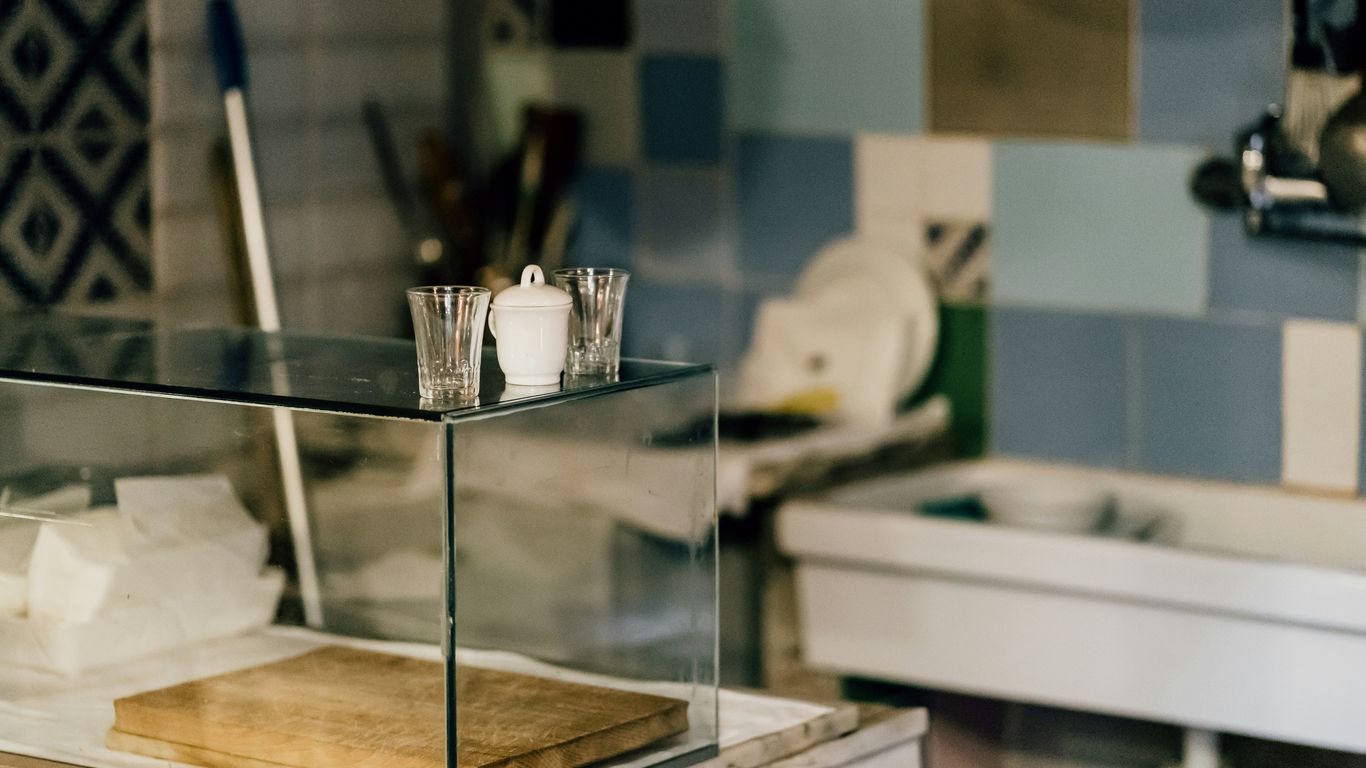
When thinking about using acrylic in your kitchen, safety is a big deal. You want materials that are not only good-looking but also safe to have around food and family. Luckily, food-grade acrylic is designed with these concerns in mind.
Non-Toxicity and Chemical Resistance
One of the main reasons food-grade acrylic is a good choice for kitchens is its non-toxic nature. It doesn’t leach harmful chemicals into your food or the air, which is pretty important when you’re preparing meals. Plus, it holds up well against common kitchen substances. Think about spills from things like vinegar, lemon juice, or even some cleaning agents – acrylic generally resists staining and degradation from these.
- Resistant to common food acids and oils.
- Does not emit harmful fumes or toxins.
- Low absorption rate, making it hygienic.
It’s important to use cleaning products specifically recommended for acrylic to maintain its integrity and safety over time. Harsh abrasives or solvents can damage the surface, potentially compromising its food-safe qualities.
Impact Resistance and Shatterproof Qualities
Kitchens can be busy places, and accidents happen. Unlike glass, which can shatter into dangerous shards, acrylic is much more impact-resistant. This means it’s less likely to break if something is dropped on it or if it’s knocked. This shatterproof quality makes it a safer option, especially if you have kids running around or if you’re prone to dropping things yourself. It offers peace of mind knowing that a dropped utensil or a bumped corner won’t result in a mess of broken pieces. This durability is a key feature that sets it apart from more fragile materials. For applications where safety is paramount, like protective barriers or display cases, its resilience is a significant advantage.
Maintenance and Cleaning for Food Safety
Keeping your kitchen surfaces clean is non-negotiable, especially when it comes to food preparation areas. Food-grade acrylic is relatively easy to maintain. Regular cleaning with mild soap and water is usually sufficient to keep it hygienic. Avoid abrasive cleaners or scouring pads, as these can scratch the surface and create tiny crevices where bacteria might hide. Wiping down surfaces after use, especially after contact with raw food, is a good practice. For deeper cleaning, specific acrylic cleaners are available that won’t damage the material. Proper care ensures that your acrylic surfaces remain safe and look good for a long time.
- Daily cleaning: Mild soap and warm water with a soft cloth.
- Stubborn spots: Isopropyl alcohol can be used sparingly.
- Drying: Use a clean, soft, lint-free cloth to prevent water spots.
Benefits of Utilizing Food Grade Acrylic in Kitchens
When you’re thinking about materials for your kitchen, acrylic might not be the first thing that comes to mind. But this material brings a lot to the table, especially when it’s food-grade certified. It’s not just about looks; there are some solid practical advantages that make it a smart choice for many kitchen applications.
Enhanced Durability and Longevity
One of the biggest pluses of using food-grade acrylic is how tough it is. Unlike glass, which can shatter if you look at it wrong, acrylic is much more forgiving. It can handle bumps and knocks that are pretty common in a busy kitchen environment. This means fewer worries about accidental damage and a longer lifespan for your kitchen surfaces or items.
- Impact Resistance: Acrylic is significantly more resistant to breaking than glass. This makes it a safer choice, especially in households with children or in commercial kitchens where accidents can happen.
- Scratch Resistance: While not entirely scratch-proof, good quality acrylic can hold up well against everyday wear and tear. Minor scratches can often be buffed out, helping to keep surfaces looking good for years.
- Weather and UV Resistance: Acrylic holds up well against sunlight and general weather conditions, meaning it won’t easily yellow or degrade if exposed to light, which is a plus for areas near windows.
Aesthetic Versatility and Design Options
Acrylic isn’t a one-trick pony when it comes to looks. It can be molded and shaped into all sorts of forms, and it comes in a wide array of colors and finishes. This flexibility means you can really get creative with your kitchen design. Whether you’re going for a sleek, modern look or something a bit more colorful, acrylic can adapt.
- Color Variety: From clear and frosted to vibrant hues and opaque finishes, acrylic offers a vast palette to match any kitchen style.
- Custom Shapes: It can be easily cut, drilled, and even thermoformed into curves and complex shapes, allowing for unique design elements.
- Surface Finishes: Beyond standard gloss, you can find acrylic with matte, textured, or even mirrored finishes, adding depth and interest to your design.
Lightweight and Ease of Installation
Compared to materials like glass or stone, acrylic is surprisingly lightweight. This makes a big difference during installation. It’s easier to handle, transport, and fit into place, which can often translate to lower labor costs and quicker project completion. This is especially beneficial for larger installations like countertops or cabinet fronts.
The ease with which acrylic can be worked with, cut, and shaped means that custom designs are more accessible and often more affordable than with traditional materials. This practicality, combined with its visual appeal, makes it a compelling option for modern kitchens.
This material’s ability to be fabricated into custom shapes and sizes makes it a go-to for designers and homeowners looking for something a little different. It’s a material that balances form and function really well. You get the look you want without sacrificing the practicality needed for a kitchen space. Plus, its lighter weight compared to glass means installation is often simpler and less labor-intensive, which is always a nice bonus. It’s a material that really does offer a lot of advantages for kitchen renovations or new builds.
Common Applications of Food Grade Acrylic in Kitchens
Food grade acrylic is showing up in kitchens more and more, and for good reason. It’s not just for fancy displays anymore; this material is practical and safe for everyday use. Its versatility means you can find it in many different parts of your kitchen.
Kitchen Countertops and Backsplashes
When it comes to countertops, acrylic offers a smooth, non-porous surface that’s easy to wipe down. This is a big plus in a kitchen where spills and splatters are common. For backsplashes, acrylic panels can add a modern look and protect your walls from grease and food stains. They come in a wide array of colors and finishes, so you can really customize the look of your kitchen. Some tinted acrylic options are particularly well-suited for kitchen splashbacks, offering a sleek alternative to traditional tiles.
Cabinet Doors and Drawer Fronts
Using acrylic for cabinet doors and drawer fronts can really update the look of your kitchen. It’s lighter than glass, making doors easier to open and close, and it’s much less likely to shatter if bumped. You can opt for clear acrylic to show off what’s inside, or choose colored or frosted versions for a different aesthetic. This material is also quite simple to clean, which is always a bonus in a busy kitchen environment.
Protective Barriers and Display Cases
In commercial kitchens or even in home pantries, acrylic is often used for protective barriers. Think about sneeze guards at a buffet line or clear dividers on shelves to keep different food items separate. Acrylic display cases are also great for showcasing baked goods or other items, keeping them fresh and protected while still being visible. For food service environments, materials like FDA-certified food-safe acrylic are specifically designed to meet safety standards.
Specialty Kitchenware and Utensils
Beyond the larger fixtures, you’ll find food grade acrylic in smaller kitchen items too. This includes things like mixing bowls, serving platters, and even some types of cutting boards. Its durability and resistance to staining make it a good choice for items that come into direct contact with food. Plus, its lightweight nature makes it easy to handle and store.
The adaptability of food grade acrylic means it can be shaped and formed into numerous kitchen components, offering both aesthetic appeal and functional advantages over more traditional materials.
Comparing Food Grade Acrylic to Other Kitchen Materials
When you’re outfitting your kitchen, picking the right materials is a big deal. You want things that look good, work well, and, most importantly, are safe for food. Acrylic has become a popular choice, but how does it stack up against other common kitchen materials? Let’s break it down.
Acrylic vs. Glass in Kitchen Settings
Glass has always been a go-to for kitchens, and for good reason. It’s non-porous, easy to clean, and looks pretty sleek. However, glass has its downsides. It’s heavy, and if you drop it, it shatters into sharp pieces, which can be a real safety hazard, especially with kids around. Acrylic, on the other hand, is much lighter and significantly more impact-resistant. It can crack, but it’s far less likely to break into dangerous shards. This makes it a safer option for things like cabinet doors or even some countertop applications where durability is key. While glass offers a certain classic appeal, acrylic provides a modern, safer alternative that’s easier to work with. For instance, acrylic sheets are often used for protective barriers and display cases because of their clarity and shatter-resistant nature.
Acrylic vs. Traditional Plastics
When we talk about ‘traditional plastics’ in the kitchen, we might be thinking of materials like melamine or certain types of PVC. These can be cost-effective, but they often don’t have the same level of clarity or the same food-safe certifications as food-grade acrylic. Some plastics can leach chemicals, especially when exposed to heat or acidic foods, which is a major concern for kitchen use. Food-grade acrylic is specifically manufactured to meet strict safety standards, meaning it’s designed to be inert and not react with food. It also tends to have a higher perceived quality and a more polished finish compared to many standard plastics.
Acrylic vs. Natural Materials
Natural materials like wood, stone (granite, marble), and even stainless steel have their own unique charm and benefits in the kitchen. Wood offers warmth and a classic look but requires regular sealing to prevent staining and bacterial growth. Stone is beautiful and durable but can be very heavy, expensive, and porous if not properly sealed. Stainless steel is hygienic and durable but can show scratches and fingerprints easily. Food-grade acrylic offers a different set of advantages. It’s highly customizable in terms of color and finish, can mimic the look of some natural materials, and is generally easier to maintain than porous natural options. While it doesn’t have the same inherent warmth as wood or the unique veining of natural stone, its practicality, safety, and design flexibility make it a strong contender for modern kitchens. Choosing the right material often comes down to balancing aesthetics, budget, and the specific functional needs of your kitchen space. You can explore various countertop materials to see how acrylic fits into the broader picture.
Acrylic’s strength lies in its balance of properties. It’s not trying to be stone or wood; it offers its own set of benefits like impact resistance, clarity, and ease of fabrication, making it a practical choice for many kitchen applications where safety and durability are paramount.
When picking materials for your kitchen, it’s smart to look at how different options stack up. We’ll dive into how food-grade acrylic compares to other common kitchen surfaces. You might be surprised by what you find! Want to learn more about the best choices for your home? Visit our website today to explore all the possibilities.
Wrapping Up
So, when you’re thinking about materials for your kitchen, food-grade acrylic is definitely worth a look. It’s strong, clear, and can be shaped in lots of ways. Plus, it’s generally safer than glass because it doesn’t shatter easily. Whether you’re planning a new countertop, some custom storage, or even just a protective splashback, acrylic offers a practical and good-looking option. Just remember to check that it’s specifically rated as food-grade for any surfaces that will come into direct contact with food.
Frequently Asked Questions
Is acrylic safe to use for food in my kitchen?
Yes, when it’s ‘food grade’ acrylic, it’s made to be safe for contact with food. This means it doesn’t have harmful chemicals that can get into your food.
What makes food grade acrylic different from regular acrylic?
Food grade acrylic is specifically tested and approved to be non-toxic and safe for touching food. Regular acrylic might not have gone through these safety checks, so it’s best to use the food-safe kind in your kitchen.
Can acrylic break easily in a kitchen?
Acrylic is much tougher than glass. It’s designed to resist breaking and shattering, making it a safer choice, especially if you have kids or pets around.
How do I clean acrylic surfaces in my kitchen to keep them hygienic?
Cleaning is simple! Use mild soap and water with a soft cloth. Avoid harsh cleaners or abrasive sponges, as they can scratch the surface. Regular cleaning keeps it safe for food prep.
What are some common kitchen items made from food grade acrylic?
You’ll find food grade acrylic used for things like clear kitchen countertops, cabinet doors, protective covers for food displays, and even some types of bowls and serving dishes.
Is acrylic a good alternative to glass for kitchen counters?
Absolutely! Acrylic offers a similar sleek look to glass but is lighter, more resistant to breaking, and can be easier to install. Plus, it comes in many colors and finishes to match your kitchen style.