So, you’re working on a new LED lighting project and want it to look really good, right? Sometimes, just sticking an LED strip somewhere doesn’t give you that smooth, even glow you’re hoping for. You end up with weird bright spots or harsh shadows. That’s where light diffusing acrylic for LED lighting comes in. It’s basically a special kind of plastic that helps spread out the light from your LEDs, making everything look much nicer and more professional. We’ll get into how it works and why it’s such a good idea for your projects.
Key Takeaways
- Light diffusing acrylic sheets scatter LED light to create a soft, even glow, getting rid of harsh spots and shadows.
- These sheets are great for making LED lighting look better, especially in things like panel lights, signs, and displays.
- When picking a sheet, think about how much light you want to get through and how much diffusion you need.
- Acrylic diffusers are tough, can be shaped easily, and are lighter than glass, making them practical for many uses.
- Compared to materials like polycarbonate, acrylic often offers a better balance of clarity, scratch resistance, and cost for indoor LED lighting.
Understanding Light Diffusing Acrylic for LED Lighting
What is Light Diffusing Acrylic?
Light diffusing acrylic is a special kind of plastic sheet made to scatter light. Think of it like a frosted window versus a clear one. Instead of letting light pass straight through, it spreads it out. This is super helpful when you’re working with LEDs, which can be quite bright and sometimes harsh on their own. Standard acrylic is clear, but this type has tiny particles mixed into it, or a special surface treatment, that makes light bounce around inside the material before it comes out the other side. This process softens the light, making it more even and pleasant to look at.
Key Properties for LED Applications
When you’re picking out acrylic for an LED project, there are a few things to keep an eye on. The main goal is to get light where you want it without any annoying glare or bright spots. Here are some important features:
- Uniform Light Distribution: This is the big one. It means the light coming out is spread evenly, so you don’t see individual LED dots or bright patches. It makes the whole light source look smooth.
- Light Transmission Rate: This tells you how much light actually gets through the sheet. You want a good balance – enough diffusion to soften the light, but not so much that you lose too much brightness. Some high-quality diffusers can let up to 90% of the light pass through while still doing their job.
- Glare Reduction: Nobody likes looking into a bright, harsh light. Diffusing acrylic helps cut down on that direct glare, making things easier on the eyes.
- Durability: Acrylic is pretty tough. It doesn’t yellow easily when exposed to UV light, and it can handle a bit of wear and tear. This makes it a good choice for things that need to last.
The Science Behind Light Diffusion
So, how does this stuff actually work? It all comes down to how light interacts with the material. When light from an LED hits the acrylic, it encounters microscopic particles or a textured surface. These elements cause the light rays to bend (refract) and bounce off in different directions (scatter).
The magic happens because these internal particles are specifically designed to interact with light waves. They break up the concentrated beam from an LED into many smaller, weaker beams that spread out. This scattering effect is what creates that soft, even glow we’re looking for.
Here’s a simple breakdown of what happens:
- Light Enters: The LED light hits the surface of the diffusing acrylic.
- Scattering: The light rays encounter the diffusion agents within the acrylic. These agents redirect the light in random directions.
- Uniform Output: The scattered light emerges from the other side of the sheet, creating a broad, even wash of light instead of a concentrated beam. This process is key for applications like LED panel lights where a smooth, consistent illumination is desired.
Enhancing LED Projects with Acrylic Diffusers
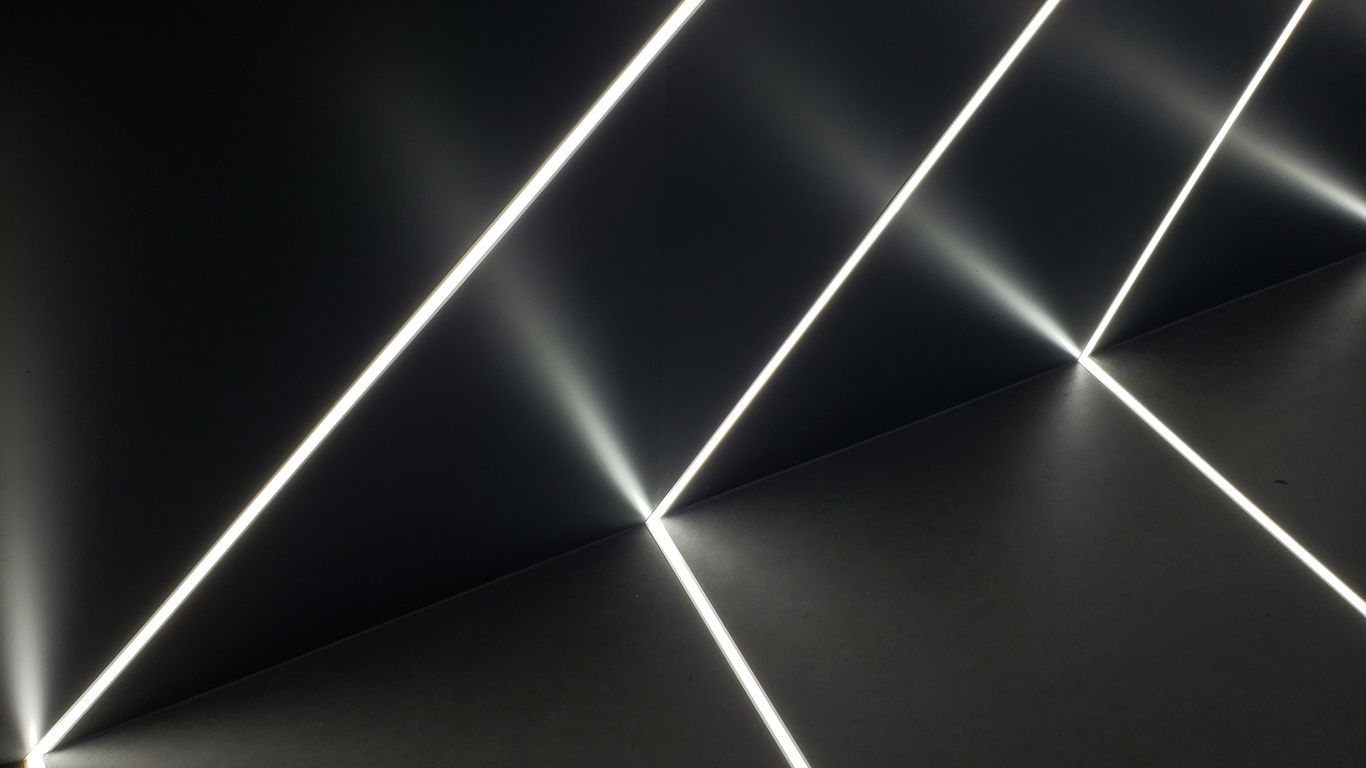
When you’re working with LEDs, getting the light to look just right can be tricky. You want it bright, sure, but you don’t want it to be harsh or create weird shadows. That’s where light diffusing acrylic really shines. It’s not just about blocking light; it’s about shaping it.
Achieving Uniform Light Distribution
One of the biggest wins with diffusing acrylic is how it spreads light out evenly. LEDs, especially when they’re packed close together, can create bright spots or ‘hotspots’ that look a bit messy. A good diffuser sheet breaks up that concentrated light. Think of it like a frosted window pane versus clear glass – the frosted one softens the view. This even spread is super important for things like large LED panels used in offices or for backlighting signs so the whole thing glows consistently. It makes the light feel more natural and less like a collection of tiny bulbs.
Minimizing Glare and Hotspots
Glare is that annoying, direct shine that can make it hard to look at a light source. Hotspots are those super bright points where you can clearly see individual LEDs. Acrylic diffusers are designed to scatter the light rays. This scattering process means the light bounces around inside the material before it comes out the other side. This redirection of light is what smooths out the intensity and hides those individual LED dots. It makes the light much easier on the eyes, which is a big deal for any lighting fixture that people will be looking at for extended periods. For applications like retail displays, this means products are shown in their best light, without distracting glare.
Improving Visual Comfort and Aesthetics
Ultimately, using a light diffusing acrylic sheet makes your LED projects look better and feel more comfortable. Instead of a stark, artificial light, you get a softer, more inviting glow. This can completely change the mood of a space, whether it’s a home, an office, or a retail store. It adds a touch of polish and professionalism. The ability to control how light behaves also gives designers more freedom. You can create subtle lighting effects, highlight architectural features, or simply provide pleasant ambient light. It’s about making the light work for the design, not against it. For many applications, like backlit signage, the even illumination provided by acrylic is key to a professional look.
Here’s a quick look at what makes a difference:
- Diffusion Level: How much the light is scattered. Some projects need heavy diffusion to hide LEDs completely, while others might only need a light touch.
- Light Transmission: How much light actually passes through the sheet. Higher transmission means more light gets out, which can save energy, but too much might not diffuse enough.
- Thickness: Thicker sheets generally offer more diffusion but can also reduce light transmission.
Choosing the right diffuser isn’t just about picking a piece of plastic. It’s about understanding how light interacts with materials and how that interaction will affect the final look and feel of your project. Getting this right means the difference between a lighting setup that’s just okay and one that’s truly impressive.
Applications of Light Diffusing Acrylic Sheets
Light diffusing acrylic isn’t just for fancy lamps; it’s showing up everywhere, making things look better and work more smoothly. Think about it – that even glow you see in a modern office ceiling panel or a sleek retail display? Chances are, acrylic diffusers are behind it. They’re really good at taking the sometimes harsh light from LEDs and making it soft and spread out.
Commercial and Architectural Lighting
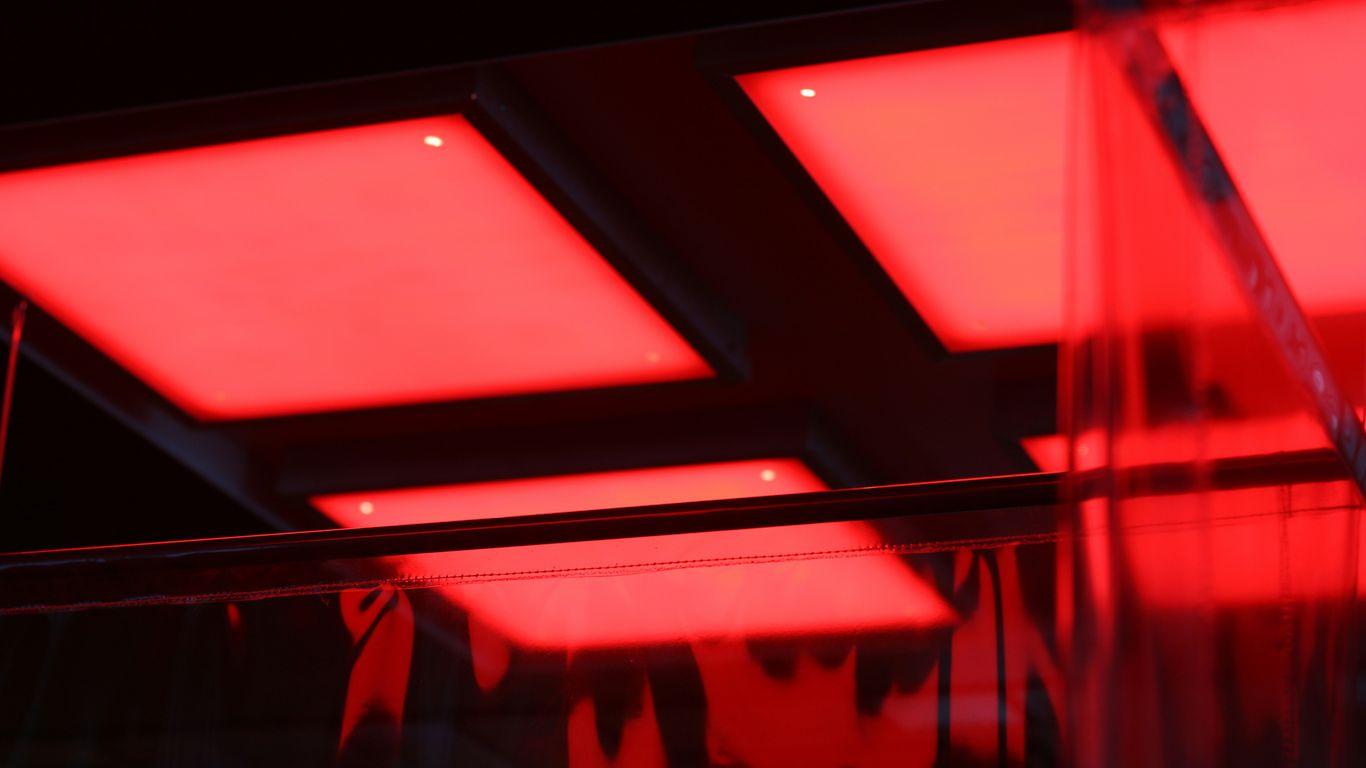
This is a big one. In offices, you’ll find these sheets in LED panel lights, the kind that replace old fluorescent tubes. They give off a steady light that’s easy on the eyes, which is pretty important when you’re staring at a screen all day. Architects are also using them to create glowing walls or illuminated countertops. It adds a nice, modern touch without being blinding. They’re also used in linear fixtures, which are popular for accent lighting in hallways or retail spaces.
- Office Lighting: Uniform, glare-free illumination for workspaces.
- Retail Spaces: Soft, even lighting to highlight products.
- Architectural Features: Creating ambient or accent lighting effects.
- Hospitality: Enhancing restaurant and hotel interiors with diffused light.
Using light diffusing acrylic in commercial spaces helps create a more comfortable and visually appealing environment for employees and customers alike. It’s a simple change that makes a noticeable difference.
Retail Displays and Signage
Walk into almost any store, and you’ll see acrylic diffusers at work. They’re fantastic for lightboxes used in advertising. Instead of seeing bright spots where the LEDs are, you get a smooth, consistent light that makes posters and graphics pop. In display cabinets, especially for high-end goods, they ensure products are lit evenly and look their best. This material is a go-to for creating eye-catching LED signage because it handles the light so well.
Consumer Electronics and Product Design
It’s not just big installations. You’ll find light diffusing acrylic in smaller gadgets too. Think about the screens on some TVs or the indicator lights on smart home devices. Acrylic helps spread that light out so it’s not harsh and makes the display easier to see. Product designers like it because it’s lightweight and can be shaped easily, letting them create cool, modern-looking products that also have good lighting.
- Screen Backlights: Providing even brightness for displays.
- Indicator Panels: Softening LED indicators for better visibility.
- Device Housings: Integrating subtle lighting effects into product design.
Basically, anywhere you need light to be soft, even, and easy on the eyes, light diffusing acrylic is a solid choice. Its ability to manage LED light makes it super useful across many different kinds of projects, from big buildings to small electronics. It really helps achieve uniform light distribution where it matters most.
Selecting the Right Light Diffusing Acrylic
Choosing the correct light diffusing acrylic for your LED project is pretty important. It’s not just about picking any sheet; you need to think about what you want the light to do and how it will look. Getting this right means your project will shine, literally. If you pick the wrong one, you might end up with uneven light, too much glare, or a dull appearance. So, let’s break down what to look for.
Factors Influencing Diffusion Level
The level of diffusion is probably the most critical factor. This refers to how much the acrylic scatters the light. Some projects need a very soft, even glow, while others might benefit from a bit more definition. The diffusion level is often determined by the type and amount of diffusion agents added during manufacturing. These are tiny particles suspended in the acrylic that bounce light around.
- Light Diffusion: This is for applications where you want to see the light source somewhat, but softened. Think accent lighting or decorative panels.
- Medium Diffusion: A good all-around choice, it hides LED hotspots effectively while still allowing a good amount of light through. This is common for general room lighting.
- Heavy Diffusion: This provides the most uniform light, completely hiding individual LEDs. It’s great for high-end displays or situations where absolute smoothness is key.
Considering Light Transmission Rates
Light transmission is about how much light actually passes through the acrylic. You want a diffuser that scatters light well but doesn’t block too much of it. A good acrylic diffuser sheet for LED lighting will typically have a high light transmission rate, often between 85% and 90%. This means you get bright, even light without needing more powerful or numerous LEDs, which saves energy and money. A higher transmission rate generally means a brighter output for the same LED setup.
Here’s a quick look at what to expect:
| Diffusion Level | Typical Light Transmission | Best For |
|---|---|---|
| Light | 85-90% | Applications needing brightness with minimal diffusion |
| Medium | 80-88% | General lighting, displays, signage |
| Heavy | 75-85% | Situations requiring maximum uniformity and glare reduction |
Thickness and Material Compatibility
Don’t forget about the thickness of the acrylic sheet. Thicker sheets can sometimes offer better diffusion and durability, especially for high-brightness LEDs. For most standard LED panel lights, a thickness of 3mm to 5mm is common. If you’re working with very powerful LEDs or need extra robustness, you might consider 8mm or 10mm. It’s also worth checking if the acrylic is rated for UV resistance, especially if your project will be exposed to sunlight. This prevents the material from yellowing over time. For many indoor applications, frosted acrylic offers a good balance of diffusion and transmission, but always check the specific product’s specs.
When selecting your acrylic diffuser, always try to get a sample. Testing it with your actual LED setup under the intended lighting conditions is the best way to confirm it meets your visual and performance requirements.
Benefits of Using Acrylic Diffusers
When you’re working on an LED lighting project, picking the right materials makes a big difference. Acrylic diffusers bring a lot to the table, offering several advantages that make them a popular choice for many applications.
Durability and Longevity
Acrylic is known for being tough. It holds up well against everyday wear and tear, which is a big plus for anything that’s going to be around for a while. Unlike glass, it’s not as prone to shattering if it gets bumped. Plus, good quality acrylic resists yellowing over time, even when exposed to light, so your fixtures will keep looking good.
- Resistant to yellowing and UV damage: This means the material stays clear and doesn’t degrade with light exposure.
- Good surface hardness: It can handle minor scratches better than some other plastics.
- Impact resistance: While not unbreakable, it’s much less likely to shatter than glass.
Design Flexibility and Customization
Acrylic is incredibly versatile. You can cut it, shape it, and form it into pretty much whatever you need. This makes it easy to create custom lighting solutions that fit specific spaces or design ideas. Whether you need a simple flat panel or something more complex, acrylic can usually accommodate it. This adaptability is a major reason why it’s used in so many different products.
The ability to easily modify acrylic allows designers and manufacturers to achieve unique aesthetic outcomes without the high costs often associated with custom glass fabrication.
Lightweight and Easy Fabrication
One of the most practical benefits of acrylic is its weight. It’s significantly lighter than glass, which makes installation easier and safer. This also means less stress on mounting hardware and structures. Because it’s lighter and easier to work with, fabrication processes like cutting and drilling are generally simpler and quicker, which can save time and money on production.
- Easier handling and installation: Reduces labor and risk.
- Reduced shipping costs: Lighter weight means lower transport expenses.
- Simplified manufacturing: Allows for quicker production cycles and more intricate designs.
Acrylic vs. Alternative Diffuser Materials
When you’re putting together an LED lighting project, picking the right material to soften that light is a big deal. You’ve got a few options out there, but acrylic often comes up as a top choice. Let’s look at how it stacks up against other materials.
Comparing Acrylic to Polycarbonate
Polycarbonate (PC) is another plastic that gets used for light diffusion. It’s known for being super tough, like, almost unbreakable. This makes it great for places where things might get knocked around a lot, like outdoor lighting or industrial settings. However, acrylic usually wins when it comes to how clear the light stays and how well it resists yellowing over time, especially when exposed to UV light. Acrylic also tends to have a harder surface, meaning it’s less likely to get scratched up during handling or installation. For most indoor applications where you want a clean, bright, and consistent light, acrylic is often the preferred material. You can find a trusted acrylic sheet supplier that offers various finishes.
Here’s a quick rundown:
| Feature | Acrylic (PMMA) Diffuser | Polycarbonate (PC) Diffuser |
|---|---|---|
| Light Transmittance | High (85%-90%) | Moderate (80%-85%) |
| Surface Hardness | High (scratch-resistant) | Low (prone to scratches) |
| Impact Resistance | Moderate | Extremely High |
| Weathering/Yellowing | Excellent | Moderate (can yellow) |
| Cost | Economical | Higher |
Evaluating Other Diffusion Methods
Besides different plastic sheets, there are other ways to diffuse light. Some fixtures have built-in diffusers, which might be a molded part of the plastic housing itself. Others might use special coatings or films applied directly to the LED or lens. While these can work, they sometimes don’t offer the same level of control over light spread and uniformity as a dedicated diffuser sheet. A separate acrylic diffuser sheet allows for more precise tuning of the diffusion level and light transmission, giving you more flexibility in the final look and feel of your lighting.
Using a dedicated light diffusing acrylic sheet often provides a more consistent and controllable diffusion effect compared to integrated solutions or simple coatings. This is because the diffusion agents are evenly distributed throughout the material’s thickness.
Cost-Effectiveness for LED Lighting
When you’re looking at the price tag, acrylic usually comes out as a more budget-friendly option than polycarbonate, especially for large runs. While polycarbonate’s extreme durability might be worth the extra cost in specific, high-impact situations, most indoor LED lighting projects don’t need that level of toughness. Acrylic offers a great balance of performance, appearance, and cost. It provides excellent light diffusion and clarity without breaking the bank, making it a smart choice for everything from office lighting to retail displays. The versatility of acrylic also means it’s easy to work with, which can save on fabrication costs too.
When picking materials for light covers, you might wonder about acrylic versus other options. Acrylic is a popular choice because it’s tough and lets light through nicely. But what about the other materials out there? We break down the differences to help you choose the best fit for your needs. Want to know more about making the right choice for your lighting projects? Visit our website today for all the details!
Wrapping Up
So, when you’re working on your next LED project, don’t forget about the material you use to cover the lights. Using a light diffusing acrylic sheet can really make a difference in how your project looks. It helps spread the light out evenly, gets rid of those annoying bright spots, and just makes everything look more professional. It’s a simple change that can seriously improve the final result, whether you’re making something for your home or for a business. Think about it for your next build.
Frequently Asked Questions
What exactly is light diffusing acrylic?
Think of light diffusing acrylic as a special kind of plastic sheet. It’s made to spread out light from sources like LEDs. Instead of seeing a sharp, bright spot, it makes the light look softer and more even, like a gentle glow. It’s great for making sure light covers an area smoothly without harsh shadows.
Why is this type of acrylic good for LED lights?
LEDs can sometimes be very bright and create little dots of light, called ‘hotspots,’ or cause glare. Light diffusing acrylic has tiny particles inside or a special surface that scatters the LED light. This means it hides those bright spots and glare, making the light look much more pleasant and uniform. It helps your LED lights look professional and feel easier on the eyes.
Can I use this acrylic outside?
Acrylic is pretty tough and doesn’t turn yellow easily when exposed to sunlight, which is a big plus for outdoor use. However, it can be a bit brittle compared to other plastics like polycarbonate. If you plan to use it outdoors in a place where it might get bumped or hit, it’s a good idea to use a thicker sheet or choose a spot where it’s less likely to be damaged.
How do I pick the right acrylic diffuser for my project?
You’ll want to think about how much light you want to let through and how much you need to spread it out. If your LEDs are spaced far apart, you might need a stronger diffuser. If your LEDs are packed closely together, you can often use a sheet that lets more light through. Also, consider how thick you need the sheet to be for your project’s structure and the brightness of your LEDs.
Is acrylic better than other materials for diffusing light?
Acrylic is a top choice for many indoor uses because it’s clear, doesn’t yellow easily, and is resistant to scratches. It offers a great balance of light quality and durability. For situations where the material might get hit hard, like in some outdoor or industrial settings, polycarbonate might be a better option because it’s much tougher, though it can scratch more easily.
What’s the difference between ‘frosted’ acrylic and optical diffuser acrylic?
A regular ‘frosted’ acrylic usually just has its surface roughed up, like sanding glass. This can make light softer but often reduces how much light gets through. Optical diffuser acrylic has special tiny particles mixed into the plastic itself. These particles are designed to scatter light very effectively while still letting a lot of light pass through, giving you both soft light and good brightness at the same time.