So, you need some acrylic sheets printed, maybe for a sign or something to make your shop look a bit nicer? It can feel like a big task trying to figure out where to get it done, especially if you’re not in the main city. This guide is here to help you find an acrylic sheet supplier in Kota Kinabalu and across East Malaysia. We’ll cover what you need to know about printing on acrylic, different ways to do it, and how to pick the right stuff for your project.
Key Takeaways
- UV direct printing offers vibrant, high-definition color on acrylic, suitable for graphics and photos.
- Reverse printing protects the artwork under the acrylic, making it scratch-proof and ideal for high-traffic areas.
- Acrylic thickness varies, with 3mm common for signs, 5mm for heavier displays, and 8mm+ for premium pieces.
- High-resolution artwork is vital for sharp prints; consult suppliers like Percetakan CCS for file checks.
- Production times typically range from 2-3 weeks, but rush orders might be possible depending on the supplier and project complexity.
Acrylic Sheet Printing Services in Kota Kinabalu
When you’re looking to get custom designs printed onto acrylic sheets in Kota Kinabalu and across East Malaysia, there are a few key things to know about the printing process itself. It’s not just about slapping an image onto a piece of plastic; there are different techniques that give different results and durability.
Understanding UV Direct Printing on Acrylic
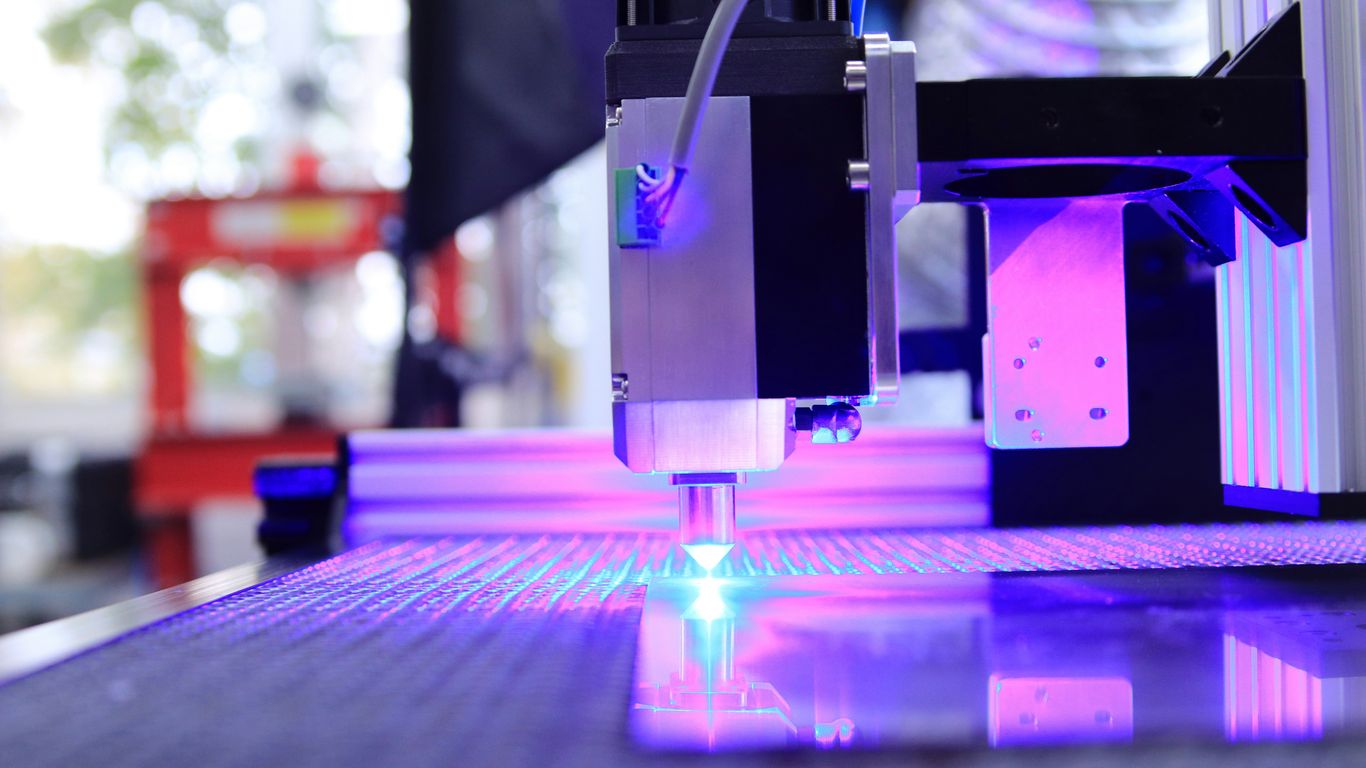
UV direct printing is the go-to method for putting vibrant, high-resolution images onto acrylic. The ‘UV’ part means that special inks are used, and they’re instantly cured (hardened) by ultraviolet light right after they’re applied. This makes the ink bond really well to the smooth acrylic surface, creating sharp details and bright colors. It’s a pretty neat process that allows for a lot of creative freedom.
The smooth surface of acrylic is ideal for UV printing, allowing inks to adhere precisely and produce sharper results compared to printing on rougher materials. This precision is what makes acrylic prints look so professional.
Standard Front-Face Printing
This is the most straightforward method. Your design is printed directly onto the front surface of the acrylic sheet. It’s like printing on paper, but on a much more durable material. The print is immediately visible, and the acrylic itself provides the backing and structure. This method is great for many applications, like general signage or display boards where the print will be facing outwards.
Reverse Printing for Enhanced Durability
Reverse printing, sometimes called back-printing or second-surface printing, is a bit different. Here, the artwork is printed onto the back of the acrylic sheet, but it’s printed in a mirror image. When you then mount the acrylic, the print is sandwiched between the clear acrylic face and the wall or mounting surface. This means the print itself is fully protected from scratches, cleaning, and general wear and tear. It gives a really premium look because you’re viewing the image through the clear acrylic, and it’s the preferred choice for displays that might get touched or need frequent cleaning, like in restaurants or high-traffic retail spaces. It’s a bit more involved, but the longevity and finish are often worth the slight extra cost. If you’re unsure which method is best for your project, it’s a good idea to ask for advice on custom acrylic signage.
Here’s a quick look at the two methods:
| Feature | Standard Front-Face Print | Reverse Print (Anti-Scratch) |
|---|---|---|
| Print Location | Front surface | Back surface (mirrored) |
| Protection | None | Fully protected by acrylic |
| Durability | Standard | High (scratch-proof) |
| Appearance | Vibrant, direct | Premium, depth through acrylic |
| Best For | General displays | High-traffic areas, premium displays |
Applications for Custom Acrylic Sheets
Custom acrylic sheets can be used for a surprising number of things, making them a really versatile material for businesses and individuals alike. They offer a modern, clean look that can really make your message or artwork stand out.
Signage and Wayfinding Solutions
Acrylic is a popular choice for signs because it’s lightweight yet durable. You can get everything from simple shop signs to complex directional signs for large buildings. The clarity of acrylic allows for vibrant colors and sharp text, which is key for effective communication. Whether it’s a reception desk sign, a directional arrow, or a safety notice, custom printed acrylic can be tailored to fit your specific needs and brand aesthetic. For businesses in busy areas, signs that can withstand daily wear and tear are a must, and acrylic fits the bill.
Menu Boards for Hospitality
Restaurants, cafes, and bars can really benefit from custom acrylic menu boards. They provide a sleek, professional appearance that’s easy to clean, which is important in food service environments. Unlike paper menus that get worn out quickly, acrylic menus can be wiped down easily, keeping them looking fresh. This is especially true for reverse printing, where the design is protected behind the acrylic surface, making it resistant to smudges and cleaning agents. This makes them a practical and stylish choice for any establishment looking to present their offerings in a polished way.
Corporate Display and Branding
Companies often use custom acrylic sheets for various branding and display purposes. Think about reception area feature walls, company value displays, or even product launch graphics. Acrylic can give a high-end feel to these elements, reinforcing a professional image. It’s also great for awards and recognition walls, providing a durable and attractive way to showcase achievements. The ability to print high-resolution graphics means that intricate logos and detailed imagery can be reproduced accurately, ensuring brand consistency.
Photo and Art Reproductions
For photographers and artists, printing images directly onto acrylic can create stunning visual effects. The glossy surface of the acrylic can make colors pop and give photos a depth that’s hard to achieve with traditional printing methods. This is a great way to produce gallery-quality prints for display. The durability of acrylic also means these prints can last for a long time without fading, especially when using methods like reverse printing that protect the ink. It’s a modern way to showcase visual work.
Here’s a quick look at some common applications:
- Signage: Shop signs, office nameplates, directional signs.
- Hospitality: Menu boards, table numbers, decorative panels.
- Corporate: Branding walls, award displays, reception features.
- Art: Photo prints, artwork reproductions, decorative panels.
When considering custom acrylic prints, think about where the final piece will be displayed. High-traffic areas or places where the print might get touched or cleaned often benefit from reverse printing, which offers superior protection against scratches and wear. For less exposed applications, standard front-face printing can be a more cost-effective option while still providing excellent visual quality.
Choosing the Right Acrylic Thickness
Standard 3mm Thickness for Signage
For many common applications like shop signs, reception desk nameplates, or simple display boards, a 3mm thick acrylic sheet is usually sufficient. It’s a good balance between being sturdy enough for everyday use and keeping the overall weight manageable. This thickness is often the go-to for straightforward signage and menu boards where the primary goal is clear communication and a clean look. It’s cost-effective and works well for items that won’t be handled frequently or subjected to significant stress. You can find more details on selecting the right thickness for your needs here.
5mm for Heavier Displays
When you need a bit more substance and a more premium feel, stepping up to 5mm thickness is a smart move. This is ideal for things like larger corporate branding panels, feature walls in reception areas, or displays that might get more attention and occasional contact. The extra millimeter or two gives the acrylic a more substantial presence, making it feel more robust and high-end, especially when viewed from the side. It adds a visual weight that can really make a display piece stand out.
8mm and Above for Premium Pieces
For truly high-impact displays, award panels, or pieces where you want to make a significant statement, acrylic sheets of 8mm or even thicker are the way to go. These substantial sheets offer a luxurious, weighty feel and a very polished look. The edge thickness becomes a design element in itself, giving the piece a gallery-quality appearance. This is often chosen for high-value art reproductions, significant corporate recognition walls, or any application where durability and a premium aesthetic are paramount. The thicker the acrylic, the more it feels like a permanent fixture.
The thickness of your acrylic sheet directly impacts its perceived value and durability. Thicker materials offer a more substantial feel and a premium look, which can be important for branding and display purposes. Consider how the piece will be viewed and handled when making your selection.
Print Quality and Resolution
Print quality on acrylic sheets is a big deal because it has a noticeable impact on how clear visuals, text, and colors look in the finished product. No cutting corners here—good print work is obvious right away, and anything less stands out too.
High-Definition Full-Color Output
Acrylic printing uses UV direct print technology, which lays down ink right onto the acrylic sheet surface. This method produces sharp, high-definition results with vibrant colors and smooth gradients. Whether it’s signage, a menu, or corporate branding, the print holds up under close inspection.
Some benefits of HD full-color output:
- Colors appear richer and deeper compared to traditional printing.
- Fine lines and small text stay crisp and sharp.
- Gradients and photo-like images print cleanly without visible banding.
| Feature | UV Direct Print on Acrylic |
|---|---|
| Color accuracy | Excellent (full spectrum) |
| Fine detail (text/graphics) | Sharp, even on small designs |
| Longevity | High (ink bonds to surface) |
| Suitable for photography | Yes |
For the most durable results, consider reverse printing—this method protects your image under the glossy acrylic face, keeping prints safe from scratches and cleaning.
Reproducing Photographs and Graphics
Acrylic is great for printing detailed graphics and photographs, but it depends on your original artwork quality. Clear source files (ideally at a minimum of 300 DPI) turn out best. Low-res images or badly formatted files lead to blurry results, which aren’t the printer’s fault—it’s all about the file you send in the first place. (For an overview of what you’re responsible for, check the print quality disclaimer.)
What prints well on acrylic:
- Photographs for gallery or display uses
- Intricate logos or branding graphics
- Complex color gradients, including subtle shading
Importance of High-Resolution Artwork
Always prepare your design at the actual print size and high resolution for best results. Sending files below 300 DPI is a common mistake; it shows up as pixelation or fuzziness no matter how skilled the print shop is. Here’s what you should know:
- Make sure your final artwork is at least 300 DPI for the intended print size.
- Vector formats (like PDF or AI) are safer for sharp edges and text.
- Double-check colors and layout—once printed, there’s no fixing file errors.
If you’re unsure whether your file is good enough, most printers can check your artwork for clarity before production. Don’t be shy about asking;
it saves hassle later.
Getting professional-looking acrylic prints isn’t hard, as long as your artwork meets the right specs and you work with a provider that understands both print technology and customer needs.
Production and Lead Times
Typical Production Schedule
When you order custom acrylic sheets, the production timeline can vary. For straightforward jobs, like simple cut-to-size pieces or basic prints, you might see turnaround times as short as a few business days. More complex projects, especially those involving intricate designs, multiple printing passes, or special finishing like edge polishing, will naturally take longer. It’s always best to get a clear estimate upfront.
Factors Affecting Lead Time
Several things can influence how long your acrylic project takes from order to completion:
- Complexity of the Design: Intricate graphics, detailed text, or designs requiring precise color matching will add time.
- Printing Method: While UV direct printing is generally efficient, certain techniques or multi-layer applications might extend the schedule.
- Finishing Touches: Processes like sanding, polishing, or adding protective coatings are done after printing and add to the overall time.
- Material Availability: While common acrylic thicknesses are usually in stock, very specific sizes or types might need to be ordered, impacting the start date.
- Current Workload: The printer’s schedule plays a big role. During busy periods, lead times naturally increase.
Inquiring About Rush Orders
If you have a tight deadline, don’t hesitate to ask about rush order options. Many suppliers can accommodate urgent requests, though this often comes with an additional fee. It’s wise to discuss your timeline needs early in the process. This allows the print shop to assess feasibility and provide accurate pricing for expedited service. For businesses needing quick solutions, understanding the acrylic sheet prices in Malaysia can help in budgeting for faster turnarounds.
Planning ahead is key. While rush orders are possible, they aren’t always guaranteed and can increase costs. Knowing the typical production schedule and the factors that influence it will help you manage expectations and ensure your project stays on track.
Cost Considerations for Acrylic Printing
Factors Influencing Pricing
The final price for your custom acrylic prints isn’t just a single number; it’s a mix of several things. Think about the size of the acrylic sheet you need – bigger pieces naturally cost more. Then there’s the thickness of the acrylic itself. While a standard 3mm sheet is common for many signs, opting for a thicker 5mm or even 8mm panel adds to the cost but gives a more substantial feel. The print method also plays a role.
Premium for Reverse Printing
When you choose reverse printing, where the artwork is applied to the back of the acrylic, you’re paying for extra durability and a premium finish. This method protects the print from scratches and wear, making it ideal for high-traffic areas. Because the ink is applied in a mirrored fashion and then sealed by the acrylic face, it requires a bit more precision and care during production, which is reflected in the price compared to standard front-face printing. It’s a trade-off for a print that will last longer and look better over time.
Custom Quotes for Specific Projects
Because every project is unique, getting a custom quote is the best way to understand the cost. You’ll need to provide details like the exact dimensions of your acrylic sheet, the chosen thickness, and whether you’re opting for standard or reverse printing. The quantity you order also impacts the per-unit price; ordering more usually brings the cost down per piece. For example, if you’re looking for custom acrylic keychains, the pricing structure might differ significantly from a large corporate display panel. It’s always a good idea to reach out to suppliers with your specific requirements to get an accurate estimate. You can send your artwork file to Percetakan CCS in Kota Kinabalu for a quick quote.
The cost of acrylic printing is influenced by material size, thickness, and the chosen print technique. Reverse printing, while more durable, typically comes at a higher price point due to the added protective qualities it offers. For precise pricing, detailed project specifications are necessary.
Acrylic Sheet Supplier in Kota Kinabalu
Percetakan CCS: Established Expertise
When you’re looking for a place to get custom acrylic sheets printed in Kota Kinabalu, Percetakan CCS is a name that comes up. They’ve been around since 1991, so they’ve had plenty of time to figure out the ins and outs of UV direct printing on acrylic. They handle both standard front-face printing and reverse printing, which is the one where the print is protected under the acrylic surface. This reverse method is pretty neat because it makes the print scratch-proof, which is a big deal if your display is going to be handled a lot or cleaned regularly. They do high-definition, full-color prints and can work with custom sizes, which is handy for unique projects.
Contacting for Inquiries and Quotes
Getting a quote from Percetakan CCS is pretty straightforward. You can reach out to them via WhatsApp at +60 10-503 7607. It’s a good idea to have your project details ready, like the size of the acrylic sheet you need, the thickness you’re considering, and whether you want standard or reverse printing. They can help you figure out the best thickness for your needs, too. For example, 3mm is common for basic signage, while 5mm or thicker might be better for something that needs to look and feel more substantial. They can also check your artwork files for resolution to make sure the final print looks sharp.
Serving East Malaysia
Percetakan CCS doesn’t just serve Kota Kinabalu; they also handle orders for clients across Sabah and the wider East Malaysia region. So, whether you’re in Kuching, Sandakan, or anywhere else in the area, they can likely get your custom acrylic prints to you. Their typical production time is about 2–3 weeks after your artwork is approved, but they do mention that rush orders might be possible if you have a tight deadline. It’s always best to ask them directly about timelines when you get in touch.
When deciding on print quality, especially for photos or detailed graphics, submitting the highest resolution file you have is key. A minimum of 150 DPI at the actual print size is usually recommended, but 300 DPI is even better for that crisp, gallery-worthy look. Don’t hesitate to ask them to check your files before production starts.
Here’s a quick look at what they do:
- Print Methods: Standard (print on face) and Reverse (print trapped under acrylic for scratch resistance).
- Print Quality: HD full color, suitable for detailed graphics and photographs.
- Customization: Available for size and thickness.
- Service Area: Kota Kinabalu and East Malaysia.
If you’re looking for modern display solutions, you might also consider acrylic frames for a sleek, frameless appearance.
Buyer Tips for Acrylic Projects
Selecting Print Method Based on Application
When you’re getting ready to order custom acrylic prints, the first big decision is how you want your artwork to be applied. There are two main ways: standard front-face printing and reverse printing. Standard printing puts the ink right on the front surface. It’s straightforward and works well for many uses, like temporary signs or displays where the print won’t get a lot of direct contact. However, if you want your print to last and stay looking good, especially in busy areas or places where it might get touched or cleaned, reverse printing is the way to go. With reverse printing, the artwork is applied to the back of the acrylic sheet. This means the glossy front of the acrylic acts like a protective shield, keeping the print safe from scratches and wear. It gives a really polished, high-end look, making it ideal for things like corporate branding, high-traffic retail displays, or even elegant acrylic invitation cards.
Artwork File Requirements
Getting the artwork file right is super important for a great final product. For the best results, especially with photos or detailed graphics, you’ll want to provide the highest resolution file you have. A good rule of thumb is to aim for at least 150 DPI (dots per inch) at the actual size you want it printed. If you can manage 300 DPI, even better. This ensures that when the image is enlarged onto the acrylic, it stays sharp and clear, without any pixelation or blurriness. If you’re unsure about your file’s resolution, it’s always a good idea to ask the printer to check it for you before they start. They can often tell you if it’s good enough or if it might need some adjustments. Providing a clean, high-resolution file upfront saves a lot of hassle later on.
Considering Acrylic Thickness for Aesthetics
The thickness of the acrylic sheet itself plays a big role in how your final piece looks and feels. For most standard signage or simple display boards, a 3mm thickness is usually sufficient. It’s sturdy enough for its purpose and keeps costs down. If you’re looking for something with a bit more weight and presence, like a reception desk display or a feature panel for a wall, 5mm acrylic offers a more substantial feel. For those truly premium pieces, where you want a real statement, going for 8mm or even thicker acrylic can make a big difference. You can really see the thickness from the side edge, which adds to the overall high-end appearance. Think about where the piece will be displayed and the impression you want it to make when choosing your thickness.
Don’t underestimate the impact of the edge finish on thicker acrylics; a polished edge can significantly contribute to the premium look.
Here’s a quick look at common thicknesses and their typical uses:
| Thickness | Common Applications |
|---|---|
| 3mm | Standard signage, menu boards, lightweight displays |
| 5mm | Heavier displays, reception panels, feature walls |
| 8mm+ | Premium statement pieces, high-impact corporate displays |
When you’re planning your project, consider these points:
- Purpose: Is it for indoor display, outdoor use, or something that will be handled frequently?
- Environment: Will it be in a high-traffic area, or a more protected space?
- Visual Impact: Do you want a sleek, modern look, or something with more visual weight and depth?
- Budget: Thicker acrylic and reverse printing generally cost more, but offer greater durability and a premium finish.
By thinking through these details, you can make informed choices that lead to a successful and impressive acrylic project. If you’re sourcing high-quality acrylic sheets, discussing these factors with your supplier can help ensure you get exactly what you need.
Thinking about starting a cool project with acrylic? It’s a fantastic material, but knowing a few tricks can make your work even better. We’ve put together some helpful tips to guide you through your acrylic creations, ensuring you get the best results. Ready to make your project shine? Visit our website for all the expert advice you need!
Wrapping Up Your Acrylic Search
So, if you’re in Kota Kinabalu or anywhere else in East Malaysia and need acrylic sheets for a project, you’ve got options. Whether it’s for a simple sign, a fancy display, or something else entirely, finding the right supplier is key. We’ve looked at what’s available, and it seems like getting custom UV prints on acrylic is a popular choice for businesses wanting that professional look. Remember to think about what you need the acrylic for – like if it needs to be tough and scratch-resistant – and then reach out to suppliers with your specific details. A quick chat or a WhatsApp message can go a long way in getting exactly what you’re after.
Frequently Asked Questions
What is the difference between standard and reverse printing on acrylic sheets?
Standard printing puts the image right on the front of the acrylic sheet, so you see it on the surface. Reverse printing puts the image on the back of the sheet, so you view it through the clear acrylic. This protects the print from scratches and makes it last longer.
How strong is the print on an acrylic sheet?
Acrylic prints made with UV direct printing are very strong. If you choose reverse printing, the image is sealed under the acrylic, so it won’t get scratched or damaged by cleaning. This makes it perfect for busy places like hotels or restaurants.
What thickness of acrylic should I pick for my sign or display?
If you need a basic sign, 3mm thick acrylic works well. For something heavier or if you want a more solid feel, 5mm is a good choice. If you want your sign to look really premium, go for 8mm or thicker.
Can I print photos or detailed graphics on acrylic sheets?
Yes! UV direct printing can show photos, fine text, and detailed graphics in high definition. Just make sure your photo or design is high quality so it looks sharp when printed.
How do I prepare my artwork for acrylic printing?
Send your artwork as a high-resolution file. For best results, use a file that is at least 300 DPI at the size you want printed. If you want reverse printing, you can let the printer flip your file for you.
How long does it take to get a custom acrylic print made in Kota Kinabalu?
It usually takes about 2 to 3 weeks after you approve the artwork. But if you need it faster, ask the supplier if they can rush your order.
How much does it cost to print on acrylic sheets?
The price depends on the size, thickness, and print method (standard or reverse). Reverse printing usually costs a bit more. You can get a custom quote by sending your project details to the supplier.
Where can I order acrylic sheet printing in Kota Kinabalu and East Malaysia?
Percetakan CCS in Kota Kinabalu is an experienced supplier that offers UV direct printing on acrylic. They serve customers all over Sabah and East Malaysia. You can contact them by WhatsApp for a fast quote and advice on your project.