Getting custom acrylic products made can seem tricky, but here are the main things to remember to make sure you get exactly what you want.
Key Takeaways
- UV printing makes colors pop and details sharp on your acrylic.
- Reverse printing protects the image, making it last longer.
- Pick the right thickness: 3mm for simple signs, 5mm for displays, and 8mm+ for fancy items.
- Use high-quality, high-resolution artwork for the best print results.
- Production usually takes 2-3 weeks, but ask about faster options if you’re in a hurry.
Understanding Customised Acrylic Products
Customised acrylic products have become a go-to for many businesses and individuals looking for a modern and durable way to display information or branding. It’s a material that really bridges the gap between looking good and being practical. You see it everywhere, from shop signs to fancy awards, and for good reason. It offers a clean, almost glass-like finish but without the weight or the worry of it shattering easily.
Versatile Applications of Custom Acrylic
One of the biggest draws of custom acrylic is just how many different ways you can use it. Think about signage – whether it’s a simple nameplate for a desk or a large, eye-catching sign for the front of a shop, acrylic works. Restaurants use it for sleek menu boards that are easy to wipe down, which is a big plus in a busy food environment. Companies also love it for branding. Imagine a reception area with a custom logo display or a wall showcasing company values; acrylic can make these elements look really polished and professional. It’s also a popular choice for awards and recognition pieces because it looks premium and lasts a long time. Even for events, like weddings or corporate functions, custom acrylic signs for seating charts or welcome messages add a nice touch. The ability to print directly onto the material means you can get vibrant colours and sharp text, making sure your message gets across clearly. For businesses needing signs that can handle daily use, acrylic is a solid choice.
Modern Aesthetic and Durability
Acrylic really nails that modern look. It’s clear, it’s smooth, and it gives off a high-end vibe without costing as much as glass. This clean aesthetic makes it perfect for businesses that want to project a contemporary image. But it’s not just about looks; acrylic is surprisingly tough. It’s much more resistant to impact than glass, meaning it’s less likely to break if it gets knocked. Plus, many acrylic products can be treated or printed in ways that make them resistant to scratches and fading, especially when the print is protected on the back. This combination of style and strength means your custom acrylic pieces can look great for years, even in busy environments. It’s a material that’s built to last and designed to impress.
Key Benefits of Custom Acrylic
So, why pick custom acrylic? Let’s break down the main advantages:
- Visual Appeal: It offers a sleek, glass-like finish that makes designs and text pop. It’s perfect for creating a professional and modern impression.
- Durability: Acrylic is strong and resistant to impact, making it a safer and more robust alternative to glass. It holds up well against daily wear and tear.
- Versatility: From simple signs to complex displays, acrylic can be cut, shaped, and printed in countless ways to meet specific needs. You can even explore options like laser cutting acrylic for intricate designs.
- Cost-Effectiveness: While it looks premium, acrylic is often more affordable than glass or other high-end materials, offering great value for the quality and appearance.
- Lightweight: Compared to glass, acrylic is significantly lighter, making it easier to handle, install, and transport, which can save on installation costs.
When you’re looking at custom acrylic, remember that the way the print is applied makes a big difference. Standard front-face printing is direct and vibrant, but reverse printing, where the design is applied to the back, offers superior protection and a unique depth. This is especially important for items that will see a lot of handling or cleaning.
Choosing the right thickness is also important. For smaller signs or labels, 3mm acrylic is often sufficient. However, for larger displays or items that need to be more robust, like outdoor signage or 3D lettering, you’ll want to consider thicker options such as 5mm or even 8mm acrylic.
Choosing the Right Acrylic Printing Methods
When you’re getting custom acrylic products made, how the image or design gets onto the material is a big deal. It affects how it looks, how long it lasts, and even how much it costs. There are a few main ways to print on acrylic, and picking the right one depends on what you need.
UV Direct Printing for Vibrant Results
UV direct printing is a popular choice for acrylic because it produces really bright and sharp images. This method uses special inks that are cured, or hardened, instantly by ultraviolet light as they’re applied. This means the ink bonds strongly to the smooth acrylic surface, making the colors pop and details look crisp. It’s a great way to get high-resolution graphics and photos onto acrylic, giving them a professional finish. The smooth surface of acrylic is actually ideal for UV printing, allowing inks to stick precisely and create sharper results than on rougher materials.
Standard Front-Face Printing Explained
This is the most basic way to get your design onto acrylic. Your artwork is printed directly onto the front surface of the sheet. Think of it like printing on paper, but on a much tougher material. The print is visible right away, and the acrylic sheet itself acts as the backing. It’s a good option for things like simple signs or displays where the print won’t be handled a lot or exposed to harsh cleaning. It’s straightforward and usually the most budget-friendly option.
Reverse Printing for Enhanced Durability
For projects where durability is key, reverse printing is the way to go. With this method, your design is printed on the back of the acrylic sheet. Then, you view the image through the clear acrylic from the front. This setup acts like a protective shield for your print. The glossy front surface of the acrylic keeps the ink safe from scratches, smudges, and cleaning. This method is highly recommended for high-traffic areas or items that will be touched frequently. It gives a premium, polished look and significantly extends the life of the print, making it ideal for corporate branding or elegant displays.
Here’s a quick comparison:
| Feature | Standard Front-Face Printing | Reverse Printing |
|---|---|---|
| Ink Placement | Front Surface | Back Surface |
| Durability | Moderate | High |
| Protection | Minimal | Excellent (Scratch-proof) |
| Appearance | Direct Print | Depth, Glossy Finish |
| Best For | Low-traffic areas, simple signs | High-traffic, premium displays |
When deciding on a printing method, always consider the intended use and environment of your custom acrylic product. For anything that needs to withstand daily wear and tear, reverse printing offers superior protection and longevity.
Selecting Appropriate Acrylic Thickness
Choosing the right thickness for your custom acrylic product is more than just a detail; it really affects how the final piece looks, feels, and performs. Think of it like picking the right foundation for a building – it needs to be suitable for the structure and its purpose.
3mm Acrylic for Basic Signage
For many everyday items like simple shop signs, menu boards, or lightweight display panels, 3mm acrylic is often the sweet spot. It’s sturdy enough for these kinds of applications without adding unnecessary weight or cost. It provides a clean, professional look that’s great for clear communication. This is a popular choice because it balances functionality with affordability, making it a practical option for a lot of projects. You can find more details on selecting the right thickness for your needs here [5557].
5mm Acrylic for Sturdier Displays
If your project needs a bit more presence or will be in a spot where it might get more attention or occasional contact, stepping up to 5mm acrylic makes a noticeable difference. This thickness gives your piece a more substantial feel, which can make it look and feel more premium. It’s a good choice for things like reception area displays, feature wall panels, or larger corporate branding elements. The added thickness provides a bit more rigidity and a more robust appearance.
8mm and Thicker for Premium Pieces
When you want to create a real statement, perhaps for high-end awards, significant corporate recognition displays, or artistic pieces, 8mm or even thicker acrylic sheets are the way to go. These substantial materials offer a luxurious weight and a very polished look. The edge of the acrylic becomes a design feature itself, giving the piece a gallery-quality finish. This is where you really see the difference in perceived value and durability. It makes the item feel permanent and high-quality.
Here’s a quick look at common thicknesses and their typical uses:
| Thickness | Common Applications |
|---|---|
| 3mm | Standard signage, menu boards, lightweight displays |
| 5mm | Heavier displays, reception panels, feature walls |
| 8mm+ | Premium statement pieces, high-impact corporate displays |
When deciding on thickness, consider the environment where the acrylic will be placed. High-traffic areas might benefit from thicker materials for added durability, while less exposed areas might be fine with thinner options. Also, think about the visual impact you want to achieve; thicker acrylics naturally have more visual weight and presence.
Ultimately, the thickness you choose directly impacts the final product’s durability, visual appeal, and cost. It’s worth taking a moment to consider these factors to make sure your custom acrylic piece meets all your expectations. Acrylic sheets offer advantages such as uniform thickness, leak prevention, and being 50% lighter than glass of equivalent thickness [c59f].
Preparing Artwork for Acrylic Printing
Getting your artwork ready for printing on acrylic is a pretty big deal. It’s not just about having a cool design; it’s about making sure that design actually looks good when it’s printed on the material. The quality of your final acrylic product really starts with the file you send to the printer. If the file isn’t right, no amount of fancy printing tech will fix it. So, let’s break down what you need to know.
Importance of High-Resolution Files
Think of resolution like the detail level in your image. For acrylic printing, you want as much detail as possible. Low-resolution files, often called "pixelated" images, look fuzzy or blocky when they’re printed, especially if they’re enlarged. This is a common issue, and it’s usually because the original file wasn’t big or detailed enough for the final print size. It’s always better to have a file that’s too high-resolution than one that’s too low.
Recommended DPI for Sharp Prints
When we talk about resolution, DPI (dots per inch) is the standard measurement. For most custom acrylic prints, especially those meant for display or where detail matters, aiming for at least 300 DPI at the actual print size is a good target. Some printers might be okay with 150 DPI for certain applications, but 300 DPI generally gives you that crisp, professional look. If your artwork is vector-based (like designs made in Adobe Illustrator), it can be scaled infinitely without losing quality, which is a big plus for sharp edges and text. For photographs, make sure the source file itself is high-resolution.
Here’s a quick rundown:
- Aim for 300 DPI: This is the gold standard for sharp, detailed prints.
- Check Actual Print Size: Resolution matters at the size it will be printed, not just on your screen.
- Vector is Best for Graphics: Logos and text often look best as vector files.
If you’re unsure about your file’s resolution, don’t hesitate to ask your chosen supplier. Many places that do custom acrylic signage will happily check your files for you before production begins. It saves a lot of potential headaches down the line.
File Preparation for Reverse Printing
Reverse printing, where the design is applied to the back of the acrylic, requires a slight adjustment to your artwork file. Because the image will be viewed through the acrylic, you need to print it as a mirror image. This means that text and any elements that need to be read correctly will appear backward in your file. The printer will handle the actual mirroring during the printing process, but it’s good to be aware of this if you’re preparing the file yourself. Always confirm with your printer if they want the file supplied mirrored or if they will do it for you. This method is fantastic for durability, as the print is protected by the acrylic itself, making it ideal for high-traffic areas.
When preparing your artwork, it’s also wise to consider the bleed and trim areas if your design extends to the edge of the acrylic. This ensures that no important parts of your design get cut off during the finishing process. Double-checking color profiles (like CMYK for printing) and ensuring all fonts are outlined or embedded are also standard best practices to avoid unexpected color shifts or missing text.
Production Timelines for Custom Acrylic
When you decide to get custom acrylic products made, figuring out how long it will take is a pretty common question. It’s not always a simple answer because a few things can really change the schedule. The complexity of your design and the printing method chosen are usually the biggest factors.
Factors Influencing Production Schedule
Several elements can affect how quickly your acrylic order gets done. It’s helpful to know these so you can plan better.
- Design Complexity: Simple shapes and solid colors are faster than intricate graphics or designs that need precise color matching. If you’re using a lot of fine detail, it just takes more time to get it right.
- Printing Method: While most modern printing is pretty efficient, some techniques, especially those requiring multiple passes or special curing, can add to the overall time. Reverse printing, for instance, often takes a bit longer than standard front-face printing because of the extra steps involved.
- Finishing Touches: After printing, things like polishing the edges, adding protective coatings, or mounting hardware all add extra steps to the process.
- Material Stock: While common acrylic sheets are usually readily available, if your project needs a very specific size, color, or thickness that isn’t in stock, the supplier might need to order it in, which can cause delays.
- Supplier’s Workload: Just like any business, print shops have busy periods. If they’re swamped with orders, your project might take a little longer than usual.
Typical Turnaround Times
For straightforward jobs, like simple cut-to-size acrylic pieces or basic prints with minimal detail, you might find turnaround times as short as a few business days. For example, custom acrylic shapes often ship within one to two business days if they are pre-cut standard sizes. However, more involved projects, especially those with detailed graphics or special finishes, can easily take a week or more. A standard acrylic display case, for instance, might take around 5-7 working days for production.
Assessing Rush Order Possibilities
If you have a deadline looming, don’t be shy about asking if a rush order is possible. Many suppliers can accommodate urgent requests, but it usually comes with an extra charge. It’s always best to discuss your timeline needs as early as possible. This gives the print shop a chance to see if they can realistically fit your order in and give you an accurate price for the expedited service.
Planning ahead is really the best strategy. While rush orders are an option, they aren’t always guaranteed and can definitely increase the cost. Understanding the typical production schedule and what influences it will help you manage your expectations and keep your project on track.
Cost Factors for Customised Acrylic Products
When you’re looking to get custom acrylic items made in Malaysia, the final price tag isn’t just pulled out of thin air. Several things go into figuring out how much it’ll cost. It’s not a one-size-fits-all situation, so understanding these factors can help you budget better and get exactly what you need.
Impact of Size and Thickness on Pricing
First off, the sheer size of the acrylic piece you want is a big deal. A small keychain will obviously cost less than a large reception desk sign. Then there’s the thickness. While 3mm acrylic is pretty standard for basic signs and displays, if you need something more substantial, like a 5mm or even an 8mm piece, that’s going to add to the price. Thicker acrylic feels more premium and is sturdier, but it also uses more material, which means a higher cost. It’s a trade-off between budget and the final feel of the product.
Here’s a general idea:
- 3mm Acrylic: Good for simple signs, basic displays, or smaller items. Generally the most budget-friendly option.
- 5mm Acrylic: Offers more rigidity and a better feel for medium-sized displays, menu boards, or signs that might get handled more often.
- 8mm and Thicker: Best for premium pieces, large statement signs, or applications where maximum durability and a substantial look are required. This is where you’ll see a noticeable jump in price.
Premium for Reverse Printing Method
Another significant factor is the printing method you choose. Standard front-face printing is usually the most economical. However, if you opt for reverse printing, where the design is applied to the back of the acrylic, you’re looking at a higher cost. This method is popular because it protects the printed image from scratches and wear, giving it a longer lifespan and a cleaner look, especially for things like menu boards in busy cafes. Because it requires more precision and often involves a protective backing layer, suppliers charge more for this technique. It’s a worthwhile investment if durability is a top priority.
Reverse printing adds a layer of protection, making your designs last longer and look better, even with regular use. This is why it often comes with a higher price tag compared to standard printing methods.
Custom Quotes for Unique Projects
Because every project is different, getting a custom quote is really the best way to know the exact cost. You’ll need to tell the supplier your specific needs: the dimensions, the thickness of the acrylic, the printing method, and how many pieces you need. If you have a complex design or need special finishes, make sure to mention that too. For example, if you’re looking for custom acrylic templates for a specific craft project, the pricing structure will be quite different from a large corporate display. It’s always a good idea to send your artwork and requirements to a supplier to get an accurate estimate. Many places, like those offering custom acrylic templates, are happy to provide quotes based on your unique specifications.
Don’t forget to ask about bulk discounts if you’re ordering a larger quantity, as this can often bring down the per-unit cost significantly. For general signage, you can find signboard pricing that gives you a ballpark figure, but for truly custom work, a direct quote is key.
Finding Acrylic Sheet Suppliers in Malaysia
So, you’ve got a project in mind that needs custom acrylic, and you’re wondering where to even start looking for a supplier in Malaysia. It can feel a bit overwhelming, especially if you’re not in a major city. The good news is, there are established places that can help you get exactly what you need.
Expertise of Established Suppliers
When you’re hunting for a supplier, look for ones that have been around for a while. Companies with years of experience, like Percetakan CCS who have been operating since 1991, often have a solid grasp on the printing process, especially for materials like acrylic. They’ve likely seen and done it all, from simple signs to more complex displays. This kind of background means they can offer advice on the best printing methods for your specific needs, whether that’s vibrant UV direct printing or the more durable reverse printing. An experienced supplier can be your best guide through the technicalities. They understand the nuances of different acrylic thicknesses and how they affect the final look and feel of your product.
Contacting Suppliers for Quotes
Once you’ve identified a few potential suppliers, the next step is to get in touch for quotes. It’s usually best to have your project details ready. This includes the size of the acrylic piece you need, the desired thickness (remember, 3mm is good for basic signs, while 5mm or 8mm+ offers a more premium feel), and the type of printing you’re after. Many suppliers have convenient contact methods, such as WhatsApp, which allows for quick back-and-forth. For instance, you can reach out to Percetakan CCS via WhatsApp with your specifications. They can also help you check if your artwork files are up to par for printing. Don’t hesitate to ask them about their recommended DPI for sharp prints.
Service Areas and Geographic Reach
It’s important to know where the supplier is located and what areas they serve. Some suppliers might be based in major hubs like Kuala Lumpur or Penang, but many are equipped to handle orders from across the country, including East Malaysia. For example, Percetakan CCS serves customers all over Sabah and East Malaysia. When you contact them, clarify their delivery options or if you need to arrange pickup. Understanding their geographic reach helps you plan logistics and budget accordingly, especially if you’re located far from their main facility. Some companies, like Anand Plastics, also provide detailed specifications and fabrication assistance, which can be helpful regardless of your location.
Getting a clear understanding of a supplier’s capabilities, communication channels, and service area is key to a smooth custom acrylic project. Don’t be afraid to ask questions; it’s better to clarify everything upfront than to deal with surprises later.
Specific Applications of Custom Acrylic
Custom acrylic products are surprisingly adaptable, fitting into many different business needs and personal projects. They give off a modern vibe and can make your graphics or information really pop.
Signage and Wayfinding Solutions
Acrylic is a top pick for signs because it’s light but tough. You can get simple shop signs or complicated directional signs for big buildings. The clear nature of acrylic means colors look bright and text is sharp, which is super important for getting your message across. Whether it’s a sign for the reception desk, a direction arrow, or a safety notice, custom printed acrylic can be made to fit exactly what you need and match your brand. For businesses in busy spots, signs that can handle daily wear and tear are a must, and acrylic does the job.
Menu Boards for Hospitality
Restaurants, cafes, and bars can really make their menus look good with custom acrylic boards. They give a sleek, professional look and are easy to wipe clean, which is a big deal in places that serve food. Unlike paper menus that get beat up fast, acrylic menus can be cleaned easily, keeping them looking fresh. This is especially true if you go with reverse printing, where the design is protected behind the acrylic. That makes it tough against smudges and cleaning stuff. So, it’s a practical and stylish choice for any place wanting to show off their menu nicely.
Corporate Display and Branding
Companies often use custom acrylic sheets for all sorts of branding and display items. Think about feature walls in the lobby, displays showing company values, or even graphics for product launches. Acrylic can give these elements a high-end feel, making the business look more professional. It’s also great for awards and recognition walls, offering a durable and attractive way to show off achievements. Being able to print high-resolution graphics means detailed logos and images can be copied accurately, keeping your brand looking consistent. You can even get custom colored textured acrylic sheets to match specific brand colors.
Custom acrylic is also great for:
- Reception Area Displays: Welcome signs, company logos, or informational boards.
- Product Showcases: Clear stands or backdrops to highlight merchandise.
- Awards and Recognition: Plaques or wall displays for achievements.
- Office Directories: Clear and professional signs for internal navigation.
When you’re thinking about where your custom acrylic print will end up, consider how much it might get touched or cleaned. Areas with lots of people walking through or places where the print might get wiped down often do better with reverse printing. This method offers better protection against scratches and general wear. For spots that are less exposed, standard front-face printing can be a more budget-friendly option while still looking great.
Getting the right size is also key. Many suppliers can provide custom-sized acrylic sheets, cut precisely to your specifications, which is perfect for unique display needs.
Ensuring Print Quality on Acrylic
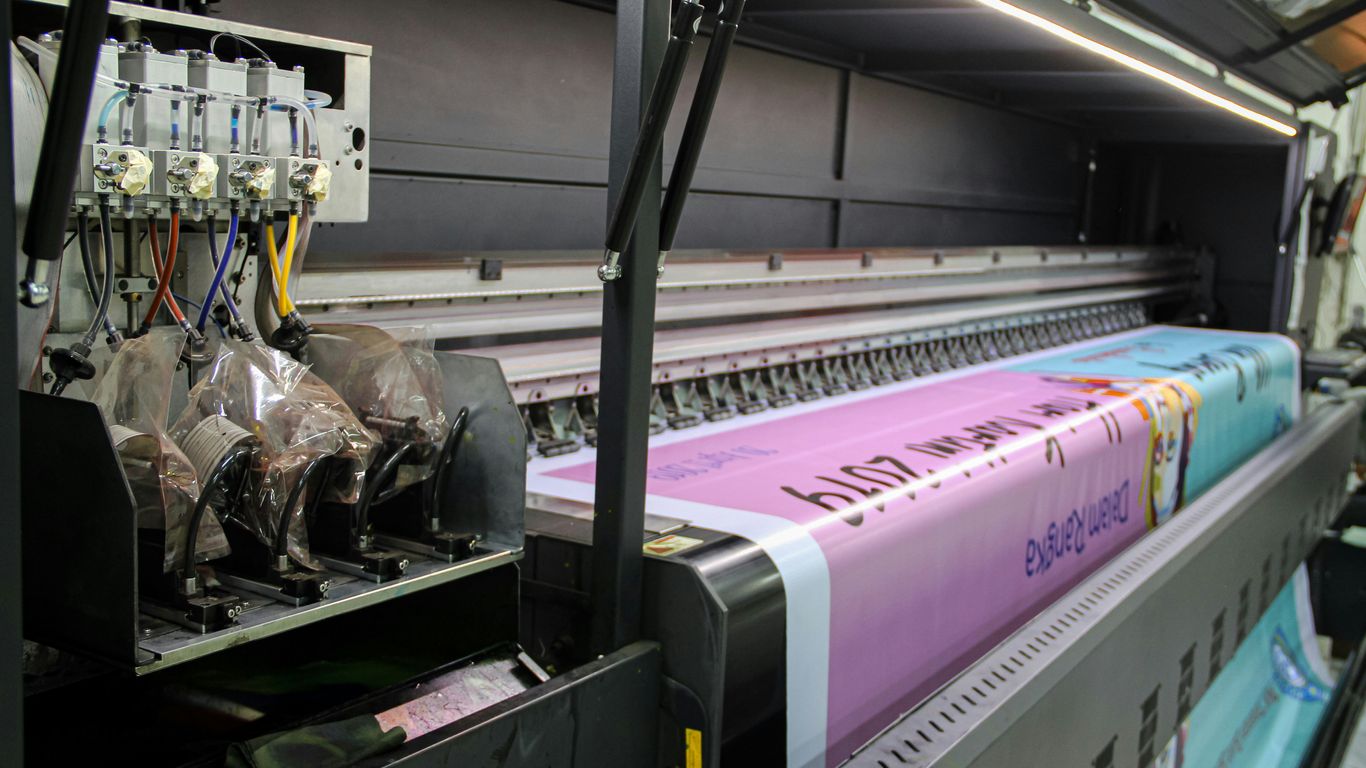
Getting your custom acrylic pieces to look just right really comes down to a few key things, mostly starting with the artwork you provide and how it’s printed. It’s not magic; it’s about making sure the digital file matches the physical output. The clarity of your final product hinges on the quality of your source material and the printing method chosen.
Achieving High-Definition Graphics
For sharp, vibrant graphics that really pop, UV direct printing is the go-to method for acrylic. This process applies ink directly onto the acrylic surface, creating a high-definition finish. It handles full-color output really well, meaning you get rich colors and smooth transitions, even in complex gradients or detailed designs. This makes it suitable for everything from intricate logos to eye-catching signage.
Printing Photos and Detailed Designs
When you’re looking to print photographs or designs with a lot of fine detail, the resolution of your artwork file is super important. Most printers recommend a minimum of 150 DPI (dots per inch) at the actual size you want it printed, but aiming for 300 DPI will give you that extra crispness, almost like a gallery print. If your original file is low-resolution, the final print might look blurry or pixelated, and that’s not something the printer can fix after the fact. It’s always a good idea to ask your supplier to check your files before they start printing; they can spot potential issues early on. For a professional look, consider buying art prints that meet these standards.
Supplier File Verification
Before production kicks off, it’s wise to have your chosen supplier review your artwork files. They can confirm if the resolution is adequate and if the file format is suitable for their printing process. This step helps prevent disappointment down the line. They’ll check for things like:
- Resolution adequacy (aim for 300 DPI if possible)
- Color mode (CMYK is usually preferred for printing)
- File format (vector files like AI or PDF are often best for sharp lines)
- Bleed and trim areas, if applicable
Working with a reputable supplier means they’ll guide you on file preparation. They understand that clear communication about artwork requirements leads to better results for everyone involved. Don’t hesitate to ask questions about their specific needs.
Reverse printing is another option that adds a layer of protection for your prints, especially for items that might see a lot of handling or cleaning. This method applies the ink to the back of the acrylic, with the clear acrylic acting as a protective shield. This is particularly beneficial for items like custom acrylic keychains or high-traffic signage where durability is a major concern.
Maintaining Your Custom Acrylic Products
Taking care of your custom acrylic items means they’ll look good for a long time. It’s not complicated, but a few simple steps can make a big difference. Proper care prevents scratches and keeps the prints looking sharp.
Cleaning Methods for Acrylic Surfaces
When it’s time to clean your acrylic, grab a soft, lint-free cloth. Microfiber cloths work really well. For general dust or smudges, a little bit of water is usually enough. If you need something a bit stronger, a mild soap mixed with water is a good choice. Just be sure to rinse thoroughly with clean water and then dry it off completely with another clean, soft cloth to avoid water spots. Avoid using harsh chemicals, abrasive cleaners, or rough paper towels, as these can easily scratch the surface or damage the print.
Here’s a quick rundown:
- For light dust: Use a dry microfiber cloth.
- For smudges: Dampen a cloth with water and wipe gently.
- For tougher grime: Use a solution of mild soap and water, then rinse and dry.
Protecting Prints from Wear and Tear
How you handle and place your acrylic products matters. If your acrylic has a reverse print, the design is on the back, which naturally protects it from most surface damage. This is a big plus for durability. For front-printed items, try to place them where they won’t get bumped or scraped often. Think about where people will be walking or placing things nearby. If you’re mounting them, make sure they’re secure and won’t wobble around.
Consider the environment where your acrylic product will be displayed. High-traffic areas might benefit more from reverse printing, which offers a built-in layer of protection for the artwork.
Longevity of Reverse Printed Designs
Reverse printed acrylic, where the design is applied to the back of the material, is known for its lasting quality. Because the print is shielded by the acrylic itself, it’s much less likely to get scratched or faded from regular handling or environmental factors. This method gives the print a sense of depth and makes it look quite premium. For items that will see a lot of use or are placed in busy spots, like menu boards in a restaurant or signage in a retail store, reverse printing is a smart choice for longevity. You can find more details on different printing methods and their benefits on acrylic product options.
Keeping your custom acrylic items looking great is simple! A little care goes a long way to make sure they stay shiny and clear. For detailed tips on how to clean and protect your unique acrylic pieces, visit our website today!
Wrapping Up Your Acrylic Project
So, if you’re looking for custom acrylic sheets in Malaysia, remember to think about what you need them for. Do they need to be super tough? What kind of look are you going for? Once you know that, reach out to a supplier with your details. A quick chat or a message can help you get exactly what you need. It’s all about planning ahead a bit so your project turns out great.
Frequently Asked Questions
What’s the difference between printing on the front and back of acrylic?
Printing on the front means the image is on the surface you see. Printing on the back (reverse printing) puts the image behind the clear acrylic. This protects the print from scratches and makes it look cleaner for longer.
How tough are prints on acrylic sheets?
Prints done with UV direct printing stick really well. If you use reverse printing, the image is protected under the acrylic, so it’s very hard to damage, even with cleaning. This makes it great for places where people touch things a lot.
What thickness of acrylic should I choose?
For simple signs, 3mm is usually fine. If you want something that feels more solid or needs to be tougher, 5mm is a good step up. For really high-end displays or signs that need to last a long time, 8mm or thicker is the way to go.
Can I print my own photos on acrylic?
Absolutely! As long as your photo is high quality and has enough detail (high resolution), UV printing can make it look amazing on acrylic. Just make sure the original file is clear and sharp.
How do I get my artwork ready for printing?
Send your design as a high-resolution file. Aim for at least 300 DPI at the size you want it printed. If you’re doing reverse printing, the printer can usually flip the image for you, so just ask.
How long will it take to get my custom acrylic print?
Typically, it takes about 2 to 3 weeks from when you approve the design to when it’s ready. If you need it sooner, many places offer rush services, but this might cost a little extra.
How much do custom acrylic prints cost?
The price depends on the size, how thick the acrylic is, and the printing method you choose. Reverse printing usually costs a bit more because it’s more durable. You’ll need to get a specific quote for your project.
Where can I find a supplier for custom acrylic printing in Malaysia?
There are several suppliers across Malaysia. For example, Percetakan CCS in Kota Kinabalu serves East Malaysia and offers UV direct printing. It’s best to contact them directly with your project details for a quote and advice.