Here are the main points to remember when deciding between making your own acrylic display case or buying a custom one.
Key Takeaways
- DIY can save money and be a rewarding project if you have the time and tools.
- Custom fabrication offers professional results and saves you time, but at a higher cost.
- Carefully plan your case dimensions and features before you start building or ordering.
- Acrylic is a good choice for display cases because it’s lighter and less breakable than glass.
- Proper cleaning and care will keep your acrylic display case looking good for a long time.
Understanding Acrylic for Display Cases
When you’re thinking about how to best show off your products, especially at a trade show or in a retail setting, the material of your display case really matters. For a long time, glass was the go-to. It looks nice, sure, but it’s heavy and can break pretty easily. That’s where acrylic comes in. It’s become a really popular choice for display cases, and for good reason.
Acrylic vs. Glass for Trade Show Displays
Let’s be honest, lugging heavy glass cases around to different events isn’t fun. Acrylic is significantly lighter than glass. This makes it much easier to transport, set up, and take down. Plus, while glass can shatter into sharp pieces if dropped, acrylic is much more resistant to impact. It might crack or scratch under extreme force, but it’s far less likely to break completely. This durability is a big plus when you’re dealing with the hustle and bustle of a trade show floor. Many exhibitors find that acrylic display cases offer a better balance of looks and practicality.
Benefits of Using Acrylic Materials
Beyond just being lighter and tougher than glass, acrylic offers a few other advantages. It’s quite versatile, meaning fabricators can cut, shape, and mold it into almost any design you can imagine. This flexibility allows for really creative display solutions. It also has a clean, modern look that doesn’t distract from your products. Think of it as a clear window that lets your items shine without adding visual clutter. It’s a cost-effective choice for many display needs.
Durability and Clarity of Acrylic
One of the main selling points of acrylic is its clarity. High-quality acrylic sheets offer excellent transparency, allowing viewers to see your products clearly. While it can scratch more easily than glass if you’re not careful, it’s also much less prone to shattering. This means your display case is less likely to be a casualty of an accidental bump or drop. For trade show use, where things can get hectic, this resilience is a major benefit. You can even get acrylic with special coatings to help resist scratches, though careful handling is always best.
- Lightweight: Easier to move and handle.
- Impact Resistant: Less likely to break than glass.
- Clarity: Offers clear visibility of products.
- Versatile: Can be shaped into various designs.
When considering materials for display cases, acrylic stands out for its combination of visual appeal and practical benefits, especially in dynamic environments like trade shows. Its ability to be shaped and its resilience make it a strong contender against traditional materials.
Planning Your DIY Acrylic Display Case
Before you start cutting and gluing, taking a moment to plan your DIY acrylic display case is a really good idea. It saves headaches later on. Think about what you actually need the case for. Is it to protect a delicate collectible from dust, or to showcase a product at a craft fair? Your answers will shape the design.
Assessing Your Display Needs
What are you putting inside? This is the first question. If it’s a small figurine, you won’t need the same size or security as you would for, say, a set of valuable trading cards. Consider the environment too. Will it be in a busy shop, a quiet home, or on a table at a bustling event? This affects how sturdy it needs to be and if it needs to be portable. The purpose of the display case dictates its design.
Determining Case Dimensions
Once you know what’s going in, you can figure out the size. Measure your item carefully, and then add a little extra space. You don’t want it to be so snug that you can’t get it in or out, but you also don’t want it to look lost in a giant box. Think about height, width, and depth. If you’re building a case for something like a model train module, you’ll need to be precise. For smaller items, you might have more flexibility. It’s often helpful to sketch out your dimensions on paper first.
Considering Product Security Features
Security is a big one, especially if your item is valuable or easily damaged. Do you need a lock? Some acrylic cases come with built-in locks, or you can add them yourself. If it’s just about keeping dust off, then a simple, open-top box design might be fine. But if you’re worried about little hands or accidental knocks, you’ll want to think about how to make it more secure. This could mean using thicker acrylic or designing a lid that fits snugly. For trade shows, security is often a major concern, so look into options that keep your items safe while still being visible. You can find some great examples of custom acrylic display boxes that offer various security features.
Materials and Tools for Fabrication
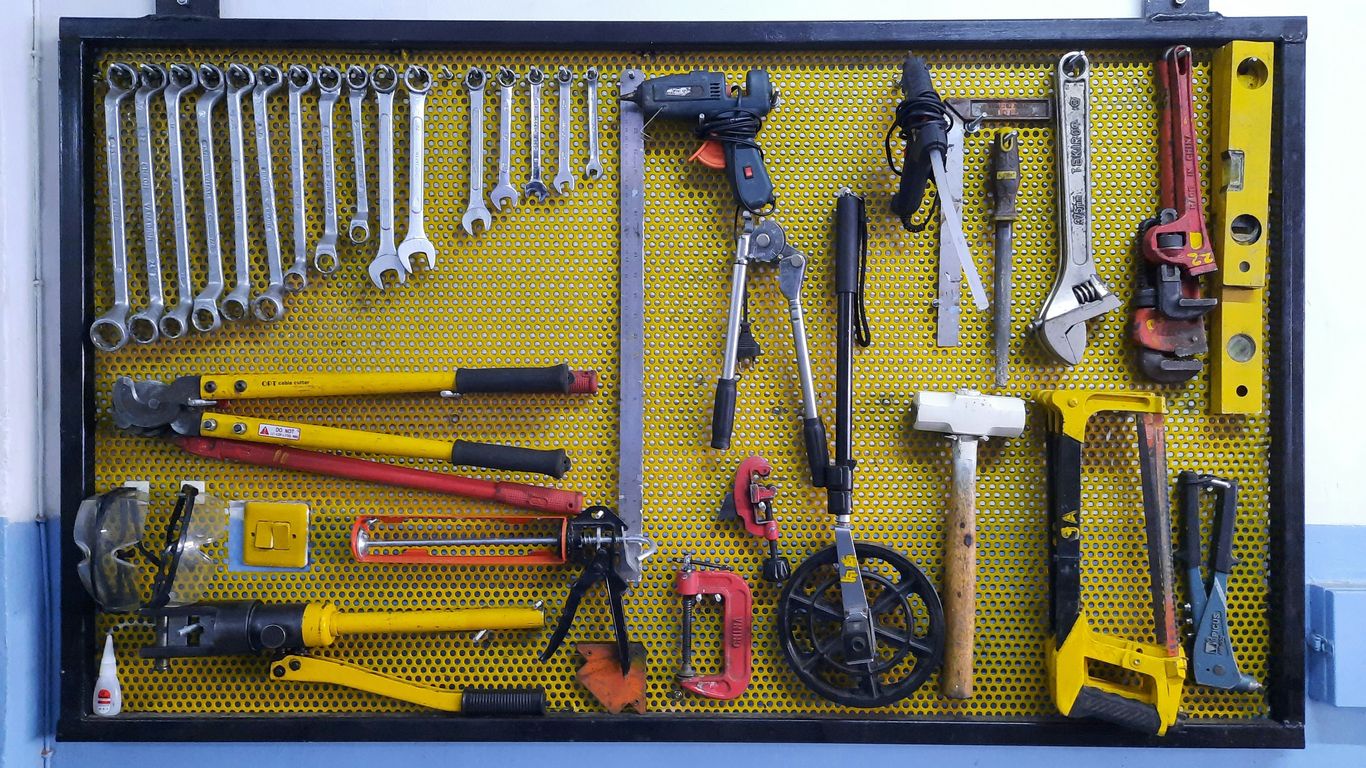
To build your own acrylic display case, you’ll need to gather the right supplies. Picking the correct acrylic sheets is the first step. Think about the thickness you need; thicker sheets are more durable but harder to cut. For most display cases, a 1/8-inch or 3/16-inch thickness is a good starting point. You can find acrylic sheets at most hardware stores or specialized plastic suppliers.
When it comes to tools, you don’t need a whole workshop. A good utility knife or a scoring tool is useful for making straight cuts on thinner acrylic. For thicker sheets, a table saw with a fine-tooth blade works well. Safety is key when cutting acrylic, so always wear eye protection. You’ll also need a way to join the pieces. Special acrylic cement is available, which creates a strong bond. Some people have had success with super glue gel, but make sure it’s designed for plastics.
Here’s a quick rundown of what you might need:
- Acrylic Sheets: Choose based on thickness and clarity needs.
- Cutting Tools: Utility knife, scoring tool, or table saw.
- Adhesive: Acrylic cement or plastic-specific super glue.
- Measuring Tools: Tape measure and a straight edge.
- Clamps: To hold pieces together while the adhesive dries.
- Sandpaper: For smoothing edges.
- Safety Gear: Eye protection and gloves.
Working with acrylic can be straightforward if you have the right materials and take your time. Rushing the process often leads to mistakes like cracks or uneven joints. It’s better to measure twice and cut once, as they say.
For precise cuts, especially on larger pieces, consider getting them cut at the store where you buy the acrylic. Many places offer this service for a small fee, saving you a lot of hassle. If you’re looking for custom shapes or sizes that are beyond simple straight cuts, you might want to look into custom acrylic fabrication services. They have the specialized equipment to handle complex designs.
Fabrication Techniques for Display Cases
Building your own acrylic display case involves a few key steps to get it right. It’s not just about slapping pieces together; there’s a bit of technique involved to make it look good and hold up.
Cutting Acrylic Safely and Accurately
Cutting acrylic needs a bit of care. You can use a fine-toothed saw, like a circular saw or a jigsaw, but make sure the blade is designed for plastics. A slow, steady speed is best. Always wear safety glasses – little bits of acrylic can fly off. If you’re making straight cuts, a table saw with a guide can give you really clean lines. For curves, a jigsaw works well, but take your time. Scoring and snapping is another method for thinner sheets, but it takes practice to get a clean break.
Joining Acrylic Panels
When it comes to sticking acrylic pieces together, you’ve got a few options. The most common method is using a special acrylic cement, often called solvent cement. This stuff actually melts the edges of the acrylic slightly, creating a strong bond when it dries. You apply it with a syringe or a fine brush. Another option is a cyanoacrylate adhesive, or super glue, which works faster but might not be as strong for structural joints. For larger projects, some people use UV-curing adhesives, which need a UV light to set.
Here’s a quick look at common adhesives:
| Adhesive Type | Best For | Drying Time | Strength | Notes |
|---|---|---|---|---|
| Acrylic Cement (MEK) | Strong, permanent bonds | Minutes | High | Melts edges, requires ventilation |
| Cyanoacrylate (Super Glue) | Quick fixes, smaller joints | Seconds-Mins | Medium | Can be brittle, good for quick assembly |
| UV Adhesive | Clear bonds, decorative elements | Minutes | High | Requires UV light to cure |
Finishing Edges for a Professional Look
Once your case is assembled, the edges might look a bit rough. You can smooth them out using sandpaper. Start with a coarser grit, maybe 220, and work your way up to finer grits, like 400 or 600. This will remove any saw marks or imperfections. After sanding, you can polish the edges to a clear, shiny finish. A polishing compound and a soft cloth work well for this. Some people even use a buffing wheel, but you have to be careful not to overheat the acrylic. For a really clean look, you might consider flame polishing, but this takes a lot of practice and is best left to experienced fabricators. A well-finished edge makes a big difference in how professional your display looks, turning it from a DIY project into something that looks like it came from a custom acrylic fabricator.
Proper edge finishing is what separates a homemade item from a professionally built one. It’s the small details that catch the eye and make the whole piece look intentional and well-crafted. Don’t skip this step if you want your display case to impress.
If you’re looking to create a truly unique shape or curve, techniques like thermoforming might be necessary, though this is more advanced and often done by professionals.
Customization Options for Your Display

When you’re building your own acrylic display case, you’ve got a lot of room to make it exactly how you want it. It’s not just about putting a box around your product; it’s about making that box work for you and your brand. Think about what you’re showing off and how you can make it pop.
Incorporating Branding Elements
Making your display case part of your brand identity is a smart move. You can do this in a few ways. Laser etching your logo directly onto the acrylic is a clean and professional look that won’t peel or fade. Another option is using colored acrylic sheets that match your company’s colors. This makes the case itself a visual representation of your brand. You could also consider custom-shaped bases or tops that tie into your brand’s aesthetic. It’s all about making the case recognizable as yours.
Adding Lighting Features
Lighting can really change how people see your product. Simple LED strips can be added inside the case to highlight specific items. You can even get battery-powered LEDs if you don’t want to worry about wires. Think about where you place the lights – maybe along the edges, or pointing directly at the main product. This can make a big difference, especially in a busy trade show environment. For a more sophisticated look, consider recessed lighting that’s less visible but still effective. Getting the right lighting can really make your display pop.
Designing for Specific Products
Different products need different kinds of displays. If you’re showing off small items like jewelry or collectibles, you might need smaller compartments or custom inserts. For larger items, you might need a sturdier build or specific mounting points. Consider if your product needs to be secured with a lock, or if it needs ventilation. For things like trading cards, you might want specific slots to keep them organized and protected. The goal is to make the case serve the product, not the other way around. You can even look into custom acrylic boxes with lids for added protection when the display isn’t actively being viewed. This attention to detail shows you care about your products and your presentation.
Here are a few ideas to consider:
- Compartments: For multiple small items, dividers can keep things neat.
- Shelving: Adjustable shelves allow you to change the display as needed.
- Mounting: If your product needs to stand upright or be held in a specific position, custom mounts are the way to go.
- Security: Locks or tamper-evident seals can be added for valuable items.
When planning your customizations, always think about the end goal. Is it to attract attention, protect the item, or provide information? Your design choices should support that primary objective. It’s about creating a functional piece of art that showcases what you have to offer.
Types of Acrylic Display Cases
When you’re thinking about how to show off your products, especially at a trade show or in a retail setting, the type of display case you choose really matters. Acrylic cases come in a few main varieties, each suited for different needs. It’s not just about picking a box; it’s about finding the right fit for your items and your presentation style.
Tabletop Display Cases
These are great for smaller items or when you have limited space on a counter or booth table. They’re compact and put your products right at eye level, which is good for drawing attention. Think small electronics, jewelry, or even samples. They don’t take up much room and are usually pretty easy to move around. If you’ve got higher-priced items, these cases help focus attention right where you want it. You can find some really neat small acrylic display boxes that fit this bill perfectly.
Portable Display Solutions
If you’re constantly on the move, hitting up different trade shows or events, portability is key. These cases are built to be lightweight and often fold up or break down easily. This makes them a lifesaver when you’re traveling a lot, especially in busy places like Las Vegas. They’re designed for quick setup and takedown, saving you time and hassle. The idea is to make moving your display setup less of a chore and reduce the risk of damage during transit.
Display Cases for Collectibles
For those who collect things – whether it’s trading cards, model cars, or action figures – specialized cases are a must. These aren’t just any boxes; they’re often designed with specific features to protect and showcase these items. This might include dust protection, specific holders to keep things organized, or even UV protection to prevent fading. Keeping your prized possessions safe and looking their best is the main goal here. A good case can make a collectible look even more appealing to others. Some cases are even stackable, which is a smart way to organize and display a growing collection without taking up too much space. You can find cases designed to keep your collectibles dust-free and looking sharp.
Here’s a quick look at some common uses:
- Jewelry: Often feature lockable doors and space for velvet cushions.
- Trading Cards: May have individual slots or holders to keep cards neat.
- Models/Figurines: Can have removable shelves to accommodate different sizes.
- Cosmetics: Usually focus on clear visibility and easy access.
When selecting a case, always consider what you’re displaying. The material, size, and any special features should all work together to highlight your product effectively and keep it secure.
Comparing DIY vs. Custom Fabrication
Deciding whether to build your own acrylic display case or have one custom-made involves looking at a few key differences. It’s not just about the final look, but also about your budget, the time you have, and what you’re comfortable doing yourself.
Cost Considerations for Each Method
When you’re thinking about cost, the DIY route often seems cheaper upfront. You’re just buying materials, right? But you have to factor in tools you might need to buy, potential mistakes that require buying more material, and the value of your own time. Custom fabrication, on the other hand, usually has a higher initial price tag. This price reflects the labor, the specialized equipment used, and the guarantee of a professional finish. For example, custom acrylic solutions can range from $200 to $500, with prices potentially higher for larger or specially featured pieces [9564]. While it might seem like more money out of pocket, it can sometimes be more cost-effective in the long run if it means avoiding costly errors or needing replacements.
Time Investment for DIY Projects
Building your own display case can take a significant chunk of time. You’ll spend time researching designs, sourcing materials, cutting, assembling, and finishing. If you’re new to working with acrylic, expect the learning curve to add extra hours. Mistakes happen, and fixing them or starting over eats into your schedule. Custom fabrication services handle all of this for you. They have the processes and people in place to build efficiently, meaning you get your case much faster than you likely could on your own.
Expertise Required for Custom Builds
Custom fabrication relies on skilled professionals who know the ins and outs of working with materials like acrylic. They understand how to cut, shape, and join pieces for maximum strength and aesthetic appeal. They also have access to specialized tools and techniques that are hard for a hobbyist to replicate. This level of skill means you get a polished, durable product. While you can certainly learn to work with acrylic yourself, achieving a truly professional finish often requires practice and specific knowledge about plexiglass and acrylic sheets and their properties.
Here’s a quick look at what each approach typically involves:
- DIY:
- Researching designs and techniques.
- Purchasing acrylic sheets and supplies.
- Cutting, shaping, and assembling the case.
- Troubleshooting mistakes and making adjustments.
- Finishing edges for a clean look.
- Custom Fabrication:
- Consulting with a fabricator about your needs.
- Receiving a design proof and quote.
- The fabrication process handled by experts.
- Delivery of a finished product.
Ultimately, the choice between DIY and custom fabrication boils down to your priorities. If you have the time, enjoy hands-on projects, and are willing to accept a less-than-perfect result, DIY can be rewarding. However, if you need a high-quality, professional-looking display quickly and without the hassle, custom fabrication is likely the better route.
Maintaining Your Acrylic Display
Keeping your acrylic display case looking its best is pretty straightforward, but it does require a little attention. You don’t want smudges or scratches to distract from whatever you’re showcasing. Regular cleaning is key to preserving both the clarity and the lifespan of your case.
Cleaning Acrylic Surfaces
When it comes to cleaning, gentleness is the name of the game. You’ll want to avoid anything that could scratch or cloud the surface. Here’s a good way to go about it:
- Gather your supplies: You’ll need a few clean, soft microfiber cloths. Avoid paper towels or rough rags, as they can leave tiny scratches.
- Start with dry dusting: Often, a simple wipe-down with a dry microfiber cloth is enough to remove dust and light smudges.
- For tougher spots: Mix a small amount of mild dish soap with lukewarm water. Dampen one cloth with this solution (don’t soak it) and gently wipe the acrylic. Immediately follow up with a second, clean, damp cloth to rinse away any soap residue. Finally, use a dry microfiber cloth to buff the surface dry and prevent water spots.
- Specialized cleaners: For a more thorough clean or if you’re dealing with specific types of grime, you can look into cleaners made specifically for acrylic. These are formulated to be safe and effective. You can find these at most hardware stores or online retailers that specialize in plastic materials.
Preventing Scratches and Damage
Scratches are probably the biggest enemy of a clear acrylic display. They not only look bad but can also be permanent if they’re deep.
- Be mindful of placement: Don’t put anything abrasive directly on or against the acrylic surface. If you’re placing items inside, consider using felt pads or soft cloth liners.
- Avoid harsh chemicals: Steer clear of window cleaners that contain ammonia (like Windex) or other strong solvents. These can actually damage the acrylic, causing it to become cloudy or brittle over time.
- Handle with care: When moving or cleaning the case, always lift it rather than dragging it. If you need to place it down, make sure the surface underneath is clean and smooth.
Long-Term Care for Durability
Acrylic is quite durable, but like anything, it benefits from consistent care. Think of it as part of the overall presentation of your items.
Proper maintenance isn’t just about aesthetics; it’s about protecting your investment and the items you display. A well-cared-for acrylic case will continue to look professional and serve its purpose for years to come, making it a reliable part of your display setup.
- Storage: If you need to store the case, wrap it in a soft blanket or place it in a protective bag. Avoid stacking heavy items on top of it.
- Temperature: While acrylic can handle a range of temperatures, extreme heat or cold for prolonged periods isn’t ideal. Try to keep it in a stable environment.
- Regular checks: Periodically inspect the case for any signs of wear or damage. Catching small issues early can prevent them from becoming bigger problems. For example, if you notice a small crack, you might be able to repair it with a specialized acrylic adhesive before it worsens.
Enhancing Trade Show Presentation
Maximizing Visual Appeal
When you’re at a trade show, standing out is the name of the game. Your display case isn’t just a box to hold your products; it’s a key part of your booth’s overall look and feel. Think about how the case itself can draw people in. A well-designed acrylic case can make your products look more appealing and professional. Using clear acrylic means attendees can see what you offer without obstruction, which is a big plus. It’s about making your booth inviting and memorable.
Ensuring Product Visibility
Good visibility is non-negotiable for any trade show display. You want potential customers to see your items clearly and appreciate their details. This means considering the placement and lighting within your case.
- Placement: Position your case at eye level or slightly higher where foot traffic is good.
- Lighting: Integrated LED lighting can make a huge difference, especially in a busy, often dimly lit trade show hall. It highlights your products and adds a touch of sophistication.
- Clutter-free: Avoid overcrowding the case. Each item deserves its own space to be noticed. A minimalist approach often works best.
Creating Brand Impact
Your display case is also a chance to reinforce your brand identity. Customization is key here. Think about adding your logo, using specific colors, or even incorporating interactive elements if possible.
The goal is to create a cohesive presentation where the display case complements your products and tells your brand’s story. It’s more than just showcasing items; it’s about making a connection and leaving a lasting impression that encourages attendees to learn more about what you offer.
Consider how different types of displays can serve your brand. For instance, a sleek tabletop case might be perfect for smaller items, while a larger, more robust unit could be better for showcasing larger products. If portability is a concern, looking into options like lightweight aluminum display cases can simplify transport and setup, allowing you to focus more on engaging with attendees rather than wrestling with heavy equipment.
Transporting Your Display Case
Designing for Portability
When you’re planning to move your display case, especially for trade shows or events, thinking about how it will travel is a big deal. You don’t want to arrive at your destination only to find something cracked or broken. Making your display case portable from the start simplifies everything. This means choosing materials that are not only sturdy but also light. Acrylic is a good choice here because it’s much lighter than glass, making it easier to carry and ship. Consider designs that might fold down or come apart easily. Some cases are built to ship flat, which really cuts down on shipping costs and makes them simpler to handle. It’s all about making the journey from your workshop to the venue as smooth as possible.
Protective Packaging Solutions
Once your case is built, how you pack it for travel is the next big step. You can’t just toss it in a box and hope for the best. Think about custom-fitted foam inserts. These can cradle your case and absorb shocks during transit. If you’re shipping it, especially via air or a common carrier, a more robust travel case might be needed. These are often built with tough exteriors and secure interiors to keep everything snug. For valuable items, like jewelry or electronics, a lockable case is a must, and the packaging needs to protect that security. Proper packaging stops dust and fingerprints from getting on your display during its journey, keeping it looking sharp for when you set up.
Ease of Setup and Takedown
Part of making a display case transportable is how quickly and easily you can get it set up and then packed away again. If your case involves a lot of small parts or complicated steps, it can eat up valuable time at an event. Look for designs that are intuitive. Maybe it uses simple latches, or perhaps it’s a case that just unfolds. Some portable display cases are specifically made to be collapsible, meaning they go from a compact form to a full display with minimal effort. This is super helpful if you’re doing multiple shows in a short period. The goal is to spend less time wrestling with your display and more time engaging with potential customers. It’s about making your trade show experience less of a hassle.
Moving your display case doesn’t have to be a hassle. We’ve put together some simple tips to help you get your case from point A to point B safely. For more detailed instructions and to see our full range of display solutions, visit our website today!
Conclusion
So, you’ve got a project in mind and you’re wondering if you should build your own acrylic display case or get one made for you. Both have their ups and downs, right? Doing it yourself can be a fun challenge and save you some cash, especially if you’ve got the time and patience. On the other hand, custom fabrication means a pro job, often quicker, and with fewer headaches, but it’ll cost more. Think about what’s most important for your project – your budget, how much time you have, and how perfect you need the final product to be. Whatever you decide, a well-made acrylic case can really make your items look great.
Frequently Asked Questions
Is it hard to make an acrylic display case myself?
It can be a bit tricky, especially if you’re new to working with plastics. You’ll need to be careful when cutting and gluing the pieces so they fit together nicely and look good. But with patience and the right tools, many people find they can do it!
What’s the difference between acrylic and plexiglass?
Honestly, not much! Acrylic and plexiglass are pretty much the same thing. ‘Plexiglass’ is just a brand name that became really popular. They’re both clear plastics that are lighter and safer than real glass.
What’s the best way to stick acrylic pieces together?
You can use special acrylic glues, often called ‘cement’ or ‘solvent cement.’ They actually melt the edges of the acrylic slightly, creating a super strong bond when they dry. Some people also use strong super glues, but the special acrylic glues usually give a cleaner, stronger finish.
How do I cut acrylic without messing it up?
Cutting acrylic needs a bit of care. You can use a fine-toothed saw, like a table saw or a jigsaw, making sure the blade is sharp. It’s also a good idea to score the acrylic with a utility knife first, then snap it along the line for straighter cuts on thinner pieces. Always go slow to avoid cracking.
Can I add cool features like lights to a DIY case?
You sure can! If you’re building it yourself, you can plan ahead to add LED strip lights or other lighting. You’ll just need to figure out how to hide the wires and power source neatly so it looks professional.
Why is acrylic better than glass for display cases?
Acrylic is much lighter than glass, which makes it easier to move around, especially if you’re taking it to shows or moving it often. It’s also way less likely to shatter if it gets dropped, making it safer. Plus, it can be shaped and glued more easily.
How much does it usually cost to buy a custom acrylic case?
The price can really vary depending on the size, how complicated the design is, and any special features you want, like locks or lights. Simple, small cases might be a few hundred dollars, but larger or more complex ones can go up from there. It’s definitely more expensive than making one yourself.
How do I keep my acrylic case clean and scratch-free?
To clean it, just use a soft cloth, like microfiber, with some mild soap and water. Never use harsh cleaners or paper towels, as they can scratch the surface. For minor scratches, you can sometimes use a special acrylic polish to buff them out.