So, you’re looking into transparent acrylic sheets for a project? That’s a smart move. These sheets are pretty popular, and for good reason. They’re strong, clear, and can be used for all sorts of things, from signs to furniture. If you’re wondering what makes them so special or how to pick the right one, you’ve come to the right place. We’ll break down what you need to know about transparent acrylic sheet.
Key Takeaways
- Transparent acrylic sheets are a versatile plastic material known for their clarity, strength, and weather resistance, making them a popular alternative to glass.
- They come in various types, including standard clear, colored, frosted, and mirrored finishes, each suited for different applications.
- Acrylic sheets are widely used in signage, furniture, protective barriers, and custom artistic projects due to their ease of fabrication and durability.
- When working with acrylic, consider its thickness, size, impact resistance, and UV stability to choose the best option for your needs.
- Compared to glass, acrylic is lighter, more shatter-resistant, and easier to work with, while polycarbonate offers even higher impact resistance and fire resistance.
Understanding Transparent Acrylic Sheet

Transparent acrylic sheet, often known by brand names like Plexiglas or Perspex, is a synthetic plastic material that has become incredibly popular for a wide range of uses. It’s essentially a type of thermoplastic polymer, specifically polymethyl methacrylate (PMMA). Think of it as a modern alternative to glass, but with its own set of unique advantages that make it stand out.
What is Transparent Acrylic Sheet?
At its core, acrylic sheet is a clear, rigid plastic. It’s manufactured through a process that results in a material with excellent optical clarity, meaning you can see through it very clearly, much like glass. However, it’s not glass. It’s a plastic, and that difference is key to its versatility. It’s been around for quite some time, with its development dating back to the early 20th century, and it’s used globally in countless applications. Its popularity isn’t just a fad; it’s built on a solid foundation of practical benefits.
Key Characteristics of Acrylic Plastic
Acrylic plastic boasts a number of characteristics that make it a go-to material for many projects. For starters, it’s remarkably clear, often achieving about 92% light transmission, which is comparable to glass. It’s also significantly lighter than glass, making it easier to handle, transport, and install. Another major plus is its toughness; it’s considerably more impact-resistant than standard glass, meaning it’s less likely to shatter. This makes it a safer choice in many situations.
Here’s a quick rundown of its main traits:
- Clarity: Offers excellent transparency and visibility.
- Durability: Highly resistant to weathering, UV radiation, and temperature changes. This means it holds up well outdoors without yellowing or degrading over time. Outdoor durability is a big selling point.
- Impact Resistance: Much stronger and more shatter-resistant than glass.
- Lightweight: Significantly lighter than glass, simplifying installation and handling.
- Workability: Relatively easy to cut, shape, and bond, which is a big advantage for custom projects.
While it’s tough, it’s not indestructible. It can scratch more easily than glass, but often, these scratches can be polished out.
Benefits of Using Acrylic Sheets
The combination of these characteristics leads to several key benefits. Its shatter-resistant nature makes it a safer alternative to glass, especially in environments where safety is a concern, like schools, playgrounds, or even around aquariums. The lightweight property reduces installation costs and labor. Furthermore, acrylic’s resistance to environmental factors means it maintains its appearance and integrity over long periods, even when exposed to the elements. This longevity, combined with its ease of fabrication, makes it a cost-effective choice for many applications. It’s a material that’s both practical and adaptable. Ease of fabrication is a major draw for designers and DIYers alike.
Types of Transparent Acrylic Sheets Available
Acrylic sheets aren’t just one-size-fits-all. They come in a variety of forms, each suited for different jobs. Understanding these types can help you pick the perfect sheet for your project.
Clear Acrylic Sheets
This is what most people think of when they hear ‘acrylic sheet.’ Clear acrylic offers exceptional optical clarity, often surpassing regular glass in its transparency. It’s like looking through a perfectly clean window. Because it’s so clear and also quite tough, it’s a popular choice for things like display cases, picture frames, and even aquariums. It’s also a great option for protective barriers where you need to see through clearly. You can find these in a wide range of thicknesses and sizes, making them adaptable for many uses. If you need a glass-like material that’s lighter and safer, clear acrylic is a solid bet. You can explore an extensive selection of these sheets to find the right fit for your needs here.
Colored and Tinted Acrylic Sheets
Beyond just clear, acrylic comes in a rainbow of colors. These aren’t just dyed sheets; the color is often integrated into the material itself. Tinted acrylics, like smoky grey or bronze, can reduce glare and UV light, making them suitable for windows or applications where you want to control light transmission. Solid colored sheets are fantastic for decorative purposes, signage, or anywhere you need a specific color to stand out. They offer the same durability as clear acrylic but with added aesthetic appeal. Think custom furniture, vibrant wall art, or eye-catching retail displays.
Frosted and Opaque Acrylic Sheets
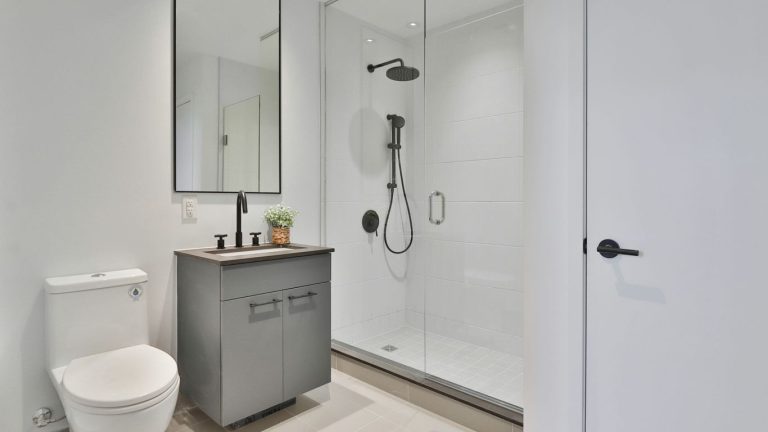
Frosted acrylic has a textured, matte surface that diffuses light. This gives it a softer look and provides a degree of privacy, making it ideal for room dividers, shower screens, or decorative panels where you don’t want complete transparency. Opaque acrylic sheets, on the other hand, completely block light. White and black are common opaque colors, often used for signage, backing for lightboxes, or furniture components where a solid color is desired. These sheets offer a clean, finished look and are easy to maintain.
Mirror Acrylic Sheets
These sheets have a reflective surface, similar to a mirror, but are made from acrylic. They are significantly lighter and much more shatter-resistant than traditional glass mirrors. This makes them a safer choice for areas where breakage could be a concern, such as gyms, children’s rooms, or high-traffic public spaces. Mirror acrylic can be used for decorative wall panels, signage, or even as a functional mirror in certain applications where weight and safety are primary considerations. They provide a reflective surface without the fragility of glass.
Applications of Transparent Acrylic Sheets
Transparent acrylic sheets are incredibly versatile and pop up in all sorts of places you might not expect. Their clarity, durability, and ease of use make them a go-to material for a wide range of projects, from big commercial jobs to smaller personal creations.
Signage and Displays
Acrylic is a top choice for signs because it looks good and holds up well, even outside. You can bend and shape it easily, which means custom signs are no problem. Businesses like hotels, shops, and restaurants use acrylic signs all the time. Even office nameplates or desk signs are often made from this material. It’s a solid, affordable option for getting your business noticed. You can print or stick graphics onto acrylic signs too, giving you lots of design freedom. For eye-catching product presentations, acrylic stands and boxes are fantastic. They show off items clearly without taking attention away from the product itself. Acrylic stands are common in retail and at trade shows.
Furniture and Interior Design
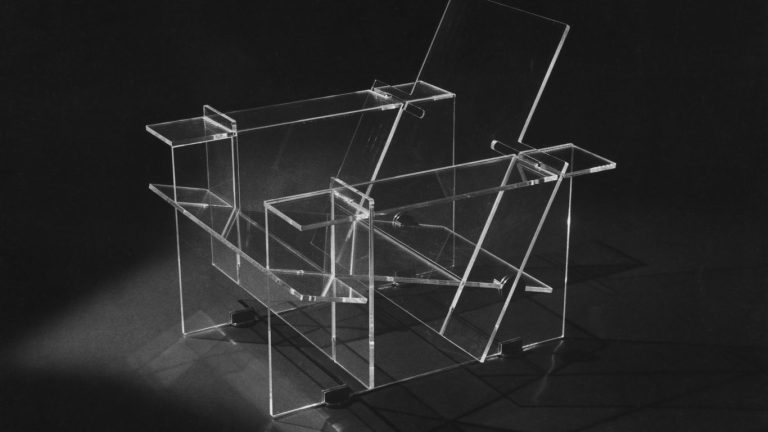
In homes and businesses, acrylic is used to add a modern touch. Think kitchen cabinet doors, wardrobe panels, or decorative wall pieces. It can even be used in furniture design to create unique looks. Acrylic panels can also be part of false ceilings, adding a nice lighting effect. It really brings a fresh aesthetic to spaces. Acrylic is also a great material for kitchen splashbacks or bathroom cladding, offering a sleek, easy-to-clean surface.
Protective Barriers and Glazing
Because acrylic is so clear and tough, it’s often used as a protective layer. This could be for things like sneeze guards in restaurants or protective screens in offices. It’s also a safer alternative to glass for windows, especially in places where safety is a big concern, like schools or public transport. Its shatter-resistant nature means it won’t break into dangerous shards if impacted.
Acrylic’s ability to resist impact makes it a much safer choice than glass in many situations. It’s lighter too, which makes installation simpler and less risky.
Artistic and Custom Projects
Artists and hobbyists love acrylic for its workability. It can be cut, drilled, and glued easily, making it perfect for custom projects. Whether you’re building a model, creating a display case, or working on an art installation, acrylic offers a lot of creative freedom. Laser cutting, in particular, allows for incredibly intricate designs on acrylic pieces. Laser cut acrylic products are popular for their precision and polished look.
Here’s a quick look at how acrylic stacks up for different uses:
| Application Type | Common Uses | Key Acrylic Benefits |
|---|---|---|
| Signage | Storefront signs, office directories, nameplates | Durability, weather resistance, customizability |
| Displays | Retail stands, brochure holders, display cases | Clarity, lightweight, attractive presentation |
| Furniture | Cabinet doors, tabletops, decorative panels | Modern aesthetic, ease of fabrication, visual appeal |
| Protective Barriers | Sneeze guards, machine guards, partitions | Impact resistance, clarity, safety |
| Art & Craft | Models, sculptures, custom projects | Ease of cutting, bonding, shaping, finishing options |
Working with Transparent Acrylic Sheets
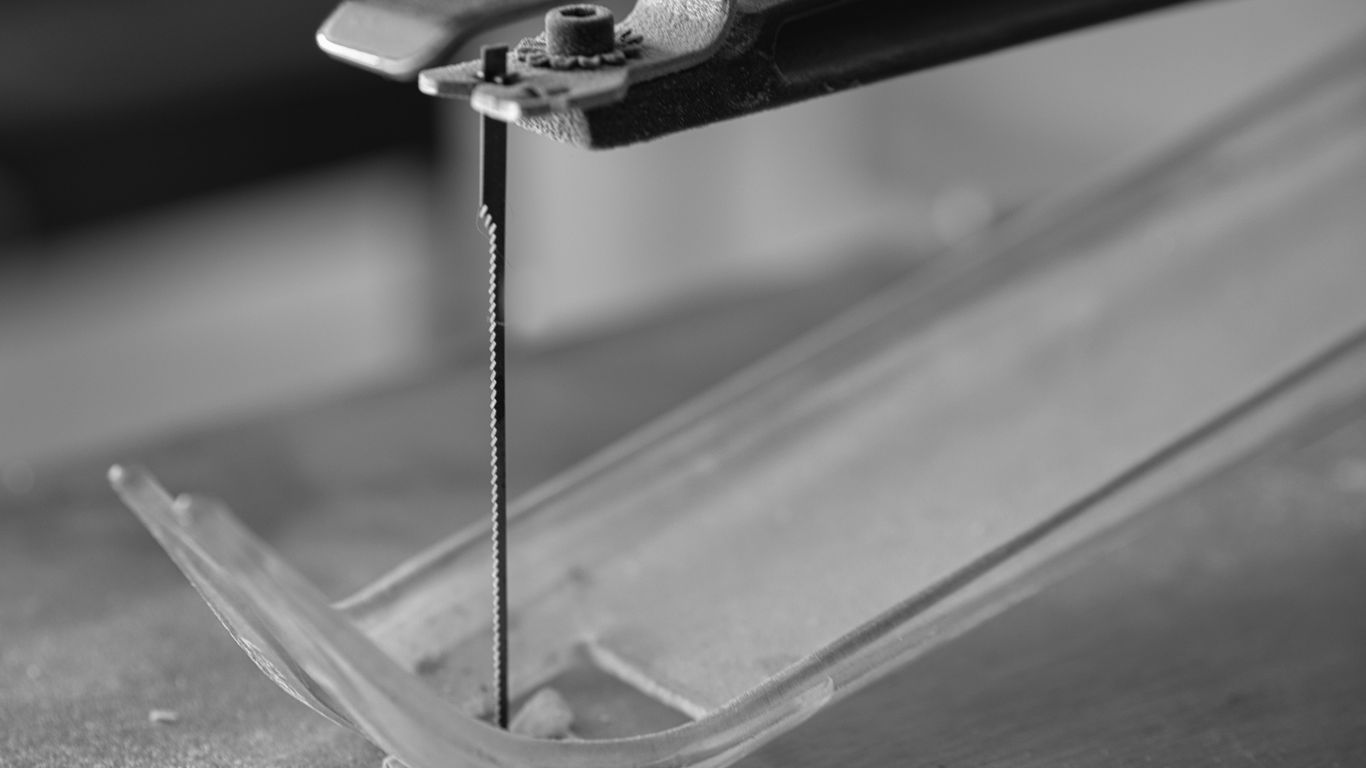
Working with transparent acrylic sheets is generally straightforward, making them a popular choice for both professionals and DIY enthusiasts. Their ease of fabrication means you can cut, shape, and join them with relative simplicity, opening up a world of creative possibilities. However, like any material, understanding the best practices will help you achieve the best results.
Cutting and Fabrication
Acrylic can be cut using various methods, depending on the complexity of the cut and the thickness of the sheet. For straight cuts or simple shapes, a fine-toothed saw or a specialized acrylic scoring tool works well. Always keep the protective film on the acrylic sheet during cutting to prevent scratches. For more intricate designs or very thick sheets, laser cutting is an excellent option, providing precise edges and clean finishes. If you’re using a hand saw or jigsaw, ensure the blade is designed for plastics to avoid chipping or melting.
When marking your cut lines, use a permanent marker or a fine-tip pen. A good tip is to score the line first with a utility knife or scoring tool before making the cut. This helps guide the blade and reduces the chance of the material cracking. For detailed guidance on marking and cutting, resources on preparing acrylic sheets for cutting can be very helpful.
Bonding and Joining Methods
Joining acrylic sheets can be achieved through several methods, each offering different strengths and appearances. Solvent welding is a common technique where a solvent, like dichloromethane, is applied to the edges of the acrylic. When the solvent evaporates, it fuses the two pieces together, creating a strong, almost seamless bond. This method requires careful application in a well-ventilated area.
Another option is using specialized acrylic adhesives, often referred to as acrylic glue. These adhesives are formulated to create a strong bond without damaging the clarity of the acrylic. For structural applications or when a very strong bond is needed, mechanical fasteners like screws can be used, though care must be taken to pre-drill holes to prevent cracking.
Here’s a quick look at common joining methods:
- Solvent Welding: Creates a strong, invisible bond by fusing the plastic. Best for applications where aesthetics are paramount.
- Acrylic Adhesives: Easier to use than solvents, offering good strength and clarity. Suitable for a wide range of projects.
- Mechanical Fasteners: Provides a very strong physical connection. Requires careful drilling to avoid damage.
Maintenance and Cleaning
Keeping your acrylic sheets looking their best is simple with the right approach. Avoid using abrasive cleaners, ammonia-based products, or rough cloths, as these can scratch or cloud the surface. Instead, a soft, damp cloth with a mild soap solution is usually sufficient for everyday cleaning.
For tougher grime, a specialized acrylic cleaner can be used. Always wipe in a circular motion and then buff dry with a clean, soft cloth to prevent water spots. If minor scratches do appear, they can often be buffed out using a plastic polish designed for acrylics. Remember, proper care will help maintain the clarity and longevity of your acrylic projects.
Proper cleaning and maintenance are key to preserving the pristine appearance of transparent acrylic sheets. Gentle methods and the right products will prevent damage and ensure your projects remain visually appealing for years to come.
Choosing the Right Transparent Acrylic Sheet
Picking the right acrylic sheet for your project might seem a bit overwhelming at first, but it really comes down to a few key things. You’ve got to think about what you’re actually going to do with it, how tough it needs to be, and how clear you need it to look. It’s not a one-size-fits-all situation, so taking a moment to consider these factors will save you headaches down the road.
Understanding Thickness and Size Options
The thickness of an acrylic sheet is probably the most important spec to get right. A thin sheet, say 2mm or 3mm, is fine for small decorative items or simple signs. But if you need something that can hold weight, resist bending, or act as a sturdy barrier, you’ll want to go thicker. For things like tabletops, furniture components, or larger display cases, you might be looking at 6mm, 10mm, or even thicker. It’s all about matching the sheet’s strength to its job.
When it comes to size, most suppliers offer standard sheet dimensions, like 1.22m x 1.83m or 1.22m x 2.44m. However, many places can also cut the sheets down to custom sizes, which is super handy if you have specific dimensions in mind. Always check if custom cutting is available and what the cost might be.
Here’s a general idea of thickness recommendations:
- 2mm – 3mm: Suitable for small signs, picture frames, craft projects, and decorative elements.
- 4mm – 6mm: Good for medium-sized displays, tabletops, small partitions, and applications needing a bit more rigidity.
- 8mm – 10mm+: Ideal for structural components, heavy-duty barriers, large furniture pieces, and applications requiring significant strength and impact resistance.
Considering Durability and Impact Resistance
Acrylic is known for being tough, much tougher than glass, actually. It’s about 30 times more impact-resistant than standard glass, which means it’s a lot less likely to shatter if something hits it. This makes it a great choice for places where safety is a concern, like schools, public spaces, or even around kids.
However, not all acrylics are created equal. Some types are formulated for extra durability and impact resistance. If your project is going to be in a high-traffic area or might be subject to accidental bumps, looking for sheets specifically advertised as high-impact or shatter-resistant is a good move.
The material’s inherent toughness means it can handle a lot more stress than you might expect, making it a reliable choice for many demanding applications.
Evaluating Optical Clarity and UV Stability
When you think of transparent acrylic, you probably picture crystal clear. Most clear acrylic sheets offer excellent optical clarity, meaning you can see through them with very little distortion. This is why it’s often used as a glass substitute for windows, display cases, and picture framing.
But, if your project is going to be exposed to sunlight regularly, you’ll want to consider UV stability. Standard acrylic can yellow or become brittle over time when exposed to prolonged UV radiation. If you need long-term outdoor use or want to protect items displayed behind the acrylic from UV damage, look for sheets that are specifically UV-stabilized or UV-resistant. This feature is particularly important for outdoor signage or displays that will be in direct sunlight. You can find sheets that offer high clarity and UV resistance for these specific needs.
Comparing Acrylic to Other Materials
Acrylic vs. Glass
When you’re looking at materials for a project, you’ll often find yourself weighing acrylic against traditional glass. They look similar, sure, but they’re really quite different. Acrylic is a type of plastic, specifically polymethyl methacrylate (PMMA), and it’s known for being much lighter than glass. Seriously, it’s about half the weight. This makes it way easier to handle and install, especially for larger pieces.
One of the biggest advantages of acrylic is its toughness. It’s significantly more impact-resistant than glass – some say up to 30 times more. This means it’s less likely to shatter if something hits it, making it a safer choice for many applications, like protective barriers or displays where safety is a concern. Plus, if it does break, it tends to do so in larger, less sharp pieces compared to the dangerous shards of broken glass. Clear acrylic sheets offer a versatile and cost-effective alternative to glass, boasting exceptional clarity, durability, and weather resistance. Their lightweight, shatter-resistant, and non-toxic properties make them safe for various applications, from aerospace and medical equipment to home improvement and DIY projects. Easy to cut, shape, and clean, acrylic is ideal for protective barriers, signage, displays, and creative endeavors, providing a long-lasting and recyclable material for both commercial and personal use. Learn more about acrylic’s benefits.
However, glass often has a slight edge when it comes to scratch resistance. Acrylic can scratch more easily, though many types come with coatings to help with this, and minor scratches can often be buffed out. Glass also tends to be more rigid and less prone to flexing than acrylic. When it comes to cost, acrylic can sometimes be more expensive upfront than basic glass, but its durability and ease of fabrication can make it more cost-effective in the long run.
Here’s a quick rundown:
- Weight: Acrylic is much lighter than glass.
- Impact Resistance: Acrylic is significantly stronger and less prone to shattering.
- Scratch Resistance: Glass generally holds up better against scratches.
- Fabrication: Acrylic is easier to cut, shape, and drill.
- Safety: Acrylic is considered safer due to its shatter-resistant nature.
While both materials offer excellent clarity, the choice often comes down to the specific demands of your project regarding safety, weight, and how easily you need to work with the material.
Acrylic vs. Polycarbonate
Comparing acrylic to polycarbonate is another common consideration, as both are strong, clear plastic alternatives to glass. Polycarbonate is known for being incredibly tough. It boasts an impact resistance that’s often cited as being 250 times greater than glass, making it a top choice for applications where extreme durability is needed, like security glazing or machine guards. Polycarbonate sheets are 250 times stronger than regular glass, while only weighing half as much. Making polycarbonate a popular material for security and vandalism proof glazing.
Acrylic, while strong, isn’t quite as impact-resistant as polycarbonate. However, acrylic often has better optical clarity and is less prone to scratching than polycarbonate. Polycarbonate can sometimes yellow over time when exposed to UV light, though many types have UV-resistant coatings. Acrylic generally holds its clarity better over long-term outdoor exposure, especially if it has UV stabilizers.
When it comes to working with them, both are relatively easy to fabricate compared to glass. Acrylic can be polished to a very high sheen, and its edges can be flame-polished for a smooth finish. Polycarbonate can be a bit trickier to machine without specialized tools, and it doesn’t polish as easily as acrylic. Polycarbonate also has a higher heat resistance than acrylic, which can be a factor in certain applications.
Here’s a comparison table:
| Feature | Acrylic (PMMA) | Polycarbonate |
|---|---|---|
| Impact Resistance | Good (approx. 30x glass) | Excellent (approx. 250x glass) |
| Optical Clarity | Excellent, high transparency | Very good, slightly less than acrylic |
| Scratch Resistance | Moderate (can be coated) | Lower than acrylic |
| Weight | Lighter than glass | Similar to acrylic, lighter than glass |
| UV Resistance | Good (especially with stabilizers) | Can yellow without UV coating |
| Heat Resistance | Moderate | Higher than acrylic |
| Fabrication | Easy to cut, polish, flame polish | Can be more difficult, doesn’t polish as well |
| Cost | Generally moderate | Often higher than acrylic |
| Chemical Resistance | Good | Good |
Polycarbonate is significantly stronger than glass, boasting an impact resistance 250 times greater. This is supported by technical analysis of Izod/Charpy impact tests and comparisons of molecular structures and engineering properties. This makes polycarbonate a superior choice for applications requiring high durability and resistance to impact.
When looking at different materials, acrylic often stands out. It’s tough, clear, and can be shaped in many ways. If you’re curious about how acrylic stacks up against other common choices, we’ve got the details. Discover why acrylic might be the perfect fit for your next project by visiting our website today!
Wrapping It Up
So, that’s the lowdown on acrylic sheets. We’ve talked about what they are, why they’re so popular, and all the different ways you can use them. From making signs that grab attention to building things that need to last, acrylic really does seem to be a solid choice. It’s tough, it looks good, and it’s easier to work with than you might think. Whether you’re a pro or just tinkering around at home, acrylic sheets offer a lot of possibilities for your next project. Keep these points in mind, and you’ll be well on your way to picking the right acrylic for whatever you have in mind.
Frequently Asked Questions
What exactly is transparent acrylic sheet?
Transparent acrylic sheet is a strong, clear plastic material that’s often used as a substitute for glass. It’s known for being tough, lightweight, and easy to work with, making it great for all sorts of projects. Think of it as a super-powered, safer version of glass!
Why is acrylic better than glass for some projects?
Acrylic is a fantastic choice because it’s much harder to break than glass – it’s about 30 times stronger! This means it’s safer, especially in places where things might get bumped or knocked over. Plus, it weighs less, which makes it easier to handle and install.
What are the main types of acrylic sheets you can find?
You can find clear acrylic, which looks a lot like glass. There are also colored and tinted sheets for different looks, frosted ones for a softer feel, and even mirror-finish acrylics. Each type is good for different creative uses.
Can I use acrylic sheets outside?
Yes, you absolutely can! Acrylic holds up really well against different weather conditions. It doesn’t get damaged easily by sun or rain, so it’s a reliable choice for signs, windows, or other things you need to use outdoors.
How do I clean and take care of acrylic sheets?
Keeping acrylic clean is pretty simple. Usually, a soft cloth with some mild soap and water works best. Avoid using harsh chemicals or abrasive cleaners, as they can scratch or damage the surface. Just a gentle wipe-down will keep it looking clear and new.
What kind of projects are acrylic sheets good for?
Acrylic sheets are super versatile! They’re perfect for making signs, displays for shops, furniture, protective barriers (like sneeze guards), and even for art projects. Because they’re easy to cut and shape, you can use them for almost anything you can imagine.