Key Takeaways
Understanding the distinct material properties helps when selecting the right plastic for specific projects. This guide covers how these materials perform across various conditions and requirements, providing clarity for your next fabrication choice.
- Acrylic offers superior optical clarity and surface hardness, perfect for display and decorative applications.
- Polycarbonate provides industry-leading impact resistance, making it the standard for safety-critical glazing.
- Fabrication methods range from laser cutting to cold bending, requiring different tools depending on the chosen material.
- Cost variations often dictate material selection, with acrylic being more economical for lower-stress environments.
- Proper maintenance and scratch prevention are essential for preserving the aesthetic quality of both plastics over their service life.
Material composition and manufacturing processes
Choosing between these two popular materials often begins with understanding their underlying production. Acrylic and polycarbonate are both polymers, yet they arrive at their finished forms through very different chemistry and industrial cooling methods. By knowing the unique molecular structure of each, you can better predict how they will behave in your specific application.
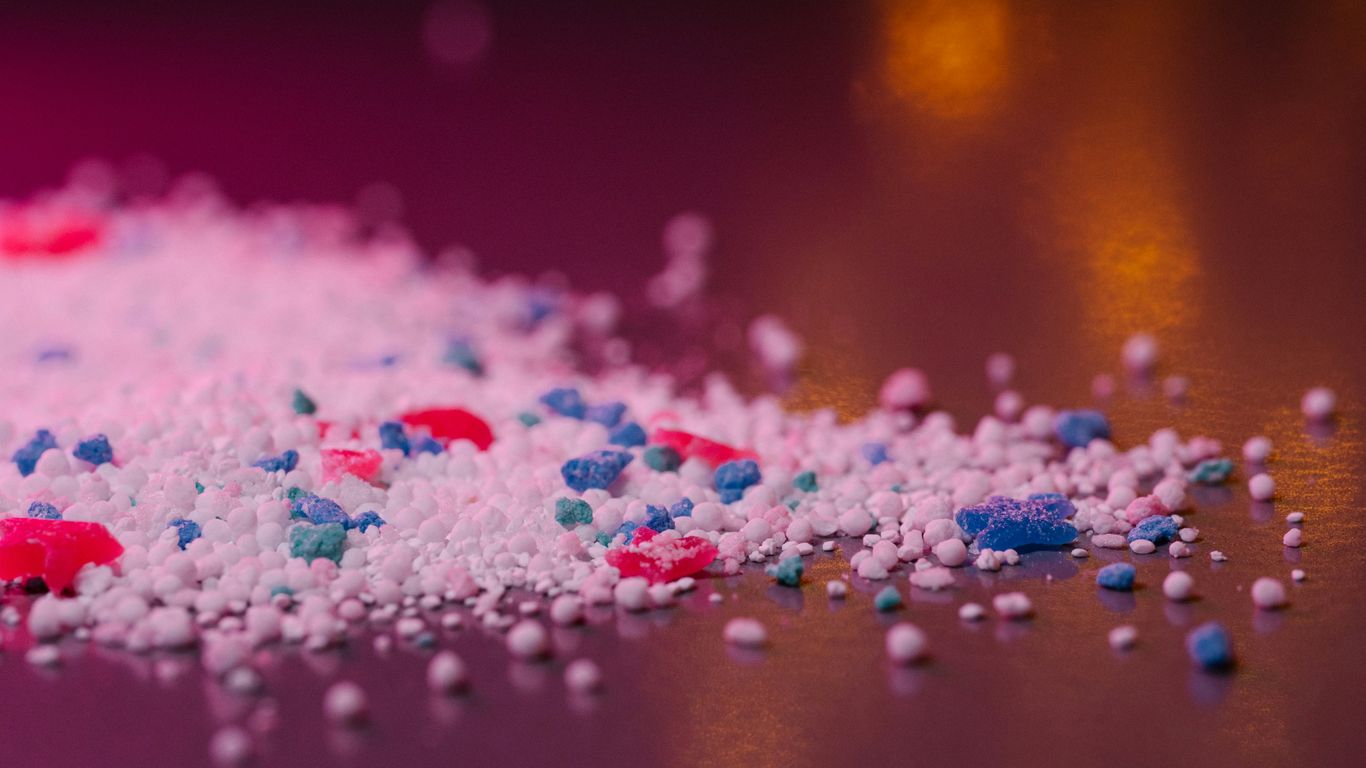
Chemical makeup of acrylic (Polymethyl methacrylate)
Acrylic, or polymethyl methacrylate (PMMA), is a synthetic resin made from the polymerization of methyl methacrylate monomers. This chemical process results in a hard, transparent thermoplastic that is exceptionally clear and stable. Acrylic.my provides expert insights into how this material is synthesized, as explored in this in-depth guide on how acrylic sheets are manufactured.
Polycarbonate polymer structure
Polycarbonate is a tougher thermoplastic polymer containing carbonate groups in its chemical chains. This complex material comparison guide highlights how the interplay between bisphenol A and phosgene produces a structure that is naturally flexible and immensely resilient under physical stress. Its molecular chain allows it to deform without breaking, a trait that sets it apart from more rigid plastics.
Typical manufacturing and fabrication methods
Manufacturers create these materials through distinct pathways, including bulk polymerization for acrylic and extrusion or injection moulding for polycarbonate. When selecting sheets, one might look at clear polycarbonate sheet options, which are frequently used in safety glazing and industrial applications. Understanding these methods ensures compatibility with your required thickness and structural needs, as noted in this acrylic sheet thickness guide.
Optical clarity and light transmission
Whether you are designing a retail case or an overhead canopy, how light passes through the barrier is a primary concern. Both materials are excellent alternatives to glass, yet they offer slightly different visual experiences. Our key differences for acrylic and glass comparison underscores that while both allow for high light transmission, their surfaces interact with light in unique and measurable ways.

Comparing light transmission percentages
Acrylic is widely celebrated for its optical transparency, often boasting light transmission ratings as high as 92%, which is superior to the clarity found in most standard glass. Polycarbonate typically falls slightly lower on this scale, yet it remains sufficiently transparent for vision panels and lenses. When comparing acrylic and glass for display purposes, the absolute clarity of PMMA often makes it the preferred choice for high-end retail showcases.
Resistance to UV yellowing over time
Exposure to the sun can gradually degrade many plastic types, leading to discolouration. Acrylic demonstrates impressive natural resistance to ultraviolet radiation, maintaining its crystal-clear aesthetic far longer than many competitors. While some polycarbonate grades include UV-stabilising treatments, untreated sheets may yellow more quickly in outdoor settings. We often discuss these longevity factors in our durability of acrylic guide to help clients choosing materials for permanent outdoor signage.
Visual characteristics in natural light
Under direct natural light, acrylic retains a deep, glossy finish that mimics the brilliance of high-quality glass. Polycarbonate often presents a softer, slightly more muted visual profile due to its composition. If your goal is to maximise aesthetic impact for interior features, choosing between clear and frosted finishes allows you to manipulate light diffusion to create custom atmospheres.
Durability and impact resistance
When structural failure is not an option, the contrast between these materials becomes stark. While acrylic excels in hardness, polycarbonate dominates in scenarios involving heavy physical impact. Professionals often rely on these distinctions when choosing between acrylic and glass for doors or walls in high-traffic commercial spaces.
Why polycarbonate is considered shatterproof
Polycarbonate possesses a remarkable ability to absorb kinetic energy without succumbing to crack propagation. This makes it a frequent choice for bullet-resistant plastic uses, where maintaining structural integrity under violent stress is a legal or safety requirement. It does not shatter or fracture in hazardous pieces, providing a reliable barrier against high-velocity impacts.
Brittle fracture risks in acrylic sheets
Acrylic is inherently rigid and brittle compared to polycarbonate. While this provides excellent scratch resistance, it means that under sudden, intense pressure, the material is more likely to crack or splinter. For this reason, users often reference a side-by-side analysis of materials when assessing the safety of specific, high-exposure glass-to-plastic replacements.
Choosing the right material for high-traffic environments
In public or industrial areas prone to accidental collisions, polycarbonate is clearly the superior safety choice. However, if your environment focuses on decorative items that stay protected from direct hits, the acrylic and glass display trade-off might favour the cost-effective, aesthetic side of acrylic. You can integrate these materials based on a comprehensive acrylic sheet guide that factors in both usage risk and visual longevity.
Ease of fabrication and usability
Both materials behave predictably under shop tools, but they respond differently to thermal stress and mechanical cutting paths. If you are handling acrylic and PETG materials, you will notice that each requires specific blade speeds and cooling techniques to avoid surface issues.
Cutting and machining techniques for acrylic
Acrylic is easily cut with standard routing and laser cutting equipment. To achieve an edge that matches the clarity of the surface, you must adjust feed rates carefully, as high heat can melt the plastic back into a fuzzy ridge. This acrylic fabrication and use overview confirms that properly sharp tools lead to beautiful, high-clarity edges.
Drilling and cold bending polycarbonate
Polycarbonate is a dream to drill and form because it is tough and pliable. Unlike acrylic, which might crack when bent too tightly, polycarbonate can be cold-bent to create complex curves efficiently. Its capability to handle machining acrylic and polycarbonate differently is essential, especially when you need high-speed production turnarounds for custom enclosures.
Bonding and structural adhesive compatibility
Creating strong seams requires matching the adhesive to the substrate accurately. For assembly, consider this comprehensive guide to how systems integrate, and apply the same logic to chemical bonding for plastics. Whether using solvent-based glues for acrylic or mechanical fasteners for polycarbonate, understanding the compatibility is essential for a lasting assembly.
Thermal properties and heat tolerance
| Material Type | Heat Deflection | Fire Resistance | Thermal Expansion |
|---|---|---|---|
| Acrylic | Low | Flammable | Moderate |
| Polycarbonate | Moderate | Self-extinguishing | High |
| Glass (Reference) | Very High | Non-combustible | Very Low |
Selecting based on thermal behaviour is critical for outdoor or high-temperature work environments. You must consider how expansion affects the fit in frames, especially as described in this acrylic sheet buyer’s guide.
Comparing melting points and thermal deformation
Acrylic typically softens at lower temperatures, leading to potential warping in high-heat zones. Polycarbonate manages heat better, maintaining its shape longer when exposed to extreme warmth. If you are planning for an environment like Medellín, you will value these properties for local outdoor signage.
Fire rating and safety considerations for plastics
Safety codes often mandate specific fire-performance ratings for public building components. Polycarbonate is frequently cited for its self-extinguishing nature, whereas acrylic requires careful placement around heat sources. Referring to local acrylic fabrication standards ensures your project remains fully compliant with fire-safe building strategies.
Performance in extreme temperature fluctuations
Materials respond to climate shifts by expanding and contracting. Polycarbonate exhibits higher thermal expansion, necessitating larger assembly tolerances, whereas acrylic’s stability makes it more predictable in temperature-sensitive installations. This distinction is vital for long-term maintenance, a point often highlighted in our acrylic boards guide.
Cost effectiveness and typical applications
Budget planning often narrows down the material field quickly. Acrylic is generally the more affordable option for standard projects, while polycarbonate represents a higher initial investment due to its specialized impact-resistant capabilities.
Market pricing trends and material availability
Prices fluctuate based on manufacturing demand and the specific grade required. For most standard retail fixtures, the acrylic and polycarbonate differences favour acrylic, which remains abundant and cost-effective. Keeping track of current industry pricing helps maintain your budget.
Ideal use cases for cost-effective acrylic
Acrylic is the winner for signage, light boxes, and custom retail displays where optical appeal matters more than impact protection. It is a safe and natural alternative for many applications where clarity must be maintained without the extreme expense of heavy-duty polymers.
When to invest in high-performance polycarbonate
If you are designing machine guards, race car windows, or high-security partitions, the performance benefits of polycarbonate outweigh the cost difference. Investing in its durability, as detailed in comparative material selection reports, ensures you avoid replacement costs caused by breakage in high-stress zones.
Scratch resistance and surface maintenance
While acrylic wins the clarity battle, it is famously susceptible to surface scratching. Polycarbonate, though tougher otherwise, is often even softer on the surface, making scratch resistance a key factor in your cleaning strategy.
Vulnerability to surface abrasions and deep gouges
Both materials require careful handling, as they can be marred by abrasive sponges or harsh chemicals. We have compared these issues against acrylic and glass mirror alternatives to help you see why surface hardness remains a major selection factor for high-touch surfaces.
Cleaning protocols for maintaining surface finish
Maintaining your acrylic is a straightforward task when you have the right chemical resistance guide. Use soft cloths and mild, non-abrasive cleaners to ensure the material stays pristine. Avoid industrial cleaners that might cloud the finish or impact the structural integrity of the plastic surface.
Effectiveness of aftermarket scratch-resistant coatings
For high-traffic areas, applying a hard coat to your plastic can extend its visual life significantly. Many manufacturers now offer sheets with factory-applied coatings that mimic the hardness of glass while retaining the lightweight properties of the underlying polymer.
Conclusion
The choice between these materials ultimately relies on balancing your specific needs for impact resistance, optical brilliance, and your project’s budget. By assessing your environment for potential stress and visual requirements, you can select the durable, clear material that best fits your design goals and long-term maintenance needs.
Frequently Asked Questions
Which material is strictly better for outdoor use?
The answer depends on your priority; acrylic offers better UV stability and is less likely to yellow over time, while polycarbonate provides better long-term durability if the outdoor area is prone to physical impact or vandalism.
Can you polish scratches out of these plastics?
Yes, acrylic is generally easier to polish back to high clarity because of its surface hardness, whereas polycarbonate’s softer surface often requires professional-grade buffing compounds to remove deep abrasions effectively.
Does thickness affect the impact resistance of acrylic?
Increasing the thickness of your acrylic sheet improves its overall rigidity and structural capacity, though it will never match the inherent toughness and energy absorption characteristics of thin polycarbonate sheets.
Is one material significantly lighter than the other?
Both materials are significantly lighter than traditional glass, but they differ slightly in density; however, in most practical applications, the weight difference between acrylic and polycarbonate is negligible for support structure requirements.
How should I clean these materials to avoid damage?
Always use a clean microfiber cloth and water mixed with a mild dish soap to wipe down the surface; never use ammonia-based window cleaners, which can cause micro-cracking and visible crazing on the plastic surface.
Why do these plastics cost more than glass sometimes?
While acrylic can be cheaper than high-end tempered glass, high-impact polycarbonate is an engineered plastic that often carries a higher cost due to its complex manufacturing requirements and specialized chemical stabilizers.
Can you glue both materials with the same adhesive?
No, you need specific bonding agents for each; acrylic acts well with solvent-based cements that weld the plastic seamlessly, whereas polycarbonate generally requires mechanical fasteners or specialized structural adhesives depending on the mounting load.