Thinking about buying acrylic sheets in Malaysia? It’s not as straightforward as you might think. The price can really bounce around, and understanding why is pretty important if you’re trying to budget. We’re going to look at what makes the acrylic sheet price Malaysia go up and down, from the stuff it’s made from to how much people want it. It’s a bit of a puzzle, but we’ll break it down.
Key Takeaways
- The cost of raw materials, like the resins used to make acrylic, can change quickly. This makes it hard for companies to set a steady acrylic sheet price in Malaysia.
- How much it costs to actually make the sheets, including energy and labor, plays a big part in the final price you see.
- When more people or industries need acrylic sheets for things like cars or buildings, the price tends to go up because there’s more demand.
- Big industries like cars and construction really drive the need for acrylic sheets, influencing the overall market and pricing.
- Things happening around the world, like economic issues or global events, can also affect the acrylic sheet price Malaysia, sometimes unexpectedly.
Factors Influencing Acrylic Sheet Price Malaysia
Several elements play a role in determining the price of acrylic sheets here in Malaysia. It’s not just a simple case of one price fits all; a few key things can really shift the cost up or down.
Raw Material Price Volatility
The cost of the basic ingredients needed to make acrylic sheets can change quite a bit. Think about the main components, like polymethyl methacrylate (PMMA) resin. The prices of these feedstocks are often tied to global markets for things like crude oil and natural gas. When those prices go up or down, it directly impacts how much it costs to produce acrylic. This makes it tough for manufacturers to set steady prices because they’re always reacting to these shifts. This price fluctuation for raw materials is a major factor that can impede market growth.
Manufacturing Process Costs
How the acrylic sheet is actually made also affects the final price. There are different methods, like casting and extrusion. Cast acrylic, for example, involves a more involved process where liquid acrylic is poured between glass molds. This requires specific tools and a bit more know-how, which can lead to higher production expenses compared to other methods. These increased costs can make cast acrylic sheets less competitive price-wise against other plastic materials.
Market Demand and Supply Dynamics
Like anything else, when lots of people want acrylic sheets and there aren’t enough to go around, prices tend to climb. Conversely, if there’s a surplus of sheets and not many buyers, prices might drop. This balance between what’s available and what people need is always shifting. Factors like new applications popping up or changes in major industries that use acrylic can really sway this dynamic. For instance, a boom in the building and construction needs sector can increase demand significantly.
Industry Demand Driving Acrylic Sheet Price Malaysia
The price of acrylic sheets in Malaysia isn’t just about how they’re made; a big part of it comes down to how much people want them and for what. Several key industries are really pushing the demand, and this naturally affects what manufacturers can charge.
Automobile Sector Applications
The automotive industry is a significant user of acrylic sheets. They’re increasingly being swapped in for glass in various car parts. Think about interior panels, sunroofs, and even windows. The main reasons for this shift are pretty clear: acrylic helps make vehicles lighter, which in turn improves fuel efficiency. Plus, it offers better safety features compared to traditional glass. As car manufacturers look for ways to make their vehicles more efficient and safer, the demand for acrylic sheets in this sector keeps growing. This steady need from the auto world plays a role in keeping acrylic sheet prices stable, or sometimes pushing them up.
Building and Construction Needs
This is another massive area where acrylic sheets are finding their place. In Malaysia’s growing construction scene, acrylics are used for all sorts of things. We’re talking about decorative elements, functional parts of buildings, and even safety features. Their versatility means they can be adapted for modern architectural designs, interior fittings, and external facades. The ability to customize them in terms of color, thickness, and even texture makes them a go-to material for architects and builders trying to create unique spaces. The ongoing development in the building sector means a consistent demand for these sheets, influencing their market price.
Advertising and Signage Industry Growth
When you walk around any town in Malaysia, you’ll see acrylic sheets everywhere in advertising and signage. They’re used for everything from shop signs and display panels to protective covers for electronic devices. Their clarity, durability, and ease of shaping make them ideal for creating eye-catching and long-lasting advertisements. The growth of businesses, both big and small, means a constant need for new and updated signage. This sector’s reliance on acrylic sheets for visual communication is a strong driver of demand. The advertising and signage industry’s continuous need for vibrant and durable displays directly impacts the market price of acrylic sheets.
The adaptability of acrylic sheets means they fit into many different industries. From making cars lighter to creating attractive signs, their uses are broad. This widespread application means that changes in any one of these major industries can have a ripple effect on the overall demand and, consequently, the price of acrylic sheets in Malaysia.
Challenges Affecting Acrylic Sheet Price Malaysia
Several factors can make pricing for acrylic sheets in Malaysia a bit tricky. It’s not always a straight line from production to the customer’s hands.
High Production Costs for Cast Acrylic
When we talk about cast acrylic sheets, the manufacturing process itself can be quite involved. Making these sheets involves pouring acrylic resin into molds, which requires specific equipment and a good deal of know-how. This process, while yielding a high-quality product, can lead to higher production expenses compared to other methods. This increased cost can make cast acrylic sheets less competitive price-wise against other plastic materials. It’s a trade-off between quality and cost that buyers often have to consider.
Limited Awareness in Emerging Markets
While acrylic sheets are well-established in many sectors, there are still areas, particularly in developing markets, where awareness about their full range of applications isn’t as widespread. This lack of familiarity can slow down adoption and demand. If potential users aren’t fully aware of how acrylic sheets can benefit their projects, whether it’s for creative signage or durable building components, the market growth can be held back. Educating these markets about the versatility and benefits of acrylic is an ongoing effort.
Global Economic and Geopolitical Impacts
The price of acrylic sheets isn’t just influenced by local factors. Global events play a significant role too. Things like trade disputes, political instability in key regions, or even widespread economic downturns can disrupt supply chains for raw materials. When the cost of essential feedstocks like crude oil and natural gas fluctuates, it directly impacts the price of acrylic resin. This volatility can make it hard for manufacturers to set stable prices and can lead to unexpected increases or decreases in the final cost of acrylic sheets. For instance, disruptions can lead to shortages, driving prices up, while a global recession might reduce demand, potentially lowering prices but also impacting sales volume.
The interconnectedness of the global economy means that events far from Malaysia can still ripple through and affect the price of everyday materials like acrylic sheets. Keeping an eye on international news and economic trends is almost as important as looking at local market conditions for anyone involved in buying or selling these products.
Here’s a look at some of the global influences:
- Raw Material Price Swings: The cost of key ingredients for acrylic, like PMMA resin, can change rapidly based on global energy prices and supply. This directly affects production costs.
- International Trade Policies: Tariffs, trade agreements, or sanctions between countries can impact the availability and cost of imported raw materials or finished acrylic sheets.
- Global Economic Health: During periods of global economic slowdown, demand for construction materials and consumer goods often drops, which can put downward pressure on acrylic sheet prices, though it also means fewer sales overall.
Understanding these broader challenges is key to grasping the full picture of acrylic sheet pricing in Malaysia. It’s a complex market, influenced by a mix of local production realities and global economic forces. For businesses looking for reliable suppliers, checking out options like Jon Kwong Enterprise can be a good starting point for understanding local availability and pricing structures.
Regional Market Insights for Acrylic Sheet Price Malaysia
When we look at the global picture for acrylic sheets, the Asia-Pacific region really stands out. It’s been a major player for a while now, and that’s largely thanks to fast industrial growth and more building happening everywhere, especially in places like China and India. The demand for acrylic sheets here isn’t just for buildings, though; it’s also growing because of the electronics and car industries. Malaysia itself is a significant contributor to the Asia-Pacific market, with its own manufacturing and usage needs.
Asia-Pacific Market Dominance
The Asia-Pacific region has seen substantial growth in the acrylic sheet market over the past few years. This dominance is fueled by ongoing innovation and technological advancements across various manufacturing sectors within the region. In 2019, Asia-Pacific held the largest market share, and this trend is expected to continue. The increasing urbanization in developing economies, coupled with rising economic growth and consumer income, further propels the demand for acrylic sheets. This makes the region a key focus for understanding price fluctuations.
North America’s Fastest Growth
Looking at North America, it’s projected to experience the quickest expansion in the acrylic sheet market during the forecast period. This surge is linked to a growing demand for advanced technologies and applications. The region’s robust industrial and manufacturing base creates a consistent need for acrylic sheets in various products, from construction materials to automotive parts and signage. This rapid growth can influence global supply and demand, indirectly affecting prices in other regions.
European Market Contributions
Europe also plays a notable role in the global acrylic sheet market. While perhaps not growing as rapidly as North America, the European market contributes significantly to overall global shares. The demand here is often driven by specific industry needs and a focus on quality and specialized applications. Understanding the European market helps paint a fuller picture of global acrylic sheet dynamics.
The interplay between these major regional markets – the dominant Asia-Pacific, the rapidly growing North America, and the established European sector – creates a complex global landscape that influences acrylic sheet prices everywhere, including Malaysia. Factors like trade flows, regional manufacturing capacities, and local demand trends all contribute to the final price points consumers and businesses encounter.
Here’s a quick look at some regional contributions:
- Asia-Pacific: Largest market share, driven by industrialization and construction.
- North America: Fastest projected growth, linked to technological demand.
- Europe: Steady contributions, often focused on specialized uses.
These regional dynamics are important to consider when analyzing the factors that influence the price of acrylic sheets in Malaysia. For instance, understanding where raw materials come from or where finished products are exported can shed light on price movements. If you’re looking for acrylic sheets in Malaysia, knowing these broader market trends can be quite helpful when buying.
It’s also worth noting that raw material prices, like acrylic acid, can vary significantly by region, with countries like Malaysia and China being major contributors to the market for acrylic acid. These price shifts at the source naturally ripple through to the final product cost.
Acrylic Sheet Market Trends and Opportunities
The acrylic sheet market is always changing, with new ideas popping up that could really shake things up. We’re seeing a lot of movement towards creating acrylic sheets that do more than just look good. Think about sheets that can handle tougher conditions or even help save energy. This push for better performance is opening doors for new uses.
Development of Novel Applications
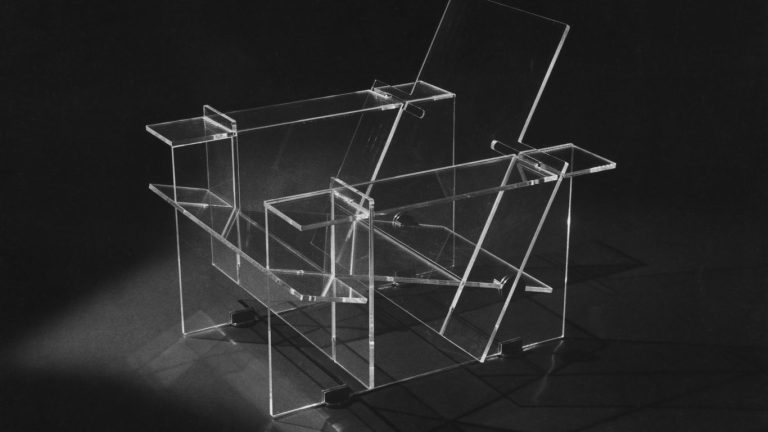
Acrylic sheets are showing up in places you might not expect. Beyond the usual signs and building materials, designers are getting creative. They’re using acrylic for unique interior designs, custom furniture, and even in artistic installations. The material’s ability to be shaped, colored, and its clear nature make it a go-to for projects that need a bit of flair. This adaptability is a big reason why demand keeps climbing. As architects and designers explore more possibilities, we’ll likely see acrylic sheets become even more common in everyday objects and structures.
The drive for innovation means acrylic sheets are no longer just a basic material. They’re becoming a key component in creating modern, functional, and visually appealing products across many industries.
Customization and Personalization Trends
People want things that are made just for them, and acrylic sheets fit right into that. Manufacturers are offering more options for custom sizes, colors, and even special finishes. This means businesses can get exactly what they need for their specific projects, whether it’s a unique sign for a shop or a specific part for a machine. This trend is especially noticeable in areas like retail displays and custom automotive parts.
Technological Advancements in Manufacturing
Making acrylic sheets is getting smarter. New manufacturing techniques are making it possible to produce sheets faster and with fewer defects. This not only helps keep costs down but also allows for the creation of sheets with improved properties, like better scratch resistance or enhanced UV protection. For example, advancements in the cast acrylic sheets market are leading to higher quality products. These improvements are making acrylic a more attractive option compared to traditional materials like glass, especially in demanding applications.
Key Industry Players and Strategies
The acrylic sheet market in Malaysia, like globally, is shaped by the actions of major manufacturers and their strategic approaches. These companies are constantly working to maintain their edge and expand their reach. Acquisitions and partnerships are common tactics used to grow market share and broaden product offerings. Companies often look to acquire smaller players or form alliances to gain access to new technologies or markets.
Research and development also plays a big part. Investing in new ways to make acrylic or finding new uses for it helps companies stay ahead. This can mean developing stronger, lighter, or more specialized types of acrylic sheets. For example, some companies are focusing on creating sheets with improved UV resistance or specific optical properties.
Here are some common strategies seen in the industry:
- Expansion: Building new manufacturing facilities or increasing capacity at existing ones to meet growing demand.
- Mergers & Acquisitions: Buying out competitors or companies with complementary technologies to consolidate market position.
- New Product Launches: Introducing innovative acrylic products with unique features or applications.
- Research and Development Investments: Allocating resources to discover new materials, manufacturing processes, and product applications.
Some of the prominent manufacturers you’ll find operating in or influencing the Malaysian market include global giants and regional specialists. Companies like Mitsubishi Chemical, Altuglas International, and 3A Composites are significant players. Locally, manufacturers such as Asia Poly are also important. These companies often have a wide range of products, from standard sheets to specialized custom fabrications. If you’re looking for specific services, you might find companies offering professional plexiglass and acrylic cutting in areas like Selangor.
The competitive landscape is dynamic, with companies continuously adapting their strategies. This includes not only product development but also how they manage their supply chains and customer relationships. Building a strong reputation for quality and reliability is just as important as the products themselves. When looking for an acrylic sheet supplier in Penang, for instance, it’s wise to consider their track record and the range of services they provide, beyond just the price.
When evaluating suppliers, consider their:
- Product Range: Do they offer the specific type, thickness, and color you need?
- Fabrication Capabilities: Can they perform custom cuts, bends, or other modifications?
- Technical Support: Do they have knowledgeable staff to help with material selection and project advice?
- Delivery Reliability: Can they meet your project timelines consistently?
In the competitive landscape, understanding the main companies and their game plans is crucial. These leaders are shaping the future of the industry with their smart moves and new ideas. Want to learn more about who’s who and what they’re doing? Visit our website for the full scoop!
Wrapping It Up
So, as we’ve seen, figuring out the price of acrylic sheets in Malaysia isn’t just about one thing. It’s a mix of what’s happening with raw materials, how much people want them for buildings or cars, and even what’s going on in the wider economy. Sometimes things get a bit tricky with supply chains or when new applications pop up, which can shift prices around. Keeping an eye on these different factors will help anyone looking to buy or sell acrylic sheets make better decisions. It’s a dynamic market, for sure.
Frequently Asked Questions
What makes acrylic sheet prices change in Malaysia?
Prices for acrylic sheets can shift because the cost of the stuff they’re made from, like plastic bits, goes up and down. Also, how much it costs to make them and whether lots of people want them or not can change the price too. Sometimes, big world events can mess with prices as well.
Why is the car industry important for acrylic sheets?
Car makers are using more acrylic sheets because they’re lighter than glass. This helps cars use less fuel, which is good for the environment and saves money. They’re also tough and don’t shatter easily, making cars safer. Think of sunroofs or parts inside the car.
Are acrylic sheets expensive to make?
Making certain types, like ‘cast’ acrylic, can be a bit pricey. This is because the special way they’re made needs specific tools and skills. This higher cost can sometimes make them more expensive for buyers compared to other plastics.
Which part of the world uses the most acrylic sheets?
The Asia-Pacific area, which includes countries like China and India, uses the most acrylic sheets. This is because these places are building a lot, have growing industries, and people are buying more things.
What new ways are people using acrylic sheets?
People are finding cool new ways to use acrylic sheets! They’re showing up more in buildings and designs for cool signs, stylish interiors, and even unique building fronts. Designers love how they can be shaped, colored, and are see-through, making modern buildings look awesome.
Who are the big companies making acrylic sheets?
There are several big companies around the world that make acrylic sheets. Some well-known ones include Mitsubishi Chemical, Evonik, and Arkema. These companies often buy other smaller companies or work together to stay competitive and create new kinds of acrylic.