So, you’re wondering if those clear plastic sheets, acrylic, can actually help quiet things down? It’s a fair question. Lots of us deal with noise we’d rather not hear, whether it’s from a busy street outside or just the general hum of life. Acrylic sheets are often talked about for soundproofing, and they do have some good points. But like anything, it’s not a magic bullet. We’re going to break down what you need to know about using acrylic for sound insulation, how it stacks up against other stuff, and what really makes a difference.
Key Takeaways
- Acrylic sheets can help with noise reduction, especially higher-pitched sounds, but their effectiveness for sound insulation depends a lot on thickness and how they’re installed.
- Thicker acrylic sheets generally block more sound because they have more mass, but there’s a point where adding more thickness doesn’t help much more.
- Proper installation, like sealing gaps, is super important for acrylic sheets to work well for soundproofing. Sound can easily sneak through any openings.
- Specialized acrylic systems, like those used for highway noise barriers, are designed with features to improve sound control and can be quite effective.
- While acrylic offers transparency and a modern look, it’s not always the best or most cost-effective choice for all soundproofing needs, especially for low-frequency noise.
Understanding Acrylic Sheets For Sound Insulation
Acrylic sheets are often picked for noise reduction because they balance strength, transparency, and sound-blocking qualities. Let’s look at what makes acrylic a practical option for controlling sound and how it stacks up against other materials.
Properties of Acrylic for Noise Reduction
- Acrylic is a rigid, dense plastic, which helps block sound waves instead of letting them pass through easily.
- These sheets don’t absorb much sound, but they reflect it, which can cut down the amount of noise entering a space.
- People usually choose acrylic for its clarity, giving sound insulation without making a space feel closed in.
Acrylic sheets can noticeably cut noise when used properly, though they will not block out everything.
| Material | Sound Transmission Loss (STL)* | Clarity | Weight |
|---|---|---|---|
| Acrylic (1/4”) | Moderate | Very high | Light |
| Glass (1/4”) | High | Very high | Heavy |
| Polycarbonate (1/4”) | Moderate | High | Light |
| Plywood (1/2”) | Moderate | Opaque | Medium |
*STL: Higher value = better noise reduction
Acrylic Versus Other Materials for Soundproofing
When stacked against options like glass, wood, or laminated panels, acrylic offers:
- Lower weight, making it easier to handle and install
- Good sound reflection, though glass usually blocks a bit more sound for the same thickness
- Resistances to shattering and weather, which matter for outdoor or large barrier uses
- Better transparency and overall appearance
For many, the trade-off in using acrylic is a small loss in sound-blocking compared to glass, but a big gain in easier handling and decent insulation. More about its insulation properties can be found in details about thicker acrylic panels.
The Role of Thickness in Sound Insulation of Acrylic Sheets
Thickness really matters for acoustic control. Thicker sheets block more sound, and here’s why:
- More mass means more sound is stopped instead of passing through.
- Thicker panels are especially helpful at blocking higher-frequency noises (like voices or traffic).
- For really quiet spaces — like studios — most use at least 1/4” to 1/2” thick acrylic, and boost the effect by installing multiple layers or pairing acrylic with other materials.
Picking the right sheet thickness is about matching the material to the level and type of noise you’re dealing with. Too thin, and you lose performance. Too thick, and the cost or weight may outweigh the benefit.
In summary, acrylic sheets offer a middle ground for sound insulation — not the strongest material out there, but their mix of visibility, moderate sound control, and flexibility make them a strong choice for many noise-reduction tasks. If you’re interested in a more detailed explanation of acrylic’s sound insulation abilities, check out the moderate sound insulation properties that acrylic offers.
Factors Influencing Sound Insulation Performance
When you’re looking at using acrylic sheets for soundproofing, it’s not just about picking up any old sheet. A few things really change how well it works. Think of it like building a wall – the materials matter, sure, but how you put it together and what kind of wall you’re building makes a big difference too.
Impact of Acrylic Sheet Thickness
This is probably the most straightforward factor. Generally, the thicker the acrylic sheet, the better it is at blocking sound. More mass means more resistance to sound waves trying to pass through. It’s like trying to shout through a thin piece of paper versus a thick book; the book is going to muffle the sound a lot more. For basic noise reduction, something like 1/4 inch might do okay, but if you’re dealing with louder noises or want more significant quiet, you’ll want to look at thicker options, maybe 1/2 inch or even more. Keep in mind, though, that after a certain point, adding more thickness gives you less of a soundproofing boost for the extra material. It’s a bit of a trade-off.
- 1/4 inch: Suitable for moderate noise, like background chatter.
- 1/2 inch: Better for louder noises, like busy street sounds.
- 3/4 inch and up: For environments with very high noise levels or specific acoustic needs.
Installation Techniques for Optimal Soundproofing
How you install the acrylic sheets is just as important as the thickness. Even the thickest, best acrylic won’t do much if there are gaps or weak points where sound can sneak through. Proper sealing around the edges is absolutely key. This means using acoustic sealants or gaskets to create an airtight barrier. If you’re mounting sheets to a frame, make sure the frame itself is sturdy and doesn’t transmit vibrations. Sometimes, using multiple layers of acrylic with a gap in between, filled with a sound-absorbing material, can be more effective than a single, very thick sheet. It’s all about creating a continuous barrier.
Addressing Low-Frequency Noise Transmission
Acrylic sheets are pretty good at blocking higher-frequency sounds, like voices or music. But lower frequencies, the kind you get from heavy traffic, machinery, or bass music, are trickier. These sound waves have more energy and can vibrate through materials more easily. While thicker acrylic helps, it might not completely solve low-frequency issues on its own. You might need to combine acrylic barriers with other soundproofing methods, like adding mass-loaded vinyl or using specialized acoustic panels in conjunction with the acrylic. It’s often a multi-pronged approach that works best for tackling those deep rumbles. Plexiglass sound barriers can achieve significant decibel reduction, but understanding the frequency of the noise you’re targeting is important.
The effectiveness of any soundproofing material, including acrylic, is a combination of its inherent properties and how it’s integrated into a larger system. A poorly installed thick sheet can perform worse than a well-installed thinner one.
Specialized Acrylic Solutions for Noise Barriers
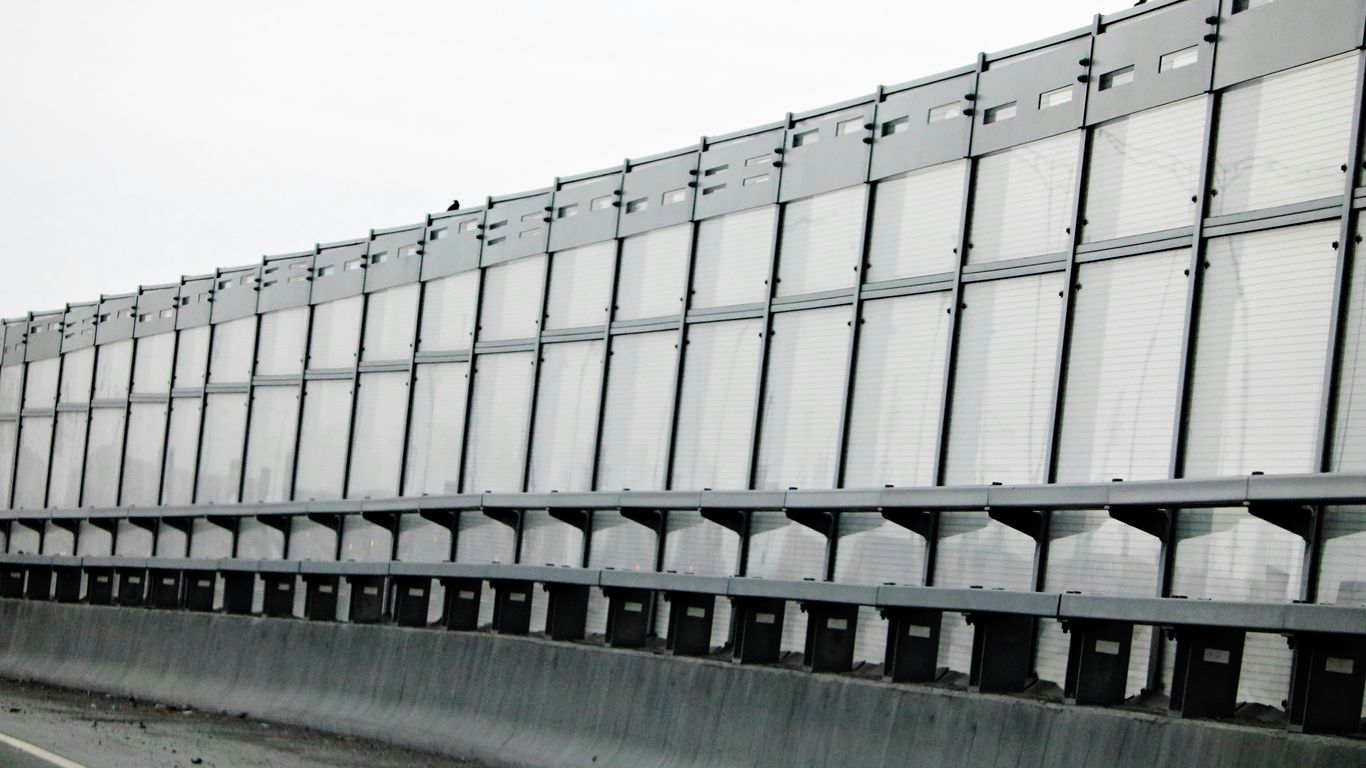
When you need to tackle noise pollution in specific, demanding situations, specialized acrylic solutions really come into their own. These aren’t just generic sheets; they’re engineered products designed for serious noise control, especially in places like busy highways and railway lines. Think about it – these areas generate a lot of sound, and the barriers need to be tough and effective.
ACRYLITE® Soundstop Systems Overview
ACRYLITE® has developed a whole range of products specifically for noise barriers. They’ve got different types, each with its own strengths. For instance, the ACRYLITE® Soundstop GS is a popular choice because it’s transparent, which is a big deal for drivers. It helps avoid that closed-in "tunnel" feeling and keeps visibility good. It’s also rated highly for airborne sound reduction, meeting some pretty strict European standards. Then there’s the ACRYLITE® Soundstop XT, which is built for really demanding conditions and comes in various sizes and thicknesses. They even have versions with special features, like embedded threads for fragment retention, which is important for safety on bridges, or stripes to deter birds.
Design Features for Enhanced Noise Control
These specialized acrylic sheets aren’t just about blocking sound; they’re designed with a few clever features. Some have polyamide threads woven right into them. If the sheet were to get damaged, these threads help hold any broken pieces together, stopping them from falling down. This is a big safety plus, especially over roads or railways. Other designs focus on transparency, using clear sheets to maintain a sense of openness and visibility for drivers. There are even versions with specific patterns, like embedded stripes, to make them visible to birds and prevent collisions. These details show that a lot of thought goes into making these barriers work well and safely.
Applications in Highway and Railway Environments
These acrylic systems are practically built for the challenges of highways and railways. You’ll see them used in a few different ways:
- Highway Bridges: Often attached to existing safety barriers, these transparent panels help reduce traffic noise for nearby residents without blocking the view. Some systems are even designed to withstand impacts from vehicles, meeting high safety standards like TL-4.
- Railway Lines: Similar to highways, they help contain the noise from passing trains, making areas near tracks more livable. The transparency is also a plus here, maintaining sightlines.
- Elevated Roadways: Here, safety is paramount. Systems designed for these locations need to be impact-resistant, and acrylic solutions can provide that while still allowing light through and keeping the aesthetic pleasing.
- Wind Barriers: Some acrylic systems are also designed to cut down on wind, which is a common issue on bridges and can be dangerous for vehicles.
When considering noise barriers for busy transport routes, the material choice is key. Acrylic offers a unique combination of sound reflection, transparency, and durability that makes it suitable for these high-traffic, high-noise environments. Its ability to be manufactured into large, clear panels is a significant advantage over more opaque materials.
For effective noise reduction in these demanding settings, looking into high-quality acrylic sheet sound barriers is a smart move. They’re built to last and perform.
Acoustic Performance and Material Characteristics

Sound Reflection and Absorption Properties
Acrylic sheets are known for their ability to reflect sound waves rather than absorb them. This means they can be quite effective at blocking noise from entering or leaving a space, especially when used in thicker panels. Think of it like a solid wall; sound bounces off it. While they don’t soak up sound like some softer materials might, this reflective quality is a big part of why they work for noise reduction. The density and mass of the acrylic play a significant role in how well it reflects and blocks sound. For instance, a thicker sheet will generally perform better than a thinner one because it has more material to impede the sound waves. This makes them a good choice for creating barriers against external noise. It’s worth noting that while acrylic is good at reflecting, it’s not designed to absorb sound energy itself. This is why sometimes you might see acrylic used in conjunction with other materials that do absorb sound if a more complete acoustic treatment is needed.
Transparency and Aesthetic Considerations
One of the standout features of acrylic is its clarity. Unlike solid, opaque materials that can make a space feel closed off, acrylic sheets allow light to pass through and maintain visibility. This is a huge plus for applications like highway noise barriers, where drivers can still see their surroundings, reducing that ‘tunnel effect’ that can be disorienting. It also means that if you’re using acrylic for an enclosure in a room, you don’t lose natural light or the feeling of openness. This transparency is a big reason why acrylic is often chosen over materials like wood or metal for certain projects where both sound control and aesthetics matter. You can get acrylic in various tints and colors too, which adds another layer of design flexibility. It’s a material that can block noise without making your environment feel like a bunker.
Durability and Impact Resistance
Acrylic sheets are pretty tough. They’re significantly more impact-resistant than standard glass, which is a major advantage, especially for outdoor applications or areas where there’s a risk of accidental damage. This durability means they can withstand a fair bit of abuse without shattering. For noise barriers, this is important because they need to stand up to weather and potential impacts. Some specialized acrylic products even have embedded threads, like polyamide, which help hold fragments together if the sheet does get damaged, preventing dangerous pieces from falling. This added safety feature is particularly relevant for structures over roads or railways. So, not only do they help with noise, but they’re also built to last and maintain their integrity over time, which is a big deal for long-term soundproofing solutions. This makes them a more reliable option compared to materials that might degrade or become brittle more easily.
Material Characteristics Summary
| Property | Description |
|---|---|
| Sound Reflection | High; effectively blocks sound transmission. |
| Sound Absorption | Low; does not significantly absorb sound energy. |
| Transparency | High; allows light transmission and maintains visibility. |
| Impact Resistance | High; significantly more resistant than glass. |
| Durability | Good; resistant to weathering and general wear. |
| Weight | Lighter than glass of equivalent thickness. |
| Workability | Easily cut, shaped, and fabricated. |
| Aesthetic Options | Available in clear, tinted, and colored varieties. |
When considering acrylic for sound insulation, it’s important to remember that its effectiveness is tied to its physical properties. While it excels at reflecting sound due to its density and mass, it’s not a sound absorber. Therefore, its performance is most noticeable in blocking noise rather than dampening it within a space. The transparency is a key benefit, offering a visual advantage over opaque materials, but this doesn’t compromise its sound-blocking capability. Its inherent toughness also adds to its suitability for applications requiring both noise reduction and resilience. For more information on how acrylic compares to other materials, you might look into acrylic versus other materials.
- High Sound Reflection: Acrylic’s dense structure bounces sound waves away, acting as a barrier. This is its primary mechanism for noise reduction.
- Aesthetic Versatility: Its transparency allows for open designs and natural light, unlike opaque soundproofing materials.
- Robustness: Acrylic is tough and resistant to impacts, making it suitable for demanding environments.
- Specialized Features: Some acrylics include features like embedded threads for safety or patterns to deter birds, showing its adaptability for specific needs. This makes it a practical choice for various noise control barriers.
Choosing the Right Acrylic for Your Needs
When you’re looking into using acrylic sheets for sound insulation, picking the right one really matters. It’s not just a one-size-fits-all situation. You’ve got to think about what kind of noise you’re trying to block and where you’ll be putting the acrylic.
Selecting Appropriate Thickness for Sound Insulation
The thickness of an acrylic sheet plays a big role in how well it can reduce noise. Generally speaking, thicker sheets have more mass, and more mass means they’re better at absorbing and blocking sound waves. Think of it like this: a thin piece of paper won’t stop much sound, but a thick book will. For many common situations, acrylic sheets between 1/4 inch and 1/2 inch thick can do a decent job. However, if you’re dealing with really loud environments, like a busy highway or a home theater, you might need to go thicker. It’s worth noting that there’s a point where adding more thickness doesn’t give you a whole lot of extra soundproofing benefit, so it’s about finding that sweet spot.
Considering Specific Noise Frequencies
Acrylic sheets are pretty good at handling higher-frequency noises, like conversations or music. They tend to be less effective with low-frequency sounds, such as the rumble of traffic or heavy machinery. If your main problem is low-frequency noise, you might need to combine acrylic with other soundproofing materials or look into specialized solutions. It’s important to know what kind of noise is bothering you the most so you can choose the best approach. For example, if you’re looking to reduce traffic noise, you might need thicker acrylic or a different material altogether. Some specialized acrylic products are designed for noise barriers, offering better performance in specific scenarios.
Evaluating Different Acrylic Grades
Not all acrylic sheets are created equal. Some are made specifically for sound control. For instance, products like ACRYLITE® Soundstop are engineered with noise reduction in mind. These might have special additives or construction methods to improve their acoustic properties. You can find them in different grades, some designed for high sound reduction categories, others with features like embedded threads for fragment retention in case of impact, which is important for safety in certain applications. When you’re shopping around, check the product specifications to see how they perform against different sound frequencies and what certifications they hold. Always check the STC (Sound Transmission Class) rating if available, as this gives a standardized measure of soundproofing capability.
When selecting acrylic for sound insulation, remember that installation is just as important as the material itself. Gaps or poor seals can let sound leak through, undoing the benefits of even the thickest, highest-grade acrylic sheet. Proper sealing around the edges and ensuring a snug fit are key to achieving the best results.
Practical Considerations for Sound Insulation Projects
Ensuring Proper Sealing and Installation
When you’re setting up acrylic sheets for soundproofing, how you put them in place really matters. It’s not just about the sheet itself; it’s about making sure there are no sneaky little gaps where sound can get through. Think of it like trying to keep water out of a boat – even a small hole can cause problems. For acrylic, this means paying close attention to the edges where the sheets meet walls, frames, or other sheets. Using the right kind of sealant, like acoustic caulk, is key. This stuff stays flexible and helps block sound waves from traveling through those tiny openings. Also, the way the panels are mounted can make a difference. If you’re using a frame system, make sure it’s sturdy and that the acrylic is held snugly. A well-sealed installation is just as important as the material’s thickness for effective noise reduction.
Cost-Effectiveness of Acrylic Solutions
Acrylic sheets can be a good option when you’re looking at the overall cost of a soundproofing project. While they might not always be the cheapest material upfront compared to, say, basic plywood, their benefits can add up. They’re lighter than glass, which can cut down on installation labor and the need for heavy-duty support structures. Plus, their transparency means you don’t necessarily need to add other materials just for aesthetics, especially if you want to keep a view or allow light to pass through. When you factor in durability and the fact that they don’t easily break like glass, the long-term value becomes clearer. For certain applications, like creating sound barriers on highways where visibility is also a concern, acrylic offers a unique combination of features that can be quite cost-effective.
Maintenance and Longevity of Acrylic Barriers
Keeping your acrylic sound barriers in good shape over time is pretty straightforward. Acrylic is known for being pretty tough. It doesn’t typically rust or degrade quickly when exposed to the elements, which is a big plus for outdoor installations like highway noise walls. Cleaning is usually just a matter of using mild soap and water with a soft cloth. You want to avoid abrasive cleaners or rough materials that could scratch the surface, as scratches can sometimes affect how sound reflects off the material. For most standard applications, acrylic barriers can last for many years without needing major attention. It’s always a good idea to periodically check the seals and mounting hardware, though, just to make sure everything is still tight and secure. This simple upkeep helps maintain the barrier’s performance and appearance.
When planning any sound insulation project, remember that the material is only one part of the puzzle. How it’s installed, how well it’s sealed, and how it interacts with the surrounding environment all play a significant role in how effective it will be at reducing noise.
Wrapping Up: Acrylic for Sound Control
So, can you use acrylic sheets for soundproofing? The short answer is yes, but with some important points to keep in mind. Thicker sheets generally do a better job of blocking noise, especially higher-pitched sounds. While acrylic isn’t a magic bullet for all noise problems, particularly low-frequency rumbles, it can definitely help quiet things down. How you install it matters too – sealing up any gaps is key to stopping sound from sneaking through. For many everyday situations, like reducing street noise or keeping your home theater from bothering the neighbors, acrylic can be a pretty good option, especially if you want something clear. Just remember to pick the right thickness for your needs and install it carefully.
Frequently Asked Questions
Can acrylic sheets really block out noise?
Yes, acrylic sheets can help reduce noise. They work by blocking sound waves from passing through. The thicker the sheet, the better it usually is at blocking sound. It’s a good option for making spaces quieter, especially when you still want to see through the barrier.
What makes acrylic good for soundproofing?
Acrylic is a type of plastic that has good sound-dampening qualities. It’s also strong and can be made in different thicknesses, which is important for blocking sound. Plus, it’s lighter than glass and easier to shape for different needs.
How thick should an acrylic sheet be for soundproofing?
For most everyday noise, an acrylic sheet between 1/4 inch and 1/2 inch thick is often enough. If you’re dealing with really loud noises or need top-notch sound blocking, like in a recording studio, you might need even thicker sheets. Thicker is generally better, but there’s a point where adding more thickness doesn’t help much more.
Are acrylic sheets better than glass for soundproofing?
Acrylic and glass can both be used for soundproofing, but they have different strengths. Acrylic is lighter, less likely to shatter into dangerous pieces, and easier to work with. Glass can sometimes offer better sound blocking, especially certain types like laminated glass, but it’s heavier and more fragile.
Does the way acrylic sheets are installed matter for soundproofing?
Absolutely! How you put up the acrylic sheets makes a big difference. It’s crucial to seal any gaps around the edges really well. If there are cracks or openings, sound can easily sneak through, making your soundproofing efforts less effective.
Can acrylic sheets block low-frequency sounds like traffic?
Acrylic sheets are generally better at blocking higher-pitched sounds, like voices or music. They are less effective at blocking low-frequency noises, such as loud traffic or heavy machinery. For those lower sounds, thicker sheets and proper installation are even more important, and sometimes other materials are needed too.