Thinking about making your home or business a bit safer? Especially in places where water is around, like bathrooms or kitchens, slipping can be a real worry. That’s where non-slip acrylic surfaces come in. They’re becoming a popular choice because they offer a good mix of safety and looking good, without being a pain to keep clean. Let’s dive into why these surfaces are a smart move for so many people.
Key Takeaways
- Non-slip acrylic surfaces are great for areas that get wet, like bathrooms, because they help stop slips and falls.
- Acrylic is durable and lasts a long time, even in steamy or damp places, meaning less worry about repairs.
- These surfaces are easy to clean. Their smooth, non-porous nature means dirt and grime don’t stick easily.
- Acrylic materials can be shaped and colored to fit almost any design, making spaces look modern and functional.
- Compared to some other materials, acrylic can be a more affordable option that still offers good safety and looks.
Understanding Non-Slip Acrylic Surfaces
Benefits of Acrylic for Safety
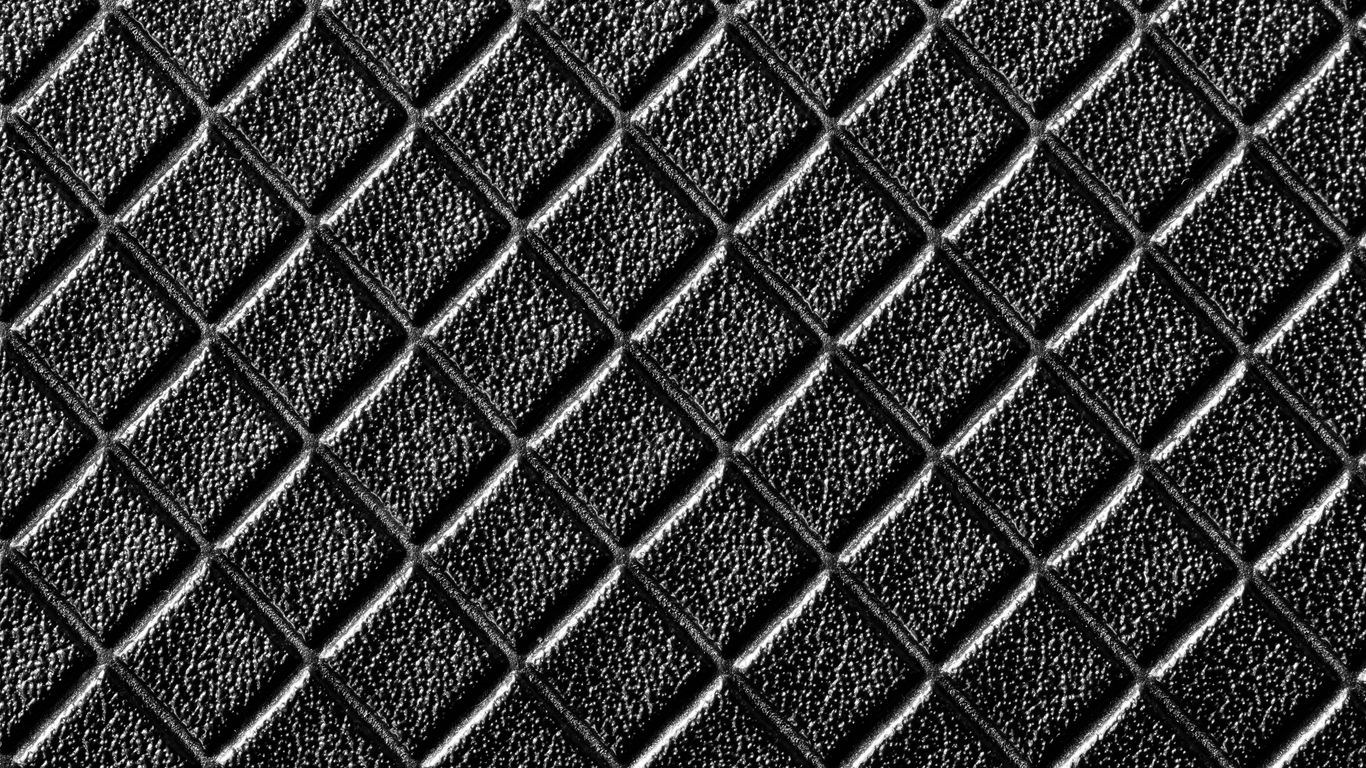
When we talk about safety in potentially wet areas, like bathrooms or commercial kitchens, the surface underfoot really matters. Acrylic materials have become a go-to for many because they can be made with built-in safety features. One of the biggest pluses is their ability to reduce slip hazards. Unlike some slicker materials, acrylic can be manufactured with textures or coatings that give you a better grip, even when wet. This is a big deal for preventing falls, especially for folks who might have trouble with balance or are in environments where spills are common. It’s about making spaces more secure for everyone who uses them.
Key Features of Non-Slip Acrylic
So, what makes acrylic a good choice for non-slip surfaces? For starters, it’s quite versatile. Manufacturers can add special aggregates or create surface patterns that increase friction. This means you get a surface that feels more secure to walk on. It’s not just about being rough, though; it’s about a smart design that works with water, not against it. Think about shower floors or pool decks – areas where water is always present. Acrylic can be treated to handle these conditions well. It’s also generally a non-porous material, which helps prevent mold and mildew buildup, keeping the surface cleaner and, by extension, safer.
Here’s a quick look at some common features:
- Textured Surfaces: Many acrylic products come with a built-in texture designed to provide better traction.
- Aggregate Additives: Small particles can be mixed into the acrylic during manufacturing to create a rougher, more slip-resistant finish.
- Special Coatings: Some acrylic surfaces are treated with specific coatings that improve grip, especially in wet conditions. Anti-slip paint is an example of a similar concept applied to other materials.
Applications in Wet Environments
Acrylic’s ability to provide a secure surface makes it ideal for places where water is a constant factor. Bathrooms are an obvious choice, especially shower stalls and bathtub surrounds. But it doesn’t stop there. Think about pool decks, locker room floors, or even boat decks. These are all areas where a slip can lead to injury. Acrylic’s resistance to moisture also means it holds up well in these damp settings without degrading quickly. It’s a practical material for keeping people safe where it’s most needed. In colder climates, managing slippery surfaces is also a concern, and specialized solutions exist for those situations reducing temperature-related slipping risks.
Enhancing Bathroom Safety with Acrylic
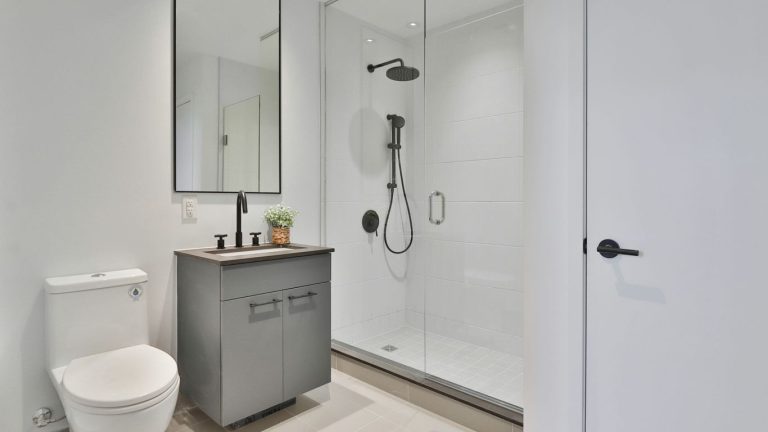
Bathrooms are often high-moisture areas, making them prone to slippery surfaces. This is especially concerning for individuals with mobility challenges or older adults. Acrylic materials offer a practical way to make these spaces safer. The inherent properties of acrylic, combined with specific design features, can significantly reduce the risk of slips and falls.
Reducing Slip Hazards in Showers and Tubs
Traditional shower floors and bathtub surfaces can become incredibly slick when wet. Acrylic shower bases and tubs can be manufactured with built-in textures or patterns that provide a better grip. These molded-in traction features are more durable than adhesive strips and are easier to clean. Unlike grout lines in tiled showers, which can also become slippery and pose a tripping hazard, acrylic surfaces are typically smooth and continuous. This lack of grout means fewer places for water to pool and less chance of losing footing. For a more secure showering experience, consider looking into slip-resistant shower bases.
Creating Accessible Bathing Areas
Acrylic is a versatile material that can be shaped to accommodate various accessibility needs. It can be used to create custom shower pans that allow for roll-in access, making it easier for individuals using wheelchairs or walkers to enter and exit the shower safely. The smooth, non-porous surface of acrylic also makes it easier for wheelchairs to maneuver within the bathroom space. Furthermore, acrylic can be integrated with features like built-in shower seats or supports for grab bars, contributing to a more independent and secure bathing routine.
Seamless Surfaces for Easy Maintenance
One of the significant advantages of acrylic in bathrooms is its non-porous nature. This means that dirt, soap scum, and mildew have a harder time adhering to the surface. Cleaning typically involves a simple wipe-down with mild soap and water. This contrasts sharply with tiled surfaces, where grout lines can trap dirt and become breeding grounds for mold and bacteria, requiring more intensive cleaning. The smooth, continuous surfaces of acrylic, such as textured acrylic shower bases, simplify upkeep and contribute to a more hygienic environment.
Maintaining a clean and safe bathroom is important for everyone, but it becomes even more critical when considering the needs of individuals with limited mobility. Acrylic’s ease of cleaning and inherent safety features make it a strong contender for accessible bathroom renovations.
Here’s a quick look at why acrylic stands out for bathroom safety:
- Improved Traction: Textured surfaces minimize slip risks.
- Easy Cleaning: Non-porous material resists mold and mildew.
- Customizable: Can be shaped for specific accessibility needs.
- Durable: Resists chips and cracks with regular use.
Durability and Maintenance of Acrylic
When you’re looking at materials for areas that get a lot of moisture, like bathrooms or kitchens, how long something lasts and how easy it is to keep clean really matters. Acrylic stands out here because it’s built to handle these kinds of conditions without a fuss. It’s a material that doesn’t demand a lot of your time or money to keep looking good.
Long-Lasting Performance in High-Moisture Areas
Acrylic is naturally resistant to water, which is a big deal in places prone to dampness. Unlike some materials that can warp, rot, or get damaged by constant moisture, acrylic holds up well. This means surfaces like shower walls or tub surrounds made from acrylic are less likely to develop problems over time. They don’t absorb water, so you don’t have to worry as much about mold or mildew taking hold, which is a common issue with other materials that have grout lines.
Simple Cleaning for Hygienic Surfaces
Keeping things clean is usually pretty straightforward with acrylic. Because the surface is smooth and non-porous, dirt and grime don’t have many places to stick. A simple wipe-down with mild soap and water is often all that’s needed to keep surfaces looking fresh. This is a big plus compared to materials like tile, where grout lines can trap dirt and be a pain to scrub.
Here’s a quick look at what makes cleaning acrylic easy:
- Daily Wipes: A soft cloth with some soapy water works for everyday messes.
- Stubborn Spots: For tougher marks, a non-abrasive cleaner can usually do the trick.
- Avoid Harsh Chemicals: Steer clear of abrasive cleaners or scouring pads, as these can scratch the surface.
Maintaining acrylic surfaces is generally uncomplicated, focusing on regular, gentle cleaning to preserve their appearance and integrity over the years.
Resistance to Wear and Tear
Acrylic is also quite tough. It can handle the bumps and scrapes of daily life better than you might expect. While it’s not indestructible, it’s designed to resist chipping and cracking, especially in comparison to materials like ceramic or glass. This resilience means that acrylic surfaces can maintain their appearance and functionality for a long time, even in busy households. For areas where slip resistance is a focus, like shower floors, textured acrylic options provide added security without sacrificing too much on durability. If you’re looking for a material that offers a good balance of toughness and ease of care, acrylic is definitely worth considering for various applications.
Compared to some other options, acrylic offers a good lifespan. For instance, while acrylic floor sealers might need refreshing every few years, solid acrylic panels used in showers or walls are known for their long-term performance.
Design Versatility of Acrylic Materials
Customization for Various Layouts
Acrylic materials really shine when it comes to fitting into just about any space. They can be cut and shaped pretty easily, which is a big deal if you have a bathroom that’s not a standard size or shape. This flexibility means you can work around things like existing plumbing or awkward corners without a lot of fuss. It’s especially helpful for accessible bathrooms where you might need to make room for grab bars or a wider doorway. You can get a really custom fit that looks like it was made for your specific needs.
Modern Aesthetics and Finishes
When it comes to looks, acrylic isn’t a one-trick pony. You can find it in a bunch of different colors, textures, and finishes. This means you can go for a super modern, sleek look, or something that feels a bit more traditional. It’s a material that can adapt to your personal style, helping to create a bathroom that’s not just safe but also looks good. A clean, inviting space is always a plus, and acrylic can help achieve that.
Integration with Accessibility Features
Acrylic works well with other accessibility additions. For instance, you can easily install handrails or shower seats alongside acrylic surfaces. The smooth nature of acrylic also makes it easier for wheelchairs to move around, reducing potential snags compared to materials with rough textures or grout lines. This makes the whole bathroom more functional for everyone. Acrylic non-slip coatings offer a versatile and easy-to-apply solution for enhancing safety on various surfaces.
Here’s a quick look at how acrylic compares in terms of design flexibility:
| Feature | Acrylic |
|---|---|
| Shapeability | High; easily cut and molded |
| Color Options | Wide range available |
| Texture Finishes | Various options, including non-slip |
| Integration | Works well with grab bars, seats, etc. |
The ability to customize acrylic means you can create a space that truly meets individual needs without sacrificing style. It’s about making practical choices that also feel good to live with.
Acrylic vs. Other Flooring Options
Comparing Slip Resistance
When it comes to safety, especially in areas prone to moisture, slip resistance is a big deal. Acrylic surfaces can be manufactured with specific textures to provide a better grip underfoot. This is a significant advantage over some other materials that might become quite slick when wet. While many materials can be made slip-resistant, acrylic offers this feature as a standard consideration in its design for safety-focused applications.
Cost-Effectiveness and Value
Acrylic often presents a more budget-friendly path compared to materials like natural stone or high-end tile. It provides a good balance of durability and aesthetic appeal without the premium price tag. This makes it a practical choice for renovations where budget is a consideration, offering good value for the functionality it provides. For those looking for budget-friendly alternatives, materials like vinyl flooring can also be considered, though they may have different performance characteristics.
Ease of Installation and Weight
Acrylic is notably lighter than many traditional building materials such as ceramic tile or stone. This lighter weight translates to easier handling and installation, which can reduce labor time and costs. For larger projects or renovations where minimizing disruption is key, this can be a considerable benefit. Some materials, like epoxy flooring, are also known for their durability in high-traffic areas, but acrylic’s lighter weight can simplify the installation process.
Choosing the right material involves weighing several factors. While acrylic shines in areas like slip resistance and ease of installation, other materials might offer different strengths. It’s about finding the best fit for your specific needs and priorities.
Here’s a quick look at how acrylic stacks up:
- Slip Resistance: Can be textured for improved grip.
- Cost: Generally more affordable than stone or high-end tile.
- Weight: Lighter, simplifying installation.
- Maintenance: Non-porous surface is easy to clean.
- Durability: Resists chips and cracks well.
Commercial Applications for Non-Slip Acrylic
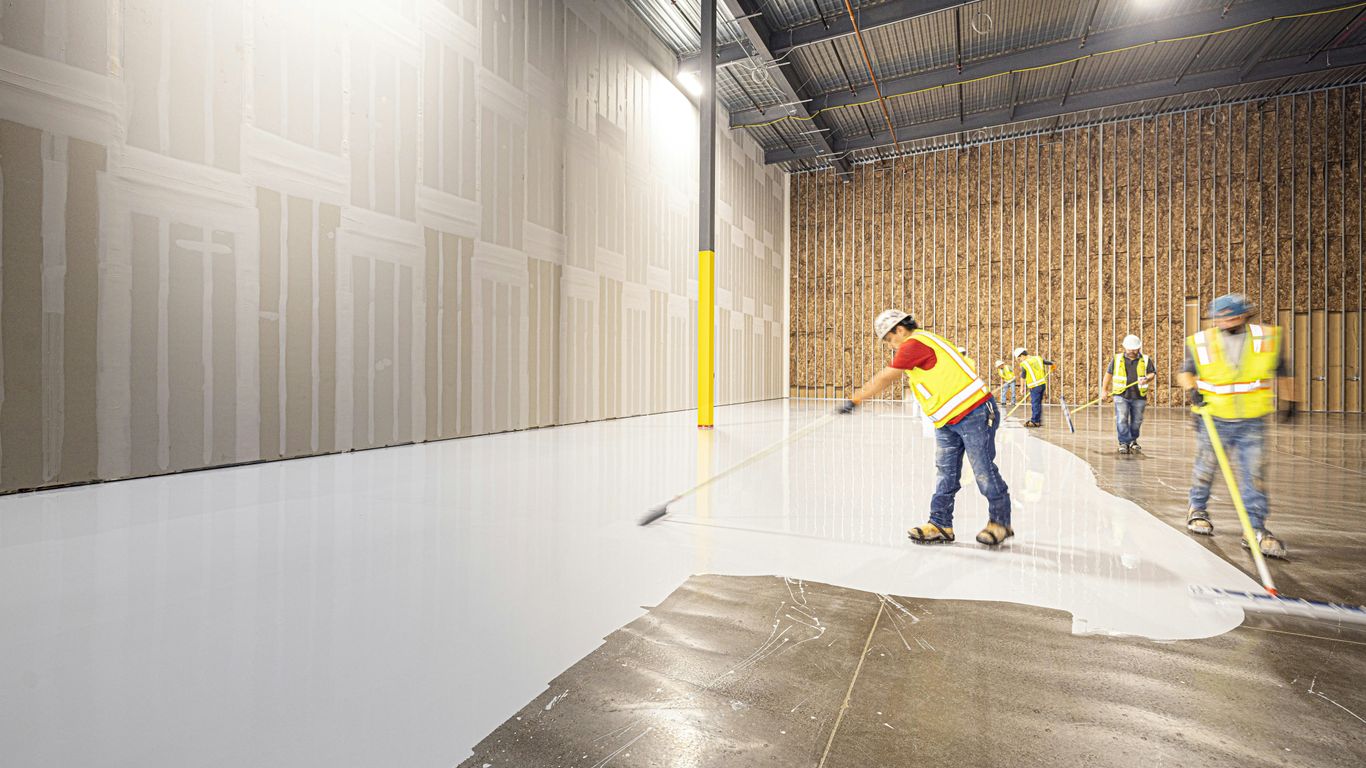
When it comes to public and commercial spaces, safety is always a big deal. Slips and falls can lead to injuries, downtime, and even legal issues, so businesses are always looking for ways to make their floors safer. This is where non-slip acrylic really shines. It’s not just for homes; it’s a practical choice for places with a lot of people walking around.
High-Traffic Area Safety Solutions
Think about places like shopping malls, airports, or busy office buildings. These areas see constant foot traffic, and the floors can get wet or dirty easily. Non-slip acrylic surfaces provide a reliable grip, reducing the chance of someone taking a tumble. They can be applied over existing floors or used as a new flooring material. The textured surface helps maintain traction, even when things get a bit slick. This makes it a smart pick for entrances, hallways, and any area where people are moving around a lot. It’s also a good option for areas around swimming pools or in food service establishments where spills are common.
Meeting Regulatory Safety Standards
Many industries have rules about floor safety, and for good reason. Non-slip flooring helps businesses meet these requirements. By using materials that are designed to prevent slips, companies can avoid fines and show they are serious about keeping everyone safe. This is especially important in places like hospitals or schools, where the risk of injury can be higher.
Using materials that are specifically designed for safety compliance can save businesses a lot of headaches down the road. It’s about being proactive rather than reactive when it comes to accidents.
Specific Product Formulations
Not all non-slip acrylics are the same. Manufacturers offer different types designed for specific needs. For example:
- Pedestrian-grade coatings: These are good for general use in places like retail stores or lobbies. Some are even designed to be barefoot-friendly, which is great for places like gyms or locker rooms.
- Heavy-duty coatings: For areas with lots of activity, like industrial settings or marine environments, tougher formulations are available. These can handle vehicles and heavy foot traffic while still providing grip.
- Easy-to-clean options: Some acrylic coatings have a fine texture that makes them simple to wipe down, which is a big plus for maintaining hygiene in places like healthcare facilities or commercial kitchens. You can explore different non-slip vinyl flooring options that offer similar benefits.
These different formulations mean that businesses can find the right non-slip acrylic solution for their specific environment, balancing safety with other needs like durability and ease of maintenance. It’s a versatile material that can be adapted to many commercial settings, including providing protective barriers in shared workspaces acrylic shields can offer.
Discover how non-slip acrylic is making spaces safer and more stylish in commercial settings. From busy shops to public buildings, this material offers a smart solution for preventing slips and falls. Want to learn more about its uses and benefits? Visit our website today to explore the possibilities!
Wrapping Up Your Non-Slip Acrylic Choices
So, when you’re thinking about making spaces safer, especially areas that get wet, acrylic really stands out. It’s not just about preventing slips, though that’s a big part of it. Acrylic offers a good mix of being tough, easy to keep clean, and it can look pretty nice too. Whether you’re updating a bathroom, a shower area, or even a commercial space, looking into acrylic options with non-slip features makes a lot of sense. It’s a practical way to add a layer of safety without making things complicated or breaking the bank. It’s definitely worth considering for a more secure environment.
Frequently Asked Questions
What makes acrylic surfaces good for safety?
Acrylic can be made with special textures or coatings that give you a better grip, especially when wet. This helps stop slips and falls in places like showers and bathrooms.
Is acrylic easy to clean?
Yes, acrylic is super easy to clean! It has a smooth, non-porous surface, so dirt, soap scum, and mold have a hard time sticking. A quick wipe with soap and water usually does the trick.
Can acrylic be used in wet areas like bathrooms?
Absolutely! Acrylic is great for bathrooms because it’s very water-resistant. It won’t get damaged easily by moisture, making it a durable choice for showers, tubs, and walls.
How does acrylic compare to other materials for flooring?
Compared to tiles, acrylic is often easier to install and can be more affordable. It offers good slip resistance when textured and is less likely to crack than some other materials. It’s also lighter than materials like stone.
Is acrylic a good choice for people with mobility issues?
Definitely. Acrylic surfaces can be designed to be slip-resistant, which is safer for everyone, especially those who might have trouble walking. Plus, its smooth surface can make it easier for wheelchairs to move around.
How long does acrylic flooring usually last?
Acrylic is known for being tough and long-lasting. It holds up well against daily use, moisture, and wear and tear, especially in high-traffic areas. With simple care, it can keep looking good for many years.