Here are the main points to remember when looking for acrylic display cases in Malaysia:
Key Takeaways
- Acrylic is often better than glass in Malaysia due to humidity and safety.
- Retail options include online stores and local fixture suppliers for quick purchases.
- Custom cases offer exact sizing and unique designs for specific items.
- Consider acrylic thickness (3mm, 5mm, 8mm) based on case size and item weight.
- Factory-direct custom manufacturers can offer better prices and direct communication.
Understanding Acrylic Display Cases in Malaysia
Acrylic vs. Glass: The Malaysian Context
When you’re looking for display cases here in Malaysia, you’ll often see both acrylic and glass options. While glass has its place, acrylic really shines for most situations in our climate. Think about it: our weather is pretty humid, and glass can sometimes get foggy or even develop mold over time. Acrylic, on the other hand, handles humidity much better. Plus, acrylic is significantly lighter than glass, making it easier to move around, whether you’re setting up a shop display or just rearranging your collection at home. It’s also about 17 times stronger, which is a big deal if you’re worried about accidental bumps or have kids around. While glass might feel a bit more premium, acrylic offers a clear view without the slight green tint you sometimes see on glass edges. For custom sizes, acrylic is also usually the more budget-friendly choice.
Key Benefits of Acrylic for Local Conditions
Acrylic display cases are a solid choice for Malaysia, and here’s why they work so well locally:
- Humidity Resistance: Unlike glass, acrylic doesn’t fog up or encourage mold growth in our tropical climate. This keeps your items looking clear and protected.
- Durability and Safety: Acrylic is much tougher than glass. It’s 17 times more impact-resistant and won’t shatter into dangerous shards if dropped. This makes it a safer option for busy retail environments or homes with children and pets.
- Lightweight: Acrylic is about half the weight of glass. This makes cases easier to transport, set up, and move around, which is a practical advantage for businesses and collectors alike.
- Cost-Effectiveness: For custom-sized cases, acrylic is often 30-50% cheaper than glass. This means you can get exactly the size and shape you need without breaking the bank.
- Clarity: Good quality acrylic offers excellent light transmission, providing a clear, unobstructed view of whatever you’re displaying. You can get a really sharp view of your items, almost like looking through a window.
Common Applications for Acrylic Displays
Acrylic display cases are incredibly versatile and pop up in all sorts of places. For collectors, they’re perfect for keeping dust off prized possessions like figurines, diecast cars, or trading cards. You can find them in various sizes, from small boxes for individual items to larger ones for multiple collectibles. In the retail world, they’re everywhere. Jewellery stores use them to showcase rings, necklaces, and watches safely. Cosmetic counters benefit from their clarity, making products like perfumes and makeup highly visible. Even bakeries sometimes use food-safe acrylic for displaying pastries. For businesses heading to trade shows or exhibitions, stackable acrylic cases are a popular choice because they can be shipped flat and assembled easily, making them convenient for events at places like KLCC or MITEC. They are a great way to present products professionally.
When you’re choosing an acrylic display case, think about what you’re putting inside and where it will go. A simple open-bottom case might be fine for a trophy on a shelf, but if you need to keep dust out, a fully enclosed, dustproof case is a much better bet. The right case not only protects your items but also makes them look their best.
Exploring Retail Options for Acrylic Displays
When you need acrylic display cases, you’ve got a couple of main routes to go down: buying off-the-shelf from retailers or getting something custom-made. For many people, especially those just starting out or needing standard sizes, retail options are the first place they look. It’s usually quicker and can be more budget-friendly for common items.
Online Retailers and E-commerce Platforms
This is probably the most common way people buy acrylic displays these days. Websites like Lazada, Shopee, and even specialized online stores dedicated to retail fixtures are packed with options. You can find everything from small, individual boxes for collectibles to larger, multi-tiered stands for retail shelves. The big advantage here is the sheer variety. You can compare prices, read reviews, and often find exactly what you need without leaving your home. Plus, delivery is usually pretty fast, especially if you’re in a major city. It’s a convenient way to get standard display solutions quickly. For example, if you’re looking for cases for things like trading cards or small figurines, you’ll find tons of choices. You can even find specific types like acrylic display cases for collectibles.
Local Store Fixture Suppliers
Beyond the big online marketplaces, Malaysia has local businesses that specialize in store fixtures and display solutions. These might be physical shops or local online operations. Visiting a local supplier can be beneficial because you can often see the quality of the acrylic firsthand. You might also get more personalized advice from the staff. Sometimes, these suppliers carry a good range of standard sizes that might not be as easily found online, or they might have faster local delivery for certain items. It’s worth checking out what’s available in your area if you prefer a more hands-on approach to shopping.
Advantages of In-Person Shopping for Displays
There’s something to be said for seeing a display case in person before you buy it. You can check the clarity of the acrylic, feel the sturdiness of the construction, and make sure the size is truly what you need. This is especially helpful if you’re buying for a retail environment where presentation is key. You can also ask questions directly to a salesperson who might have a better grasp of different types of displays and their uses. For instance, if you’re setting up a new shop, seeing different types of retail display racks in person can help you visualize your space better. It helps avoid surprises when the item arrives at your doorstep.
When considering retail options, always check the return policy. Sometimes, what looks perfect online might not be the right fit once it’s in your hands, and knowing you can send it back easily is a big plus.
The Advantages of Custom-Made Acrylic Displays
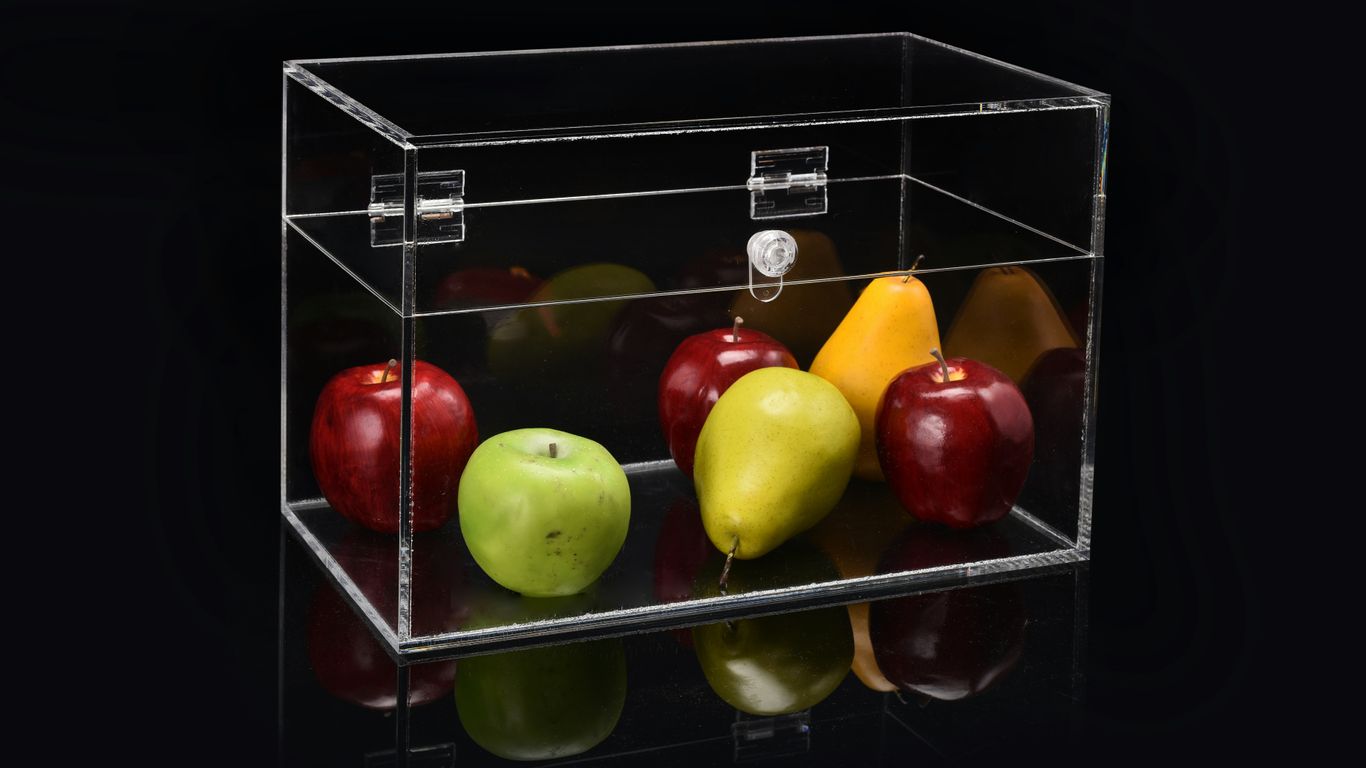
While off-the-shelf acrylic display cases are readily available, opting for a custom-made solution can really make a difference, especially when you have specific needs or unique items to showcase. It’s not just about getting a box; it’s about getting the perfect box.
Achieving Perfect Fit for Unique Items
Sometimes, standard sizes just don’t cut it. Maybe you have an oddly shaped collectible, a piece of equipment that needs a very specific enclosure, or a product that requires a particular presentation style. This is where customisation shines. You can get a case designed precisely for your item, ensuring it’s not only protected but also displayed in the best possible light. This attention to detail can make a big impact on how your item is perceived. For instance, a perfectly fitted case for a delicate piece of art prevents shifting and damage, something a generic case might not achieve.
Tailoring Dimensions and Shapes
Getting the exact dimensions is a huge part of customisation. You’re not limited to the common rectangular prism. Need a hexagonal case for a special award? Or perhaps a tiered display for a collection of small figurines? Manufacturers can work with you to create virtually any shape and size. This flexibility means you can maximise space, improve aesthetics, and create a display that truly stands out. It’s about making the display work for you, not the other way around. Remember to add a little extra space, usually 1-2cm on each side, so your item isn’t crammed in. This comprehensive guide has more on sizing considerations.
Customization Beyond Size: Colors and Finishes
Customisation doesn’t stop at the dimensions. You can often choose from a variety of colours and finishes to match your brand or decor. Want a frosted look to add a touch of mystery? Or perhaps a vibrant colour to make your display pop? Some manufacturers even offer printing services to add logos or branding directly onto the case. This level of personalisation helps create a cohesive look and reinforces your brand identity. You can select from clear, frosted, opaque, or even mirror finishes to achieve the desired effect.
When you go custom, you’re not just buying a display; you’re investing in a tailored solution that perfectly complements your item and your space. It’s about precision, aesthetics, and functionality all rolled into one.
Here’s a quick look at what you gain:
- Exact Fit: No wasted space, no awkward gaps. Your item is snug and secure.
- Unique Aesthetics: Stand out from the crowd with a design that’s yours alone.
- Functional Design: Incorporate specific features like hinged doors, special compartments, or mounting options.
- Branding Opportunities: Add logos or custom text for a professional touch.
Choosing a custom acrylic display case means you get exactly what you need, without compromise. It’s a smart move for businesses looking to present products professionally or individuals wanting to showcase cherished items with care. For those in Malaysia, understanding how acrylic holds up in our climate is also key; cast acrylic is often recommended for its durability.
Where to Find Custom Acrylic Display Manufacturers
Direct from Manufacturers: Factory-Direct Benefits
When you’re looking for custom acrylic display cases, going straight to the manufacturer often makes the most sense. This means you’re cutting out any middlemen, which can sometimes lead to better pricing and a more direct line of communication. You’re talking directly to the people who will actually be making your display, so they can understand your needs precisely. This is especially helpful if you have a really specific idea in mind or a unique item that needs a special kind of case. Many manufacturers specialize in creating tailored solutions, meaning they don’t just have standard sizes but can build something from the ground up just for you. This approach is great for businesses needing a specific look for their retail space or for collectors with one-of-a-kind items.
Understanding the Custom Order Process
Ordering a custom acrylic display case usually follows a pretty clear path. First, you’ll need to figure out the exact measurements of what you want to display. It’s a good idea to add a little extra space around your item for clearance, maybe an inch or two on each side. Then, you’ll reach out to the manufacturer with these dimensions, often along with a photo of the item. They’ll then work up a quote for you, which usually depends on the size, the thickness of the acrylic, and how many you need. Once you agree on the price and details, you’ll make a payment, and they’ll start production. It’s a pretty straightforward process, but being clear with your specifications is key.
Here’s a general breakdown:
- Measure your item: Get precise width, depth, and height. Add a little extra room.
- Contact the manufacturer: Share your dimensions and any specific requests.
- Receive a quote: This will detail the cost based on your specifications.
- Confirm and pay: Once you’re happy, proceed with payment to start production.
Turnaround Times for Bespoke Cases
The time it takes to get a custom acrylic display case can vary. For standard, ready-made cases, you might get them in just a day or two. However, when you’re getting something made specifically for you, it naturally takes a bit longer. Most manufacturers will give you an estimate when you place your order, but generally, you can expect it to take anywhere from 3 to 7 working days for custom sizes. This timeframe accounts for the design, cutting, assembly, and finishing of your unique case. If you need something urgently, it’s always best to discuss this upfront with the manufacturer to see if they can accommodate a faster turnaround, though this might sometimes come with an extra charge. For businesses looking for high-quality, imported acrylic display cases, understanding these timelines is important for planning inventory or event setups.
Acrylic Display Cases for Business and Retail
Acrylic display cases are more than just pretty containers; they’re practical tools for businesses and retailers. They help make products look good and keep them safe. Think about a busy shop – things get bumped, dust settles, and you need displays that can handle it. Acrylic is a solid choice here, especially in Malaysia’s climate.
Enhancing Retail Product Presentation
Making your products stand out on the shelf is key. Acrylic cases offer a clear view, letting customers see exactly what they’re buying without you having to worry about them touching everything. This is especially true for smaller items that can easily get lost or damaged.
- Clear Visibility: Crystal-clear acrylic means customers can see product details easily.
- Protection: Keeps items safe from dust, fingerprints, and accidental damage.
- Versatility: Works for a wide range of products, from small accessories to larger items.
Ideal for Jewellery and Cosmetics Counters
Jewellery shops and cosmetics counters often deal with small, valuable items. Acrylic cases are a great fit because they’re lighter and much less likely to shatter than glass if dropped, which is a big plus in high-traffic areas. They also keep products looking pristine.
For jewellery, the safety aspect of acrylic is a major advantage. A dropped glass case can be a disaster, but acrylic is far more forgiving. It also doesn’t have the slight green tint that glass can sometimes have, so the true colours of gemstones and metals are displayed accurately.
Exhibition and Trade Show Solutions
When you’re at a trade show or exhibition, you want your display to be eye-catching and easy to transport. Many acrylic cases can be designed to ship flat and be assembled on-site, making logistics much simpler. This means less hassle getting your products showcased effectively, whether you’re at the KLCC Convention Centre or another venue. They help create a professional look that draws people in.
Choosing the Right Acrylic Thickness and Type
When you’re looking for an acrylic display case, it’s not just about the size. The thickness and type of acrylic used play a big role in how well it protects your items and how long it lasts. Think of it like building a house; you need the right materials for the job.
Standard vs. Dustproof Enclosures
One of the first decisions is whether you need a standard case or a dustproof one. Standard cases, often with an open bottom, are great for quick displays or items that don’t need much protection. You just place them over your item. However, if you’re displaying something valuable or delicate, like collectibles or jewellery, a dustproof enclosure is a much better choice. These are fully enclosed, often with a solid base and sometimes even a hinged door, to keep out dust, moisture, and curious fingers. For items that need serious protection from the elements, especially in a humid climate like Malaysia, a fully sealed case is the way to go. It’s about creating a stable environment for whatever you’re showcasing.
Stackable Options for Growing Collections
If you’re a collector, you know that space can become an issue pretty quickly. Many manufacturers offer stackable acrylic display cases. These are designed with interlocking features or flat tops and bottoms so you can safely pile them up. This is a fantastic way to maximize vertical space on shelves or in cabinets. It keeps your collection organized and tidy, and it makes it easy to add more as your collection grows. It’s a smart solution for anyone who doesn’t have a lot of floor space but has a lot of items to display. You can find these ready-made, or they can be a custom feature.
Selecting Thickness Based on Case Size
The thickness of the acrylic is really important for structural integrity. A small, lightweight item might be fine in a thin acrylic case, but a larger, heavier item needs thicker acrylic to prevent bowing or cracking. Generally, the bigger the case, the thicker the acrylic should be. For smaller display boxes, something around 3mm might suffice. But for larger display cases, especially those that might be moved or need to support weight, you’ll want to look at 5mm or even thicker. Thicker acrylic provides better rigidity and impact resistance. It’s worth checking with the manufacturer about recommended thicknesses for the size of case you need. For instance, a large display case for a model ship might need a much more robust acrylic than a small cube for a figurine. You can find sheets of acrylic in various thicknesses, like 3/8 inch clear cast acrylic, which gives you an idea of the range available.
When choosing acrylic thickness, consider not just the size of the item but also how the case will be used. Will it be moved frequently? Does it need to withstand pressure? Opting for a slightly thicker material upfront can save you from potential damage and replacement costs down the line, especially for larger or heavier items.
Ordering Custom Acrylic Display Cases: A Step-by-Step Guide
Getting a custom acrylic display case made might seem a bit daunting at first, but it’s actually a pretty straightforward process if you break it down. It’s all about knowing what you need and communicating that clearly to the maker. This way, you end up with exactly what you envisioned, fitting your items perfectly.
Measuring Your Items Accurately
This is probably the most important step. You need to know the exact dimensions of whatever you plan to display. Grab a tape measure and get the width, depth, and height of your item. Don’t just measure the item itself; think about a little breathing room. Adding an extra centimeter or two on each side (width, depth, and height) gives you a bit of clearance. This prevents the item from being too snug and makes it easier to place and remove. For things like collectibles or models, this extra space is key. If you’re unsure about how much space to add, it’s always better to ask the manufacturer for their recommendation. They deal with this all the time and can guide you.
Communicating Specifications to Manufacturers
Once you have your measurements, you need to tell the manufacturer what you want. This usually involves sending them:
- Your item’s dimensions: Width, depth, and height, including the clearance you’ve decided on.
- A photo of the item: This helps them understand the shape and any tricky bits.
- Desired case type: Do you need a simple open-bottom case, or a fully enclosed, dustproof one? Maybe something with a hinged door?
- Any special features: Think about things like specific opening mechanisms, ventilation, or if you need it to be wall-mounted.
Many manufacturers have a preferred way to receive this information, often through a contact form on their website or a direct WhatsApp message. Being clear and providing all the details upfront saves a lot of back-and-forth later. For example, if you’re looking for a case for a specific collectible, mentioning that can help them suggest the best type of acrylic display case.
Receiving Quotes and Payment Options
After you send over your specifications, the manufacturer will typically get back to you with a quote. This quote should break down the cost based on the size, the thickness of the acrylic, and the quantity you’re ordering. It’s a good idea to compare quotes if you’re getting them from a few different places, but remember to look at more than just the price. Consider the quality of the acrylic they use and their turnaround time.
Payment methods can vary. Common options include bank transfers or online payment gateways. Some places might require a deposit to start production, with the balance due before shipping. Always clarify the payment terms and what the estimated turnaround time is for your custom order. This helps manage expectations and plan accordingly.
Getting a custom display case means you’re investing in a piece that’s made just for your item. It’s not just about protection; it’s about presentation. Taking the time to measure correctly and communicate your needs clearly is the best way to ensure you get a product that you’ll be happy with for a long time.
Bulk Orders and Business Solutions
When you need a lot of display cases, whether for a new store opening, a chain of outlets, or a big event, thinking about bulk orders makes a lot of sense. It’s not just about getting more cases; it’s about how you can get better value and make your brand look good.
Volume Discounts for Retailers
Buying in larger quantities usually means you can get a better price per unit. Manufacturers often have tiered pricing, so the more you buy, the less each individual case costs. This can really add up when you’re outfitting multiple locations or stocking up for a busy season. It’s a smart way to manage your budget without sacrificing quality. For example, a small order might have a higher per-unit cost, but ordering 50 or 100 cases could significantly reduce that price. This is a key factor for retail stores looking to scale their operations.
Branding Opportunities on Display Cases
This is where custom acrylic displays really shine for businesses. You can often have your logo, brand colors, or specific graphics printed directly onto the cases. This turns a simple display into a branded piece that reinforces your identity. Imagine your logo subtly etched onto the side of a clear acrylic case, or a vibrant brand color used for the base. It’s a professional touch that makes your products stand out and connects them to your brand in the customer’s mind. Some manufacturers even offer different finishes or colors to match your brand aesthetic perfectly.
Logistics for Large Orders and Events
Handling a large order requires careful planning, especially if you need the cases delivered to multiple locations or directly to an event venue. Good suppliers will have systems in place to manage this. They can often arrange shipping, sometimes even including duties and taxes, so you don’t have to deal with the hassle. This door-to-door service is a big plus when you’re busy setting up for a trade show or rolling out new displays across several stores. It means less stress for you and a smoother process from order to setup.
Planning for large orders involves more than just the price. Consider the supplier’s ability to handle production timelines, packaging for safe transit, and coordinated delivery schedules. A reliable partner will make this complex process feel much simpler.
Here’s a quick look at what to consider:
- Production Capacity: Can the manufacturer handle your order volume within your timeframe?
- Packaging: How will the cases be packed to prevent damage during shipping?
- Shipping & Delivery: What are the shipping options, costs, and delivery timelines?
- Customization: What branding options are available, and what are the associated costs?
When you’re looking at significant quantities, it’s always best to talk directly with the manufacturer about your specific needs. They can often provide the most accurate quotes and outline the best solutions for your business requirements, potentially saving you money and a lot of headaches. This is especially true when you’re looking for custom display solutions that go beyond standard offerings.
Maintaining Your Acrylic Display Cases
Keeping your acrylic display cases looking good is pretty straightforward, but you do need to be a bit careful. Acrylic scratches more easily than glass, so treating it right from the start makes a big difference. The key is gentle cleaning and avoiding harsh chemicals.
Proper Cleaning Techniques
When it’s time to clean, grab a soft microfiber cloth. Seriously, skip the paper towels and tissues – they just create tiny scratches that build up over time. For general dusting, a dry cloth works fine. If you need to tackle fingerprints or smudges, a mild solution of dish soap and lukewarm water is your best bet. Just apply it with a clean sponge or another soft cloth. Remember to rinse the surface before wiping if there’s any dust, so you don’t grind particles into the acrylic. For a more specific cleaner, you can find products made just for acrylic, which are usually a safe bet. Specialized acrylic cleaners are designed to work without damaging the material.
Avoiding Damage and Scratches
This is where being gentle really pays off. Don’t use window cleaners that contain ammonia or alcohol, as these can cloud the acrylic. Also, avoid abrasive pads or scrub brushes. Think of it like washing a car – you want soft materials and gentle motions. If you happen to get a minor scratch, sometimes you can buff it out using a special acrylic polish or even toothpaste, working in a circular motion. It’s not a miracle cure, but it can help with those small imperfections.
Protecting Against Environmental Factors
Acrylic can change over time if it’s exposed to too much sun. Prolonged exposure to direct sunlight can cause some types of acrylic to yellow, especially if it’s not a higher-grade material. If your display case is going to be in a sunny spot, consider positioning it so it doesn’t get direct rays for hours on end, or look for acrylic that has UV resistance built-in. This helps keep your display case clear and looking new for longer. For items that need a bit more protection, like collectibles, you might want to look into dustproof enclosures which offer an extra layer of defense.
Cost Considerations for Acrylic Displays
When you’re looking at acrylic display cases, the price tag can really vary. It’s not just a one-size-fits-all situation, and understanding what goes into the cost will help you make a smarter choice. The final price depends on a few key things.
Pricing Factors: Size, Thickness, and Quantity
The most obvious factor is size. A small, simple box will naturally cost less than a large, multi-tiered display. Then there’s the thickness of the acrylic itself. Thicker acrylic is more robust and can support larger structures, but it also costs more per sheet. For businesses needing multiple units, the quantity ordered plays a big role. Most manufacturers offer discounts for bulk orders, which can significantly lower the per-unit cost. For example, ordering 10 or more units might get you tiered pricing, making each case cheaper the more you buy.
Comparing Costs: Retail vs. Custom
Generally, off-the-shelf retail display cases are cheaper upfront. You can find them on e-commerce platforms or from store fixture suppliers. These are great if your items fit standard sizes and you need something quickly. However, custom-made cases, while potentially having a higher initial cost, can offer better long-term value. You get a perfect fit for your items, which can improve presentation and security. Plus, custom options often mean better quality materials and construction, especially when dealing directly with manufacturers. For a detailed breakdown of retail display case costs, you might want to check out retail display case pricing.
Understanding Value Beyond Initial Price
It’s easy to get caught up in the sticker price, but think about the overall value. A custom case that perfectly fits your product might reduce damage during transport or handling, saving you money in the long run. Better presentation can also lead to increased sales. Consider the durability and longevity of the material. While acrylic can scratch, good quality acrylic, properly maintained, lasts a long time. Think about how the display case will serve your needs over the next few years, not just today. It’s about finding a balance between what you spend and what you get in return, whether that’s improved aesthetics, better product protection, or enhanced sales.
When evaluating costs, don’t forget to factor in potential shipping expenses, especially for larger or custom orders. Sometimes, local suppliers might have slightly higher unit prices but can save you on delivery fees compared to ordering from further afield. It’s worth getting quotes from a few different places to compare the total investment.
Thinking about the price of acrylic displays? Several things can affect how much you pay, like the size, how complex the design is, and the type of acrylic used. We can help you figure out the best options for your budget. Visit our website to learn more about how we can create amazing displays for you!
Conclusion
When you need to buy acrylic display cases in Malaysia, you have two main paths: off-the-shelf from retail stores or custom-made by manufacturers. Retail offers quick solutions for common needs, while custom options provide perfect fits and unique designs for specific items or branding. Considering factors like size, thickness, and intended use will help you find the best acrylic display case to showcase your products or collectibles effectively.
Frequently Asked Questions
What’s the difference between acrylic and glass display cases?
Acrylic cases are lighter, stronger, and usually cheaper for custom sizes compared to glass. Glass looks more premium but can break easily and is heavier. For Malaysia’s weather, acrylic is better because it doesn’t fog up like glass can.
Where can I buy ready-made acrylic display cases?
You can find them online on e-commerce sites like Shopee or Lazada. There are also local shops that sell store fixtures and display items. These are good if you need something quickly and your item fits a standard size.
What if my item doesn’t fit a standard display case size?
That’s when you’d look for custom acrylic display cases. Companies can make a case in any size or shape you need. You just give them the measurements of your item, and they build it for you.
How thick should the acrylic be?
It depends on the size of the case. For smaller cases, 3mm thick acrylic is usually fine. For bigger cases or ones holding heavier items, you might need 5mm or even 8mm to stop the sides from bending.
Are custom acrylic cases expensive?
Custom cases cost more than standard ones because they are made just for you. However, buying directly from a manufacturer in Malaysia can be cheaper than buying imported ones, and you get exactly what you want.
How long does it take to get a custom acrylic case?
It varies, but usually, custom cases take about 3 to 7 working days to make after you order. Standard sizes that are in stock can often be shipped within 1 to 2 days.
Can I put my logo on a custom display case?
Yes, many custom manufacturers offer branding options. You can often get your logo added through laser engraving or printing, which is great for businesses.
How do I clean an acrylic display case?
Use a soft microfiber cloth and a special acrylic cleaner or mild soapy water. Avoid paper towels, harsh chemicals like Windex, or alcohol, as these can scratch or damage the acrylic surface.