UV printing on plastic is a versatile method for adding graphics and text. To get the best results, remember these important points:
Key Takeaways
- UV printing uses UV light to instantly dry ink, creating a durable layer on the plastic surface.
- The type of plastic, its surface condition, and how it’s made all affect how well the ink sticks.
- Proper surface cleaning and preparation are vital for good adhesion; don’t skip this step.
- Design your prints to avoid areas that bend, flex, or get a lot of wear and tear.
- Consider UV printing early in the design process to ensure the best placement and compatibility with the part’s shape.
Understanding UV Printing on Plastic
What UV Printing Entails
UV printing on plastic is a digital method where ink is applied directly to the plastic’s surface. What makes it special is how the ink is treated. Instead of just drying, it’s hit with ultraviolet light. This light hardens the ink right away, creating a solid layer that sticks to the plastic as it’s being printed. It’s a pretty neat way to get graphics onto parts.
This process starts with getting the plastic ready. Any oils, dust, or leftover stuff from making the part can mess with how well the ink sticks. So, cleaning is a big first step. After that, the UV ink goes on, carefully controlled, and then the UV lamps do their thing instantly. This is why it works best when you think about the plastic type, how the surface is prepared, and the part’s design all together, not just as an afterthought.
The Instant Curing Process
The core of UV printing is its rapid curing. When the UV ink hits the plastic, it’s immediately exposed to ultraviolet light. This light causes a photochemical reaction, making the ink instantly solidify. This means there’s no waiting for ink to dry, which speeds things up a lot. It also helps the ink bond strongly to the plastic surface. This quick hardening is what allows for high-quality, crisp prints that are ready to go almost as soon as they’re made. It’s a big difference compared to older printing methods that needed time to dry.
Bridging Raw Parts and Finished Products
Often, a plastic part isn’t really finished when it comes out of the mold or off the 3D printer. Whether it’s a medical device needing serial numbers or an electronic case that needs a logo, UV printing acts as the link between a basic part and the final product. It’s the step that adds branding, information, or decoration. This makes the raw plastic piece look and function like a complete item ready for use or sale. The success of this bridge depends heavily on how well the printing process works with the specific plastic material and its surface. For durable prints, it’s important to consider how UV printing works on different materials.
UV printing on plastic is a digital process where ink is printed directly onto the surface of a plastic part and cured instantly using ultraviolet light. Instead of waiting for the ink to dry, the UV light hardens it on contact, forming a solid layer that bonds to the surface as it’s printed.
Here’s a quick look at how it generally works:
- Surface Preparation: Cleaning the plastic to remove dust, oils, or mold release agents.
- Ink Application: Precisely applying UV-curable ink onto the prepared surface.
- UV Curing: Exposing the ink to UV light, causing it to harden and bond instantly.
This method is particularly useful for creating durable prints on various substrates.
The Mechanics of UV Printing
Initial Surface Preparation
Before any ink hits the plastic, the surface needs to be ready. Think of it like prepping a wall before painting; you wouldn’t just slap paint on a dusty, greasy surface and expect it to look good, right? The same applies here. Any oils, dust, or even static cling left over from the manufacturing process can mess with how the ink sticks. So, a good cleaning is the first step. This might involve wiping down the part or using specialized cleaning solutions depending on the plastic type. It’s all about making sure the ink has a clean slate to bond with.
Precise Ink Application
Once the surface is prepped, the magic of UV printing really begins. This isn’t like slinging ink from a screen; it’s a digital process. The printer applies the ink in very fine, controlled droplets, almost like a high-tech inkjet printer but with special UV-curable inks. These inks contain special ingredients that react when exposed to ultraviolet light. The printer head moves precisely over the plastic part, laying down the ink exactly where it needs to go. This allows for really detailed designs and sharp edges, which is pretty neat when you think about it. This method is great for getting intricate logos or text onto various plastic parts.
Immediate Ultraviolet Curing
This is where the "UV" in UV printing comes into play. As soon as the ink is applied, it’s hit with a blast of ultraviolet light. This light causes a chemical reaction in the ink, making it harden, or "cure," almost instantly. It’s not drying in the traditional sense; it’s a photochemical process. This rapid curing is what makes UV printing so effective on plastics because the ink doesn’t have time to soak into the material or spread out. It forms a solid layer right on the surface. This instant solidification is key to achieving vibrant colors and durable prints that resist scratching and fading. The science behind it involves photopolymerization, where UV light triggers the ink to solidify.
Plastic Materials Suitable for UV Printing
When it comes to UV printing on plastic, not all materials are created equal. The type of plastic you’re working with significantly impacts how well the ink will stick and how long the print will last. It’s not just about the ink; it’s about how the ink and the plastic get along.
Rigid Thermoplastics Like ABS and Polycarbonate
These are workhorses in the plastic world, often found in things like electronic enclosures, automotive parts, and durable housings. ABS and polycarbonate offer stable, smooth surfaces that are generally very receptive to UV inks. This means you can expect good adhesion and sharp, clear prints. Because these materials are so consistent, prints tend to be reliable across large production runs, which is a big plus when you need uniformity. You can find more details on materials like these in guides covering over 30 materials suitable for UV printing.
Additively Manufactured Plastics
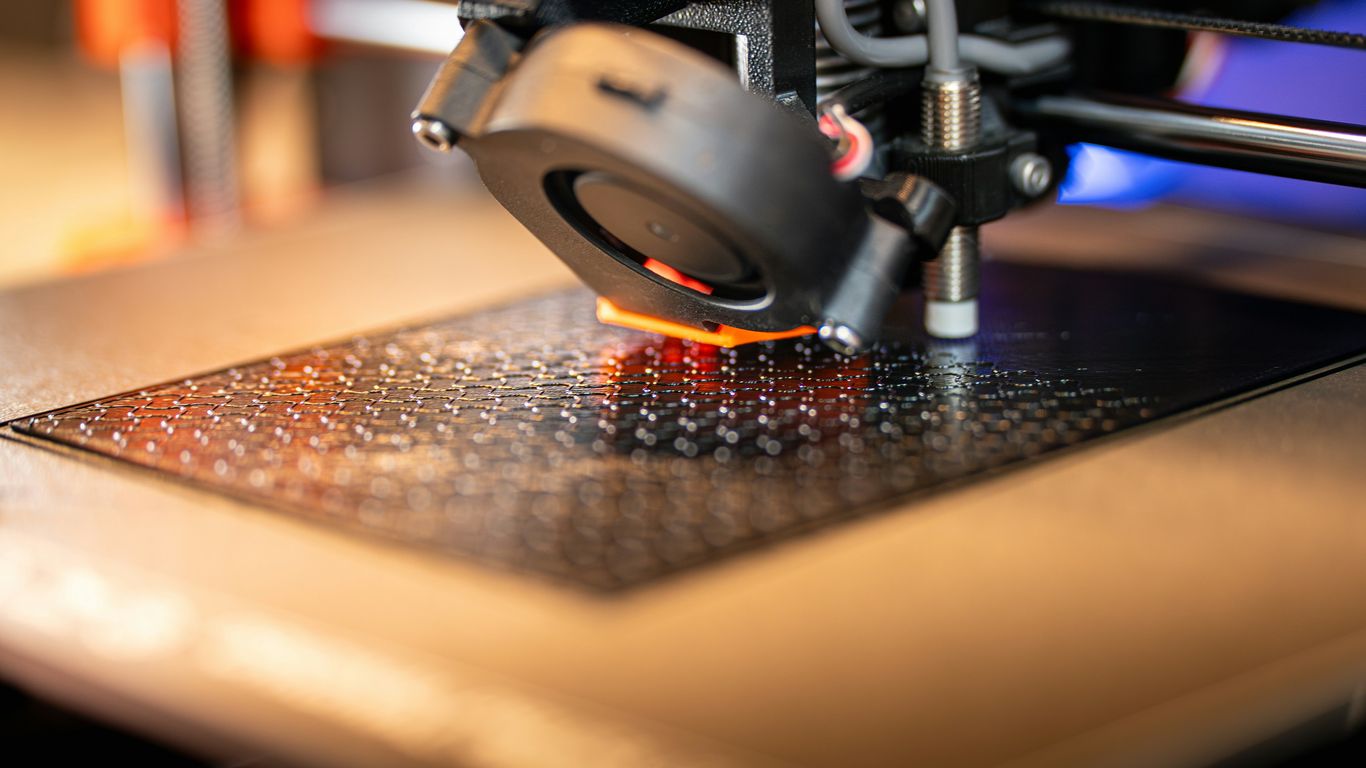
Plastics made using 3D printing, or additive manufacturing, can be a bit trickier. They’re built layer by layer, which can leave a subtle texture or grain on the surface. This texture can affect how the ink lays down. However, for prototyping and early design checks, UV printing works well here. The key is to manage the printing process and any post-processing steps carefully to get the best results. It’s a great way to visualize designs before full production.
High-Detail Resin Plastics
If you need really fine details, like tiny text, logos, or intricate symbols, resin-based plastics are a good choice. These materials often have a smoother surface finish and can hold sharper edges compared to some other plastics. This makes them ideal for UV printing where precision is important. The ink can capture those fine lines without blurring, leading to a very professional look.
Injection Molded Plastics
These are plastics formed by injecting molten material into a mold. They are known for their consistency. When you need a print to look exactly the same on hundreds or thousands of parts, injection molded plastics are often the way to go. The uniform surface quality means the UV printing process can be dialed in for predictable and repeatable results, batch after batch. This is why UV printing is often aligned with manufacturing methods like injection molding to ensure print performance matches the part’s production stage.
Achieving Optimal Adhesion on Plastics
Getting UV ink to stick well to plastic is a big deal. It’s not just about making the print look good right away; it’s about making sure it lasts. When we talk about optimal adhesion, we mean the ink and the plastic surface really bonding together, creating a strong, lasting connection. Think of it like trying to glue two things together – if the surfaces aren’t prepped right, the glue won’t hold. The same idea applies here, but instead of glue, it’s UV ink, and instead of just any surface, it’s plastic, which can be tricky.
Defining Optimal Adhesion
So, what exactly is this ‘optimal adhesion’? It’s when the ink and the plastic surface become one, forming a bond that’s tough to break. This bond strength is what we measure to know if the print is going to hold up. It’s the difference between a print that looks great for a week and one that stays vibrant for the life of the product. Without it, you’re looking at prints that might peel, flake, or fade much sooner than you’d want.
The Role of Pre-Treatment
This is where pre-treatment comes in. Most plastics need a little help before you can print on them. This could involve cleaning them thoroughly to remove any oils or residues left over from manufacturing. Sometimes, you might need to use a special primer or even more advanced methods like flame or corona treatment. These steps actually change the surface of the plastic, making it more receptive to the ink. It’s like preparing a canvas before you paint on it; you wouldn’t just start slapping paint on a greasy surface, right? For certain items, like drinkware, the pre-treatment needs to be robust enough to handle washing, which is a whole different ballgame than just a promotional item that might only be used a few times. You can find more details on how these treatments work on various materials.
Adhesion Testing Methods
How do you know if your pre-treatment and ink are actually working? You test them. There are standard tests, like tape tests or scratch tests, that give you a number for how strong the bond is. For things like sports bottles that bend, they even have special tests to see how the print holds up when the plastic flexes. It’s all about making sure the print will survive its intended use. For example, if you’re printing on something that will be washed in a dishwasher, the tests need to reflect that kind of stress. It’s a bit like checking if your chiropractic care plan is working by seeing if your pain and mobility improve over time.
Pre-Treatment Options for Plastic Surfaces
Before you even think about hitting print, getting the plastic surface ready is a big deal. It’s not just about wiping it down; it’s about making sure the ink actually sticks and stays put. The kind of pre-treatment you need really depends on what the final product will be used for. For something like a promotional item that might only stick around for a few months, you might not need to go all out. But if you’re printing on drinkware that’s expected to last and maybe even go through a dishwasher, you’ve got to step up your game.
Adhesion Standards Based on Product Lifespan
Think about how long the item is supposed to last. Promotional products often have a shorter expected lifespan, maybe around five months on average. For these, a simple primer wipe might be enough to get decent adhesion. However, for items like drinkware, which people use daily and expect to last, the adhesion needs to be much more robust. This means looking at more involved pre-treatment methods to make sure the print survives regular use.
Pre-Treatment for Drinkware Applications
When it comes to drinkware, especially items made from materials like Tritan plastic, adhesion is a real challenge. Tritan is popular because it’s BPA-free and considered very safe. However, getting ink to stick to it without special prep can be tough. For these kinds of plastics, you might need to use a primer wipe followed by methods like flame, corona, or plasma treatment. These processes alter the surface energy of the plastic, making it more receptive to ink. Some specialized inks, like T2 UV ink, are formulated to work on Tritan without any pre-treatment at all, which can simplify the process significantly. It’s all about finding the right combination for long-lasting prints.
Specific Ink Formulations for Plastics
Beyond surface treatments, the ink itself plays a huge role. There are various UV ink lines available, and some are specifically designed for plastic. For instance, certain inks are flexible, which is important if the plastic part might bend a little. Others are formulated for maximum adhesion on tricky plastics. Knowing your plastic material and its properties will help you select the right ink. Some inks even allow you to skip the pre-treatment step on certain plastics, which can save time and resources. It’s worth looking into the different ink options to see what works best for your specific project and plastic printing needs.
The goal of pre-treatment is to create a surface that the ink can bond with strongly. Without it, you risk prints peeling, flaking, or rubbing off easily, no matter how good the ink or the printer is. It’s a foundational step for durable results.
Key Considerations for Durable UV Prints
When you’re thinking about UV printing on plastic, it’s not just about slapping some ink on there and calling it a day. You really need to consider a few things beforehand if you want the print to last. It’s about making sure the plastic and the print can handle what the product is going to go through.
Identifying the Plastic Material Early
First off, you’ve got to know what kind of plastic you’re dealing with. Seriously, not all plastics are created equal when it comes to printing. Some are super smooth and ready for ink, while others are more like trying to paint on a greasy surface. Knowing the material helps you figure out if you need any special prep work. For example, some plastics might need a bit of a clean-up or even a special primer to make sure the ink sticks properly. It’s like knowing if you’re painting a wall or a piece of glass – different approaches are needed.
Ensuring Proper Surface Preparation
This is a big one. Even if you have the best ink and the perfect plastic, if the surface isn’t clean, you’re asking for trouble. We’re talking about dust, oils, fingerprints – anything that can get between the plastic and the ink. A good wipe-down with a suitable cleaner is usually the minimum. Sometimes, a bit more is needed, like a light abrasion or a chemical treatment, depending on the plastic. It’s a step that’s easy to skip, but it’s probably the most common reason why prints don’t stick around.
Choosing Rigid and Stable Print Zones
Think about where you’re putting the print. If the plastic part is going to bend, flex, or get squeezed a lot, the ink might crack or peel off. It’s best to aim for areas that stay pretty flat and don’t move much. This is especially true for things like buttons, casings, or decorative panels that aren’t under constant stress. Trying to print on a flexible clip, for instance, is usually a recipe for disappointment. You want the print to have a stable home on the product.
Here are some general guidelines to keep in mind:
- Know your plastic: Different types require different prep.
- Cleanliness is key: Remove all oils and dirt.
- Avoid flex zones: Print on stable, non-moving parts.
- Consider edges: Keep prints away from sharp edges or holes.
When planning your print, think about the entire lifecycle of the product. How will it be handled? What kind of environment will it be in? These questions help determine the best placement and preparation for a long-lasting print. It’s about setting the print up for success from the start, rather than hoping it survives.
For instance, if you’re printing on a part that will be handled frequently, like a tool grip, you’ll want to pay extra attention to surface prep and maybe even consider a protective coating. This is where understanding the material’s properties really comes into play, similar to how moving companies need to understand the fragility of different items they transport. It’s all about matching the process to the material and the intended use.
Design Alignment for UV Printing Success
Getting UV printing right on custom plastic parts really starts way before the ink even hits the surface. It’s all about thinking ahead during the design phase. If you plan where the print needs to go early on, you can avoid a lot of headaches later. This means considering things like how the part will be handled, assembled, or even used in its final environment.
Integrating Print Locations During Design
When you’re designing a plastic part, think about the print area as part of the overall structure. This isn’t just about where you want a logo or some text; it’s about making sure that spot is actually suitable for printing and will hold up over time. For instance, keeping print areas away from edges, screw holes, or areas that might bend can make a big difference in how long the print lasts. It helps prevent the ink from cracking or wearing off too quickly due to stress from assembly or regular use. It’s about making the print part of the product’s life, not just an afterthought.
Utilizing Vector-Based Artwork
For UV printing, especially on plastics, using vector-based artwork is usually the way to go. Unlike pixel-based images, vector files are made of mathematical paths. This means they can be scaled to any size without losing quality. Think sharp lines, clean text, and consistent proportions, no matter if the part is tiny or quite large. This is super important for things like company logos, warning labels, or any kind of identification that needs to be clear and readable. It helps ensure your graphics are sharp and professional-looking.
Validating Prints Through Testing
Before you commit to a big production run, testing your UV prints is a really smart move. A few test prints can show you if the ink is sticking well, if the details are coming out clearly, and if the curing process is working as it should. This step is especially important if you’re working with a new type of plastic or a different surface finish than you’ve used before. It’s a way to catch potential problems early and make sure you’re happy with the final result before you scale up. It’s better to find out a print might peel on a test piece than on thousands of finished products.
Planning UV printing on a custom plastic part means aligning the print locations with the part’s geometry and intended use from the very beginning. This proactive approach minimizes issues related to stress, wear, and material compatibility, leading to more durable and aesthetically pleasing results. Skipping this early alignment often leads to print failures or compromises in product longevity.
When UV Printing May Not Be Ideal
UV printing is a pretty solid choice for a lot of plastic parts, but it’s not some magic bullet that works for absolutely everything. Knowing where it falls short is just as important as knowing what it’s good at. Sometimes, you’ll find that other ways of marking or finishing the plastic might actually be a better fit.
Parts Designed for Repeated Flexing
If your plastic part is meant to bend, snap, or hinge a lot, like a living hinge or a snap-fit closure, UV printing might not hold up. The ink isn’t really designed to stretch and bend indefinitely. Over time, you’ll likely see the print crack or peel away from the plastic.
High-Contact or Abrasion-Prone Areas
Think about parts that get touched a lot or rub against other things constantly. Grips on tools, sliders on equipment, or even just surfaces that people frequently handle can wear down UV prints faster than you’d expect. While the ink is durable, plastic itself is softer than metal, so heavy wear and tear can still be an issue. For these spots, you might need to think about engraving or other more robust methods.
Outdoor Applications and Environmental Factors
Putting UV-printed plastic parts outside for extended periods can be tricky. Constant sun exposure can cause fading over time, and big temperature swings can stress the print. Also, if the plastic will be exposed to oils, solvents, or harsh cleaning chemicals, the UV ink might not stand up to that kind of abuse. It’s always good to consider the environment the part will live in.
Highly Textured or Uneven Surfaces
UV printing works best on smooth, flat surfaces. If your plastic part has a really rough texture, lots of bumps, or is generally uneven, getting a clear, consistent print can be a real challenge. The ink might not lay down evenly, leading to a blurry or incomplete image. For these kinds of surfaces, you might need to look into UV DTF printing, which can sometimes handle more complex shapes, or consider a different marking technique altogether. It’s not always about the ink, but how it can physically adhere and form an image on the surface.
Comparing UV Printing to Other Techniques
UV Printing Versus Sublimation Printing
When you’re looking at different ways to put designs onto plastic, it’s helpful to see how UV printing stacks up against other common methods. One method often compared is sublimation printing. Sublimation works by using heat and pressure to transfer dye into a material. It’s really good for polyester fabrics and items with a special coating, especially for creating designs that blend right into the material. Think of custom t-shirts or mugs with graphics that feel like part of the item itself. However, sublimation has its limits. It generally needs lighter colored surfaces to work well, and it’s mostly restricted to polyester or polyester-blend materials. This means you can’t use it on a lot of the plastics you might want to print on, or on darker colors.
UV printing, on the other hand, is much more flexible. It can print on a huge variety of materials, including plastics, metal, glass, and wood, and it doesn’t really care about the color of the surface. The ink cures on top of the material, not into it, which gives you sharp, vibrant colors and good durability. This makes UV printing a great choice when you need to print on a wide range of items or when sublimation just won’t cut it. For example, if you need to print a logo on a dark plastic component, UV printing is likely your best bet. You can get detailed comparisons that break down cost, durability, and color quality for each method.
Versatility Across Materials and Colors
UV printing really shines when it comes to its ability to handle different materials and colors. Unlike some other printing methods that require specific surface types or colors, UV printing can adhere to a vast array of substrates. This includes rigid plastics like ABS and polycarbonate, flexible films, metals, glass, and even wood. The ink is cured instantly by UV light, forming a durable layer on the surface. This means you don’t have to worry about the ink soaking in or fading into the material, which is a common issue with other techniques.
Consider this:
- Material Compatibility: UV printing works on both porous and non-porous surfaces, a significant advantage over methods like sublimation that need specific coatings.
- Color Range: It can print vibrant colors on light, dark, and even transparent materials. White ink is also available, which is useful for printing on dark or clear plastics to make other colors pop.
- Durability: The cured ink is resistant to scratches, water, and fading, making it suitable for products that will see a lot of use or exposure to the elements.
This broad versatility means that UV printing can be used for a much wider range of custom plastic products, from promotional items and signage to industrial components. It’s a method that allows for a lot of creative freedom without being overly restricted by the base material. For businesses looking for a flexible printing solution, UV printing is often a top contender because of its adaptability. It’s a process that can handle small batches with custom designs efficiently.
Exploring Different UV Printing Methods
UV printing isn’t just one technique—there are a few main methods, each with its strengths and best uses. Choosing the right UV printing approach depends a lot on the type of plastic or product you’re working with. Let’s break down the most used UV printing methods so you know what to expect.
UV Flatbed Printing for Rigid Materials
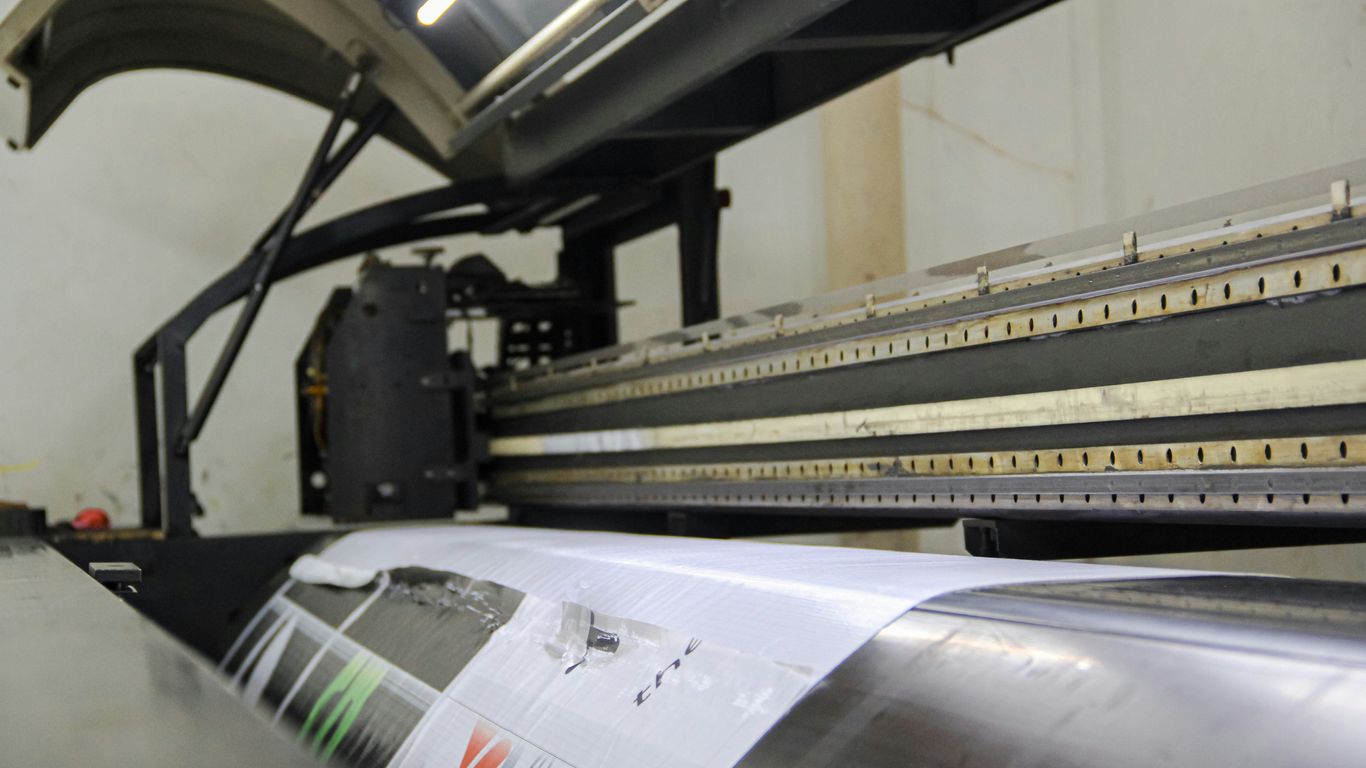
Flatbed UV printers work by placing rigid items like sheets of acrylic, polycarbonate panels, or pre-made plastic signs on a stationary bed. The print head moves across the item, spraying UV ink directly onto the surface. UV lamps immediately cure the ink as each pass is made, so the product comes off the machine fully dry and ready to handle.
- Perfect for big, flat, or solid shapes
- Allows full-color, high-resolution designs—even on dark or colored plastics
- Flexible for short runs or larger batches
If your project involves custom signage, control panels, or thicker plastic goods, flatbed UV is often the go-to choice for its clarity and speed. For more detail on flatbed versus other methods, see how each UV printing method fits different needs.
UV Roll-to-Roll Printing for Flexible Media
This method is used mainly for flexible plastics—think vinyl decals, banners, or large rolls of printable film. Instead of a flat surface, the printer feeds material from one roll to another. As the plastic unwinds, it moves through the print area while UV ink is applied and cured instantly.
- Best for thin, flexible, or long printable materials
- Widely used in making adhesive stickers and wraps
- Great for producing large volumes quickly
UVDTF Printing for Curved or Pre-Made Products
UVDTF (UV Direct-to-Film) printing starts by putting your design onto a special film using UV-cured ink. After curing, the film is pressed onto a pre-made object, like a tumbler or phone case, so the design transfers onto the final product—no heat press is needed. This works well for items you can’t fit inside traditional printers, or that have curves and textures.
- Useful for applying UV print to finished objects
- Handles challenging shapes and small runs
- Perfect for customizing drinkware, odd-shaped polymer products, or textured surfaces
| UV Printing Method | Best For | Material Examples |
|---|---|---|
| UV Flatbed | Rigid, flat surfaces | Acrylic, ABS panels |
| UV Roll-to-Roll | Flexible, roll materials | Vinyl, decals, films |
| UVDTF | Curved, assembled items | Tumblers, phone cases |
For a direct comparison of how UV flatbed, roll-to-roll, and UVDTF printing serve different products and plastics, check out this UV printing overview.
Each method fits a different need, so figuring out your material and intended use before starting saves trouble and helps get better, longer-lasting results.
Practical Advice for UV Printing on Plastic
So, you’re looking to get some custom prints on plastic parts using UV printing. It’s a great method, really, but like anything, there are a few things to keep in mind so you don’t end up with a print that flakes off after a week. It’s not just about the printer itself; a lot of it comes down to how you approach the whole process from the start.
Do Not Assume All Plastics Behave Similarly
This is a big one. You might look at two plastic parts and think they’re basically the same, but they can act totally differently when it comes to ink adhesion. Different plastics have different surface energies and flexibility. What works perfectly on one might just peel right off another, even if they look alike. It’s why knowing your material early on is so important. You might need different pre-treatment or ink for different types of plastic. For example, ABS and polycarbonate are pretty common and usually play nice, but don’t just assume.
Avoid Printing on Flexible or Stressed Features
Think about parts that are designed to bend or snap into place. These areas are under constant stress. UV ink, while durable, isn’t really built to handle repeated flexing. If you print on a snap-fit tab or a thin wall that bends, you’re asking for trouble. The ink layer can crack or peel away pretty quickly. It’s better to stick to flatter, more stable areas of the part.
Do Not Skip Surface Cleaning or Preparation
Seriously, don’t skip this. Manufacturing processes can leave behind all sorts of things on plastic surfaces – dust, oils, mold release agents, you name it. If you print over that gunk, the ink just won’t bond properly. It’s one of the most common reasons why prints fail later on. A good cleaning and prep step makes a world of difference for long-term adhesion.
Refrain from Placing Prints Near Edges or Cutouts
Edges and holes are natural stress points on a plastic part. When you handle the part, or when it’s assembled, these areas often take the brunt of the force. If your print is too close to an edge or a cutout, it’s much more likely to chip or wear away prematurely. Planning your print locations with a bit of clearance can save you a lot of headaches down the line.
Want to print on plastic using UV? It’s easier than you think! We’ve put together some simple tips to help you get great results. Learn how to prepare your plastic and choose the right settings for a smooth, vibrant finish. Ready to make your plastic prints pop? Visit our website for more details and to see how we can help you achieve professional-looking UV prints.
Conclusion
UV printing on plastic is a fantastic way to add custom designs and information to a wide range of products. It’s a digital process that uses UV light to instantly cure ink, making it durable and vibrant. However, it’s not a one-size-fits-all solution. Success really depends on understanding the specific plastic you’re using, preparing the surface properly, and thinking about the print as part of the overall product design from the beginning. By considering these factors and following best practices, you can achieve excellent results for your custom plastic parts.
Frequently Asked Questions
What exactly is UV printing on plastic?
UV printing on plastic is a way to put ink directly onto plastic items. Special ink is used, and when it’s printed, a UV light shines on it right away. This light makes the ink hard and stick to the plastic instantly, instead of waiting for it to dry like regular paint.
How does the UV light make the ink stick so well?
The UV light causes a chemical reaction in the ink. This reaction makes the ink harden very quickly. It forms a solid layer that bonds to the plastic surface. Think of it like super glue that hardens with a special light.
Can you print on any kind of plastic?
Not really. Some plastics work better than others. Smooth, rigid plastics like ABS or polycarbonate are usually good. Very bendy or rough plastics can be tricky because the ink might not stick or could crack easily.
Do I need to do anything to the plastic before printing?
Yes, usually! The plastic needs to be super clean. Any dust, oil, or leftover stuff from making the part can stop the ink from sticking properly. So, cleaning is a really important first step.
What happens if I print on a part that bends a lot?
If the plastic part bends or flexes a lot, especially where the print is, the ink layer might crack or peel off over time. It’s best to print on flat, stable areas that don’t move much.
Is UV printing good for things used outside?
It can be, but it depends. UV prints are pretty tough against fading from light, but if the item is outside all the time and gets hit by harsh weather, sun, or extreme temperatures, the print might not last as long as you’d hope.
How is UV printing different from other ways of printing on plastic?
Unlike some methods where ink soaks into the plastic or needs heat to set, UV ink sits on top and hardens instantly with light. This means it can print on many surfaces that other methods can’t, and the colors can be very bright.
What’s the best way to make sure my design looks good?
Using simple, clear designs is best. For logos and text, it’s good to use vector files, which are like digital blueprints that don’t lose quality. Also, test printing on a small area first can help you spot any problems before doing the whole batch.