Creating the perfect acrylic display box involves more than just putting pieces together. Avoiding these common mistakes will help ensure your final product is exactly what you envisioned and serves its purpose effectively.
Key Takeaways
- Always double-check your measurements to ensure the box fits your items perfectly.
- Choose good quality acrylic; it looks better and lasts longer than cheaper options.
- Think about security features, especially if you’re displaying valuable items.
- Don’t overcrowd your display; give your products space to be seen clearly.
- Communicate clearly with your manufacturer about your design and their capabilities.
Inaccurate Measurements Lead to Ill-Fitting Boxes
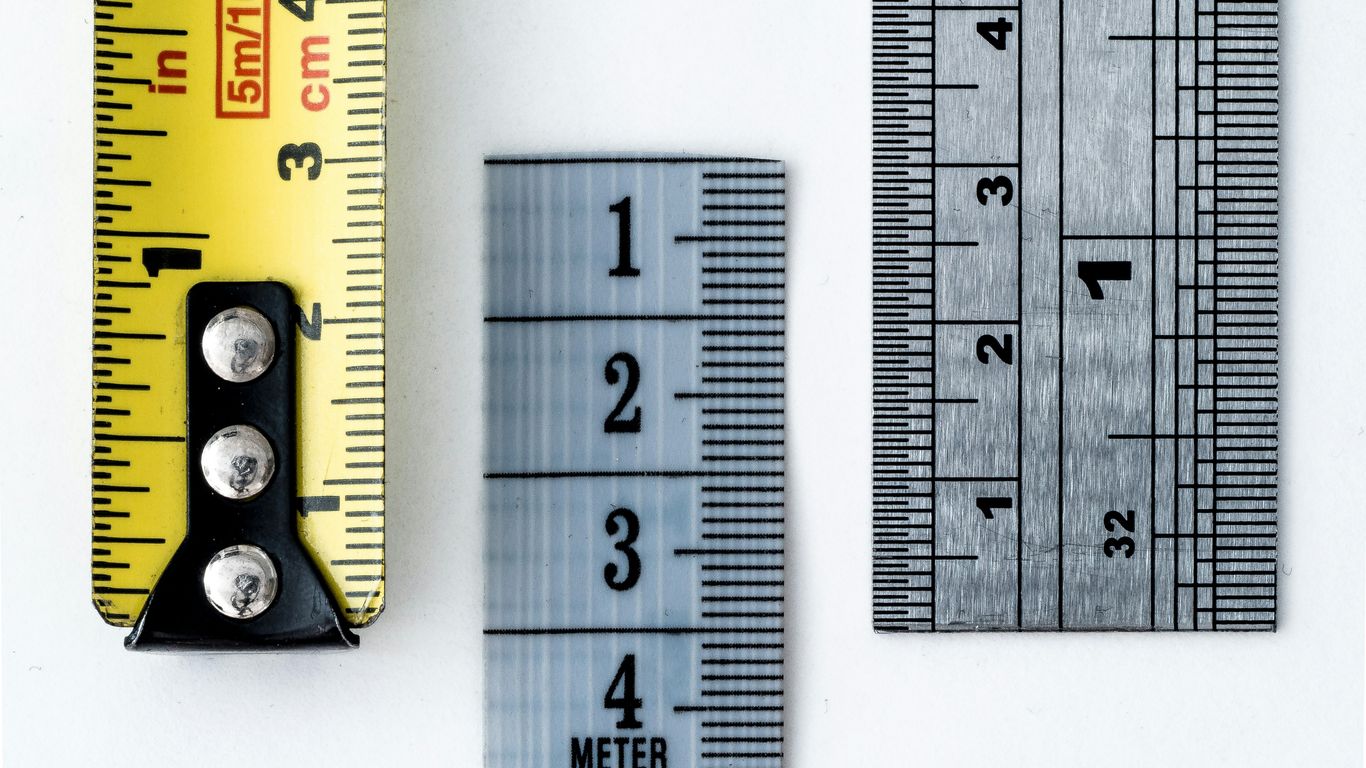
One of the most common and frankly, frustrating, mistakes people make when ordering custom acrylic boxes is getting the measurements wrong. It sounds simple enough, right? Measure twice, cut once. But when it comes to these display cases, even a small slip-up can cause big problems down the line.
The Consequences of Incorrect Dimensions
If the box is too small, your product just won’t fit. Imagine ordering a whole batch of custom boxes only to find out your items are a millimeter too wide. That’s a wasted order and a serious setback. On the flip side, if the box is too big, your product can slide around inside. This isn’t just unsightly; it increases the risk of damage during shipping or handling. A loose item banging around can get scratched, dented, or worse. Plus, an ill-fitting box just looks unprofessional, which isn’t the impression you want to make.
Ensuring Precision in Your Measurements
So, how do you avoid this measurement mess? First, take your time. Use a reliable measuring tool – a good old-fashioned ruler or a digital caliper if you have one. Measure your product from its widest and tallest points. It’s often best to measure in a few different spots to account for any slight variations. For the highest level of accuracy, consider using millimeters. Once you have your numbers, double-check them. Seriously, check them again. It’s a small step that prevents a lot of headaches. If you’re ordering custom acrylic boxes, providing exact dimensions is key.
Adding a Buffer for Manufacturing Tolerances
Here’s a pro tip: most manufacturing processes have slight variations, often called tolerances. It’s wise to add a small buffer to your measurements. For example, if your product measures exactly 100mm in length, you might want to order a box that’s 102mm or 105mm long. This little bit of extra space accounts for those minor manufacturing differences and ensures your product will fit comfortably without being too loose. It’s about finding that sweet spot between snug and swimming.
Getting the dimensions right from the start saves time, money, and a whole lot of stress. It’s the foundation for a display box that looks good and functions perfectly.
Compromising on Material Quality
When you’re putting together a display box, the material you pick really matters. It’s easy to think that any clear plastic will do the job, but that’s not quite right. The type of acrylic you choose can make a big difference in how your display looks and how long it lasts.
Understanding Different Acrylic Grades
Acrylic isn’t just one thing; there are different types, or grades. You’ve got the good stuff and then, well, the not-so-good stuff. High-quality acrylic is usually super clear, tough, and doesn’t scratch easily. It gives your display a polished, professional look that says, ‘I care about my products.’ On the flip side, lower-grade acrylic might start looking cloudy after a while, especially if it sits in the sun. It can also feel a bit rough to the touch or just break more easily. Choosing the right grade is key to a display that looks good and holds up over time.
The Long-Term Impact of Low-Quality Acrylic
Picking a cheaper, lower-grade acrylic might seem like a smart move for your wallet right now, but it often causes headaches later. Think about it: if the material scratches easily, your display will look worn out fast. If it starts to yellow, it makes whatever’s inside look dull and unappealing. This can really hurt how customers see your products. A display that looks cheap can make even the best items seem less desirable. It’s a bit like putting a fancy cake in a plain cardboard box – it just doesn’t do it justice. For items that need a bit more protection, like delicate collectibles, you might want to look into clear acrylic display boxes with an open side that can serve as risers or covers.
Prioritizing Clarity and Durability
So, what should you look for? First, clarity. You want to see your product without any distortion or cloudiness. It should be as clear as possible, letting the item inside be the star. Second, durability. The box needs to be strong enough to protect what’s inside and withstand regular handling. Thicker acrylic generally means more strength. It gives the display a solid feel and makes it less likely to crack or break. When you’re talking to a manufacturer, don’t be afraid to ask about the thickness and the specific type of acrylic they use. It’s worth the effort to get a display that’s both beautiful and built to last. Finding a manufacturer that understands these details can make all the difference in the final product.
Overlooking Security Features for Valuables
When you’re putting together a display case, especially for items that have some value, it’s easy to get caught up in how good it looks. But you absolutely cannot forget about security. A beautiful case that’s easy to break into or steal from is just not going to cut it.
The Importance of Integrated Locking Systems
Think about what you’re putting inside. If it’s jewelry, electronics, or even rare collectibles, a simple lid that lifts off isn’t going to cut it. You need something more robust. Many display cases can come with built-in locks. These aren’t just basic padlocks; they can be specialized, discreet mechanisms that keep your items safe without ruining the look of the display. A good lock means you can stop worrying about theft or accidental damage. It’s a pretty big deal for peace of mind, and it’s a key part of protecting your inventory.
Protecting Inventory and Ensuring Peace of Mind
Having secure display cases does more than just keep things from being stolen. It also protects your items from dust and damage, which can happen even if no one is trying to steal them. If you’re using a case for a business, this means less loss and fewer replacements needed. For personal collections, it means your treasured items stay in good condition for years. It’s about making sure your investment, whether it’s financial or sentimental, is well-guarded.
Balancing Aesthetics with Practical Security
It might seem like security features would make a display case look clunky or industrial, but that’s not always the case. Manufacturers know that looks matter. You can find cases that have sleek, integrated locks that blend right in. Sometimes, the material itself can add to security. For instance, polycarbonate display cases are much tougher to break than standard acrylic or glass, offering a built-in layer of protection.
Here’s a quick look at what to consider:
- Lock Type: Look for sturdy, discreet locks. Keyed locks are common, but some cases offer combination locks or even electronic options.
- Material Strength: Consider materials like polycarbonate that are naturally more resistant to impact and breakage.
- Base Stability: A heavy or well-anchored base makes the case harder to tip over or move.
- Sealed Construction: A well-built case with minimal gaps offers better protection against dust and tampering.
When designing your display, always ask about the security options available. Don’t assume a standard case will be enough if you’re displaying anything valuable. It’s better to ask upfront and get it right the first time.
Crowding Your Display Case Design
The Detrimental Effects of Overcrowding
It’s a common urge, especially when you have a lot of items you want to show off, to try and fit as much as possible into your acrylic display case. You might think that a packed case looks more impressive or offers more value to the viewer. However, this is almost always a mistake. Overcrowding makes a display look messy and can overwhelm potential customers or viewers. Instead of appreciating the individual items, people’s eyes dart around, unable to focus on anything specific. This visual clutter can actually devalue your products, making them seem less special and less desirable. It can also lead to practical issues, like items getting scratched or tangled, especially if they are delicate.
Creating a Curated and Focused Presentation
The goal of a display case isn’t just to hold things; it’s to present them in the best possible light. Think of your display case as a curated gallery. Each item deserves its own space to be seen and appreciated. Using risers, platforms, or even simple acrylic blocks can help create different levels and visual interest. This tiered approach ensures that items in the back aren’t hidden and that the overall presentation is dynamic. A well-spaced display allows each product to have a clear focal point, drawing the viewer’s attention and highlighting its unique features. This thoughtful arrangement makes the items feel more exclusive and valuable. For inspiration on making your products stand out, consider these box packaging design ideas.
Allowing Products Room to Breathe
Giving your merchandise space to breathe is key to an effective display. This concept, often referred to as using ‘negative space,’ makes each item feel more important and allows viewers to focus on the details. Instead of a jumble of products, you create a narrative. Consider the flow of the viewer’s eye. Where do you want them to look first? A well-organized case guides this experience. You might also think about adding a mirrored back to some cases. This simple addition can create a sense of depth and make the display feel larger, reflecting light and making your items sparkle. It’s a subtle touch that can significantly impact the perceived value and appeal of what you’re showcasing.
A cluttered display can lead to lost sales and a diminished perception of quality. Prioritize presentation over quantity every time.
Ignoring Design Details and Brand Consistency
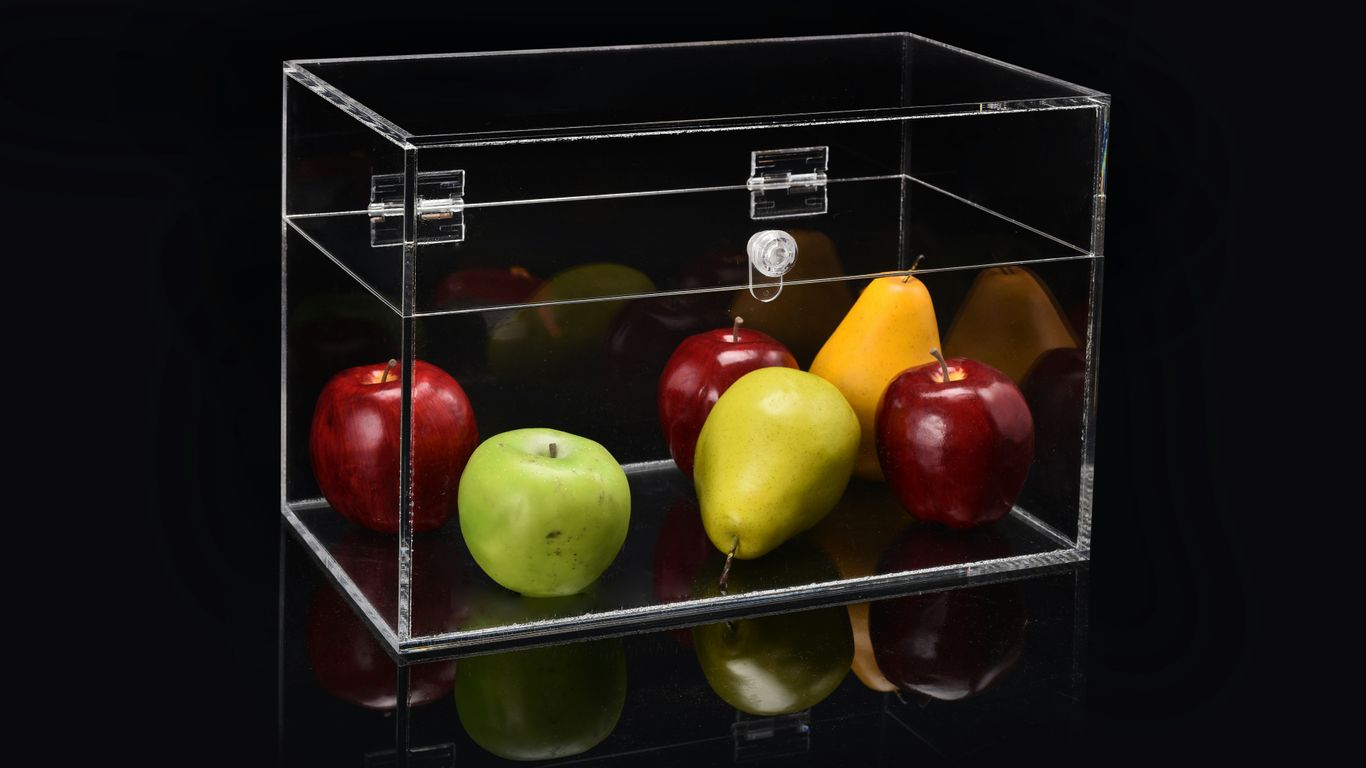
It’s easy to get caught up in the main structure of your acrylic display box, but the small details are what really make it shine and connect with your brand. Overlooking these can make your display look out of place or just plain unprofessional.
Strategic Logo Placement Considerations
Your logo is your brand’s signature. Where you put it on the display box matters. It shouldn’t be so big that it distracts from the product, but it needs to be visible. Think about how the logo looks in relation to the item being displayed. Sometimes, a subtle engraving on a corner or a small, well-placed decal works best. It’s about making it noticeable without being obnoxious. Getting this right helps reinforce your brand identity.
Selecting a Harmonious Color Scheme
Colors have a big impact on how people feel. The colors you choose for your display box, whether it’s the acrylic itself, any backing, or decorative elements, should work well together and with your brand’s overall look. Using too many clashing colors can make the box look messy and cheap. Aim for a palette that complements your products and creates a pleasant visual experience. A simple, consistent color scheme is often more effective than a busy one.
Choosing Readable and Brand-Appropriate Typography
If you’re adding any text to your display box, like a product name or a short description, the font you use is important. It needs to be easy to read from a distance. More than that, the style of the font should match your brand’s personality. A playful font might work for a toy store, but it would look odd on a display for high-end jewelry. Consider the size of the text too; it should be proportionate to the box itself.
Small touches like the right font or a well-placed logo can make a big difference in how your display is perceived. They tie the physical object back to your brand’s story and values.
Here are some common pitfalls with design details:
- Overcrowded Design: Too many different elements or styles fighting for attention. Solution: Stick to one main theme for a clean look.
- Hardware Misalignment: Incorrectly measured or drilled parts. Solution: Use templates or guides for precise placement.
- Color Clashes: Using too many colors that don’t work together. Solution: Choose a limited palette that complements your brand and product.
Getting these details right helps create a display that not only looks good but also functions effectively to showcase your products.
Failing to Consider Manufacturing Capabilities
Understanding Manufacturer Limitations
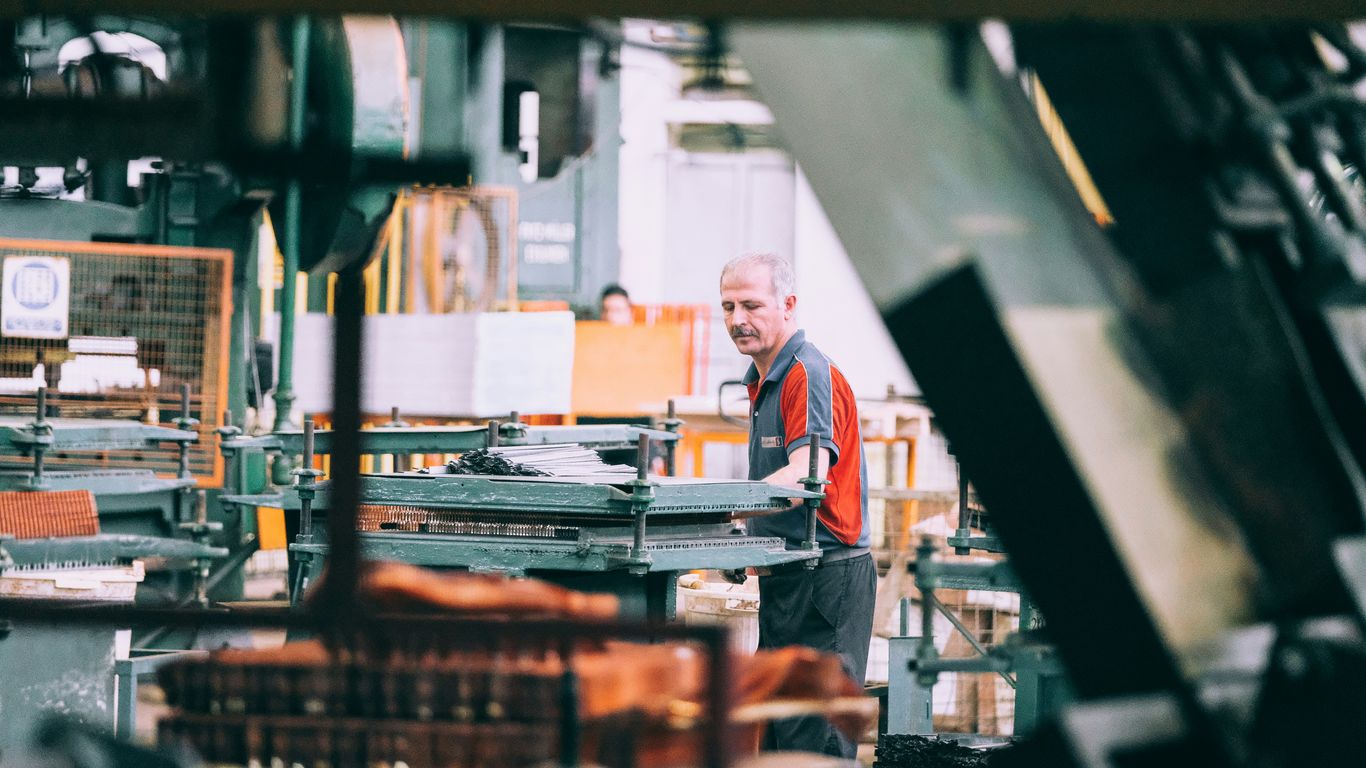
When you’re dreaming up the perfect acrylic display box, it’s easy to get lost in the design possibilities. But here’s a reality check: not every manufacturer can bring every idea to life. Each shop has its own set of tools, techniques, and limits. Some might be wizards with complex curves, while others stick to simpler, straight-edged designs. You might want a giant display case, but the manufacturer might only have machinery for smaller runs. It’s like trying to get a custom suit made by someone who only knows how to tailor t-shirts. They might be great at what they do, but it’s not what you need.
- Size constraints: Some facilities can only handle certain maximum dimensions.
- Shape limitations: Intricate or very sharp angles might be difficult or impossible.
- Finishing options: Not all manufacturers offer specialized finishes or printing.
Communicating Your Design Requirements Clearly
So, how do you avoid this pitfall? Talk to your potential manufacturer before you finalize your design. Share your sketches, your measurements, and your vision. Ask them directly: "Can you make this?" Be upfront about what you need, from the exact dimensions to any special features like hinges or locks. A good manufacturer will be honest about what they can and cannot do. They might even suggest a slight tweak to your design that makes it perfectly achievable without sacrificing the overall look. This kind of open dialogue is key to getting a product that looks great and is actually buildable. It’s about finding a partner who understands your goals and has the means to help you reach them. For example, if you’re looking for a specific type of acrylic sheet, it’s good to know if they can source it or if you need to provide it yourself. This is especially important if you’re aiming for something like custom acrylic display cases in Las Vegas.
Finding a Manufacturer That Matches Your Vision
Ultimately, your goal is to find a manufacturer whose capabilities align with your design. If you have a very complex or unique design, you’ll need to seek out a shop that specializes in that kind of work. Conversely, if your design is straightforward, you might have more options and can focus on other factors like cost and turnaround time. Don’t be afraid to get quotes from a few different places. Compare not just the price, but also their experience with similar projects and their willingness to work with you. Sometimes, a slightly higher price tag from a manufacturer who truly understands your needs is worth it to avoid disappointment and costly revisions down the line. Remember, the best display case is one that can actually be made.
The most effective designs are those that are not only aesthetically pleasing but also practical to produce within the chosen manufacturing environment.
Skipping the Crucial Sample and Proofing Stage
Think you’re ready to go straight to full production after finalizing your design? Hold on a second. Skipping the sample and proofing stage is a common pitfall that can lead to a lot of headaches and wasted money down the line. It’s like baking a cake without tasting the batter – you might end up with something completely different than you expected.
The Purpose of a Pre-Production Sample
A proof, or a pre-production sample, is essentially a one-off version of your custom acrylic box made before the big order. It’s your chance to physically interact with the design. You get to see the colors, check the dimensions, and feel the material. This step is incredibly important for catching any small errors that might have slipped through the digital design phase. For instance, a logo might look great on screen, but in physical form, its placement could feel off, or a specific color might not translate as intended. Getting a physical sample lets you confirm everything is exactly as you pictured it. It’s a vital part of the process when ordering custom display boxes.
Identifying Design Flaws Before Full Production
This is where you really get to put your design under a microscope. Does the lid fit snugly? Are the seams clean and strong? Is the acrylic clear and free of imperfections? A sample allows you to test the functionality and aesthetics. You can check for:
- Alignment: Do all the panels fit together perfectly?
- Fit and Finish: Are the edges smooth? Is the assembly neat?
- Clarity: Is the acrylic transparent and free from scratches or cloudiness?
- Functionality: Does any locking mechanism or hinge work smoothly?
Catching these issues now means you can request adjustments from the manufacturer. It’s much easier and cheaper to tweak a single sample than to rework an entire production run. This is also where you can confirm that the overall look aligns with your brand’s presentation goals, similar to how a point of purchase display needs to be just right.
Ensuring Functional Fit and Finish
Beyond just looking good, the sample proves the box actually works. You can test how easy it is to open and close, if it holds its shape under pressure, and if it meets any specific functional requirements you have. For example, if your box needs to hold a specific item securely, the sample is your opportunity to test that fit.
A well-made sample acts as a physical blueprint. It confirms that the manufacturer understands your specifications and can translate them into a tangible product. Without this step, you’re essentially taking a gamble on the final outcome, which can be a costly mistake for any business.
Remember, approving a sample gives the manufacturer the go-ahead. It’s your final checkpoint before they invest time and resources into mass production. Don’t skip it!
Underestimating Production and Delivery Timelines
It’s easy to get caught up in the excitement of a new product or display, but one area that often trips people up is the time it actually takes to get those custom acrylic boxes made and delivered. Rushing the process or not planning ahead can lead to missed launch dates, unhappy customers, and a general sense of chaos. You really need to think about the whole picture, not just when you want the boxes.
Factors Influencing Lead Times
Several things play a role in how long your order will take. The complexity of the design is a big one; intricate shapes or special finishes naturally take longer than simple, standard boxes. The quantity you order matters too – a small batch might be quicker than a massive order. Then there’s the manufacturer’s current workload. If they’re swamped with other projects, your timeline might get pushed back. It’s not just about the actual making of the box, either. Think about shipping times, customs if you’re ordering internationally, and any potential delays that could pop up.
- Design Complexity: More intricate designs require more time.
- Order Quantity: Larger orders take longer to produce.
- Manufacturer’s Schedule: Current demand affects availability.
- Shipping & Logistics: Transit times and potential customs delays.
The Importance of Proactive Planning
Being proactive is key to avoiding last-minute stress. When you first talk to a manufacturer, ask them upfront about their estimated production and delivery times. Don’t just assume it will be quick. Get a clear idea of their typical turnaround for projects like yours; some standard production can be as quick as 2-5 business days, but this can change during peak periods. For more custom work, turnaround times can stretch from days into weeks, depending on how complex the project is. Always communicate any hard deadlines you have right from the start. If you need the boxes by a specific date, let them know. They might be able to accommodate you, or at least give you a realistic expectation.
Don’t wait until the last minute to figure out when you’ll get your custom boxes. Plan backward from your desired launch or event date, and build in extra time for unexpected hiccups.
Building Buffer Time into Your Schedule
Even with the best planning, things can go wrong. A machine might have a hiccup, a shipment of raw materials could be delayed, or there could be an issue with the design that needs fixing. That’s why it’s smart to add some extra time to your timeline – a buffer. This buffer acts as a safety net. If everything goes smoothly, great! You might even get your boxes a bit earlier. But if something does go wrong, you won’t be scrambling at the last second. This is especially important for custom orders, where the specific duration can vary widely based on complexity.
Focusing Solely on the Bottom Line
It’s tempting, really tempting, to just go for the cheapest option when ordering custom acrylic display boxes. We all want to save money, right? But sometimes, focusing only on the price tag can lead you down a path of regret. Cheaper materials might seem like a win at first, but they often come with hidden costs later on.
The Relationship Between Cost and Quality
Think about it: that super-low price might mean thinner acrylic that scratches easily, or maybe it’s not as clear as you’d like. Over time, this can make your products look less appealing and the display itself might not hold up. High-quality acrylic, on the other hand, stays clear and durable for years. It might cost a bit more upfront, but it protects your items better and keeps your presentation looking professional. It’s a bit like buying a cheap tool that breaks after one use versus a good one that lasts a decade.
Long-Term Savings Through Higher Quality
Investing in better quality materials can actually save you money in the long run. A sturdy, clear display case reduces the risk of damage to the items inside, which means fewer replacements or repairs. Plus, a well-made display enhances your brand image. Customers notice when things look polished and professional. A display that looks cheap can make your products seem cheap, too. So, while the initial cost is a factor, consider the overall value and how it impacts your business over time. You can find great options for acrylic display cases that balance cost and quality.
Achieving the Optimal Cost-Quality Balance
Finding that sweet spot between cost and quality is key. It’s not about spending the most money, but about spending wisely. Ask manufacturers about different grades of acrylic and what trade-offs come with each. Sometimes, a slightly higher investment for a noticeably better material is well worth it. Don’t be afraid to ask questions and get quotes from a few different places. You might be surprised at what you find.
When you’re planning out your display box project, remember that the cheapest option isn’t always the best. Think about how the display will hold up over time and how it reflects on your products and brand. A little extra spent on quality can prevent bigger headaches and costs down the road.
Here’s a quick look at what to consider:
- Material Thickness: Thicker acrylic is generally more durable and less prone to bending or breaking.
- Clarity: Look for acrylic that is crystal clear, without any haziness or distortion.
- UV Resistance: If your display will be in direct sunlight, UV-resistant acrylic can prevent yellowing and degradation.
- Finish: Consider if you need a polished edge or a specific surface finish for aesthetic reasons.
Neglecting Product Visibility in Your Design
When you’re putting together an acrylic display box, it’s easy to get caught up in the overall look and forget about the most important thing: letting people see what’s inside. A display box is meant to showcase your products, not hide them. If customers can’t easily see what you’re selling, they’re less likely to be interested.
Ensuring Clear Views of the Contents
Think about how a customer will interact with your display. Will they be able to get a good look at the product from different angles? The primary function of a display box is to present items clearly. If your box has a lid that’s too thick, or if the panels aren’t perfectly clear, it can create a barrier. Sometimes, just adding a few inches of space around the product can make a big difference in how well it’s seen. It’s about making sure the product is the star, not the box itself.
Using Transparent Materials Effectively
Acrylic is great because it’s clear, but not all acrylic is created equal. You want material that’s as transparent as possible, without any cloudiness or distortion. Lower-grade acrylic might save a bit of money upfront, but it can make your products look dull or even warped. Investing in high-quality, clear acrylic ensures that the true colors and details of your items shine through. This is especially important for things like artwork, collectibles, or high-end retail items where visual appeal is key. You can find great options for clear acrylic panels that offer excellent clarity.
Balancing Protection with Showcase Potential
There’s always a balance to strike between keeping a product safe and making it visible. You need a box that protects from dust, damage, and maybe even theft, but without obscuring the item. Consider the thickness of the acrylic – too thick and it can distort the view, too thin and it might not offer enough protection. Also, think about how the box is assembled. Seams or glue lines can sometimes distract from the product. The goal is to create a presentation that feels open and inviting, even though the product is enclosed. A well-designed display box should feel like a frame for your product, drawing attention to it rather than away from it. It’s about making the product the focus, allowing shoppers to appreciate its details without obstruction.
Don’t let your amazing products hide in plain sight! Making sure customers can easily find and see what you offer is super important for success. If your design makes things hard to spot, you’re missing out. Want to learn how to make your products shine? Visit our website for tips and tricks!
Conclusion
Ordering custom acrylic boxes can really make your products shine. By keeping an eye out for common slip-ups like wrong measurements, cheap materials, or bad design, you’re setting yourself up for success. Think about how the box looks, how secure it is, and if it fits your brand. Talking clearly with your maker and checking samples before the big order are super important steps. Remember, a little extra time and thought upfront can save you a lot of headaches and money later, leading to a display box that not only looks great but also does its job perfectly. So, plan well, choose wisely, and you’ll end up with a display that truly impresses.
Frequently Asked Questions
Why are accurate measurements so important for an acrylic display box?
Getting the measurements right means your product will fit snugly inside without being too tight or too loose. A box that’s too small won’t fit your item, and one that’s too big makes the product look lost and can lead to damage if it moves around too much.
What’s the difference between good and bad quality acrylic?
Good quality acrylic is super clear, doesn’t scratch easily, and won’t turn yellow or cloudy over time, especially when it’s out in the light. Cheaper acrylic might look okay at first, but it can get damaged easily and lose its shine quickly.
Should I worry about security features for my display box?
Yes, especially if you’re showing off something valuable. A simple lid might not be enough to stop someone from taking your item. Look for boxes that have locks or other ways to keep your things safe.
Is it okay to put a lot of items in my display box?
It’s usually better not to. Putting too many things in a box can make it look messy and hard to look at. It’s best to give each item some space so people can see them clearly and appreciate them better.
How do I make sure my logo looks good on the box?
Think about where you put your logo. It should be easy to see but not so big that it takes over the whole design. Also, pick colors and fonts that match your brand and are easy to read.
What if the company I want to make my box can’t do exactly what I want?
It’s good to talk to them first. Tell them what you want and ask if they can make it. If they have limits on size or shape, they should tell you. You might need to change your idea a bit or find a different maker.
Why do they make a sample box before making all of them?
Making a sample, or a proof, is like a test run. It lets you see and touch the box before they make a whole bunch. You can check if the size is right, the colors look good, and if everything is spelled correctly. It helps catch mistakes early.
How long does it usually take to get custom acrylic boxes?
It can take a while, depending on how complex your design is, how many boxes you order, and how busy the maker is. It’s always smart to ask about the time it will take and plan ahead, maybe even adding a little extra time just in case.