Acrylic board is a versatile material with many uses. Here are some of the main things it’s good for:
Key Takeaways
- Acrylic is used for signs, displays, and storefronts because it’s clear and can be shaped easily.
- It makes great display cases for shops and museums, showing off items without being fragile.
- Acrylic can be used to divide rooms or add decorative elements in homes and offices.
- It’s strong and clear, making it suitable for aquariums, car windows, and protective shields.
- Hobbyists and crafters use acrylic for custom items like keychains and art projects.
1. Storefront Signage
When it comes to making a business stand out, good signage is key. Acrylic boards have become a really popular choice for storefront signs, and it’s easy to see why. They offer a great mix of looks and practicality that businesses love. Acrylic signs provide a clean, modern appearance that can really grab attention.
One of the biggest advantages of using acrylic for your business sign is how adaptable it is. You can cut it into almost any shape you can imagine, and it takes well to different colors and finishes. This means you can get a sign that perfectly matches your brand’s look. Plus, acrylic has a nice shine to it, which makes signs look professional and high-quality. It’s also pretty tough, so it holds up well, whether your sign is inside or out. For businesses looking for durable and attractive storefront signage, acrylic is definitely worth considering.
Here’s a quick look at why acrylic is a top pick for signs:
- Durability: It’s strong and can handle weather, making it suitable for outdoor use.
- Versatility: Can be cut, shaped, and colored to fit any design.
- Appearance: Offers a clear, glossy finish that looks professional.
- Lightweight: Easier to install and handle compared to glass.
Many businesses also opt for illuminated signs. Acrylic works really well with LED lighting. You can place lights behind the acrylic to make the sign glow, which is fantastic for catching the eye, especially after dark. This creates a really dynamic look that can make your business pop.
Acrylic’s ability to be easily fabricated and its resistance to UV light mean that signs will maintain their color and integrity for a long time, reducing the need for frequent replacements and saving money in the long run.
2. Display Cases
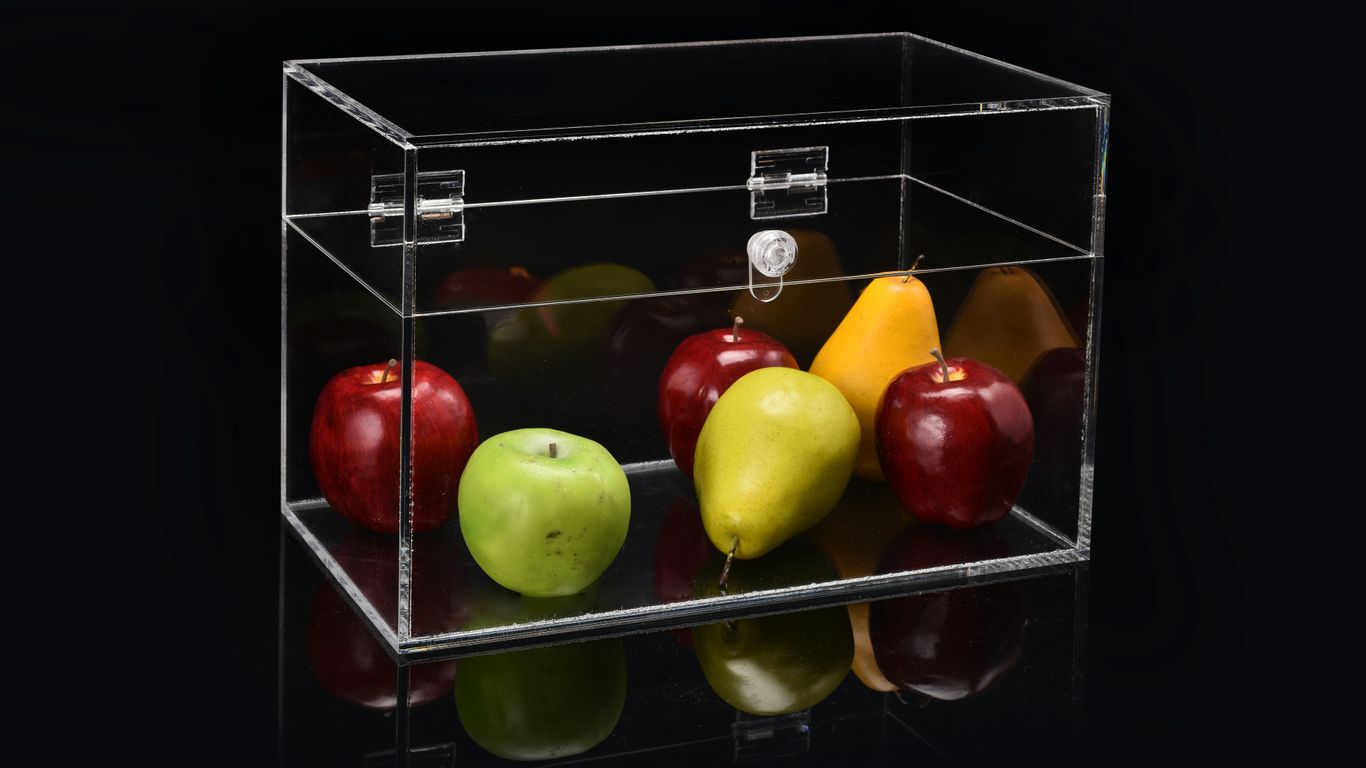
When you need to show off products or valuable items, acrylic display cases are a really popular choice. They look a lot like glass, but they’re much lighter and don’t break as easily. This makes them great for all sorts of places, from fancy jewelry stores to museums and even just for displaying collectibles at home.
Acrylic cases let people see what’s inside clearly, which is the main point, right? Plus, they keep things protected from dust and accidental bumps. You can find them in all sorts of shapes and sizes, whether you need something small for a countertop or a big, floor-standing unit. Many places that sell these offer a wide selection of acrylic display cases to fit different needs and budgets.
Here are a few common uses for acrylic display cases:
- Retail Product Showcases: Think about how items are presented in shops. Acrylic cases are used for everything from electronics and cosmetics to small trinkets. They make products look good and keep them safe.
- Museum and Gallery Exhibits: For displaying artifacts, artwork, or historical items, acrylic offers a clear, protective barrier without the weight or fragility of glass. This allows visitors to get a close look while the items remain secure.
- Hobbyist Displays: People who collect things like action figures, model cars, or stamps often use acrylic cases to keep their collections dust-free and looking sharp on shelves or desks.
- Trophy and Award Cases: High schools, universities, and businesses often use large acrylic cases to proudly display sports trophies and achievement awards.
The clarity of acrylic is a big deal. It means whatever you’re displaying really gets the spotlight. It’s also pretty tough, so it can handle being in busy public spaces without too much worry about it getting damaged easily. This makes it a practical choice for many businesses and individuals alike.
When picking out a display case, think about how much weight it needs to hold and how much space you have. Some cases are designed to be stacked, which can be a real space-saver. You can also find them with built-in lighting to make your items pop even more. For businesses looking for bulk options, there are suppliers that can provide various sizes and styles to meet commercial demands.
3. Room Dividers
Acrylic sheets are a fantastic option when you need to split up a larger space without making it feel totally closed off. They’re great for open-concept homes or even just creating a specific zone within a room. Think about using them to section off a home office from your living area, giving you a dedicated workspace that doesn’t feel like it’s taking over the whole room.
One of the best things about acrylic for dividers is that you can get it in different finishes. Clear acrylic keeps things feeling open and bright, while frosted or tinted versions offer more privacy. You can even find sheets with patterns or textures if you want to add a bit of visual flair. These dividers can really change how a space feels and functions.
Here are a few ways people use them:
- Home Office Separation: Create a distinct work zone in a living room or bedroom.
- Dressing Area: Add a touch of privacy to a bedroom without building walls.
- Open-Concept Zoning: Define areas in a kitchen and dining space while keeping the flow.
When you’re looking at larger dividers, it’s important to make sure they’re stable and properly supported. It’s not just about looks; safety is key. You can find some really interesting options for interior partitions that can totally transform a room’s layout. It’s a simple way to add functionality and style.
4. Skylights

Acrylic boards are a fantastic material for skylights, offering a lighter and more impact-resistant alternative to traditional glass. Their excellent light transmission properties allow natural light to flood interior spaces, creating a brighter and more inviting atmosphere. Unlike glass, acrylic is less prone to shattering, which adds a layer of safety, especially in areas prone to extreme weather. This makes it a practical choice for both residential and commercial buildings.
When considering acrylic for skylights, several factors come into play:
- Durability: Acrylic is known for its toughness and resistance to impact. It can withstand hail and other debris better than glass.
- Clarity: High-quality acrylic sheets offer exceptional optical clarity, rivaling that of glass. This ensures that the view through the skylight is clear and unobstructed.
- UV Resistance: Many acrylic products are treated to resist UV radiation, preventing yellowing and degradation over time when exposed to sunlight. This is key for long-term performance.
- Weight: Acrylic is significantly lighter than glass, which can simplify installation and reduce structural support requirements.
Benefits of Acrylic Skylights
Acrylic skylights can significantly improve the ambiance of a room. They help reduce the need for artificial lighting during the day, leading to energy savings. Furthermore, the material’s inherent strength means less worry about breakage during installation or from external forces. For those looking for sustainable building materials, acrylic’s longevity and recyclability can be appealing. You can find various types of clear cast acrylic sheets that are perfect for these applications, offering superior clarity and weather resistance.
Acrylic’s ability to be formed into various shapes also opens up design possibilities for skylights, allowing for curved or custom configurations that might be more complex or costly with glass. This adaptability makes it a versatile option for architects and builders alike.
5. Aquariums
When it comes to building aquariums, acrylic is a really popular choice, and for good reason. It’s much lighter than glass, which makes setting up and moving a big tank way easier. Plus, acrylic offers amazing clarity, so you get a super clear view of all your fish and plants without any distortion, even with thick panels. This is pretty important if you’re trying to observe aquatic life closely.
One of the biggest advantages is its flexibility. Unlike glass, acrylic can be shaped into curves and unique designs that just aren’t possible otherwise. This opens up a lot of creative possibilities for custom aquariums. It’s also more resistant to impacts than glass, meaning it’s less likely to crack or shatter if something bumps into it. This makes it a safer option, especially for larger tanks or public displays. Building a custom aquarium can be a rewarding project, and acrylic makes it more accessible.
Acrylic’s strength and ability to hold water pressure better than glass are key factors in its use for both home aquariums and large public aquarium panels. The distortion-free view it provides is essential for underwater observation.
Here are a few things to consider when thinking about acrylic for aquariums:
- Weight: Significantly lighter than glass, making installation and maintenance simpler.
- Clarity: Offers excellent, distortion-free visibility.
- Durability: More impact-resistant than glass, reducing the risk of breakage.
- Design Flexibility: Can be molded into various shapes, allowing for unique aquarium designs.
- Scratch Resistance: While not immune, it’s generally more resistant to minor scratches than glass, keeping the view clear longer.
6. Cashier Shields
You’ve probably seen them everywhere lately, especially after the last few years. Those clear barriers at the checkout counter? Many of them are made from acrylic.
Acrylic cashier shields are a simple yet effective way to create a physical separation between staff and customers. They help reduce the direct transmission of germs and airborne particles, which is a big deal for maintaining a healthier environment in retail spaces, banks, and other service points. They’re not just for preventing illness, though. These shields can also offer a bit of protection from accidental spills or even just the general hustle and bustle of a busy counter.
Here’s why they’re so common:
- Visibility: You can still see and talk to the person on the other side clearly. This means customer service doesn’t suffer.
- Durability: Acrylic is pretty tough. It’s less likely to shatter than glass if something bumps into it.
- Easy to Clean: Wiping them down with a disinfectant is straightforward, keeping them hygienic.
- Lightweight: They’re not super heavy, making them easier to install and move if needed.
These shields are a practical application of acrylic’s protective qualities, offering a clear line of defense without completely blocking interaction. They’re a common sight now, contributing to workplace safety [ab7c].
These barriers are designed to be functional without being intrusive. They allow for normal conversation and eye contact, which is important for a good customer experience. Plus, they can be customized in size and shape to fit different counter setups.
7. Custom Keychains

Acrylic board is a fantastic material for making custom keychains. It’s lightweight, durable, and can be cut into almost any shape you can imagine. This makes it super popular for businesses wanting promotional items or for individuals looking for unique personal accessories.
Think about it: you can get keychains shaped like logos, animals, or even tiny replicas of products. The possibilities for personalization are pretty much endless. They’re also great because they don’t add much bulk to your keys, unlike some heavier materials. Plus, they don’t scratch up as easily as you might think, especially if you go for a thicker acrylic. If you’re looking to design your own, there’s a lot of helpful advice on designing custom acrylic keychains.
Here’s why acrylic is a good choice for keychains:
- Versatility: Can be cut into intricate shapes and sizes.
- Durability: Resists scratches and impacts better than many plastics.
- Appearance: Available in clear, colored, frosted, and even mirrored finishes.
- Cost-effectiveness: Generally more affordable than metal or glass alternatives.
Many companies specialize in creating these, offering a wide range of styles and customization options. You can find places that do everything from simple engraved designs to full-color printed graphics. It’s a neat way to carry a bit of branding or a personal memento around with you every day. For businesses, it’s a simple yet effective way to get your name out there; CustomKeychains.com is one example of where you can explore options.
Acrylic keychains can be made using laser cutting or CNC routing, which allows for precise detailing and complex designs. The edges can be polished to a smooth finish, giving them a professional look and feel.
8. Instrument Covers

Acrylic board is a solid choice for creating covers for various instruments, both musical and scientific. Its transparency means you can still see what’s going on inside, which is pretty handy. Plus, it’s tough and won’t shatter easily, unlike glass. This makes it great for protecting delicate equipment from dust, spills, or accidental bumps.
Think about a high-end turntable or a sensitive piece of lab gear. A custom acrylic cover can keep it safe while still looking sleek. It’s also easy to clean, which is a big plus in any environment, whether it’s a home studio or a busy laboratory. The material’s resistance to chemicals and its ability to be molded into specific shapes make it ideal for custom-fit solutions.
Here are a few reasons why acrylic works well for instrument covers:
- Clarity: Allows for visual inspection without removing the cover.
- Durability: Resists impact and is less prone to breaking than glass.
- Lightweight: Easier to handle and install than heavier materials.
- Customization: Can be easily cut, drilled, and shaped to fit specific instruments.
For applications where a clear, protective barrier is needed, acrylic sheets are a practical option. They offer a good balance of protection and visibility, making them suitable for a range of uses from protecting sensitive electronics to keeping musical instruments free from dust. You can find various types of acrylic sheets suitable for these kinds of protective applications.
9. Car Windows
While glass has been the standard for car windows for ages, acrylic is making its mark in the automotive world, though not typically for the main windshield. You might see it used for side windows or even in custom builds. One of the big draws is its lighter weight compared to traditional glass. This can actually help a bit with fuel efficiency, which is always a nice bonus. Plus, acrylic is more resistant to shattering into sharp pieces if it does break, making it a safer option in certain applications.
It’s important to note that using acrylic for windshields on regular road vehicles isn’t usually allowed by law. Regulations often require laminated glass for those specific parts of the car. However, for other parts of the vehicle, like side windows or even in specialized vehicles, acrylic can be a good choice. Its ability to be molded into different shapes also gives designers more freedom.
Here’s a quick look at where acrylic might show up in vehicles:
- Side windows: Lighter and less prone to dangerous shattering.
- Custom builds: For unique shapes and designs where glass might be too heavy or difficult to work with.
- Off-road vehicles: Where impact resistance is a major plus.
When considering materials for automotive applications, it’s good to know the differences. Acrylic offers a unique set of benefits, especially when compared to polycarbonate for certain parts.
Acrylic’s flexibility means it can absorb impacts better than glass, reducing the risk of dangerous shards. This makes it a compelling material for areas where durability and safety are key concerns, even if it’s not the go-to for every window on every car.
10. Headlight Lenses
You might not think of it right away, but acrylic is actually a pretty common material for car headlights. It’s used for the outer lens, the part that covers the actual bulb and reflector. Why acrylic? Well, it’s lighter than glass, which is always a plus when you’re trying to shave off weight from a vehicle. Plus, it’s way more resistant to shattering if something, like a rock from the road, hits it. This shatter resistance is a big deal for safety.
Acrylic can also be molded into all sorts of shapes, which helps car designers create those sleek, aerodynamic looks they’re going for. It holds up pretty well against the elements too, though over time, like anything left out in the sun, it can get a bit hazy. That’s why proper sealing headlights is important to keep them clear and protected.
Here’s a quick look at why acrylic is a good choice for this part:
- Impact Resistance: It doesn’t break into sharp pieces like glass would.
- Lightweight: Helps with overall vehicle weight.
- Formability: Can be shaped easily for different car designs.
- Clarity: Offers good visibility for the road ahead.
While glass might seem like the obvious choice for something like a headlight, acrylic really does offer a practical set of benefits that make it a go-to material in the automotive world.
Keeping your headlight lenses clear is super important for safe driving, especially at night. If they’re looking a bit foggy or yellow, it’s time to do something about it. For the best solutions and products to make your headlights shine like new again, check out our website!
Conclusion
Acrylic board is a really useful material that shows up in tons of places, both for practical reasons and for making things look good. Its strength, clarity, and how easy it is to work with make it a smart choice for businesses and hobbyists alike. As we keep finding new ways to use it, acrylic will surely stay a popular material for a long time.
Frequently Asked Questions
What makes acrylic different from glass?
Acrylic is much lighter than glass and also way stronger, meaning it’s harder to break. While glass can shatter easily, acrylic is more likely to crack or bend instead. Plus, acrylic is clearer and doesn’t weigh as much, which is handy for big projects.
Can acrylic be used outside?
Yes, acrylic can be used outside. It holds up well against different weather conditions and doesn’t turn yellow or crack easily when exposed to the sun over time. This makes it a good choice for signs or outdoor structures.
Is acrylic safe for aquariums?
Absolutely! Acrylic is a popular material for aquariums, especially big ones. It’s strong enough to hold a lot of water pressure, it’s clearer than glass, and it won’t break into sharp pieces if something happens. It gives you a great view of your fish.
How do you clean acrylic board?
Cleaning acrylic is pretty simple. You should use a soft cloth, some mild soap, and water. Avoid using rough materials or strong cleaners because they can scratch or damage the surface. Just a gentle wipe-down usually does the trick.
Can you cut or shape acrylic at home?
Yes, you can cut and shape acrylic with the right tools. It’s easier to work with than glass. You can use saws, drills, or even heat to bend it. Many people use it for DIY projects because it’s quite workable.
What are cashier shields made of?
Many cashier shields, the clear barriers you see at checkouts, are made from acrylic. It’s a good material because it’s see-through, so you can still talk to the cashier, but it helps create a safe space and stops germs from spreading easily.
Why is acrylic used for car headlights?
Acrylic is used for car headlights because it’s tough and doesn’t break easily, which is important for safety. It also lets light shine through very clearly, and it can be molded into the specific shapes needed for different car designs. It lasts a long time too.
Is acrylic good for furniture?
Yes, acrylic is used in furniture for a modern look. It can be made into tables, chairs, and shelves that look like glass but are lighter and stronger. Its see-through nature can make smaller spaces feel bigger and more open.