Key Takeaways
Transitioning from traditional materials to modern alternatives can transform interior aesthetics while improving safety. Consider these central points when evaluating your design choices.
- Mirror acrylic offers significantly higher impact resistance than traditional glass sheets.
- Lightweight properties make these materials easier to install in complex urban wall-mount setups.
- The material allows for diverse customization, including various colors and unique tint options.
- Maintenance involves removing dust with specific methods to protect the reflective surface finish.
- Reduced logistics costs during shipping result in long-term savings for larger commercial design projects.
Understanding the material properties
Architects and interior designers often compare traditional glass against modern polymers to find the right balance for a build. Understanding these core materials helps in selecting the correct medium for specific project needs, especially when looking for an alternative to glass in interior design. The physical nature of the material dictates how it performs throughout its service life in various climate zones.
Chemical composition of mirror acrylic
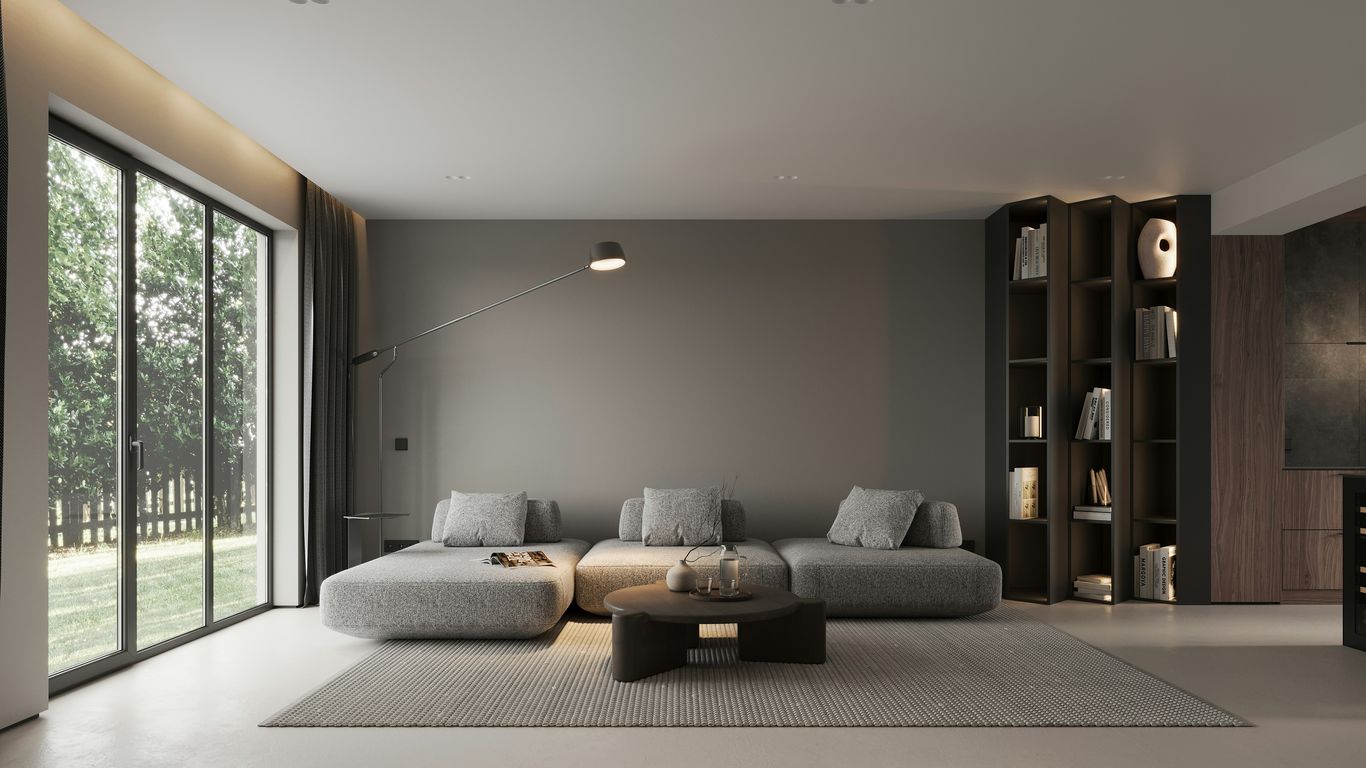
Mirror acrylic is fundamentally a high-quality thermoplastic known as polymethyl methacrylate, or PMMA, which undergoes a vacuum metallization process. This manufacturing method secures a reflective backing layer onto the surface, creating a mirror effect that mimics the brilliance of glass. Unlike traditional mirrors, this product relies on modern chemical engineering to maintain its structural integrity and reflective finish under pressure.
Optical clarity in comparison to glass
While traditional glass is renowned for its crystalline clarity, high-grade reflective acrylic provides impressive optical performance with fewer distortions. It avoids the characteristic green tint often seen in thicker standard glass, resulting in a purer reflection that remains consistent across larger panels. Designers frequently turn to Signature Solitaire Collection concepts in Architectural Leadership to rethink how these materials define a space’s clarity.
Reflectivity performance in residential interiors
Reflectivity in residential settings requires careful placement to boost natural lighting and visual depth. The acrylic sheet reflective properties offer a bright, clear reflection suitable for modern living rooms and hallways. Users often find that these panels provide enough depth to make even the smallest Malaysian apartment feel larger and more open.
Fabrication and customization capabilities
Custom fabrication allows for precise geometric shapes that are difficult to achieve with glass. Technicians can cut the material into exact sizes or custom shapes through methods like laser or CNC routing. You can get custom acrylic solutions by contacting the team, ensuring even the most intricate design requirements are accommodated effectively.
Durability and safety considerations
Safety remains a primary concern for high-traffic environments, particularly where glass might pose a risk during accidental impact. Replacing heavy or brittle materials with modern panels enhances user security without compromising on visual impact. This shift toward using safer modern home decor materials reflects a wider consensus about prioritizing occupant well-being in all Malaysian commercial spaces.
Impact resistance in high-traffic areas
High-traffic areas demand materials that can withstand accidental bumps or rough handling. Acrylic mirrors are significantly more difficult to shatter than traditional glass, making them a preferred choice for schools, busy gymnasiums, and public corridors. The material absorbs energy upon impact, which preserves the structural integrity of the surrounding wall mounting.
Fragmentation characteristics during breakage
When glass breaks, it produces sharp, dangerous shards that pose immediate risks. In comparison, acrylic does not shatter into hazardous pieces, instead, it tends to crack or split in larger, more manageable chunks. This makes it an ideal option for areas where safety, particularly for families and children, is the highest priority for the owner.
Suitability for family-focused commercial retail spaces
Retail environments designed for families benefit from the extra layer of security that these panels provide. They offer a high-shine finish similar to glass, paired with peace of mind during heavy foot traffic. The table below compares the performance of mirror acrylic against standard decorative glass across common retail usage categories.
| Feature | Mirror Acrylic | Decorative Glass |
|---|---|---|
| Impact Strength | High | Low |
| Weight | Lightweight | Heavy |
| Shard Risk | Low | High |
| Customization | High | Moderate |
Selecting the right material ensures the retail space remains attractive and safe for every visitor throughout the day.
Thermal stability in tropical Malaysian environments
Malaysia’s humid, warm conditions can challenge the structural stability of materials, causing some to warp or fade over time. These acrylic products are engineered to withstand ambient heat without significant degradation to their reflective backing. Designers often rely on these stable panels for both indoor and semi-outdoor applications to ensure the installation maintains its aesthetic quality for years.
Weight and installation factors
Moving and mounting large panels requires careful planning, particularly when the structural integrity of walls might be limited. The lightweight nature of these sheets drastically simplifies logistics for designers and contractors alike, reducing the need for heavy-duty reinforcement. These lightweight decorative panels are a practical choice for large-scale interior installations where heavy glass would otherwise prove difficult or too costly to mount.

Advantages of lightweight materials for wall-mount applications
Being much lighter than glass, these panels reduce the load on wall fasteners and anchors. Contractors find that they can install large mirrors without needing complex wall reinforcement or structural metal framing. This ease of use often translates into reduced labor hours on-site, allowing for quicker project turnover for residential boutique fit-outs.
Simplifying structural support requirements for large installations
Large installations often require extensive supporting hardware that detracts from the clean lines of a design. Because of its low mass, mirror acrylic can be installed with simpler hardware, allowing for a sleeker, minimalist aesthetic. It effectively bridges the gap between massive, heavy architectural installations and decorative wall accents.
Adhesive techniques and hardware compatibility for acrylic
Proper attachment is key to a long-lasting finish. Adhesives must be compatible with the acrylic surface to prevent long-term stress crazing. When hardware is used, technicians follow specific guides for the pros and cons of acrylic mirrors to ensure proper spacing and thermal expansion margins are included in the mounting design.
Ease of on-site cutting and adjustment
One of the greatest benefits of this material is how easily it can be adapted on-site when floor plans or measurements change slightly. Skilled workers can make minor modifications or adjustments on the spot without returning the product to the factory. This flexibility provides a substantial advantage during fast-paced construction schedules.
Design flexibility and aesthetic impact
Designers today often have to juggle aesthetic beauty with practical utility in cramped urban spaces. Flexibility defines the modern home decor materials used in current designs, particularly when color tints and finishes can shift a room’s entire mood. This section explores how to effectively integrate and modify surfaces to achieve the desired look.
Creating the illusion of space in urban apartments
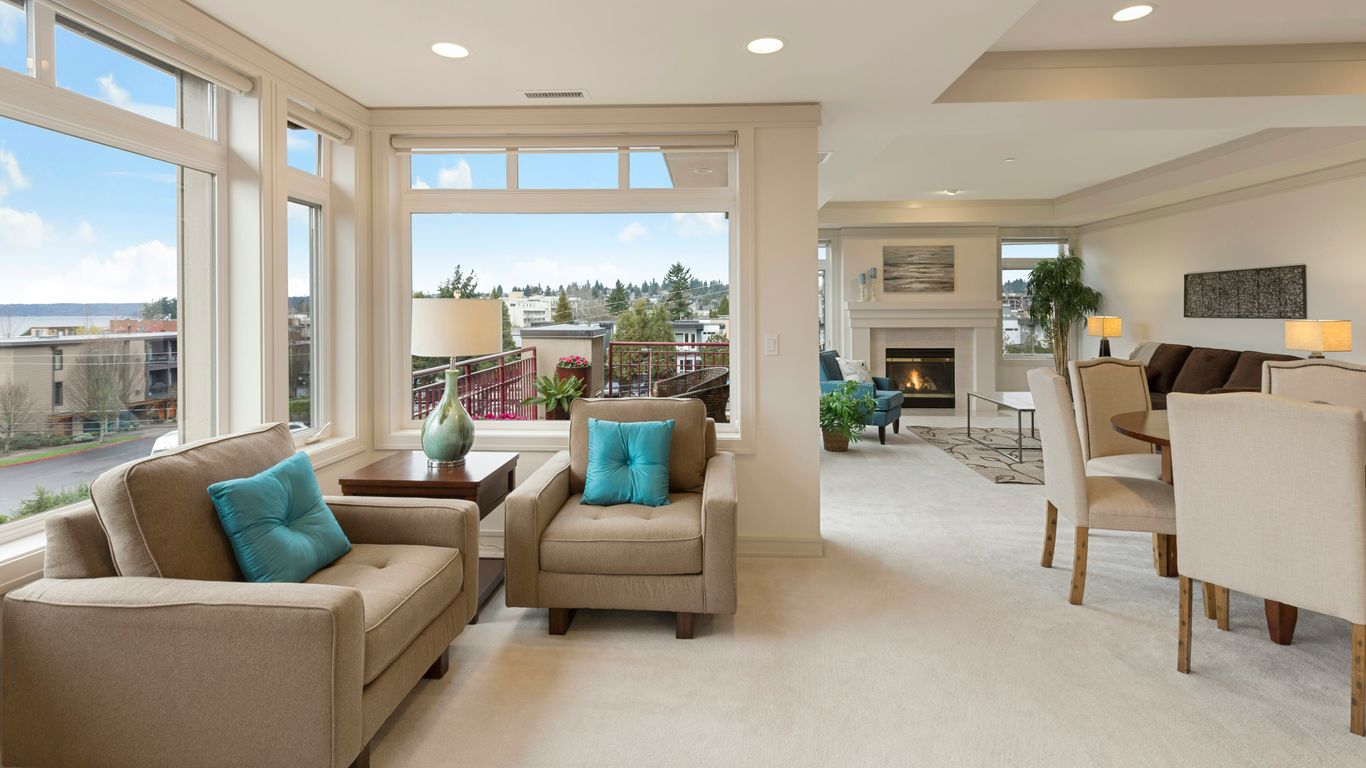
Urban apartments in Malaysia often lack generous square footage, making the use of reflective surfaces essential for visual expansion. Strategically placing mirror acrylic creates an illusion of depth, effectively doubling the apparent size of a room. Designers frequently highlight this technique as a staple for creating larger, brighter, and more inviting interior zones.
Exploring colored and metallic tinted acrylic sheets
Beyond basic silver, designers have access to a broader range of hues for architectural accents. You can find options like rose gold, gold, and various other metallic tints, allowing for more specific thematic palettes. Incorporating these colored sheets allows for tailored designs that perfectly match the interior identity of a home or business.
Integrating mirror acrylic into bespoke residential furniture
Custom furniture design often incorporates reflective panels to add a sense of luxury or sophistication to standard pieces. Designers can embed these sheets into tables, cabinets, or even headboards, ensuring a durable and stunning result. These applications demonstrate the versatility of the material beyond typical wall-mounted mirror use cases, highlighting its utility in high-end design.
Adapting minimalist design trends for modern spaces
Minimalism thrives on clean, uninterrupted surfaces that hold visual interest through quality materials. By using large-format mirror acrylic panels without heavy frames, designers capture a sleek and seamless look suitable for modern architecture. We offer specialized services to ensure every panel integrates into this minimalist aesthetic with precision.
Maintenance and longevity
Maintaining the reflective surface of acrylic requires a clear understanding of its material properties to ensure the lifespan is not compromised. Despite its resilience, the material is prone to certain types of surface imperfections if handled incorrectly. A few essential strategies will help maintain the shine of your installation over many years of continued use.
Best practices for preventing surface scratches
Acrylic is softer than glass, so preventing surface abrasions is critical. Avoid using abrasive sponges or harsh scrubbing tools that can leave permanent micro-scratches. Instead, use soft, non-abrasive microfiber cloths that gently lift dirt without affecting the surface finish.
Recommended cleaning agents and anti-static procedures
Cleaning agents should be mild and non-solvent based to protect the chemical surface. We recommend using plain water with a tiny amount of mild soap or dedicated anti-static cleaners that discourage dust collection. Regularly clearing away particles stops them from grinding into the surface finish during routine dusting.
Managing dust accumulation in non-conductive surfaces
Because acrylic is naturally non-conductive, it can accumulate static charges that attract dust from the air. Using specific anti-static solutions or sprays periodically helps to neutralize the surface charge and minimize the rate of dust accumulation over time. Keeping the air circulating in a room can also contribute to reducing the amount of sedentary particulates that eventually settle on high panels.
Assessing the lifespan of the reflective metallic backing
Longevity primarily depends on keeping the backing intact against internal chemicals or moisture. Avoiding direct exposure to chemicals that could leach into the material is essential, as is maintaining a clean, dry environment behind the panel. When installed under appropriate conditions, the reflective quality stays vibrant for several years, making it a reliable solution for residential decoration.
Cost-benefit analysis for Malaysian projects
Financial planning for interior projects often requires comparing the upfront investment against long-term maintenance needs. While both glass and acrylic have unique price points, analyzing the total lifetime cost reveals significant value in choosing the correct sheet for specific tasks. Consider these economic factors that typically influence purchasing decisions for professional designers in Malaysia.
Comparing initial procurement and logistics costs
Initial procurement of mirror acrylic is often more favorable due to its lower density, which reduces shipping costs significantly compared to heavy glass shipments. Smaller teams can handle the logistics, and the ease of local transit means it reaches the destination with fewer breakage risks. This efficiency at the logistics stage is a significant cost saver for large-scale procurement.
Long-term savings through reduced labor and transport requirements
Labor productivity increases when the team handles lighter, easier-to-cut materials. Since adjustments are simple and transportation is less reliant on careful bracing, builders save dozens of hours on large projects. These savings add up, ensuring that the total project budget remains within reasonable limits during a long-term remodel.
Evaluating the return on investment for commercial boutique designs
Commercial projects, such as high-end boutiques, aim for a specific look that often involves large, dramatic wall installations. The return on investment becomes clear when considering that these materials maintain their beauty with lower cleanup requirements compared to traditional, high-maintenance reflective materials. Durable panels result in less frequent replacement needs, maximizing value over time.
Local procurement trends and industry availability in Malaysia
Availability in the local market has expanded significantly as demand for premium, safe, and versatile materials grows. More providers are carrying diverse stocks of acrylic types, making it easier to acquire exactly what is needed for a specific design project. We are proud of our ongoing commitment to providing reliable solutions for Malaysia’s design and construction community.
Conclusion
Selecting mirror acrylic as an alternative to traditional glass offers a smart balance of aesthetic brilliance, safety, and logistical ease, ensuring your next Malaysian interior project benefits from a durable and stylish material solution.
Frequently Asked Questions
Is mirror acrylic as reflective as actual glass?
It provides a highly accurate reflection that is nearly identical to glass, though it can have slight distortion if the sheet is not mounted perfectly flat on a rigid substrate.
Can I cut these sheets to size at home?
Yes, the material can be cut with standard tools, although using professional laser or CNC equipment is recommended for creating crisp, clean edges on thicker panels.
How should I clean these reflective panels?
Only use soft microfiber cloths and mild, non-solvent cleaners to avoid scratching the surface and to maintain the integrity of the reflective backing.
Does this material withstand outdoor heat in Malaysia?
While it is heat resistant, it is primarily intended for indoor use to prevent long-term environmental degradation caused by excessive UV rays and extreme moisture cycles.
Is it safer than glass for children’s rooms?
Yes, it is much safer because it does not fragment into sharp slivers, which significantly reduces the risk of serious cuts if the panel is ever broken during play.
Can these mirrors be used in bathroom areas?
It is possible to use them in bathrooms, but you must ensure the rear of the panel is properly sealed against chronic moisture to protect the reflective layer from oxidizing.
Why does dust collect on the surface so quickly?
Acrylic is naturally non-conductive and can build up static electricity, which inherently attracts and holds airborne dust particles on the mirror surface.