Key Takeaways
- Mirror acrylic provides an excellent reflective surface with significant weight and safety advantages over traditional glass.
- This material is highly resistant to impact, making it ideal for high-traffic environments where breakage is a concern.
- Customisation through techniques like laser cutting and CNC machining allows for complex, bespoke designs in interior projects.
- The material handles Malaysia’s humid, tropical climate effectively without the common issues of oxidation or silvering seen in traditional glass.
- Businesses benefit from the cost-effective, durable nature of these acrylic solutions, leading to faster installation and reduced long-term maintenance costs.
Understanding mirror acrylic versus silvered glass
Selecting the right reflective material for a project often involves weighing aesthetic desires against practical site conditions. Designers often explore mirror acrylic to achieve a modern, sleek look while overcoming the limitations inherent in traditional silvered glass. Understanding the fundamental material behaviour is paramount for successful implementation in contemporary Malaysian interiors.
Composition and material properties
Unlike traditional glass, which is created by applying a silvering layer to a silica-based surface, mirror acrylic is typically produced by vacuum-metallising a high-quality sheet. This process creates a surface that is both lightweight and relatively flexible compared to rigid, heavy glass panes. This core composition allows for a different structural approach when planning wall-mounted mirrors or decorative accents.
How mirror acrylic mimics the reflective quality of glass
Modern manufacturing has advanced to the point where visual discrepancies are minimal, allowing the material to serve as a high-quality substitute in most architectural settings. Its surface offers a high-clarity reflection that integrates flawlessly into bespoke acrylic furniture designs or luxury displays. While some may worry about distortion, mounting the material onto a truly flat, rigid backing eliminates surface warping and ensures a clean, accurate image across larger panels.
Key physical differences in light transmission and clarity
When evaluating performance, one must compare how light interacts with each substrate. The following table highlights core distinctions:
| Feature | Mirror Acrylic | Silvered Glass |
|---|---|---|
| Weight | Lightweight (typically 50% lighter) | Very Heavy |
| Impact Resistance | High (shatterproof) | Low (prone to cracking) |
| Ease of Cutting | High (cuts with standard tools) | Low (requires specialist processing) |
| Moisture Suitability | Excellent for humid climates | Can develop edge corrosion |
These differences demonstrate why professionals frequently prefer mirror acrylic for projects requiring both safety and structural efficiency.
Safety benefits in residential and commercial design
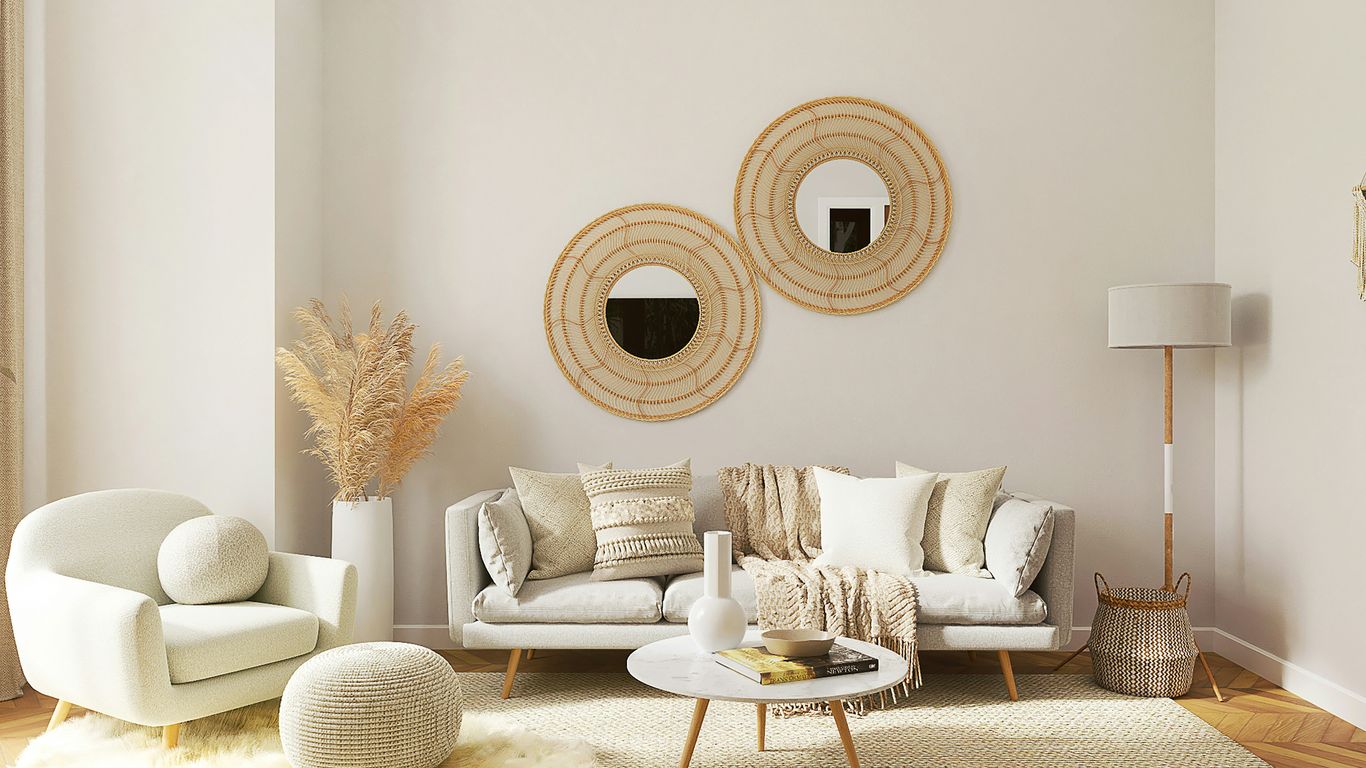
Safety remains a priority in modern architecture, particularly within residential and hospitality sectors. Traditional glass presents a persistent risk of injury if shattered, which is why interior designers are increasingly shifting toward safer acrylic alternatives. By choosing resilient materials, project managers significantly reduce the potential for liability in shared public or family spaces.
Impact resistance and shatterproof qualities
Because of its inherent polymer structure, acrylic stands up to physical force much better than common glass. This shatterproof material choice ensures that even in the unlikely event of high-impact contact, the piece will not break into sharp, dangerous shards. This feature is particularly valuable for interior installations near play areas, gymnasiums, or busy corridors.
Why safety matters in high-traffic commercial spaces
High-traffic environments, such as retail malls or transit hubs, impose unique stresses on decorative elements. These spaces require materials that balance aesthetics with longevity and occupant protection. Utilizing durable materials helps enhance your business image by keeping installations looking pristine while naturally mitigating common safety hazards associated with glass breakage in crowded venues.
Reduced liability and structural requirements for interior projects
By lowering the overall weight of suspended or wall-mounted features, installers can often use simpler mounting hardware. This not only decreases installation time but also removes the heavy structural reinforcements that heavy glass would mandate. It is a practical approach for custom acrylic solutions that balance safety requirements with modern design expectations.
Versatility in fabrication and installation
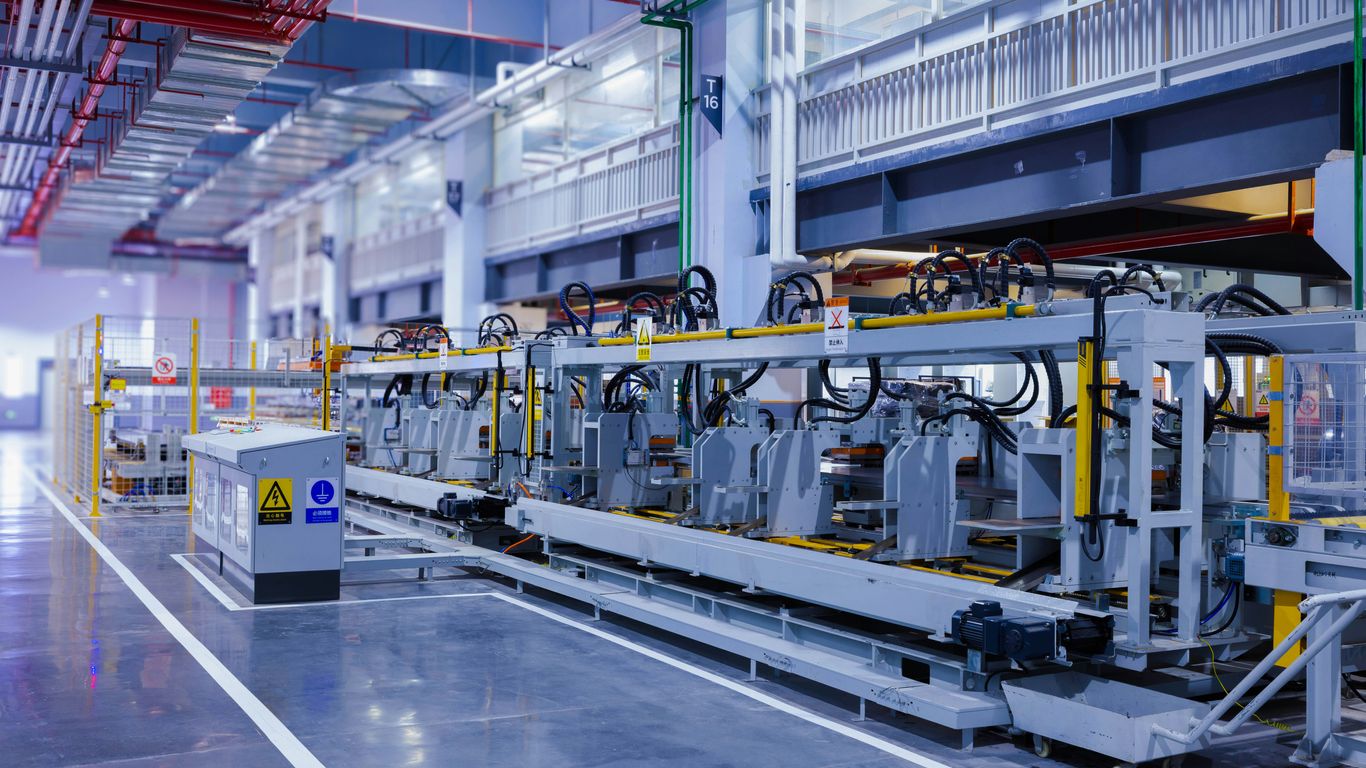
Versatility is perhaps the greatest asset provided by this material, allowing for a wide range of creative expression that glass simply cannot facilitate. Designers can push the boundaries of shape and form without worrying about the brittle nature of traditional materials. Whether for artistic accents or functional partitions, fabrication can be adjusted to suit the specific needs of the modern interior design landscape.
Ease of cutting and CNC machining for bespoke designs
One of the significant advantages for makers and designers is the ability to easily perform precision work on these sheets. You can employ standard methods like laser cutting to achieve complex cuts, intricate edges, or detailed engravings that define custom acrylic sheets and bring unique design visions to life. The process allows for:
- Precise geometric shapes for decorative wall art.
- Cut-outs for mounting fixtures or switches.
- Engraved branding for commercial retail displays.
- Complex, non-linear edge profiles that fit custom niches.
This level of flexibility ensures that any architectural detail can be achieved with high precision and minimal waste.
Weight advantages for ceiling and wall-mounted applications
Weight is a critical factor for any installer working on ceilings, wall systems, or partitions. Because acrylic is significantly lighter than standard glass, workers find it much more ergonomic to manage during the installation process. This reduction in mass makes it easier to achieve dramatic, large-scale displays that might otherwise be impossible or too risky to anchor overhead.
Flexibility for curved surfaces and complex architectural features
While inherently rigid in thick gauges, the material can be thermoformed or subtly bent for installations that require a specific curvature. This capacity allows for the creation of unique, architectural features that hug the walls or follow the fluid lines of a room’s design.
Durability in the Malaysian climate
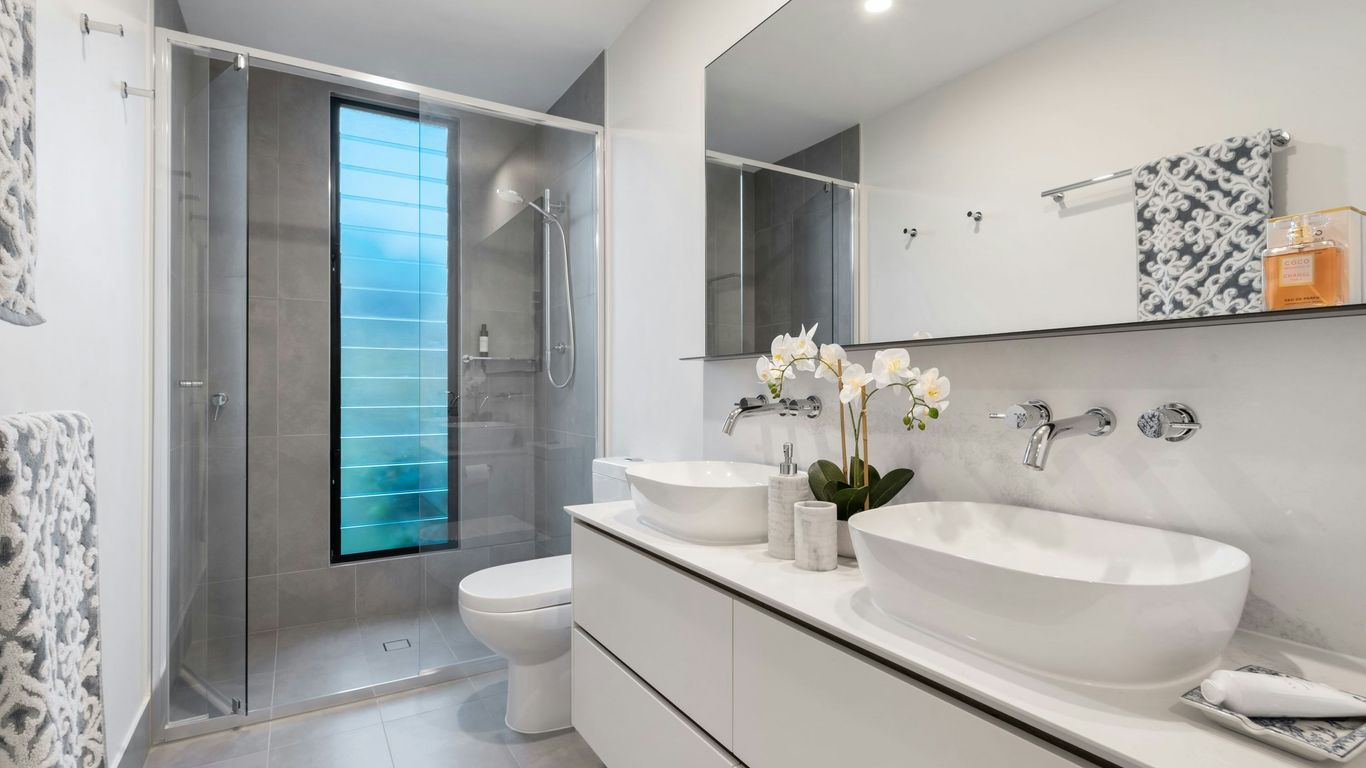
Malaysia’s high humidity and warm temperatures often cause traditional silvered backings on mirrors to degrade over time, leading to unsightly oxidised edges. For long-term projects, selecting materials that inherently resist environmental stress is vital for ensuring professional results. This moisture resistance is a primary driver behind the adoption of modern acrylic panels in kitchens, spas, and bathrooms.
Moisture resistance in humid tropical environments
Acrylic does not suffer from the same moisture-driven deterioration as glass. This stability is critical, especially when installing acrylic components in spaces susceptible to steam and humidity, such as bathroom vanity areas or indoor swimming complexes. The material maintains its physical integrity without the need for constant, specialised environmental sealing.
Preventing silvering and oxidation compared to traditional glass backings
When glass suffers from moisture ingress, the silver layer quickly oxidises, resulting in permanent black spots and clouding. Because mirror acrylic is produced using different technologies, it essentially eliminates the risk of these common maintenance failures. This makes it a reliable choice for long-term investments where appearance needs to remain consistent for many years.
Long-term maintenance and cleaning requirements for professional finishes
Maintenance involves simple, straightforward steps to keep the finish at its best. Periodic wiping with a damp, soft cloth is usually sufficient for residential applications, ensuring that cleaning schedules remain manageable for property managers. By following standard guidelines for handling and care, you can get a quote and move forward with confidence, knowing the surfaces will remain clear for a long time.
Commercial considerations for interior designers
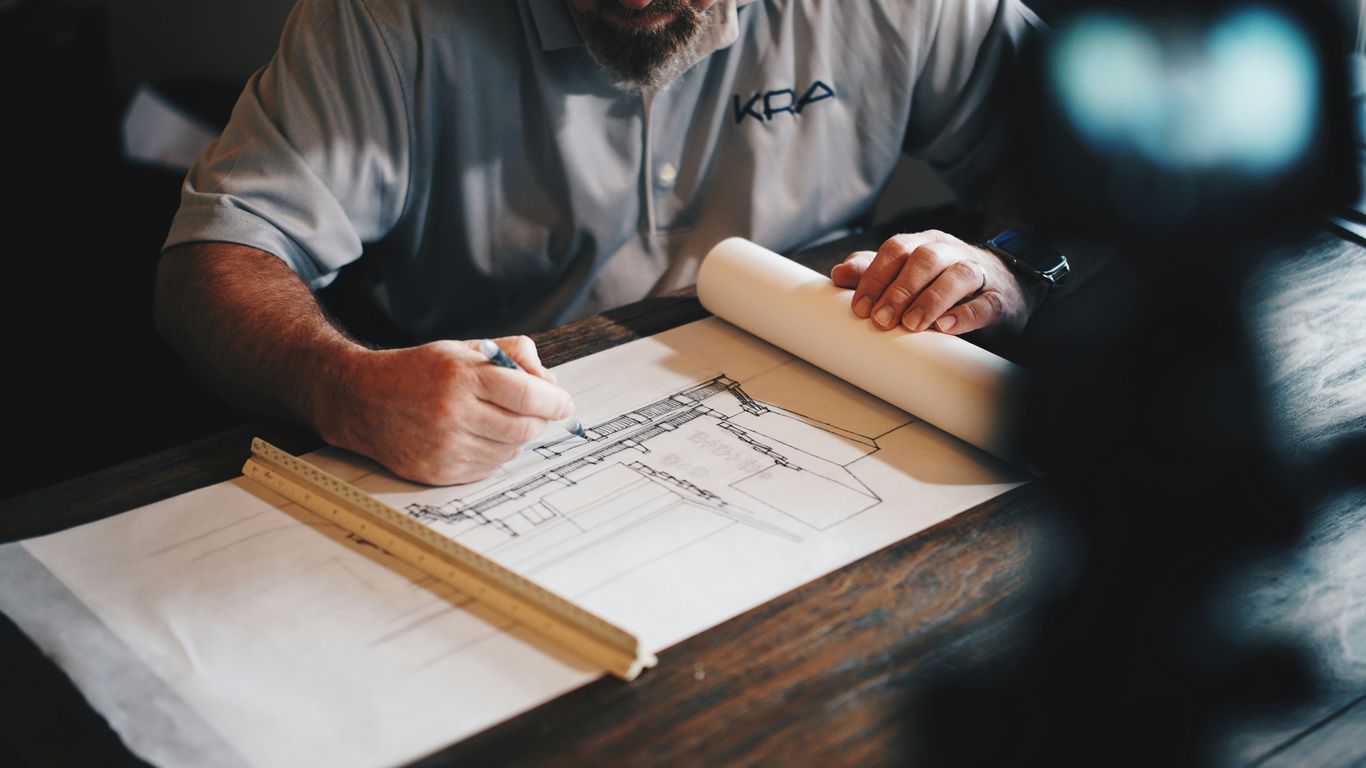
Commercial projects frequently operate on tight schedules and specific budgetary constraints. Designers must consider the total cost of ownership, which includes the physical material, transport, and the labour required to finish the install. Evaluating these logistics often shows that choosing the right material at the start saves significantly later on.
Cost-effectiveness for large-scale retail and hospitality fit-outs
For large-scale retail environments, managing the budget for supplies is vital. Acrylic often proves to be an economical substitute for glass while offering similar visual impact. Its ability to be fabricated in-house or sourced as custom acrylic sheets means that designers can balance creative needs with the financial realities of multi-site rollouts.
Logistics and transport benefits for remote site projects
Transporting heavy glass to remote locations represents a significant logistical risk due to breakage and the need for expensive, crate-heavy packing. Shifting to lightweight acrylic makes shipping more efficient and cost-effective, reducing insurance costs and the potential for replacement delays during critical fit-out phases.
Faster installation turnaround times and labor savings
Because the material is easier to handle, mount, and drill on-site, the overall installation timeline is drastically reduced. This efficiency in labour allows contractors to move to the next phase of the project faster, which is often the most valuable saving for a commercial client operating on a strict opening schedule.
Conclusion
Mirror acrylic offers an indispensable solution for modern Malaysian interior design, harmonising the need for brilliant aesthetics with real-world requirements for safety, structural handling, and environmental endurance. As designers and project managers continue to prioritise efficiency and durable performance, this material stands out as a versatile, low-maintenance alternative to traditional glass that keeps projects on schedule and visually striking.
Frequently Asked Questions
Is mirror acrylic as reflective as glass?
Yes, it provides a high-clarity reflection that is virtually indistinguishable from traditional mirrors in standard indoor applications, provided the material is mounted on a flat, rigid surface.
Can I use mirror acrylic in a bathroom?
It is highly suitable for bathroom environments because it is resistant to moisture and will not suffer from the same oxidation or silvering issues that can affect traditional glass in humid conditions.
How should I clean my acrylic mirror?
Use a soft, damp cloth or a mixture of mild soap and water to gently wipe the surface. Avoid abrasive cleaners or harsh chemicals, which can cause scratches or damage the reflective film.
Is mirror acrylic cheaper than real glass?
While individual pricing varies based on customisation, it often represents a better long-term value due to lower costs associated with transport, installation labour, and significantly reduced breakage during handling.
Can mirror acrylic be cut to custom shapes?
Absolutely, it can be easily cut, routed, and laser-machined into almost any desired shape, making it perfect for bespoke decorative work and complex architectural displays.
Does mirror acrylic shatter like glass?
No, one of its primary safety benefits is that it is highly impact-resistant and will not break into sharp shards, making it a much safer choice for high-traffic areas or spaces used by children.
What are the main limitations of mirror acrylic?
It can be susceptible to surface scratches, so it is best used in vertical wall applications rather than on tabletops or counters, and it requires a flat backing to ensure the reflected image remains perfectly undistorted.