Key Takeaways
Understanding the role of modern accessories like the acrylic tray helps in elevating both residential and commercial spaces. These durable, lightweight items offer a sophisticated blend of form and utility.
- Acrylic trays provide a clear, minimalist aesthetic that complements almost any interior design style.
- High impact resistance and moisture tolerance make these trays superior to glass or wood in hospitality settings.
- Customisation through techniques like laser cutting allows for unique branding and personalised decor accents.
- Regular maintenance ensures these pieces retain their signature clarity and resist surface damage over years of use.
- Proper selection of thickness and size balances visual weight with the practical containment needs of the space.
The rise of acrylic trays in professional and home interiors

Minimalism and the modern aesthetic
The shift toward clean lines and uncluttered spaces has pushed transparent materials to the forefront of contemporary decor. Designers often turn to an acrylic tray for its ability to provide structure without adding visual heaviness to a room. By maintaining a sense of openness, these pieces allow the surrounding furniture and decor to remain the focus of the eye. This approach is highly effective in modernising traditional interiors while maintaining a professional standard.
Visual versatility in diverse interior styles
Whether placed on a dark wood artisan coffee table or a high-gloss white vanity, a clear tray acts as a perfect grounding element. Its neutral transparency bridges the gap between different design languages, ensuring it never clashes with surrounding colours or patterns. The adaptability of custom acrylic solutions allows users to create pieces that feel bespoke to their specific space requirements.
Increasing demand for bespoke home accessories
Consumers are moving away from mass-produced items in favour of bespoke storage solutions that reflect individual personality. Incorporating a personalised touch into day-to-day objects transforms mundane tasks into elevated experiences. This trend has seen a surge in orders for custom fabrication that balances functional utility with high-end aesthetic appeal.
Why choose acrylic over traditional tray materials
Durability and impact resistance
Unlike fragile glass counterparts, acrylic stands up exceptionally well to the rigours of everyday handling. Its impressive strength-to-weight ratio ensures that it does not shatter upon impact, offering a safer alternative for households with children or busy commercial environments. Exploring custom acrylic sheets and fabrication often reveals that this material maintains its integrity far longer than porous wood or delicate stoneware.
Transparency and light dispersion benefits
Acrylic possesses a light transmittance greater than that of most glass types. This clarity creates a sophisticated look that enhances the light within a room, making spaces feel brighter and more vibrant. The material effectively disperses light, adding a subtle glow to whatever items are placed within the tray, which is particularly beneficial for displaying art pieces or stylish desk organisers.
Lightweight handling for hospitality environments
For staff in hotels and cafes, weight is a critical factor during service. An acrylic tray is remarkably lightweight, reducing fatigue when carrying beverages or room service items throughout a shift. This efficiency is critical for maintaining high service standards while ensuring that modern serving dishes remain easy to transport and store between use.
Customisation options for personal branding or décor

Incorporating brand logos and imagery
Personalisation helps reinforce brand identity and creates a memorable impression on guests. Using precise fabrication methods, designers can integrate company logos directly into the material. Consider these primary customisation methods:
- Precision laser etching for subtle, permanent brand text and icons.
- Full-colour UV printing to showcase vibrant patterns or marketing calls to action.
- CNC routing to create unique tray shapes beyond standard squares or rectangles.
- Layered assembly to create multi-coloured or dimensional depth effects.
Introducing colour tints and laser etching
While crystal clear is the default choice for many, adding a subtle colour tint can transform a functional item into a dramatic focal point. These tints can be selected to match specific interior palettes or to highlight a clear display box used for boutique merchandising. Laser etching is frequently applied here to add detailed textures or monograms that elevate the piece from basic to luxury.
Choosing between clear, frosted, and opaque finishes
Each finish offers a distinct mood; clear acrylic provides maximum transparency, while frosted finishes introduce an element of privacy and elegance by diffusing light. Opaque variants are excellent for high-contrast installations where a solid block of colour is required. Selecting the right finish requires evaluating the lighting condition of the environment and the aesthetic goal of the display.
Strategic applications in hotels, cafes, and homes

Enhancing hotel room service presentation
In the luxury sector, the details of the presentation are paramount. A pristine tray provides a clean surface for water carafes, coffee sets, or welcome treats. By choosing custom acrylic solutions, hotels can ensure these items align perfectly with their brand aesthetic, providing guests with a professional, refined experience from the moment they arrive.
Organising cafe condiments and beverage displays
Efficiency in a cafe often relies on well-managed decorative countertop holders. Trays allow staff to keep napkins, sugar packets, and syrup bottles neatly corralled. This organisation not only looks better but also speeds up refill times during busy periods, demonstrating that custom acrylic solutions can improve operational workflows significantly.
Elevating home storage and bedroom vanity setups
In a home setting, a tray acts as a stylish anchor for toiletries, perfume bottles, or jewellery. Utilizing these for organisation helps prevent clutter from pooling on flat surfaces. Integrating these organisers alongside modern serving dishes creates a cohesive look that blends functional storage with gallery-style display techniques.
Maintenance and care for long-lasting clarity
Best practices for cleaning acrylic surfaces
Keeping acrylic clean is straightforward if the right products are used. Always employ a soft, damp microfiber cloth and a mild soap solution to wipe the surface. Avoiding harsh ammonia-based cleaners is essential to preventing surface clouding or micro-cracking over time.
Preventing surface scratches and scuffs
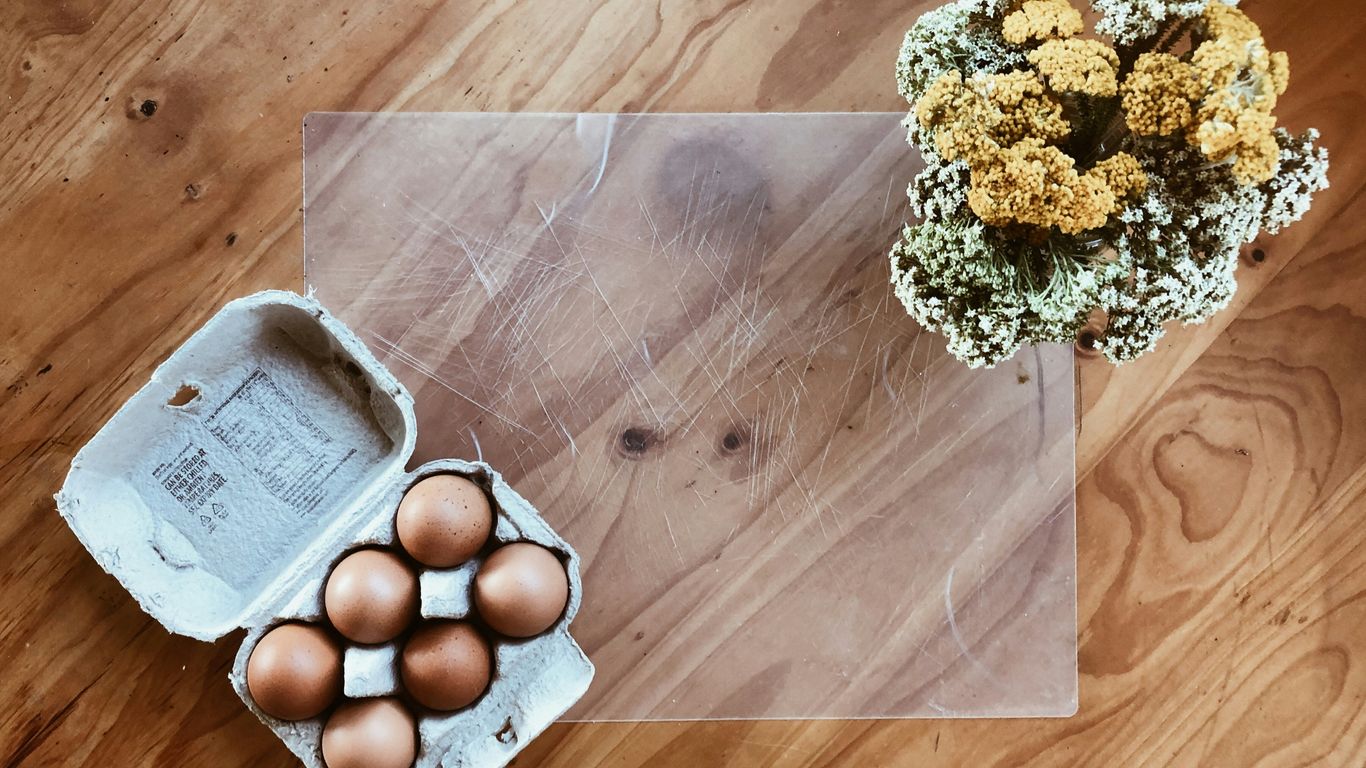
While durable, acrylic is susceptible to fine surface scratches if it comes into contact with abrasive materials. Using felt or rubber feet on the bottom of the tray protects both the furniture it rests on and the tray itself. If a professional finish needs restoration, simple buffing compounds can often restore the original high-gloss sheen.
Managing static and dust accumulation
Acrylic surfaces can attract static, which in turn gathers dust. An effective strategy is applying an anti-static cleaner during routine wiping. This preventative step keeps the tray looking pristine for longer intervals between cleanings, maintaining its clear, high-end appearance perfectly.
Selecting the right dimensions and thickness
Evaluating weight capacity requirements for heavy use
Capacity needs vary based on what the tray is intended to support. For heavy items like metal beverage sets or dense books, opting for thicker grades of acrylic provides the necessary rigidity and structural support to prevent bending.
| Tray Component | Thickness Range | Ideal Usage Case |
|---|---|---|
| Base Plate | 5mm – 8mm | Heavy display and service |
| Vertical Sides | 3mm – 5mm | Standard amenity organisation |
| Decorative Handles | 10mm+ | Frequent lifting or manual service |
Selecting thicker plates ensures your custom acrylic solutions remain stable under weight while adding a luxurious, substantial feel to the display.
Choosing tray depth for optimal spill containment
Depth selection balances the need for security against the ease of interior access. For beverage service, a deeper lip is recommended to ensure stability if liquids are bumped. Conversely, flatter trays are better suited for flat items like stationary or promotional mailers.
Considering grip and handle comfort designs
Ergonomics play a vital role in usability, especially in fast-paced commercial settings. Handles should be smooth, appropriately sized, and integrated seamlessly into the structure. Finding a trusted fabrication partner can help you design comfortable grips that ensure the tray feels balanced in the hand when full.
Conclusion
Investing in quality acrylic trays brings a seamless blend of modern clarity and industrial practicality into your environment. From the hotels that use them to streamline room service to the homes that rely on them for elegant organisation, these versatile pieces serve as a testament to the power of thoughtful design. By selecting the correct thickness and finish, you create a lasting accessory that adapts effortlessly to shifting trends while providing utility that stands the test of time.
Frequently Asked Questions
Is it easy to repair surface scratches on my tray?
Minor superficial scratches can often be buffed out using a dedicated plastic polish and a soft cloth, helping to restore the original finish of the material.
Can I wash my acrylic tray in a dishwasher?
No, dishwasher heat and harsh chemical detergents will damage the surface of the acrylic, causing it to crack or cloud over time, so hand washing is always recommended.
How does acrylic handle extreme temperature changes?
Acrylic is stable within normal room temperature ranges, though it should be kept away from direct high heat sources like stovetops or open flames to prevent warping.
Will the colour of my tray fade over time?
High-quality acrylic is naturally resistant to UV light and oxidation, meaning a clear tray will typically maintain its transparency without yellowing for many years.
What is the advantage of using thicker acrylic?
Thicker material offers higher structural rigidity and weight-bearing capacity, making it feel more premium and durable for heavy or frequent daily usage.
Are these trays suitable for outdoor settings?
While acrylic is weather-resistant, it can be scratched by outdoor debris or shifted by high winds, so it is best used in protected patio or veranda areas.
How do I prevent dust from sticking to the surface?
You can reduce dust and static accumulation by using an anti-static spray during your routine cleaning cycle, which helps the surface stay clean much longer.