Key Takeaways
Indoor acrylic signage provides a versatile, durable, and modern solution for businesses aiming to enhance their brand presence across various interior applications. By selecting the right mounting, design, and customization options, companies can create professional displays that leave a lasting impression.
- Acrylic material offers superior clarity and a polished look compared to traditional signage materials.
- Effective design requires balancing visual hierarchy with negative space to ensure clear brand communication.
- Proper mounting hardware, including standoffs and cable systems, can elevate simple signage into architectural focal points.
- Consistent cleaning and maintenance using non-abrasive techniques ensure the long-term longevity of high-traffic displays.
- Customisation capabilities, such as backlighting and UV printing, allow businesses to tailor signs specifically to their environment.
The benefits of indoor acrylic signage for modern businesses
Businesses seeking a contemporary touch often turn to high-quality display options to communicate their identity effectively. Modern interior spaces rely on materials that blend durability with a refined aesthetic appeal. By opting for bespoke custom acrylic sheets, firms can ensure their brand remains visible and memorable. This material provides a sophisticated alternative to traditional substrates, offering significant value for offices, retail stores, and clinical settings alike.
Superior clarity and professional aesthetic
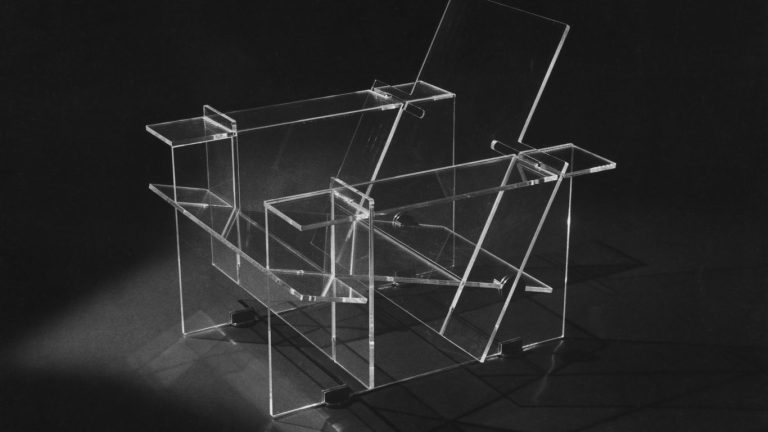
The inherent transparency of high-grade acrylic allows for a glass-like finish that elevates any corporate environment. Unlike standard materials that may yellow or degrade, durable acrylic maintains its optical brilliance, making it an excellent choice for logos and identity markers. When paired with modern printing technology, the result is a crisp, professional look that commands attention without overpowering the space.
Versatile installation for varied interior surfaces
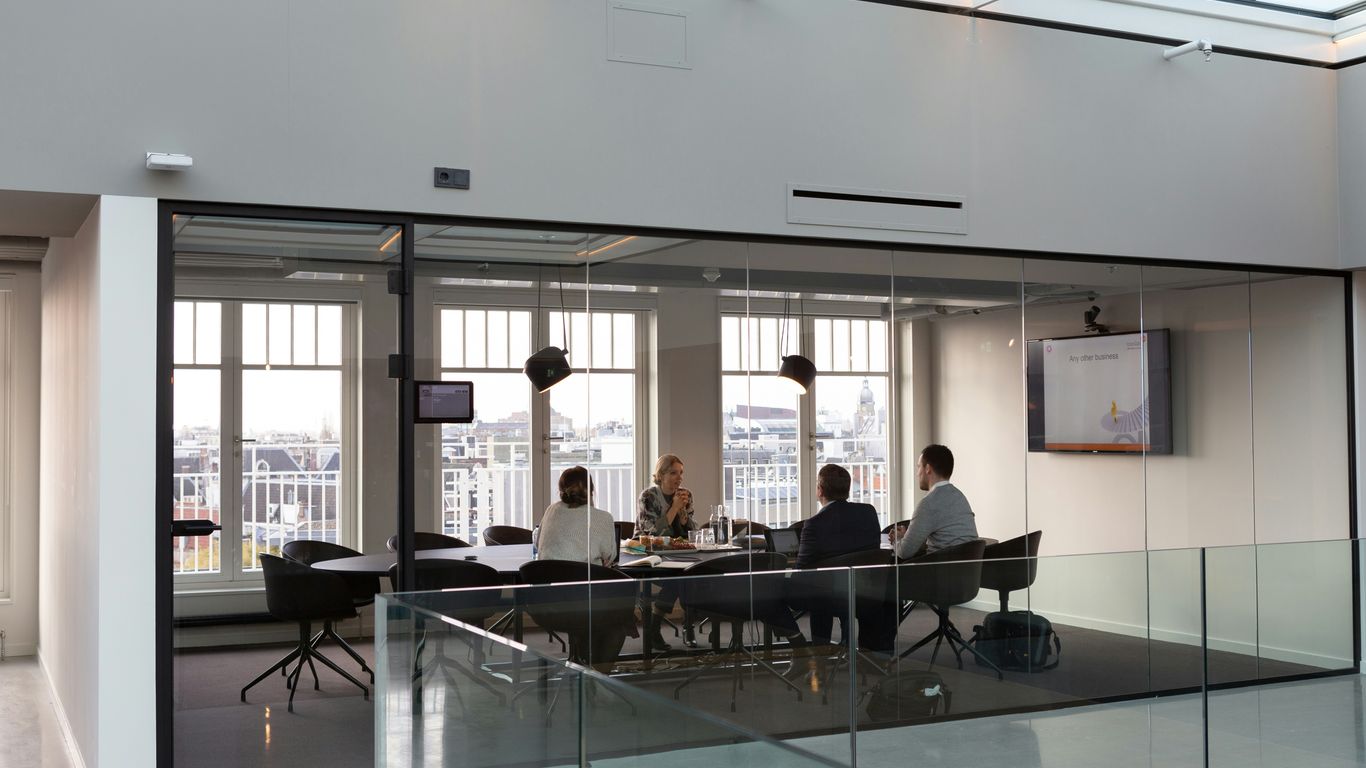
Whether mounted onto drywall, glass partitions, or wood paneling, acrylic signage adapts fluidly to different surfaces. This flexibility allows for creative office wall ideas that integrate seamlessly with existing architecture. Designers can specify varied thicknesses and finishes to ensure that weight and size requirements are met while maintaining a secure, long-lasting installation.
Durability in high-traffic commercial spaces
In busy corridors or retail entryways, signs face constant environmental stress, making resilience a primary concern. Acrylic is inherently shatter-resistant and lightweight, significantly outperforming fragile glass alternatives in high-dwell areas. Its structural integrity ensures that even with daily exposure to high-traffic movement, the display remains pristine, reducing the need for frequent replacements.
Design strategies for effective indoor acrylic signage
Designing a successful sign involves more than just aesthetics; it requires an intentional approach to how a viewer processes information. When layout and messaging work in harmony, the final output becomes an extension of the brand’s unique voice. Businesses can use impactful 3D signage to guide customers, ensuring the space feels both organized and branded. Careful planning of these elements, as demonstrated in our comparison below, is essential for professional results.
| Design Element | Strategic Purpose | Visual Impact |
|---|---|---|
| Negative Space | Avoids clutter | High clarity |
| Visual Hierarchy | Directs attention | Improves flow |
| Typography | Sets tone | Enhances readability |

Leveraging visual hierarchy for clear brand messaging
Visual hierarchy identifies which parts of a sign a visitor should see first. By varying font weight, color, and size across a clear acrylic backdrop, designers lead the eye naturally toward critical information, such as company names or wayfinding directions. This approach minimizes visual noise and ensures that the core brand message is captured instantly by the reader.
Balancing text density and negative space
Overcrowding a sign with too much information often dilutes its impact, leading to confusion. Effective interior signage relies on a generous use of negative space, allowing the typography to breathe and preventing the user from feeling overwhelmed. This balance is crucial for maintaining a clean, modern aesthetic that feels intentional rather than utilitarian.
Selecting typography for aesthetic impact and readability
Typography should align with the brand’s positioning while never sacrificing utility. A font that is overly decorative may look impressive but often fails the test of legibility under varying lighting conditions. By fabricating precise signage with professional techniques, businesses can ensure that even intricate typefaces remain sharp and readable, providing a sophisticated overall impression.
Selecting the perfect mounting hardware
Hardware plays an underestimated role in the overall presentation of any wall-mounted sign. Choosing the right mechanism not only affects the aesthetic outcome but also dictates the longevity of the installation. Proper selection ensures your signage stays secure while adhering to structural guidelines.
Standoff mounts for a 3D architectural look
Standoff mounts offer a popular way to lift a sign away from the wall, creating a dramatic, suspended effect that catches the light beautifully. This setup provides an architectural depth which is perfect for reception areas or feature walls in a corporate lobby. It allows for shadow play, adding an extra dimension to standard branding.
Low-profile adhesive solutions for flush finishes
For areas requiring a sleek, minimalist look, low-profile adhesives or concealed fasteners are often the best choice. These allow the acrylic panel to sit flush against the wall, minimizing depth while still offering a high level of security. This method is particularly effective for informational signage in hallways where wall clearances are narrow.
Suspended cable systems for display flexibility
Cable systems provide a dynamic solution that allows signage to be hung in open spaces or near windows without blocking views. These systems are highly adaptable, making them a go-to for modern commercial branding where layouts may change seasonally. Their lightweight appearance contrasts well with the rigidity of acrylic, creating a balanced visual harmony.
Tailoring signage to your specific environment
Every environment demands a unique approach to branding, whether it is a high-energy retail store or a quiet, professional medical office. Identifying the goal for each space—be it navigation or engagement—is the first step toward a functional display. We should prioritize professional acrylic solutions that match the mood and operational needs of the site.
Professional branding and wayfinding for office lobbies
Lobby signage is typically the first point of contact between a client and a brand, so it must convey authority and stability. Wayfinding should be intuitive and clear, using consistent color coding and icons to guide people through large complexes. Proper placement and sizing make navigating these spaces effortless for first-time visitors.
Promotional impact and product focus for retail shops
Retail environments use signs to highlight special offers, seasonal campaigns, and new inventory. Strategic implementation in these high-turnover spaces can significantly influence buyer behavior. Consider the following types of retail displays:
- Countertop stands for impulse buys at the point of purchase.
- Tiered risers to create visual elevation for small products.
- Wall-mounted clear panels for brand logos and hero messaging.
- Modular shelving displays that can be adjusted for new inventory.
These versatile tools allow shops to stay active and relevant without needing custom fixtures for each new promotion.
Clarity and calm in clinical and healthcare settings
Clinical signage must prioritize accessibility and information hierarchy to reduce patient anxiety. Clear, legible fonts with high-contrast backing are essential for navigating hospital corridors or doctor’s offices where quick information delivery is critical. Using soft, neutral tones can help maintain a sense of calm and professionalism in high-stress environments.
Customisation options for a unique brand identity
When standard solutions don’t quite fit the brief, customization brings the brand’s identity to life. By selecting specialized base materials, you can create a sign that stands apart from standard corporate displays. Through custom acrylic fabrication, businesses can achieve highly distinctive results that align with their exact requirements.
Choosing between frosted, clear, and coloured acrylic bases
The base material sets the stage for the entire sign’s look. Clear acrylic offers a bright, modern feel, whereas frosted finishes provide an elegant, matte texture that reduces unwanted glare. For a bold look, coloured or opaque bases allow the brand to bleed into the material itself, ensuring brand compliance without the need for additional layers.
Utilising vinyl lettering versus full-colour UV printing
Vinyl lettering is a classic choice for clean, crisp typography that can be replaced as branding evolves. Conversely, UV printing allows for intricate logos, gradients, and a fuller spectrum of colors bonded directly to the acrylic surface. This technology offers a smoother, more durable finish that resists peeling and environmental degradation over time.
Integrating backlighting for high-visibility displays
Backlighting adds a layer of depth that keeps the branding visible 24/7, making it an ideal choice for internal signage where low light might hinder readability. Using integrated LEDs behind a panel creates a soft, luminous glow, helping the sign pop and reinforcing brand authority in dim areas of an office or retail space.
Care and maintenance for long-lasting displays
Even the highest quality acrylic needs thoughtful care to stay clear and pristine for years. Establishing a basic maintenance routine is simple, provided you use the right materials. Regular upkeep prevents the accumulation of dust and fingerprints, keeping your investment looking sharp.
Cleaning techniques to prevent scratching
Never use harsh chemicals like window cleaners with ammonia on your acrylic panels, as these can cloud or craze the material. Instead, use a soft, damp lint-free cloth and mild soapy water to remove surface dust. Gently buffing with a dry microfiber cloth ensures it remains shiny without leaving behind micro-scratches.
Mitigating surface wear in busy environments
In corridors where people might lean against walls or touch signs, place displays high enough to discourage casual contact. By choosing thicker material grades, you also increase structural resilience against accidental impacts. If a piece is located in an area with high physical flow, consider adding protective barriers or choosing polished, rounded edges to reduce snag risks.
Best practices for handling and re-installation
When it comes time to move or update signage, handle the panels by the edges to avoid transferring oils from your hands onto the face. Use appropriate tools to loosen standoffs or mounts, and ensure that all fasteners are stored carefully. If you are ever unsure about re-installation, especially with complex lighting, it is best to consult with professionals who understand acrylic material properties.
Conclusion
Investing in quality indoor acrylic signage transforms your workspace into a cohesive, branded environment that clients and employees alike will appreciate. By focusing on smart design, secure installation, and thoughtful maintenance, you ensure that your signage remains an effective tool for your business for years to come. Whether you need simple wayfinding or an elaborate logo display, the flexibility of acrylic allows you to achieve a durable and professional result that communicates your brand’s unique character.
Frequently Asked Questions
Is acrylic signage suitable for indoor offices?
Yes, acrylic is a primary choice for indoor office spaces because it is lightweight, visually versatile, and easy to mount on standard interior wall structures without requiring heavy reinforcement.
How thick should acrylic signs be for a professional finish?
Typically, a thickness of 3mm to 6mm is standard for indoor signage, as it provides a good balance between structural rigidity and a sleek appearance without adding too much weight to the mounting system.
Can I use my own design for custom signage?
Most providers allow you to upload vector files, which ensure that your text and logos remain sharp and accurate during the printing or laser-cutting process. It is generally recommended to provide high-resolution files to avoid pixelation.
How do I prevent fingerprints on my signage?
To minimize the appearance of fingerprints, consider opting for a frosted or matte finish, which is significantly more resistant to oils from skin contact compared to high-gloss or clear variants.
What makes acrylic different from glass signage?
Acrylic is more shatter-resistant, significantly lighter, and easier to cut into custom shapes than glass, making it a safer and more cost-effective option for many indoor commercial environments.
Can acrylic signs be upgraded with lighting later?
While some signage can have light sources added after the fact, it is usually more effective to integrate the lighting and the wiring during the initial design phase to ensure the result is elegant and hidden from view.
Is there a specific cleaning agent I should avoid?
Avoid any cleaners that contain ammonia or strong solvents, as these will eventually crack and cloud the acrylic surface; a mixture of mild soap and lukewarm water is always the safest approach for long-term care.