Key Takeaways
Creating premium recognition pieces requires thoughtful design to ensure the final product reflects the significance of the achievement. These strategies help you craft professional and memorable awards.
- Prioritize clarity and material quality to ensure a premium look.
- Use custom engraving processes to add personal touches.
- Apply multi-layered construction to create optical depth.
- Integrate contrasting materials for enhanced visual interest.
- Balance geometric shapes with modern fabrication precision.
1. Minimalist floating block design
Minimalist floating block designs rely on the intrinsic clarity of high-grade acrylic to create an understated, modern aesthetic. By utilizing thick, clear panels, the award appears to hover above the surface, drawing the focus entirely to the etched details within. This approach often highlights the purity of the material, making it a popular choice for modern awards design.
When light passes through these solid blocks, it creates a subtle refraction that adds a sense of weight and quality without the need for additional ornamentation. This technique ensures that the focus remains on the recipient and the specific milestone being celebrated. Designers often employ precisely placed stand-offs to emphasize the separation from the base.
Achieving this look requires careful polishing of every edge to a glass-like finish. When the edges are treated with high-clarity finishing techniques, the block becomes a window into the engraved text. This simplicity makes it a timeless option for corporate events that value elegance over extravagance.
2. Tiered clear pedestal style
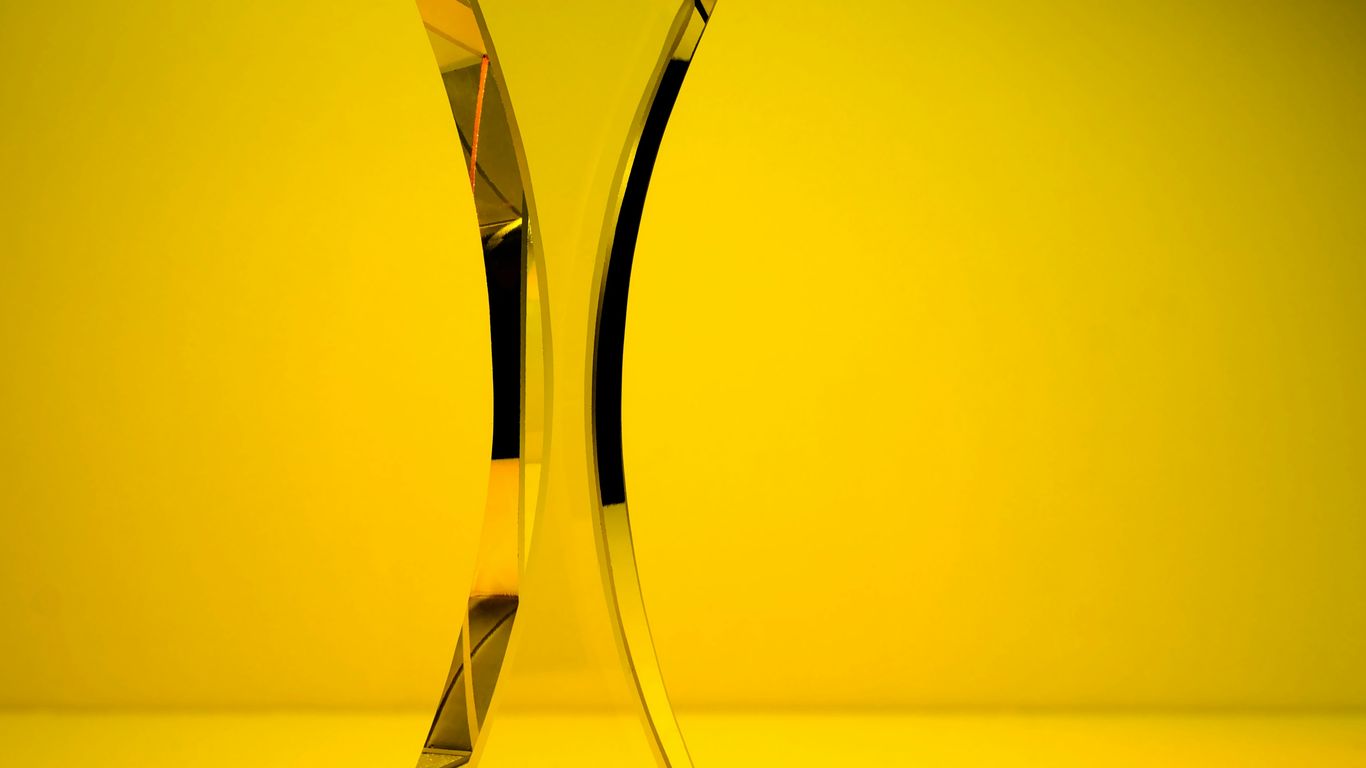
Tiered clear pedestal styles add dimension to an award by elevating sections into distinct vertical levels. This layering technique transforms a simple trophy into a sophisticated display piece that captures attention from every angle. It effectively utilizes the transparency of material to build height and presence while maintaining an open overall profile.
These designs often serve to create a visual hierarchy, where the most important information rests on the top tier. By varying the height and width of each tier, artists can create a sense of motion or structural stability. This method is particularly effective for multi-category awards where differentiation between levels is necessary.
Creating a tiered look involves precision bonding of various acrylic sections. When performed correctly, the seams remain almost invisible, maintaining the illusion of a single, continuous piece of sculpted material. The result is a sculptural object that balances functional design with visual grace.
3. Vivid edge-lit acrylic base
Edge-lit bases utilize light diffusion to illuminate the entire structure from the bottom up. By installing a small LED path within or immediately beneath the base, the light travels through the material and catches every detail of the engraved acrylic plaques, creating a soft, glowing effect. This is an excellent way to ensure the award remains visible in low-light banquet settings.
This lighting approach requires specific material qualities to ensure the glow is uniform throughout the piece. Choosing the right thickness of the base is essential to house the lighting components discreetly while maintaining a sleek, low-profile footprint. The contrast between the dark environment and the glowing award makes the recognition moment truly stand out.
Integration with the power source must be seamless to keep the design clean and portable. Professional fabrication allows for battery-operated bases that avoid unsightly cords, ensuring the award remains functional for desk display. When paired with a polished finish, the light dispersion enhances both the branding and the custom design elements.
4. Embedded high-definition metal inserts
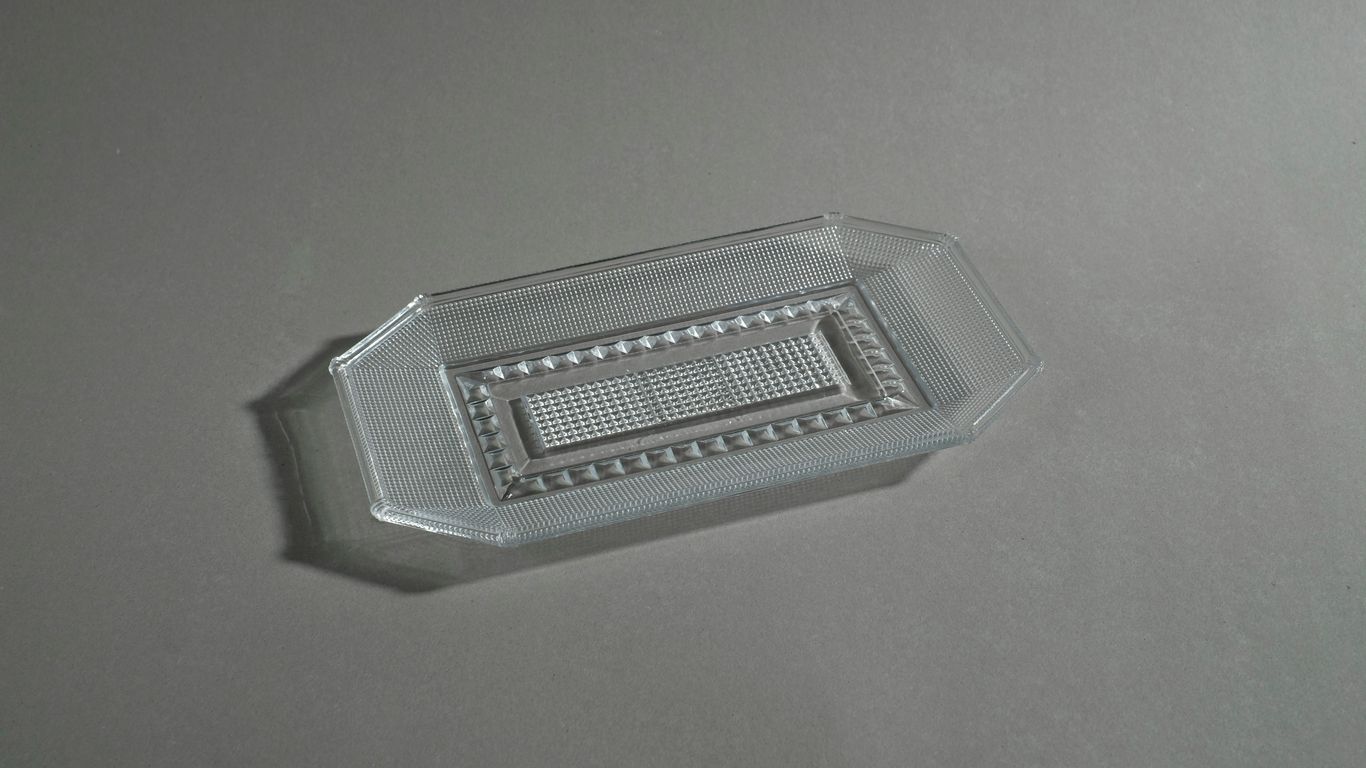
Embedding metal elements within a clear acrylic shell provides a powerful visual contrast that hints at luxury and institutional weight. This process involves casting an insert—such as a logo or a commemorative coin—directly inside the material, protecting it indefinitely while allowing it to be viewed from multiple angles. It is a highly effective way to create unique, high-quality corporate awards for long-term service programs.
These inserts provide substantial branding opportunities. Because the metal is physically captured inside, it creates a clean, dust-free presentation that lasts for decades. The interaction between the metallic sheen and the surrounding acrylic produces highlights that change as the recipient moves the piece.
| Feature | Benefit | Material Note |
|---|---|---|
| Metal Insert | High-impact branding | Precision cut brass |
| Clear Acrylic | Optical clarity | High-grade casting |
| Sealed Perimeter | Dust protection | Hand-buffed edges |
This specific manufacturing technique ensures the branding remains permanent and scratch-resistant. By utilizing these materials together, the final piece gains a significant tactile quality that is often lacking in simpler, flat-panel awards.
5. Sculptural geometric laser-cut shapes
Sculptural geometric shapes capitalize on the precision of automated fabrication to create complex silhouettes that defy traditional square or rectangle forms. By using advanced laser cutting technology, these trophies can feature intricate angles and structural cutouts that reflect modern design trends. This process transforms flat sheets into dynamic three-dimensional art.
Designers can utilize negative space as a fundamental component of the visual experience. By strategically removing material, the award creates an interplay of light and shadow, making it interesting from every side. This is particularly useful for events looking to move away from conventional plaques to something more avant-garde.
These designs allow for exceptional freedom in custom prototyping. Since the design is digital, it can be adjusted to match various brand identities before production begins. The clean lines achieved through lasers mean that even complex, sharp angles maintain a professional, finished look.
6. Reverse-engraved shadow depth effects
Reverse engraving involves carving the design into the back of an acrylic panel rather than the front. When viewed from the front, the laser-etched area is mirrored and magnified by the thickness of the material, creating a deep, floating image effect. This technique is often used to make text and logos feel substantial and deeply embedded within the medium.
This depth gives the piece a much more sophisticated appearance, as the design seems to hover inside the surface itself. By adding a matte or dark backing to the rear of the engraved area, you can make the white-frosted effect of the laser work pop significantly against the background. It effectively prevents the design from being obscured by surface scratches.
Refinement in the depth of the cut is crucial to managing how the image is refracted. Slight adjustments can control how the light is held within the etch, allowing for high-contrast results. This method is a staple for those seeking a premium feel for their bespoke acrylic trophies.
7. Multi-layered structural stacking
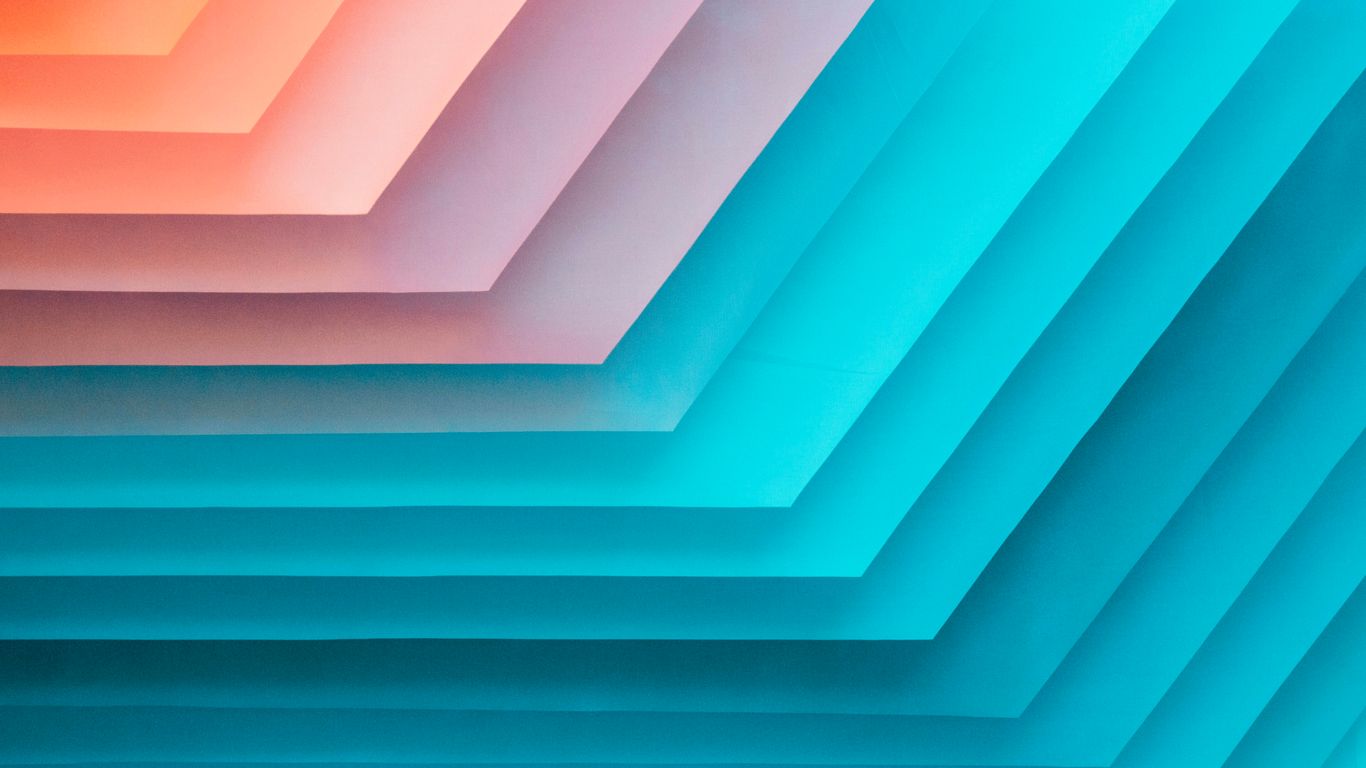
Multi-layered stacking involves layering different sheets—often in clear, frosted, or coloured variations—to create a complex depth that is impossible to achieve with a single layer. This technique can build a dynamic profile that shifts as the viewer moves around the object. It turns a standard award into a miniature monument of personal achievement.
Artists often combine different thicknesses to emphasize specific sections of the trophy. For example, a base layer of thick black acrylic can support a series of thin, clear layers that carry the messaging. This hierarchical approach guides the eye through the various components of the award systematically.
- Bottom layer: Provides stability and anchor colour.
- Middle layers: Add visual complexity and depth.
- Top layer: Acts as the clear surface for critical information.
- Final assembly: Hand-polishing ensures seamless integration.
This structural method also makes it easier to replace specific elements during a large-scale reorder process or when transitioning to a new awards season. By maintaining the base layer uniform, the aesthetic consistency remains intact regardless of the specific award tier.
8. Contrasting coloured acrylic accents
Contrasting coloured accents utilize the versatility of acrylic pigments to draw attention to specific parts of the award structure. By incorporating a thin slice of bold red, blue, or metallic-tinted acrylic between clear layers, the edge of the award becomes a focal point itself. This adds a level of visual interest that makes a simple design feel highly custom.
This approach works best when the accents align with corporate brand guidelines. Integrating subtle color strokes can reinforce a company’s identity without overwhelming the message or the recipient’s name. It demonstrates a high level of design sophistication that sets the award apart from standard clear products.
Fabricating these pieces requires precision alignment of the various colored sheets. The transition between the primary clear elements and the accent colors must be clean to maintain the integrity of the light path. When executed correctly, the colored accent appears to "glow" from the inside out.
9. Polished silver and clear fusion
Combining polished silver details with crystal-clear panels offers a refined aesthetic reminiscent of high-end jewelry design. The silver elements, whether they are metallic stand-offs, reflective backings, or inlaid metal badges, provide a luxurious sheen that complements the transparency of the acrylic. This fusion is ideal for high-level recognition during formal awards galas.
These pieces often utilize mirror-backed materials to double the apparent depth of the award. The silver acts as a background that forces the eye to focus on the clarity of the foregrounded messaging. This creates a balance between material transparency and reflective brightness.
Maintaining these awards requires careful polishing of the silver surfaces to prevent oxidation and fingerprinting. When treated properly, they maintain their luster over years of display. This combination is particularly valued in corporate environments that prioritize a professional, executive appearance.
10. Framed floating glass-look acrylic
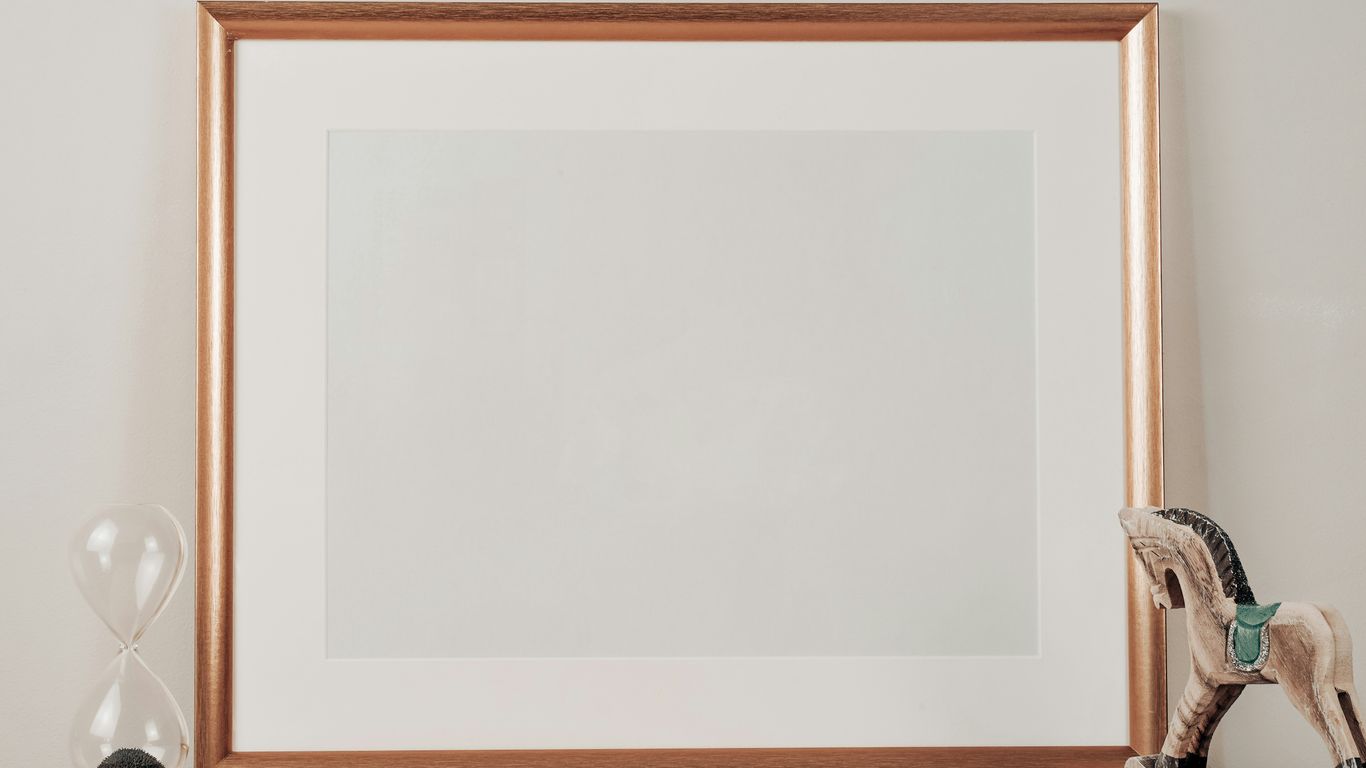
Framed floating designs replicate the appearance of expensive glass enclosures by nesting an acrylic sheet within a secondary frame. This setup creates the impression that the award is suspended in air, free from gravity, which adds a sense of light and sophistication to any desk. The frame provides the structural durability of a traditional trophy while maximizing the visual impact of the internal acrylic surface.
This design is excellent for displaying certificates or complex logos that need protection. The frame can be finished in various materials—from metallic woods to brushed steels—allowing for a tailor-made look that fits the recipient’s personal style. It effectively elevates the status of the award by placing it in a professional, gallery-style enclosure.
This approach also offers practical benefits for long-term maintenance. Should the internal piece ever need to be swapped or updated, the surrounding frame allows for easier disassembly compared to solid-cast block awards. This modularity makes it a highly sustainable option for annual recognition programs.
11. Brushed metallic backing contrast
Brushed metallic backings serve as a neutral, high-contrast canvas that allows crisp, white-frosted engravings to shine. By mounting a clear acrylic front onto a brushed steel or aluminum backing, the design gains a professional, industrial look that highlights the precision of the engraving. This combination is incredibly durable and lends an air of permanence to the premium acrylic awards being presented.
This layering allows for the mix of organic and clean, industrial textures. The clear acrylic catches light, while the brushed metal provides a non-reflective, steady background that ensures readability. It is a classic choice for performance-based awards where clear internal documentation is paramount.
When choosing this style, consider how the mounting hardware influences the total design. Visible metal fasteners can add to the industrial aesthetic, while hidden options create a cleaner, more minimalist silhouette. Both options provide a stable, long-lasting structure for workplace display.
12. Fluid organic freeform edges
Fluid organic edges move away from standard straight lines and rigid geometry to embrace the natural, flowing properties of acrylic. Laser tools can cut rounded, amorphous shapes that mimic the look of flowing water or hand-carved stone. This creates a soft, approachable aesthetic that feels more personal and less "corporate" than traditional sharp-edged trophies.
These shapes are particularly effective when they are designed to fit comfortably in the hand. The ergonomic quality adds an tactile interaction that improves the presentation experience. They serve as a bridge between high-quality industrial manufacturing and human-centered design.
Successful execution of organic forms requires careful finishing of the contours. Because there are no straight lines, machine polishers must be highly capable of following the curves to ensure a consistent, smooth edge throughout the entire piece. These designs prove that high-end recognition doesn’t have to follow a strictly traditional path.
Conclusion
Creating exceptional recognition pieces requires a balance of innovative design and meticulous material selection to honor significant achievements with style. Whether utilizing advanced laser cutting, multi-layer stacking, or embedded metal inserts, these custom methods ensure that your custom acrylic awards carry a lasting visual and professional impact that recipients will value for years to come.
Frequently Asked Questions
Are custom acrylic awards scratch resistant?
While acrylic is more resilient than glass, it can still mark with improper care, so we suggest cleaning only with a soft microfiber cloth and gentle solutions to maintain clarity.
How does the engraving process affect the design?
Laser engraving creates a permanent, frosted appearance on the material, offering a precise way to display names and logos that will not wear or peel over time.
Can you incorporate full-color logos into the design?
Yes, modern UV printing techniques allow for vibrant, high-definition color reproduction directly onto the surface of the material, enhancing the overall presentation of your brand.
How thick should the acrylic be for my award?
Thickness is usually chosen based on the desired visual impact, with thicker pieces offering a heavier, more premium feel, while thinner sheets are ideal for intricate cut detail.
What is the advantage of using light inside a base?
Adding lighting creates a luminous effect that makes the etched details stand out dramatically, particularly in dimly lit environments like banquet halls or corporate boardrooms.
How do I maintain the shine of my award?
Avoid harsh solvents or scouring pads, as these will damage the finish; a quick wipe with a clean, damp cloth is typically all that is needed for ongoing care.
Why choose acrylic over glass for awards?
Acrylic offers superior impact resistance, is significantly lighter for shipping and handling, and provides greater design flexibility for complex, custom shapes at a competitive price point.