Key Takeaways
Choosing the right display setup ensures your bakes stand out while maintaining structural safety throughout your event. Use these five points to guide your decisions:
- Match the stand diameter precisely to the cake board to ensure a clean, professional aesthetic.
- Always account for weight distribution when layering tiers to prevent bowing or collapse.
- Opt for thicker acrylic sheets for larger, heavier cakes to provide necessary structural integrity.
- Leave enough space for cake servers to move easily around the display on the venue table.
- Consider modular or riser-style stands for added height and versatility in your dessert presentation.
Choosing the perfect size for your acrylic cake stand
Selecting a stand that complements your culinary creation is about more than just support; it is about creating a cohesive visual display. When you choose an acrylic cake stand that fits your needs, you elevate the presentation from basic to professional. This process requires a balance between the physical dimensions of the cake and the space available on your serving surface.
The aesthetic impact of the correct stand size
A stand with the proper diameter draws the viewer’s eye exactly where you want it. A base that is too large can make the cake look insignificant, while a base that is too small poses a direct threat to stability. Achieving the right look relies on balancing the visual weight of your icing and decorations with the base.
Avoiding common sizing mistakes during cake design
Many designers overlook the footprint of their cake board, which often extends beyond the cake itself. Forgetting to measure the board alongside the cake circumference can lead to a stand that leaves little room for lifting or serving. You should prioritize acrylic stands sizing that accommodates the board size to prevent any overhang issues.
Balancing functionality with display presentation
Displaying your treats effectively requires thoughtful preparation of your surface area. While clear, transparent bases provide a clear display stand for cakes that keeps focus on the dessert, you must still consider how they interact with your venue. Ensuring you have a functional, sturdy foundation allows you to experiment with height and creative presentation styles.
Understanding standard cake and stand measurements

Standard measurements are your best friend when planning a dessert spread, as they keep your logistics manageable. By knowing what is commonly available, you can design your cakes and choosing cake riser size in a way that aligns with standard industry components. This consistency makes it significantly easier to find the right equipment for any project.
Common cake diameter increments
Most cakes follow 2-inch increments, such as 6, 8, 10, or 12 inches. Keeping your perspex cake holder dimensions aligned with these increments ensures that your cakes will fit standard stands without requiring custom fabrication every time. This baseline knowledge helps when sourcing components from local experts like those at Acrylic MY.
Measuring the cake board versus the bottom tier
Your bottom tier diameter is often smaller than the board itself, and the stand must cater to the board’s outer edge. Failing to measure the board diameter precisely can lead to a precarious setup. Most professionals suggest that the stand matches the board size or is slightly larger, but never smaller.
Standard dimensions of a typical acrylic cake stand
| Stand Type | Diameter Range | Ideal Use Case |
|---|---|---|
| Small Riser | 6" – 8" | Individual cakes or mini displays |
| Medium Tier | 10" – 12" | Standard event tiers |
| Large Pedestal | 14"+ | Heavy cakes or multipack cupcakes |
Using a standard measurement chart streamlines your workflow regardless of the event scale.
Calculating the required overhang for a professional look
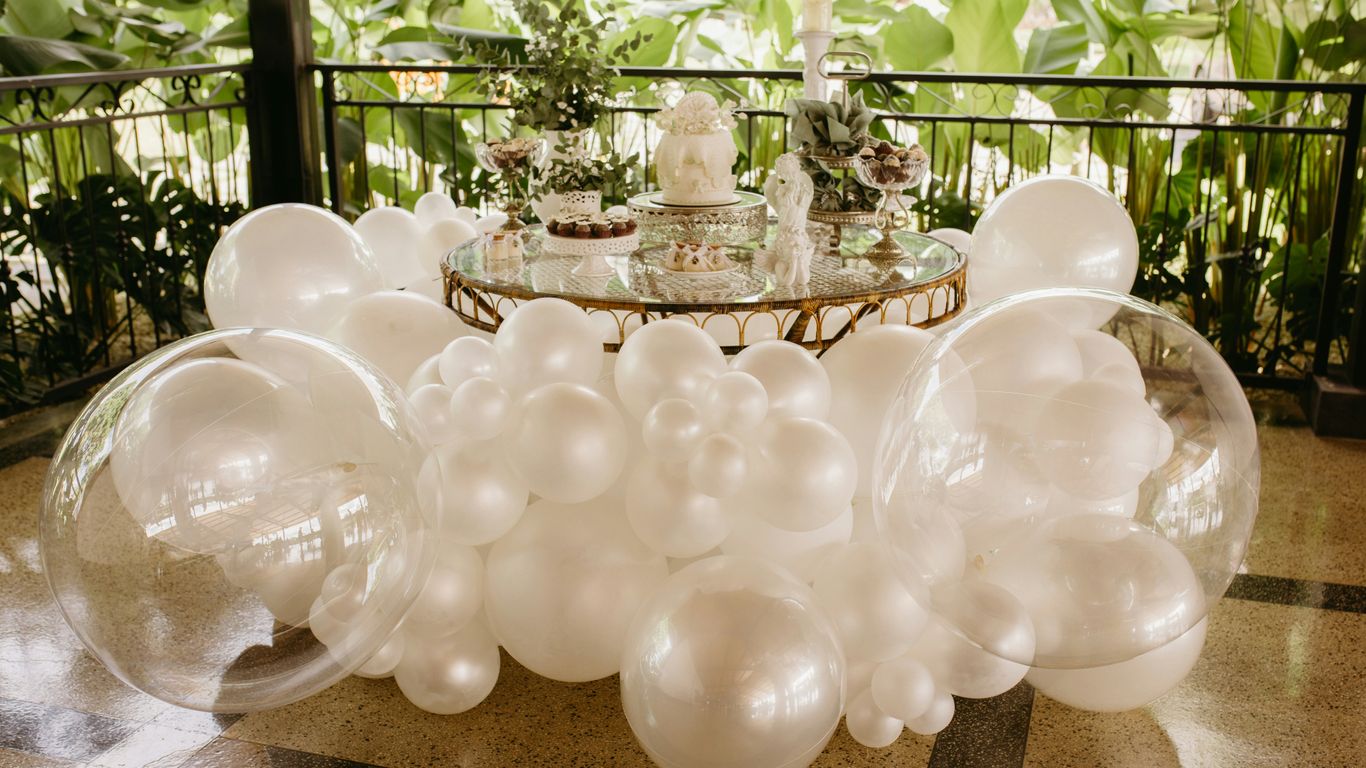
An overhang is the gap between the edge of your cake board and the stand, which is crucial for handling. Providing this clearance allows you to lift the board without smudging the delicate icing on the sides of the cake. Without adequate space, even the most beautiful layer could suffer during transit or assembly.
Why an overhang is necessary for a clean finish
Professional presentation requires enough room for your fingertips to slide underneath the board edge. If the cake board meets the exact edge of the stand, moving the item becomes an unnecessarily risky task. A small gap, typically around one inch, is generally sufficient for a clean finish.
Recommended clearance for different cake styles
Depending on the design complexity, you may need more or less clearance. Denser, sturdier cakes might allow for tighter fits, whereas delicate or tiered designs benefit from extra spacing. Always test your best size tiered cake stand with a spare board to ensure the clearance feels natural for your specific style.
Adjusting for delicate icing or edge decorations
If you have intricate piping or hanging elements on your cake edges, adjust your spacing accordingly. You should treat these decorations as part of your overall diameter, adding extra buffer room to protect the work. It is far better to have an inch of excess stand space than a damaged design.
Selecting sizes for stacked or tiered cake displays

Tiered displays demand more than just visual appeal; they require substantial engineering to remain upright. Each layer must be supported properly to avoid the bottom tier sinking, which is why transparent dessert display base options are so popular for their clean, modern appearance. You can ensure stability by following a few foundational rules for your structural arrangement.
Guidelines for bottom tier stability
- Use a central support for multi-tier designs.
- Ensure the base tier diameter is significantly wider than top layers.
- Integrate cross-bracing where necessary for heavy fondant cakes.
- Check the level of your support surface before finalizing the display.
These simple steps will prevent your complex displays from shifting during the reception.
Maintaining visual proportion between each level
Proportion is essential for a balanced look, with each tier typically stepping in by at least two inches. This creates a pleasing visual taper that keeps the structure from feeling top-heavy. Consistent proportion also helps distribute the weight evenly across your acrylic supports, ensuring the load is centered.
Using fillable or riser-style acrylic stands for height
Adding height to your table can be achieved by utilizing different tiers of stands. Fillable stands are particularly useful as they double as decorative elements, allowing you to match the contents to your event theme. This approach adds vertical interest to your table without sacrificing the essential stability of your cake base.
Matching load capacity to your cake weight
Acrylic is a versatile medium, but its ability to hold weight varies based on its thickness and fabrication. It is vital to assess the total weight of your cake, including the board and decorations, before choosing a stand. For professional-grade results, check that your material choice can support the strain without sagging.
Why acrylic thickness matters for larger stands
Thicker material offers greater resistance to flex, making it essential for larger cake displays. You can find guidance on selecting the right material at Acrylic MY to ensure your supports are durable. Thin acrylic may look sleek, but for a heavy wedding cake, it is not the most practical choice.
Ensuring structural integrity for multi-tier designs
Multi-tier cakes exert downward pressure on the base stand that can quickly lead to bowing if the material is too thin. Ensure your stand has enough reinforcement to handle the cumulative weight. A simple way to check is to press gently on the center of the stand to test for any immediate signs of movement before the cake is placed.
Assessing the weight limits of different acrylic gauges
Selecting the appropriate material thickness for structural support ensures that your display remains level and secure throughout the event, protecting the investment of time and effort poured into your dessert design.
By matching the gauge of your acrylic to the physical load, you gain confidence in the durability of your display setup.
Evaluating space and transportation requirements
Planning for the venue is as important as baking the actual cake. You must consider the total footprint of your display when setting up, ensuring guests and servers can interact with the table safely. Proper planning reduces stress when you arrive on site.
Fitting the stand onto event or venue tables
Always request the dimensions of the display table provided by the venue in advance. A massive stand that barely fits on the table can make the area feel cluttered and difficult to navigate. Leave enough room for serving plates, napkins, and other necessities to prevent overcrowding.
Storage considerations for multi-sized collections
If you frequently create cakes of various sizes, you will eventually have a large collection of stands. Modular or stackable acrylic displays save significant space in your storage room, which is a major advantage for professional bakers. Investing in kits that break down or nest together will keep your workspace organized and efficient.
Accounting for extra room for cake server access
Do not forget to leave enough clearance for the person serving the cake. If the stand is pushed too far back against a wall or decor, it becomes nearly impossible to slice effectively. Leave at least a foot of empty space around the perimeter to ensure serving is as graceful as the decoration itself.
Conclusion
Taking the time to accurately measure your cakes and select the right acrylic stand is a foundational practice that prevents disasters and elevates your final presentation. By focusing on structural integrity and practical spacing in your professional or hobbyist setup, you ensure that every creation is showcased with the prominence it deserves.
Frequently Asked Questions
What is the advantage of clear acrylic for cake stands?
Clear acrylic provides a neutral, high-end base that keeps the entire focus on your cake decorations while creating the illusion of the cake floating, which works well with any theme.
How thick should the acrylic be for a heavy wedding cake?
For heavy, multi-tier cakes, you should look for material at least 5mm to 10mm thick to ensure it can bear the weight without bowing or bending under pressure.
How do I clean acrylic cake stands without scratching them?
Use a soft microfiber cloth and a mild soap-and-water solution to clean your stands, avoiding abrasive sponges or harsh chemicals that can cause clouding or surface-level micro-scratches.
Can I use a cake stand that is smaller than my bottom tier?
Using a smaller stand is generally discouraged because it creates an unstable base for your cake and poses a risk of the stand tipping over due to an uneven weight distribution.
How do I safely transport a tiered cake display?
If possible, transport the tiers separately and assemble them at the venue to ensure the structural integrity of the display and prevent any movement or collision during the drive.
Is acrylic food-safe?
Yes, high-quality acrylic is generally considered food-safe, provided you keep it clean and ensure it is not used in ways that involve high-heat applications or harsh chemical contact.
How can I make my cake display stand out more?
You can elevate your display by using tiered risers, under-lighting, or placing decorative items like florals or ribbons underneath the clear acrylic tiers for a layered, professional impact.