Key Takeaways
Understanding the material properties and proper selection process is essential to getting the most out of your signage or construction projects. From thickness to finish, knowing what to choose ensures durability and performance.
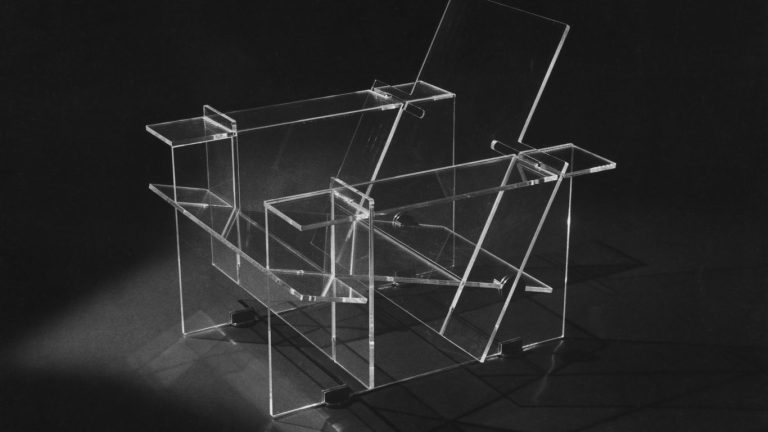
- Acrylic boards provide a lightweight and shatter-resistant alternative to traditional glass materials.
- Cast acrylic is preferred for optical clarity, while extruded versions are ideal for budget-friendly fabrication.
- Selecting the correct thickness is critical for structural integrity in furniture and large partitions.
- Proper maintenance using mild soap and non-abrasive cloths keeps surfaces scratch-free and clear for years.
- Custom fabrication services in Malaysia can help tailor panels to precise dimensions for professional results.
Properties and characteristics of acrylic boards
Acrylic boards have become a staple in modern design due to their unique physical properties and aesthetic versatility. As a durable thermoplastic, this material behaves reliably under various environmental conditions, making it a frequent choice for indoor and outdoor installations across the region. When you decide to buy perspex sheets online from Acrylic.my, you are choosing a material that balances resilience with visual elegance.
Chemical composition and durability
At its core, acrylic is a synthetic polymer composed of methyl methacrylate, which contributes to its long-term stability and resistance to weathering. This chemical makeup ensures that the material does not yellow or become brittle when exposed to sunlight, unlike many other common plastics. Its inherent durability makes it a reliable candidate for long-term installations that require constant exposure to the elements.
Light transmission and optical clarity
Beyond simple durability, acrylic is prized for its exceptional optical clarity, often transmitting more light than standard glass while weighing significantly less. This high degree of transparency is essential for clear plastic panels used in retail displays and protective screens where visibility is paramount. Designers frequently prefer acrylic because it allows for clean, sharp edges that enhance the overall look of a display.
Impact resistance and safety ratings
Safety is a primary concern in many architectural applications, and acrylic holds its own with a high impact resistance level compared to traditional glass. If fractured, it tends to break into large, manageable pieces rather than lethal shards, a characteristic that makes it suitable for environments where safety is vital. This added protection is why professionals often choose these panels for high-traffic public spaces where the risk of accidents is greater.
Main types of acrylic boards

Navigating the world of sheet types can feel overwhelming, but distinguishing between the production methods is the first step toward project success. Whether you are looking for crystal-clear aesthetics or specialized surface textures, knowing the distinctions helps you align the product with your functional requirements. Our team at Acrylic.my provides guidance on choosing the right type for your specific installation.
Clear cast acrylic sheets
Clear cast acrylic sheets are created through a process where liquid monomer is poured between glass molds and cured, resulting in a product with superior optical qualities. This method leaves the material with a uniform thickness and an excellent surface finish that is perfect for laser cutting and engraving. Because of its rigidity, it remains the gold standard for high-end signage and display pieces.
Extruded versus cell cast acrylic
Extruded acrylic is manufactured using a continuous process that is faster and more cost-effective than the cell cast method, often resulting in lower prices for bulk orders. While it may have slightly lower impact resistance than cast sheets, it is arguably the best choice for simple, large-scale applications where budget is a significant factor. Here is a quick comparison for your reference:
| Feature | Cast Acrylic | Extruded Acrylic |
|---|---|---|
| Optical Clarity | Superior | Standard |
| Thickness Uniformity | Excellent | Good |
| Fabrication Ease | High | Moderate |
| Best Use | Precise Displays | Simple Signage |
It is important to note that matching the production process to your design needs will save time and money during the installation.
Opaque, frosted, and coloured options
Beyond transparency, the material is available in a vast array of finishes and hues that breathe life into creative designs. Frosted acrylic provides a soft, diffused light effect that is perfect for office partitions, while opaque and vibrant coloured sheets allow for striking, eye-catching branding. Choosing the right opacity can significantly change the mood and functionality of an interior design project.
Mirror and non-glare acrylic finishes
Specialty surfaces like mirror and anti-glare coatings offer unique solutions for retail and residential spaces that require a specific aesthetic impact. Mirror acrylic acts as a lightweight replacement for heavy glass mirrors in gyms and studios, while anti-glare options minimize unwanted reflections in backlit signage. These functional finish upgrades increase the utility of your acrylic display panels in professional settings.
Choosing the right sheet thickness
Understanding perspex sheeting thicknesses is crucial for ensuring that your project remains stable and visually balanced over time. A mistake in gauge selection can lead to sagging or, worse, structural failure in high-load scenarios. Proper planning during the design phase is key to preventing these outcomes.
Thin sheets for signage and mounting (1mm – 3mm)
Thin sheets are generally reserved for light-duty tasks, such as protective overlays, small labels, or shallow wall-mounted signs. Because of their flexibility, they are easy to curve or conform to uneven surfaces, but they lack the rigidity required for structural support. These sheets work well when bonded to a backing material or mounted on flat walls.
Medium thickness for structural durability (4mm – 6mm)
This range is widely considered the workhorse of the industry, offering a perfect balance between weight and rigidity for most intermediate projects. You will often see this thickness for standard retail shelves, small box constructions, or desktop display units where some load-bearing is required. It is sturdy enough to stand on its own without excessive bracing in most configurations.
Heavy-duty panels for furniture and partitions (8mm+)
When constructing furniture like tables, large partitions, or heavy architectural elements, opting for 8mm or thicker material is essential to prevent warping. These heavy-duty panels maintain their shape and provide the strength needed to hold significant weight or span larger distances without central support. Investing in the correct thickness here ensures a lasting installation that will not bend under pressure.
Assessing weight and structural support requirements
Structural support depends not just on thickness, but on the span of the material and how it is secured to the environment. When designing larger projects, it is wise to follow these basic guidelines for success:
- Calculate the total load the shelf or partition must support during daily operations.
- Use reinforcement brackets for spans exceeding 600mm to distribute weight evenly.
- Ensure mounting points allow for natural thermal expansion to prevent cracking.
- Select higher-strength cast varieties if the surface will be prone to constant physical contact.
Taking these steps helps maintain the integrity of your custom acrylic installation.
Popular applications for acrylic board
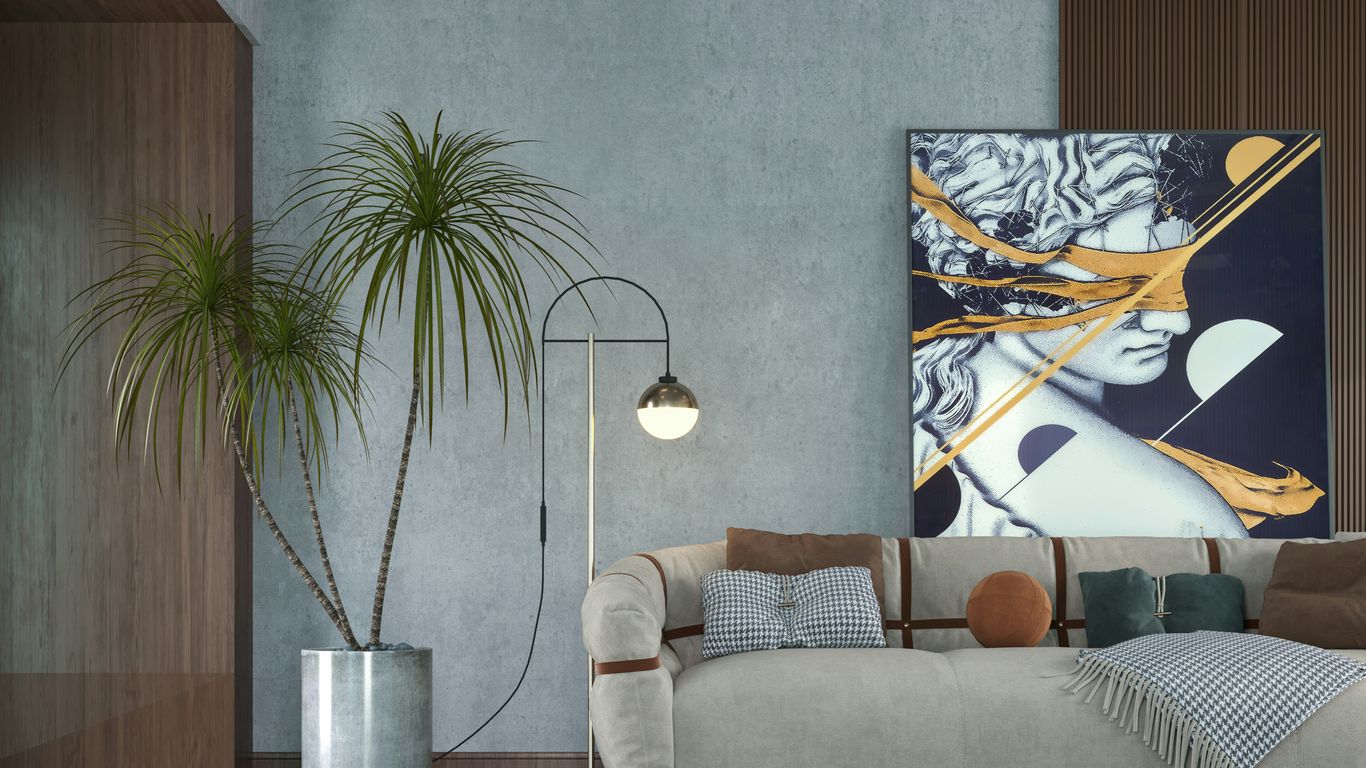
Acrylic board is a versatile choice for a wide variety of industries in Malaysia, from retail branding to simple home improvements. Its ability to be molded, cut, and finished makes it a preferred material for professionals who need an adaptable solution that looks great. Our Acrylic.my fabrication services help clients bring these ideas to life in a sustainable, high-quality way.
Professional signage and business branding
Signage remains one of the largest sectors for acrylic usage, thanks to its ability to be laser-cut into complex logos and illuminated for night visibility. A well-designed board creates a clean, premium image for storefronts, helping businesses stand out in crowded commercial areas. The material’s longevity under local climate conditions ensures that brand identity remains consistent over time.
Modern home office and dry-erase boards
Many professionals find that a transparent or white board serves as an effective, modern alternative to traditional wall-mounted dry-erase boards. Unlike conventional surfaces, these perspex sheet uses provide a frameless, aesthetic appeal that blends seamlessly into minimalist office interiors. They are easy to wipe clean, leaving no ghosting marks even after frequent daily use.
Decorative wall art and photo displays
Acrylic has revolutionized wall art by allowing photos to be mounted behind a clear panel, creating a sense of depth and vibrancy that traditional glass frames often lack. This display style highlights color details and provides a sleek, modern touch to residential galleries and public spaces. It serves as a great, durable alternative to heavy picture frames.
Interior design and protective barriers
Beyond aesthetics, acrylic serves functional roles as hygienic barriers in restaurants, offices, and service counters across the country. These panels are easy to sanitize and install, offering peace of mind to business owners concerned about safety. By integrating these barriers thoughtfully into a space, you ensure structural safety without sacrificing the open feel of the environment.
Cost analysis and budget considerations
Budgeting for your project requires an understanding of how raw material volume and custom fabrication impact final pricing. While raw sheets are calculated by surface area and gauge, the added complexities of finish and cutting processes will naturally raise costs. Balancing these variables is how you create a high-quality result while staying within your allocated budget.
Standard pricing variables for different sizes
At the most basic level, pricing is determined by the total surface area and the specific thickness of the board required. Bulk purchasing often yields better pricing, so considering your full project scope upfront can lead to better value. Remember that shipping large, fragile sheets may add to your final invoice if you are ordering from outside your immediate area.
How sheet finish affects the unit price
While a standard clear sheet sits at the baseline price, choosing specialty finishes like mirror, frosted, or textured acrylic adds significantly to the unit cost. These finishes often undergo secondary processing at the factory, which is passed on in the final price per square meter. It is best to select a finish that specifically addresses a functional or aesthetic need rather than choosing based on style alone.
Value of custom fabrication versus standard stock
Choosing pre-cut stock sizes can save substantial money on labour, but custom fabrication is necessary for projects that require unique geometry, complex drill patterns, or edge polishing to reach a professional finish.
While custom fabrication might seem like an added expense, the time saved during the installation process often offsets these costs for most professional builders and designers. Precision-cut parts reduce the likelihood of site errors and ensure that everything fits perfectly upon arrival.
Hidden costs of transportation and protective handling
Acrylic requires careful handling and specialized transport to ensure it arrives without surface scratches or edge cracks. Many local providers include protective film on both sides of the sheet, and maintaining this film until the final step of assembly is crucial to avoiding extra costs associated with damage. Always account for professional delivery when planning your budget to avoid unexpected issues during transport.
Handling, mounting, and maintenance
Proper care for your acrylic boards begins from the moment they arrive at your location, as the material remains sensitive to improper cutting and cleaning. Following established industry protocols helps you avoid common pitfalls like micro-cracks or clouding, which can degrade the look of the sheet over time. Using the right tools is essential for a high-quality, professional finish.
Best techniques for cutting and drilling acrylic
Cutting acrylic requires slow, steady feed rates to prevent the blade from heating the material and causing it to melt or chip during the process. For professional results, keep the protective masking in place while cutting to avoid unwanted surface scratches from tools or vibration against the work surface. Always use sharp, high-speed steel or carbide-tipped blades specifically designed for plastics to ensure a clean result.
Professional mounting methods for a clean finish
Securing your panels with the correct hardware is just as important as the material selection itself for ensuring long-term success. Options like stainless steel standoffs provide a contemporary, 3D appearance, while flush-mount systems offer a seamless, minimalist aesthetic that works well in confined gallery spaces. Whatever method you choose, ensure the holes are pre-drilled slightly larger than the screw diameter to allow for thermal expansion during temperature changes.
Cleaning routines to prevent scratching and clouding
Regular cleaning should only involve a mixture of mild soap and lukewarm water applied with a clean, damp microfiber cloth. Avoid using harsh chemicals, ammonia-based cleaners, or abrasive sponges, as these will cause the surface to dull and cloud permanently. With this simple routine, your installations can maintain their brilliant transparency for many years effectively.
Conclusion
Selecting the ideal acrylic board for your needs involves balancing the material’s structural properties with its aesthetic finish to create a solution that is both functional and visually rewarding. Whether you are creating professional signage or modernising your home, this material remains a top choice in Malaysia for those looking to combine durability with clean, contemporary design.
Frequently Asked Questions
Is acrylic board better than glass for signage?
Acrylic is generally considered superior for many signage applications because it is significantly lighter, more resistant to impact, and provides excellent optical clarity. It also offers more flexibility in fabrication while being safer in terms of breakage.
Can acrylic sheets be used for outdoor projects?
Yes, high-quality cast acrylic is resistant to UV degradation and moisture, making it an excellent candidate for outdoor signs and architectural barriers. It does not yellow or become brittle as quickly as other plastics when properly maintained.
What is the advantage of cast over extruded acrylic?
Cast acrylic offers higher structural strength, more uniform thickness, and superior suitability for laser cutting and engraving projects. Extruded acrylic is often more cost-effective but may exhibit different shrinkage characteristics during heating.
How do I prevent acrylic from cracking during installation?
Always pre-drill holes that are slightly larger than the mounting screws to allow the material to expand and contract with temperature changes. Avoid over-tightening hardware, as unnecessary pressure increases the risk of stress fractures.
Can I paint or print directly onto acrylic boards?
Yes, acrylic accepts a variety of specialized inks and paints designed for plastics. Many professionals use UV-printing techniques to achieve vibrant, durable graphics that bond well to the surface for long-lasting results.
What is the best way to polish the edges of acrylic?
For a professional finish, you can sand the edges starting with a medium-grit paper and working your way to fine, wet-sanding grades. Finally, a buffing compound or plastic polish can be used to achieve the iconic glossy, transparent edge.
Does acrylic board yellow over time?
High-quality acrylic, particularly cast versions, is designed to be UV-stable and highly resistant to yellowing. It will typically retain its clarity for many years when used in standard indoor or outdoor environments away from extreme heat sources.