Key Takeaways
Acrylic boxes offer a versatile, transparent solution for both domestic organisation and professional retail displays. Understanding material properties, structural needs, and customisation possibilities ensures your project meets both aesthetic and functional demands.
- Select your acrylic type based on clarity and UV protection needs.
- Accurate measurements for interior clearance prevent fitting issues.
- Consider panel thickness for structural integrity of larger displays.
- Customisation provides unique branding and security features for retailers.
- Consistent cleaning routines help prevent surface damage over time.
Understanding the essentials of an acrylic box
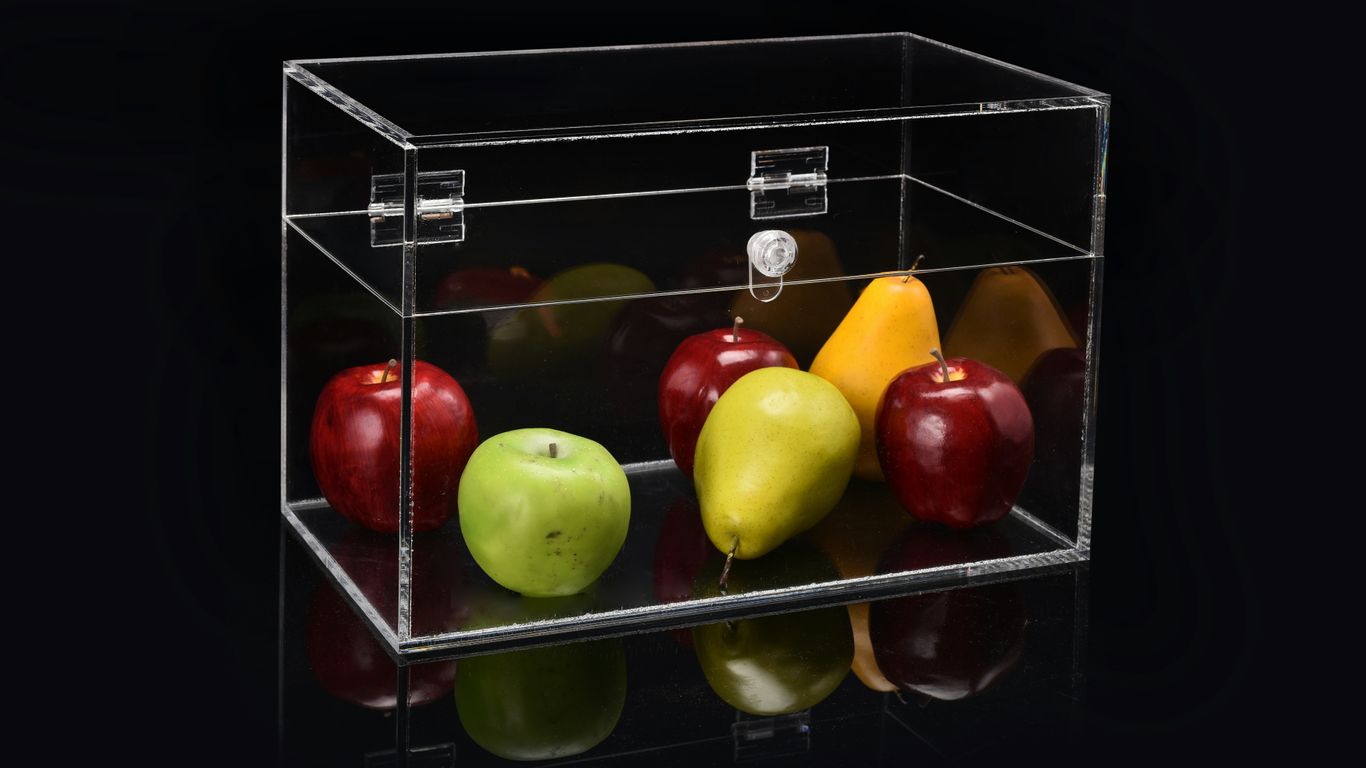
Choosing the right material is vital for a durable and clear acrylic box. Whether you are creating a simple storage container or a bespoke display unit, the fundamental material quality significantly impacts the final outcome. Many users often inquire about the transparency of our custom acrylic sheets which define the visual appeal of these containers.
Clarity versus tinted acrylic options
Clear acrylic is the industry standard for objects requiring high optical transparency, mimicking the look of traditional glass while offering superior shatter resistance. For applications that require a specific aesthetic, tinted options are available, though they will alter how displayed items appear under interior lighting. Transparency levels remain a key factor when you want to achieve a professional and clean aesthetic in any setting.
The importance of panel thickness and structural integrity
Panel thickness directly correlates with the weight load an enclosure can support. For small units, a standard thickness is usually sufficient, but larger boxes require thicker panels to maintain their structural integrity without buckling. We suggest the following general guidelines for thickness selection:
| Item Size | Recommended Thickness |
|---|---|
| Small (under 20cm) | 3mm |
| Medium (20cm – 50cm) | 5mm |
| Large (over 50cm) | 8mm – 10mm |
Selecting an inappropriate thickness for a large display can compromise the safety of the items housed within.
UV-resistant acrylic for long-term preservation
Preservation is a major concern for those housing highly sensitive memorabilia or archival art. UV-resistant acrylic filters out harmful wavelengths that cause discolouration and deterioration over time. Using custom acrylic products that incorporate these protective properties ensures your investment remains vibrant through years of display.
Selecting the appropriate size and dimensions

Planning the size of your enclosure requires a clear understanding of the items you intend to place inside. It is often wise to account for a buffer zone around the object to allow for easier access and placement. You can explore creative uses for acrylic if you encounter challenges in determining the best layout for your specific space.
Measuring for interior clearance
Always measure the widest, highest, and deepest points of the item to determine the absolute minimum internal space required. A tight fit can make removing the object difficult and might risk scratching its surface. Providing these internal dimensions to your fabricator ensures that your custom acrylic containers are manufactured according to your physical requirements.
Accounting for base thickness and display platforms
If your enclosure rests on a base or platform, ensure the height of that base is factored into the total external height. Base platforms are helpful for securing loose items in place or adding a contrasting visual element. Some clients choose to integrate a custom acrylic stand to elevate their displays and create a more dynamic focal point.
Standard dimensions versus large-scale bespoke housing
While standard stock dimensions are readily available for common household objects, specific commercial items often demand bespoke sizing. Working with a fabricator allows for dimensions that deviate from standard retail offerings. This approach is particularly beneficial when you require bespoke acrylic enclosures that align with specific interior design proportions or product display shelves.
Common configurations and styles
Versatility remains one of the strongest selling points of this material, as it adapts easily to various form factors. From simple retail risers to complex, multi-functional enclosures, the design potential is limited only by your requirements. For more complex projects, consider how to prioritise your acrylic design goals before finalising your order.
Five-sided open base covers
These versatile units are ideal for protecting objects without needing an enclosed base. They can be placed over products sitting on a tabletop or an existing shelf, covering them to prevent dust buildup. Their minimalist profile makes them popular choices for showcasing collectibles and memorabilia in home environments.
Six-sided fully enclosed storage cubes
Fully enclosed cubes are perfect for when you need complete protection from the environment, including moisture and heavy dust. These units are often used for sealed storage or stackable shelving modules. The following list details where these are frequently utilised:
- Retail boutiques displaying small, high-value luxury goods.
- Home offices for desk-top stationery and paperclip sorting.
- Museum curation for fragile antique items requiring isolation.
- Vanity tabletops as modern cosmetic or grooming tool organizers.
This fully sealed environment helps in maintaining a tidy and professional appearance for any collection or retail inventory.
Locking acrylic boxes for security
For items that require a higher level of protection, integrating a lock is a practical solution. Security is naturally important for businesses that manage donations or suggestion collection. When selecting custom acrylic boxes, ensuring the locking mechanism is robust is a key step in protecting your contents.
Multi-tiered riser boxes for retail merchandise
Tiered displays provide height variation, which is essential for guiding customer attention toward specific goods. These boxes allow for an efficient use of vertical space on crowded counters or retail shelves. By stacking these boxes, you can create a depth of field that highlights key products for store patrons.
Bespoke customisation options

Bespoke customisation allows you to refine your enclosure so that it perfectly matches your brand identity or interior design scheme. Through specialized fabrication methods, you can transform a plain container into a highly tailored professional component. When you need custom acrylic fabrication service, clear communication of your design needs will guide the process effectively.
Precision laser cutting for specific shapes
Laser technology offers incredible accuracy when complex shapes or intricate cutouts are required. We can produce geometric or organic forms that standard hand-tools cannot match. This becomes necessary if your display has unique external dimensions or decorative needs.
Adding vinyl branding or UV printing
Adding branding elements directly to the surface of your box reinforces your professional presence in retail environments. UV printing provides a durable finish that resists fading, whereas vinyl application is a flexible and affordable way to show your logo. These options help turn standard storage into a branding marketing asset for your business.
Integrating hinges, lids, and sliding panels
Physical hardware adds functionality, particularly when you need to access your items frequently. Hinged lids, sliding panels, and custom latches are important features if the box is meant to be opened and closed daily. When designing these, we pay close attention to the structural integrity to ensure longevity.
Industry applications for acrylic boxes
Acrylic enclosures see extensive use across diverse professional sectors due to their durability and adaptability. Understanding these applications helps you make more informed decisions for your own projects. You can browse our list of professional acrylic uses for further inspiration.
Museums and art gallery exhibits
Professional curators rely on the clarity of acrylic for pristine views of artifacts while maintaining a protective barrier. These units ensure that visitors can see the smallest details without risking damage to the historical pieces inside. It is standard practice to choose high-quality materials that won’t distract from the art itself.
Point of sale displays and retail merchandising
In retail, an acrylic display case is often the best choice for showing off high-margin small goods. These cases offer security and visibility, striking a balance that encourages sales while managing potential theft. Properly positioned displays often lead to higher engagement with items placed at eye level.
Personal collectibles and memorabilia storage
Collectors value clear enclosures because they shield delicate items from environmental pollutants, smoke, and household dust. Whether it is a trophy or a unique model, the right box provides both aesthetic appeal and physical safety. These custom pieces serve as a cornerstone for maintaining the condition of personal treasures.
Care and maintenance best practices
Proper care is the secret to ensuring that your acrylic containers maintain their luster for years. Without the right approach, even high-quality material can collect micro-scratches or cloudiness over time.
Choosing compatibility-tested cleaning agents
Always select cleaning fluids that are formulated specifically for synthetic plastics. Chemicals such as ammonia, window cleaners, or heavy-duty solvents can cause the material to craze or crack over time. A mild soap solution is a safe and highly effective choice for routine cleaning.
Preventing micro-scratches during regular cleaning
Dust and fine particles are the main culprits for hairline scratches during the wiping process. We recommend using a soft microfiber cloth and a gentle, dabbing motion to lift away dust rather than dragging it across the surface. Regularly rinsing your cloth ensures that trapped grit does not damage the surface.
Repairing and polishing minor surface marks
Despite the best efforts, surface marks happen. For minor scratches, a specialized acrylic polishing compound can often buff the material back to its original gloss. If you encounter deep gouges or cracks in your acnestop skincare packaging style acrylic or similar setups, it may be time to consult with a fabrication professional regarding restoration.
Conclusion
Acrylic boxes are an investment in the long-term presentation and protection of your items, whether for sentimental personal collections or strategic retail displays. By balancing dimensions, material thickness, and customisation features, you can develop a solution that perfectly serves your unique requirements without compromising on style or durability, and for your next project, you can get a quote here today.
Frequently Asked Questions
Why does acrylic seem to yellow after years of exposure?
When inferior material is exposed to direct, intense sunlight over many years, chemical changes can occur that lead to a yellowish tint, though modern high-grade materials are engineered to resist this.
How is the durability of acrylic compared to glass for daily use?
Acrylic offers significantly higher impact resistance, making it less likely to shatter if dropped, although it is more susceptible to surface-level scratches which glass typically avoids.
Can you glue acrylic boxes together without leaving visible residue?
Yes, specialized acrylic adhesives bond the material at a molecular level, creating a clean, seamless joint when applied correctly by an experienced fabricator.
Is it possible to use these boxes for food storage?
Standard acrylic is generally not designed for long-term direct food contact, so it is recommended to use only approved food-safe containers for items that will be consumed.
What is the advantage of choosing cast over extruded acrylic?
Cast acrylic is manufactured as a single sheet, leading to more uniform properties and greater chemical resistance, while extruded acrylic is often more affordable for standard simple storage applications.
Will these boxes handle high-temperature environments well?
Acrylic is a thermoplastic that can soften or warp if placed near extreme heat sources or direct open flames, so keeping displays in temperature-controlled environments is essential.
Can acrylic boxes be used for outdoor exhibits?
They can be used outdoors, but it is important to choose UV-stabilised variants to prevent structural degradation or fading under the consistent influence of direct solar radiation.