Key Takeaways
Selecting the right display tools helps maintain a clean, professional aesthetic for your promotional materials. Understanding material qualities, sizing, and placement ensures your brochures effectively capture customer attention while standing up to daily use.
- Clear acrylic provides superior visibility compared to traditional plastic or cardboard displays.
- Proper sizing ensures literature fits securely without bending or folding improperly.
- Strategic placement in high-traffic areas correlates directly with increased viewer engagement.
- Regular cleaning prevents microscopic scratches that eventually dull the surface appearance.
- Investing in professional, custom-fabricated holders supports a consistent brand image for your business.
The benefits of using acrylic brochure holders
Enhanced visual clarity and professional appeal
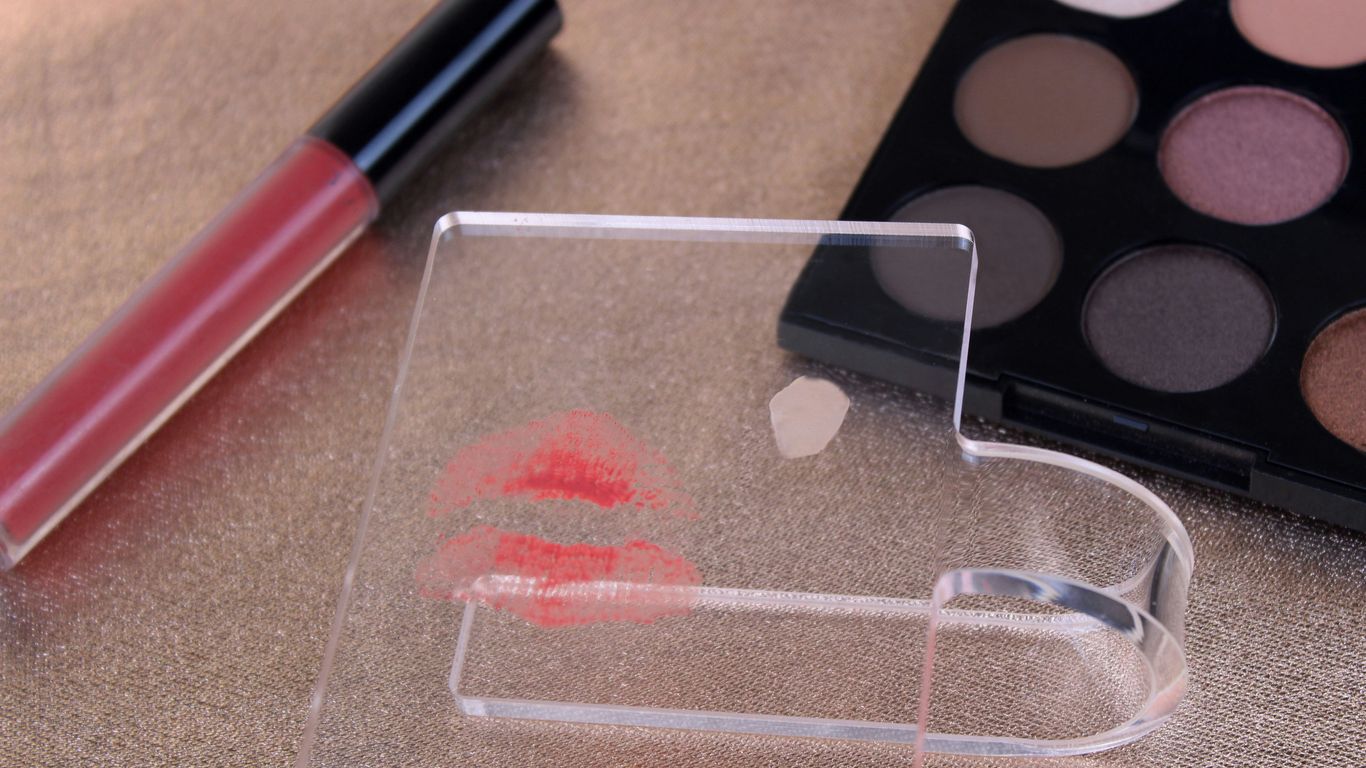
Acrylic serves as an excellent material for display solutions because of its glass-like transparency, which ensures customers focus on your content rather than the stand itself. By using a professional acrylic brochure holder from Acrylic.my, you can present your handouts, menus, and flyers in a way that feels polished and intentional. This transparency avoids the yellowing or clouding commonly associated with cheaper, lower-quality plastic alternatives.
Durability and resistance to wear
High-quality acrylic is surprisingly resilient when compared to thin, molded styrene options often found in temporary retail stalls. The solid construction handles the vibrations and accidental bumps common in busy lobbies or reception areas without shattering. This longevity makes clear literature displays a sensible choice for businesses that want to minimize the frequency of replacement.
Versatile application across diverse industries
Whether you manage a boutique storefront, a clinical reception area, or a large trade show booth, these holders adapt to your specific space requirements. In the same way that a Academy pickleball paddles guide helps athletes find the right tool for their game, choosing the right acrylic holder ensures your marketing message is effectively conveyed in any environment. They integrate seamlessly into corporate offices, retail counters, and hospitality settings alike.
Cost-effective promotional solutions
Investing in durable display hardware reduces the long-term cost of maintaining your promotional signage. When you contact us for fabrication, you receive high-clarity items designed to last, eliminating the waste associated with replacing brittle, broken stands repeatedly over a fiscal year.
Standard sizes and capacity guide
Choosing the right size for A4 literature
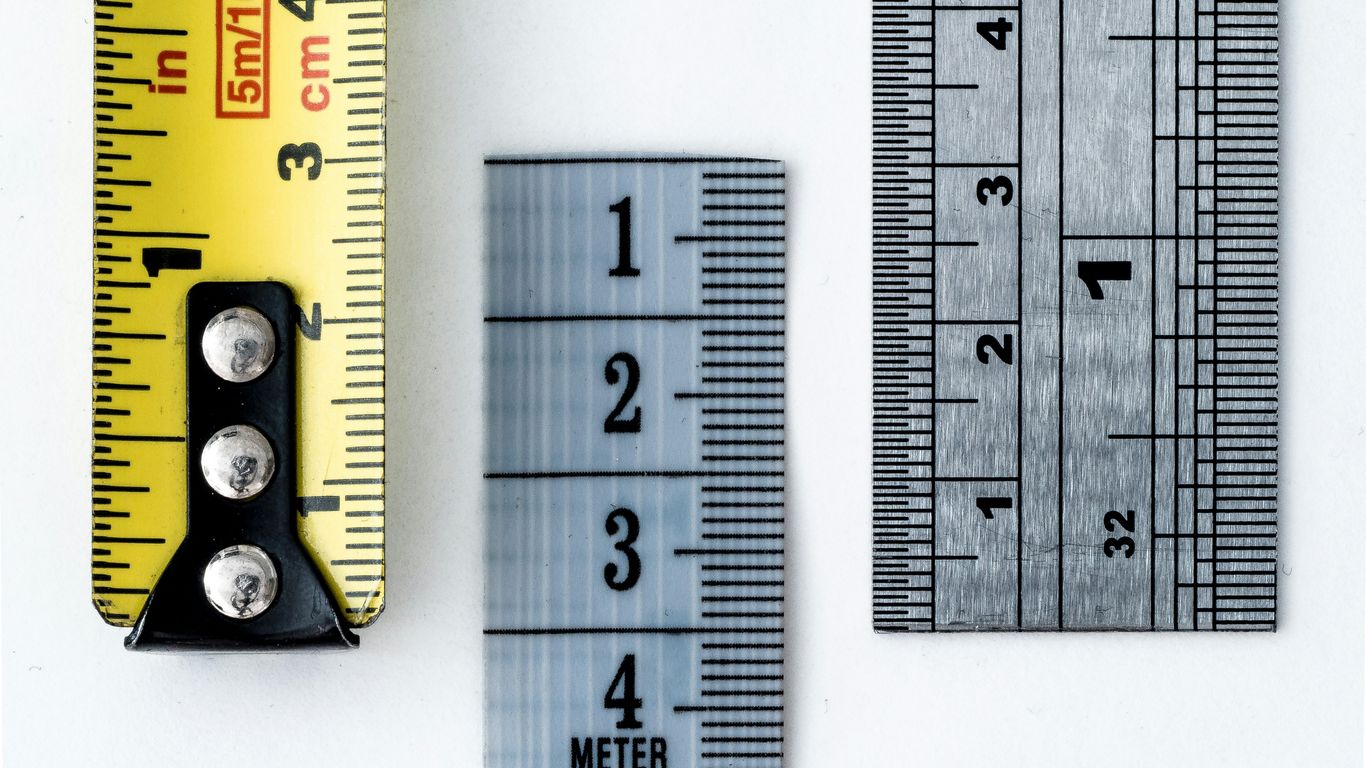
A4 literature is the workhorse of corporate information, and your holder must accommodate its height without allowing it to slump over. Proper framing ensures that the text at the top of your document remains visible at a distance. When deciding on specifications, consider the depth of the pocket to ensure it holds enough copies for a busy day.
Compact options for A5 and DL leaflets
Smaller leaflets and tri-folds often get lost on large surfaces unless clearly organized in dedicated pockets. Using properly sized pockets prevents clutter and directs customer attention to individual promotional points. Many businesses find that stacking multiple DL-sized holders side-by-side creates a more organized wall display.
Multi-tier units for high-volume displays
For locations with a wide variety of information, multi-tier units provide an efficient use of vertical space by allowing guests to browse multiple documents simultaneously. The following table provides a general guide for capacity and footprint expectations for these displays:
| Tier Count | Ideal Use Case | Footprint Estimate |
|---|---|---|
| Single Tier | Countertop placement | Small |
| Three Tier | Wall-mounted info | Medium |
| Five Tier | High-traffic lobby | Large |
Using these tiered options helps maintain visual order in spaces that would otherwise become overwhelmed by scattered flyers.
Bespoke sizing for unique printed media
When your brochures or manuals deviate from standard A4 or A5 dimensions, off-the-shelf options may not provide the stability you need. Creating custom-fabricated holders ensures a precise fit for uniquely die-cut documents. This keeps your materials perfectly upright and easy for customers to remove without snagging.
Popular styles of acrylic brochure holders
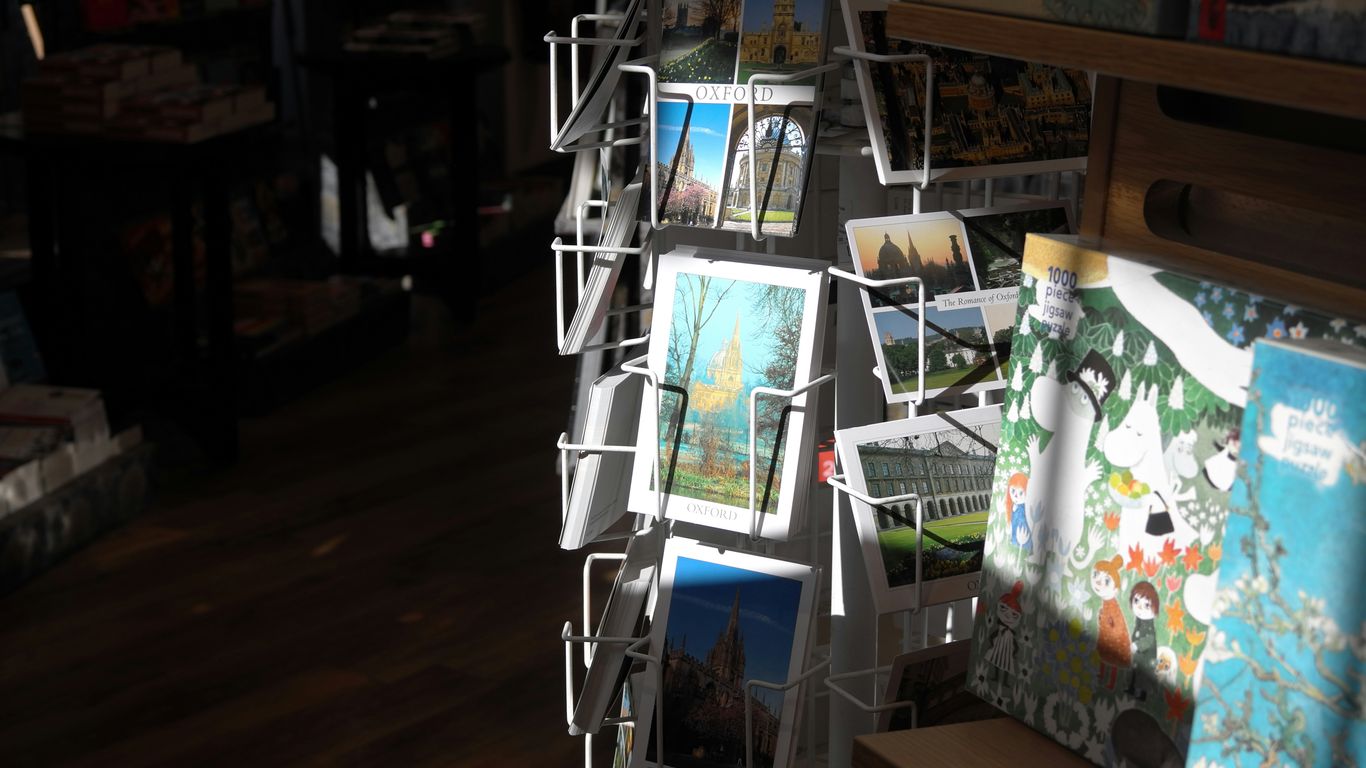
Countertop stands for point-of-sale areas
Countertop stands are the most immediate way to engage walk-in traffic while customers wait for service. Placing information here turns wait time into effective marketing time. These are the most common clear literature dispensers because they sit where the customer is already focused.
Wall-mounted displays for saving floor space
Wall-mounted displays are excellent for lobbies where floor space must be kept open for safe movement. By placing brochures at eye level, you ensure your content earns more views without cluttering narrow pathways. These units are often used in healthcare and corporate settings where organized, accessible walls are expected as part of a serviciu profesional.
Floor-standing units for reception areas
Reception units act as a standalone pillar, drawing interest from people arriving at your front desk. They are effective when used in spacious entrance halls to provide specific information before a visitor even reaches the receptionist. The base must be substantial enough to prevent tipping, which is a hallmark of quality acrylic fabrication.
Rotating racks for browsing multiple documents
Rotating racks provide an interactive element that encourages users to look through a wide range of materials. To maximize the browsing experience, consider grouping your materials based on the following themes:
- Recent company news and event updates
- Detailed product specifications and service sheets
- Current promotional offers and discount codes
- Educational guides or industry-related white papers
Ensuring these sections rotate smoothly relies on high-quality hardware integration within the acrylic structure.
Crucial buying tips for your business
Assessing material quality and edge finish
Quality acrylic should present smooth, buffed edges rather than rough, machine-cut finishes. A polished edge not only looks better but also prevents minor injuries or damage to your paper documents as they slide in and out of the pocket. Always check the thickness, as thicker acrylic provides better stability for heavy magazines or thick catalogs.
Evaluating structural stability and base weight
A display that wobbles gives an impression of poor quality that poorly reflects your brand, much like a badly organized website might negatively influence how someone perceives FLOW THE KITCHEN. Ensure your base is wide enough to counteract the weight of the flyers stored inside. If you are ordering custom pieces, ask for recommendations on base weight based on your specific document size.
Compatibility with existing interior aesthetics
Whether your interior is minimalist or textured, the transparency of acrylic allows it to blend into any environment. However, if you are adding decorative elements or trying to create a specific look, you might incorporate Ledger Panel Collection stone features nearby to highlight your display. The goal is to let the informational content stand out while the holder remains subtly functional.
Assessing ease of installation and leaflet replacement
Systems that use simple gravity-fed designs make it easy for staff to restock and customers to pull a copy. If the setup is too complex, employees may avoid refreshing the displays, leading to empty slots. Look for designs that allow for fast, one-handed removal of brochures.
Maximising impact through strategic placement
Positioning for high footfall traffic
Place holders naturally where people pause, such as near elevator banks or checkout counters. If placed in a dead spot, even the best materials will go unnoticed. You should aim to place your display in the high traffic area of your Dallas-Fort Worth metroplex office or shop to ensure maximum exposure.
Creating effective groupings for related content
Organizing related items together makes it easier for customers to find the information most relevant to their needs. If you have multiple types of flyers, keep similar categories separate to avoid confusing the visitor.
Lighting techniques to emphasise your display
A subtle spotlight or placing the acrylic stand near a window enhances the material’s natural clarity. Lighting makes the display look more premium and invites interaction, as it naturally draws the eye to the bright, clear pocket.
Aligning literature height with customer eye level
Never force customers to crouch or reach too high to retrieve a brochure. Aligning the centre of your brochure pocket with a standard eye level ensures that your message is literally in front of the customer when they are standing to visit you.
Maintaining your acrylic brochure holder
Recommended cleaning agents for clear acrylic
Use a soft lint-free cloth and mild soapy water to remove dust. Harsh chemicals like ammonia can cause the acrylic to crack over time. If a deep clean is necessary, look for specific acrylic-safe cleaners that avoid abrasive solvents.
Avoiding common cleaning mistakes that cause clouding
Never use paper towels or rough sponges, as these will leave microscopic scratches that turn the clarity into a dull haze. Avoid using window cleaners that contain alcohol or solvents, as these substances damage the chemical bond of the acrylic panels.
Polishing methods for minor surface scratches
Should the surface sustain light usage marks, a specialized acrylic polishing compound can restore its original shine. Apply the polish with a very soft flannel cloth, using gentle circular motions, and then wipe clean with a fresh damp cloth to remove any residue.
Storing units safely during seasonal display changes
When shifting from one promotional cycle to another, store your acrylic units away from direct sunlight and heavy objects that might crack them. Wrapping them in a protective fabric cover keeps them dust-free and ready for their next deployment.
Conclusion
By carefully selecting, placing, and maintaining your acrylic display tools, you ensure your marketing materials reach their intended audience effectively and professionally. Investing in quality fabrication not only enhances the presentation of your information but also upholds the integrity of your brand’s visual identity, making every brochure count.
Frequently Asked Questions
Why does acrylic brochure holder quality matter for business presentation?
Acrylic quality directly influences how customers perceive your organization, as a clear, scratch-free display shows attention to detail and professionalism.
Can I use acrylic holders outdoors?
Acrylic is primarily intended for indoor use, as prolonged exposure to direct sunlight and temperature changes can cause it to warp or become brittle over time.
How often should brochure displays be restocked for optimal appearance?
Ideally, check your brochure stands daily to ensure they are at least two-thirds full, which maintains a lush, organized appearance without making the slots look overstuffed.
Is it better to choose single-pocket or multi-pocket displays?
Single-pocket stands are best for focused promotions, while multi-pocket units are superior when you need to serve a diverse range of interests within a small footprint.
How can I prevent the base from sliding on a smooth counter?
If you find your stands sliding on polished surfaces, apply a few small, clear silicone bumper dots to the bottom corners of the base for immediate stability.
What is the advantage of using wall-mounted vs countertop holders?
Wall-mounted displays maximize floor and counter space in tight areas, whereas countertop holders can be placed immediately within arm’s reach of potential customers.
Are there specific documents for which acrylic holders are not suitable?
Acrylic holders are not ideal for extremely heavy, non-bending items or oversized objects that exceed the pocket’s width, as these can cause the holder to tip or sustain stress fractures.