Key Takeaways
Investing in a quality acrylic display box provides an elegant and secure way to showcase your personal collection while ensuring protection from environmental hazards. These tips will help you select the ideal case, maintain its clarity, and arrange your items for maximum impact.
- Acrylic offers superior optical clarity and impact resistance over traditional glass containers.
- Proper material selection, such as opting for UV-filtered sheets, protects delicate items from light damage.
- Precision measurement of your collectibles is crucial for ensuring a comfortable and visually balanced fit.
- Regular cleaning with non-abrasive products prevents dust and grit from causing permanent surface imperfections.
- Strategic styling, including the use of risers and lighting, creates a professional and museum-quality aesthetic.
The benefits of using acrylic display boxes
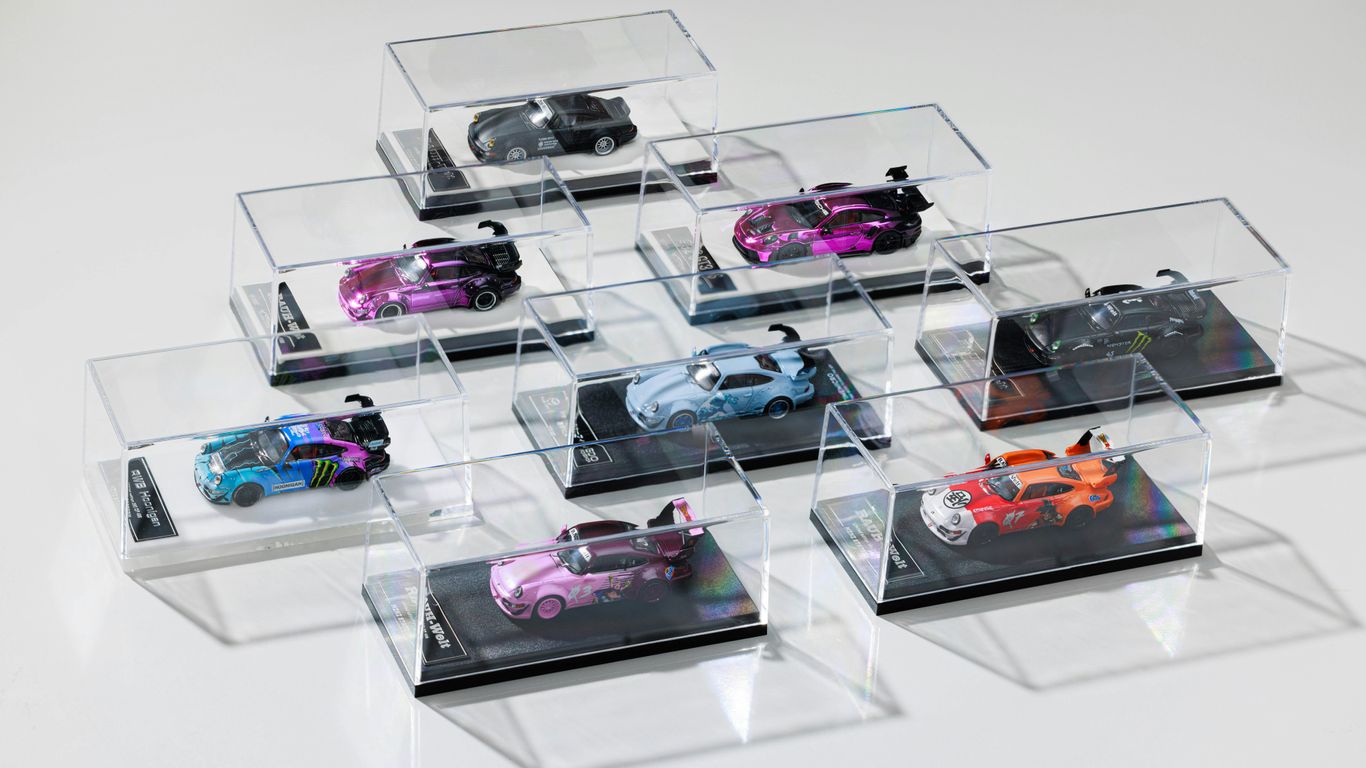
Choosing the right environment for your prized items is essential to maintain their condition and appeal over time. An acrylic display box serves as a versatile barrier that shields your belongings from external stressors while remaining virtually invisible to the eye. For enthusiasts looking for professional advice or custom acrylic sheets, understanding the fundamental advantages of these displays is the first step in collection management.
Superior optical clarity compared to glass
Acrylic is renowned for its high light transmission properties, which can actually surpass that of standard glass. This transparency ensures that your items are viewed without obstruction, allowing for every minute detail to remain visible. Because it does not possess the green tint often associated with thicker glass panels, it provides a neutral, high-fidelity view that is ideal for showcasing detail-oriented pieces.
Resilience against impact and potential breakage
One of the most practical reasons to choose these containers is their high resistance to mechanical impact. Unlike glass, which can shatter into dangerous shards if knocked over, acrylic maintains its structural integrity under significant duress. This makes protective display containers a far safer option for busy households or public environments where accidental bumps might occur.
Lightweight design for easy placement and handling
Because acrylic is significantly lighter than glass, it is easier to move or reposition on shelves and exhibits depending on your changing needs. This reduced weight also minimises the strain on furniture or display pedestals, allowing for more flexible placement options. You can easily reorganise your collection without the logistical burden associated with handling heavier materials.
Long-term protection against dust and environmental debris
Keeping collectors’ items free from dust and airborne particles is a constant battle, but an acrylic case creates a sealed or semi-sealed environment that acts as a primary defense. By preventing accumulation on delicate surfaces, you significantly reduce the physical stress caused by frequent cleaning of the artifacts themselves. This barrier is especially important for items like antique models or textiles that are highly sensitive to surface accumulation.
Understanding material quality and construction
Selecting high-quality materials is necessary for ensuring your display stand provides long-term value and aesthetic consistency. The fabrication methods used by experts at Acrylic MY result in boxes that resist yellowing and maintain structural stability even under constant weight. Understanding the nuances of production helps in identifying a durable enclosure that will satisfy your requirements for a polished finish.
Distinguishing between extruded and cast acrylic
Cast acrylic is created by pouring liquid material into moulds, resulting in a more rigid and stable sheet with better resistance to chemicals and thermal stress. Extruded acrylic, in contrast, is produced by pushing the material through a die, making it more flexible and often more cost-effective for large-scale applications. For high-end display purposes, cast acrylic is typically preferred for its superior optical properties and uniform thickness.
Evaluating material thickness for structural integrity
Thickness is not merely a design detail but a crucial factor in the load-bearing capability of your clear display cases for collectibles. While 3mm is common for lightweight trinkets, larger displays may require thicker panels to prevent bowing or flexing under their own weight. A properly engineered thickness ensures the cube holds its shape, maintaining a professional profile that does not sag or warp over time.
Exploring bonded versus interlocked edge assembly
Bonded assembly uses chemical solvents to fuse panels together, creating a seamless and virtually invisible joint that is highly transparent. Interlocked edges, although sometimes more visible, offer a distinct mechanical strength that is ideal for units designed for frequent transport or assembly. Deciding between these methods depends on whether your priority is a continuous, aesthetic flow or mechanical modularity.
Identifying features of premium, museum-grade craftsmanship
Premium construction is often identified by polished, flame-finished edges that feel smooth to the touch rather than sharp or jagged. These cases also feature precise corner alignment and stress-free bonding that prevents micro-cracks from forming near the joints. A display exhibiting perspex display holders built to these standards will offer a clarity level that makes the seams disappear when positioned correctly.
Measuring your collectibles for a tailored fit
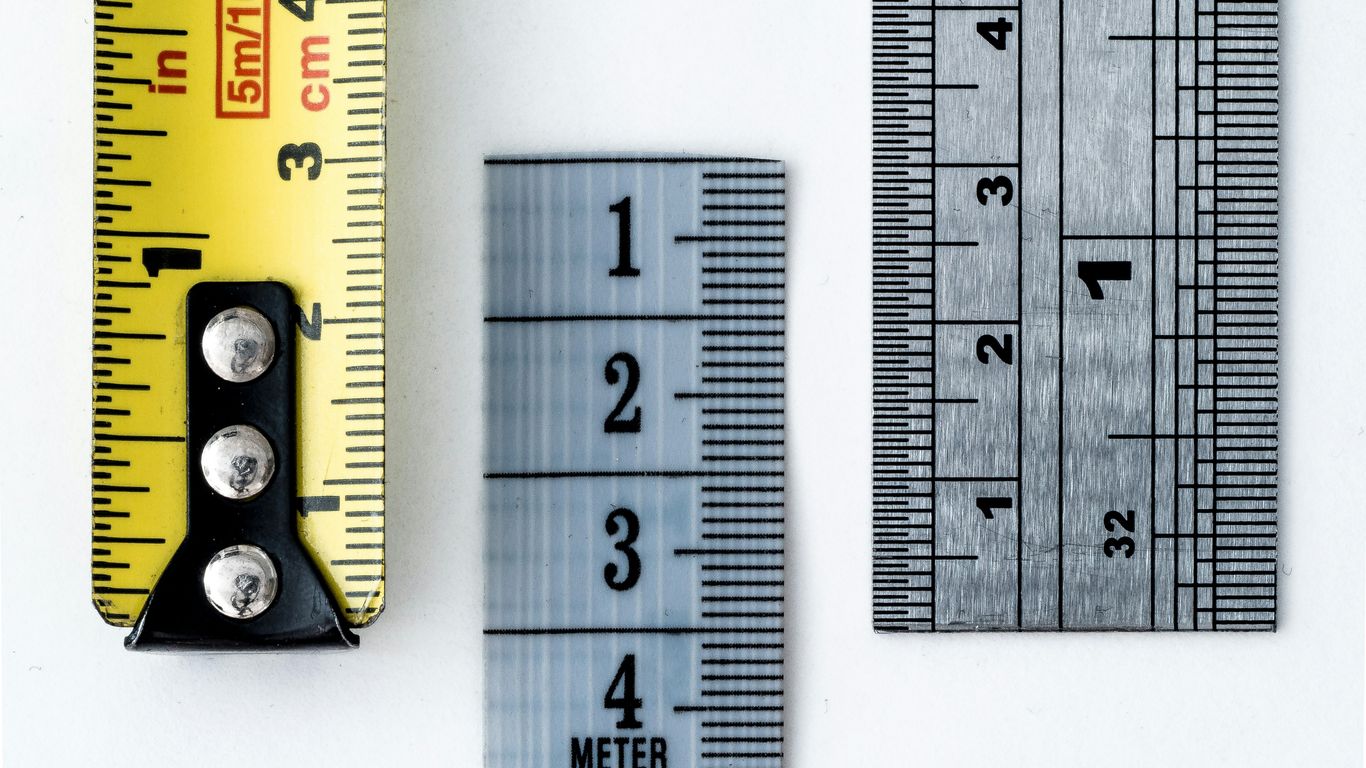
An improper fit not only risks damaging your items but can also ruin the visual balance of your display area. Careful preparation ensures your custom acrylic display cases reflect the exact dimensions of the base and height of your collection items. Taking time to map out your space will prevent the frustration of receiving an item that is too tight or unnecessarily bulky for your shelf.
Identifying essential dimensions for your display area
Start by using a tape measure to determine the height, width, and depth of your item, including any protruding elements or base details. Once the dimensions for the item itself are established, evaluate the footprint available on your shelving or display cabinet. Ensure that the total outer dimensions of the proposed box do not exceed the shelf span, allowing for stable placement.
Accounting for necessary clearance and breathing space
It is often recommended to add at least 2cm of clearance on every side to ensure easy lifting and placing without the risk of scratching the item or the box internals. This breathing room is critical for preventing thermal expansion issues and allows for air circulation if the case is kept closed for extended periods.
Strategies for fitting irregular or architectural models
For unique shapes, consider a modular design that can be adjusted to fit the specific peaks or extensions of your model. Architectural models or tall statues often benefit from taller, narrow designs that focus the viewer’s gaze. The following table illustrates typical sizing considerations:
| Item Type | Suggested Clearance | Base Support Type |
|---|---|---|
| Miniature Figurines | 1-2 cm | Standard Clear |
| Sports Memorabilia | 3-5 cm | Black or Mirrored |
| Large Models | 5-8 cm | Reinforced Platform |
By ensuring the optimal balance of space, you allow the item to stand as the focal point of the enclosure without feeling cramped or claustrophobic.
Choosing between precision bespoke sizing and standard dimensions
Standard sizes are suitable for common items like sports balls or trading card slabs, offering faster turnaround and lower costs. Precision bespoke sizing, however, is essential for unique artifacts that don’t fit into conventional boxes. Choosing a custom-tailored box ensures that your display looks intentional and professionally curated, rather than improvised.
Preserving items with specialised acrylic features
Adding specific features can drastically change how your collection is perceived and how well it is guarded against external elements. Implementing showcase for valuable items customization requires an assessment of your environment’s light levels and the long-term fragility of your pieces. These enhancements translate the unit from a simple cover into a protective and functional gallery environment.
Assessing the importance of UV-filtered acrylic
Ultraviolet radiation is a major culprit in the fading of pigments, whether on prints, textiles, or painted figurines. Incorporating a UV-filtered sheet prevents these damaging rays from penetrating the enclosure, effectively extending the vividness of your items. This is an essential consideration if the box will be placed near a window or in a room with harsh artificial lighting.
Managing light reflection with anti-glare coatings
Reflection can often obscure the interior details of a display, making it difficult for viewers to appreciate the contents. Anti-glare coatings disperse incident light to reduce bright hot spots and unwanted visual noise, providing a much higher clarity. This makes your collection easier to photograph and significantly enhances the quality of viewing from any angle in a lit room.
Incorporating mirrored bases for visual depth
Mirrored bases allow collectors to see the underside of an object, providing a 360-degree viewing experience that would otherwise require removing the item. This addition adds visual weight and complexity to the overall look of the case. By reflecting the object, it creates an illusion of a more expansive display setup, effectively doubling the apparent scale of your exhibit.
Integrating custom LED lighting for enhanced presentation
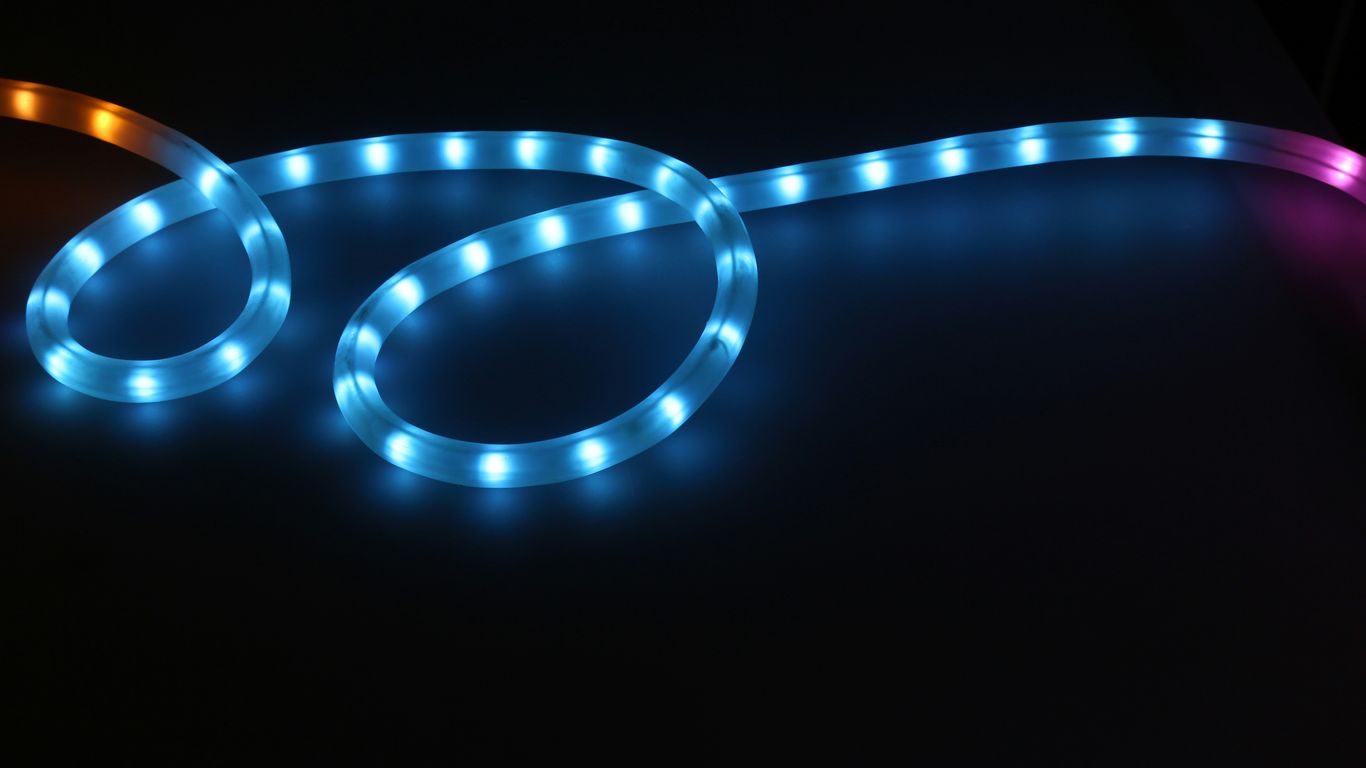
Lighting should do more than just illuminate; it should highlight textures and define shapes within your acrylic display box. Integrated LED strips can be placed at the top or base to provide soft, glowing profiles that accentuate the depth and colour of your items. Proper positioning prevents harsh shadows and keeps the focus entirely on the collection.
Practical maintenance for long-lasting display boxes
Maintaining the pristine appearance of your acrylic surfaces is straightforward provided you follow the right procedures. Unlike glass, acrylic is susceptible to fine surface scratches if handled improperly, so adopting a gentle routine is necessary for longevity. You can easily maintain your Acrylic MY setup with simple household care.
Recommended cleaning solutions for acrylic surfaces
- Use a soft microfibre cloth dampened with a gentle dish soap and water solution.
- Avoid commercial cleaners containing ammonia, as they can cause micro-fissures over time.
- Dedicate a separate, clean cloth for drying to prevent water spots.
- Ensure the cleaning environment is well-ventilated during the process.
Following these steps regularly will keep your enclosure clear of grime, effectively maintaining the transparency of the material for a lifetime of use. Always wipe the surface in one direction rather than in a circular motion to reduce the probability of surface swirls.
Avoiding abrasive materials that cause surface scratches
Never use paper towels or rough sponges, as the wood fibres in paper and the texture in sponges can leave tiny, permanent micro-scratches on the surface. These small scratches will gradually result in a hazy, clouded appearance that is difficult to fix. By sticking exclusively to clean microfibre or soft cotton cloths, you protect the high-gloss shine that makes the enclosure so effective.
Techniques for polishing out minor scuffs and marks
If you find minor scratches that have occurred despite your care, specialised acrylic polishes can be applied to buff away the damage. These mild abrasives act to level the surface, restoring the original smoothness and clarity of the material. Always test a small, hidden corner of the case before applying any polish to ensure compatibility.
Frequency of cleaning to prevent grit accumulation
Cleaning frequency should depend on the location of your display; items kept in high-traffic or dusty areas may need a gentle dusting every one to two weeks. Avoid excessive scrubbing if there is loose debris, as rubbing grit into the surface is the primary cause of scratching. Instead, use a light blast of compressed air to knock off large dust particles before proceeding with a damp cloth.
Styling and exhibiting your collection safely
Creating a cohesive look for your display is the final step in ensuring your collection conveys the right atmosphere. Safety should always come first, ensuring that your acrylic display box is not only looking good but also structurally sound. Balancing weight and visual interest requires you to consider the surroundings just as much as the contents themselves.
Creating eye-catching shelf arrangements
Variety is key when styling. Group items by colour, theme, or origin, and use the empty space inside the case to provide room for each object to breathe. An overcrowded case will feel chaotic and may lead to inadvertent damage when trying to extract or move individual components.
Balancing aesthetic appeal with physical stability
Ensure that the heaviest items are placed directly on the base to keep the centre of gravity low and stable. Never place larger or heavier items on internal plastic shelves that are not reinforced, as this can cause drooping over time. Stability also involves checking that your shelf is level; a slight slant can make even a well-built box unstable.
Using risers to create tiered visual interest
Acrylic risers are an effective tool to add height and separation between items, allowing the eye to sweep across the collection easily. Using multiple levels breaks the monotony of a flat display, ensuring smaller items are not hidden behind larger ones. You can find many creative ways to use these functional components to construct a professional, multi-dimensional exhibit.
Positioning displays away from damaging environmental conditions
Avoid placing your displays in areas prone to drastic temperature changes, such as near radiators or in direct sunlight, which can cause the material to expand or contract. Humidity is also a factor; while acrylic itself is stable, excessive moisture can lead to an environment conducive to mould around delicate, porous collectibles. Keeping your displays in climate-controlled areas will preserve the integrity of both the case and the items stored inside.
Conclusion
Investing in a high-quality display solution is the surest way to preserve the stories and monetary value embedded in your collection. By following the guidelines for material selection, expert fabrication, and careful maintenance, you ensure that your treasures remain as brilliant as the day you first displayed them. Whether you are using a standard case or commissioning a bespoke build, the thoughtful integration of acrylic into your decor elevates your space and protects your memories for the future.
Frequently Asked Questions
How often should I clean my acrylic display case?
It is recommended to gently dust your display with a microfibre cloth every two weeks to prevent grit build-up that can cause scratches.
Can I use Windex or ammonia-based cleaners on acrylic?
No, you should never use ammonia-based cleaners, as these can chemically damage the finish and cause the material to crack or cloud over time.
Does acrylic offer UV protection for my items?
While standard acrylic does not block all UV, you can purchase specific UV-filtered acrylic sheets that significantly reduce the amount of harmful radiation reaching your collection.
Are acrylic boxes fire-safe?
Acrylic is a thermoplastic and will soften and eventually melt if exposed to high heat or open flames, so it should always be placed away from fire hazards.
Can I repair deep scratches on an acrylic box?
Light scuffs can be polished out, but deep scratches typically require professional mechanical resurfacing or may require replacing the damaged panel entirely.
What weight can an acrylic box handle?
Weight capacity varies significantly based on material thickness and assembly method; always consult your fabricator about the expected load before placing heavy objects on shelves.
Is it safer than glass for my children to be around?
Yes, acrylic is generally safer than glass because it is highly impact-resistant and does not shatter into hazardous, sharp-edged fragments if an accident occurs.