Key Takeaways
Choosing the right material for framing is essential for both the protection and the aesthetic presentation of your artwork. Here are the five most important factors to keep in mind when comparing these options:
- Acrylic is significantly more impact-resistant and safer for homes than standard glass.
- Glass offers superior scratch resistance but carries a higher risk of shattering during transport.
- The lightweight nature of acrylic makes it ideal for large-scale displays and protecting drywall.
- Proper maintenance for acrylic requires anti-static cleaners to prevent surface scratches.
- Museum-grade acrylic provides excellent UV protection and long-term clarity for high-value art.
Durability and safety concerns
When selecting framing materials for your home or office, balancing longevity with physical safety is paramount. High-traffic areas, or spaces frequently used by family, benefit immensely from materials that stand up to accidental bumps and environmental stress without failing unexpectedly.
Impact resistance in high-traffic household environments
Acrylic is exceptionally durable, often demonstrating impact resistance that makes it a preferred choice over brittle float glass. In areas like hallways or busy living rooms, opting for an acrylic frame minimizes the risk of sudden damage.* This resilience ensures that the display remains intact even if a frame is accidentally bumped or jarred during daily life.
Why an acrylic frame is preferred for child-safe spaces
For households with young children or active pets, safety is the primary concern when hanging decor. An acrylic frame does not shatter into sharp, dangerous shards upon impact, unlike traditional glass which poses a significant cutting hazard. By installing shatterproof materials, you can protect your art without worrying about the potential for broken glass in accessible play areas.
Managing the risks of glass breakage during transport
Transporting framed art often results in damaged goods if the glazing is made of heavy, fragile glass layers. Using lighter, more flexible materials significantly reduces the likelihood of cracks or chips occurring between your workshop and the final installation spot. Many professionals now specify acrylic panels because they withstand the vibration and handling common during professional shipping far better than glass alternatives.
Understanding visual clarity and light transmission

The way light interacts with your framing material can completely change how a piece of art is perceived on the wall. Achieving perfect visibility involves managing how much light passes through the surface while controlling how reflection interferes with the viewer’s experience.
Comparing light transmission rates of acrylic vs glass
High-quality acrylic provides excellent optical clarity, often matching or exceeding the light transmission rates of standard double-strength glass. This clarity ensures that colours remain vibrant and the fine details of your artwork stay sharp when viewed from any angle.
The impact of anti-reflective coatings on artwork visibility
Adding specialized coatings to your glazing can transform how viewers interact with a piece. When you use anti-glare acrylic for your professional displays, you eliminate the distracting mirrors often found on standard glass. This effectively allows the focus to remain entirely on the art, especially when working with high-resolution photographic prints.
Mitigating glare in brightly lit rooms and galleries
Managing light in spaces with large windows or heavy task lighting is a unique challenge for art curators. Anti-glare surfaces diffuse ambient light effectively, preventing the harsh washouts that often make traditional glass frames look cloudy or unreadable in midday sun.
Weight considerations for wall mounting

The physical weight of a frame dictates how much structural support you need to build into your wall. Heavier materials require heavy-duty anchors or stud-mounted hardware, which might not be practical for every interior design vision.
The benefit of lightweight materials for large-scale frames
For massive art pieces, the weight of standard plate glass often requires secondary framing and reinforced wall supports. Designers appreciate that acrylic is significantly lighter, allowing them to hang custom acrylic sheets without putting excessive burden on interior walls.
Reducing stress on drywall and hanging hardware
Lighter frames are generally much easier to manage, reducing the risk of drywall tear-outs or sagging anchors.
| Frame Type | Typical Weight per sq ft | Structural Requirement |
|---|---|---|
| Standard Glass | 2.5 lbs | Heavy-duty anchors |
| Tempered Glass | 2.8 lbs | Stud-mounted install |
| Premium Acrylic | 0.8 lbs | Drywall-friendly bolts |
By choosing a lower-weight material, you can successfully mount larger displays using standard hardware, which helps maintain cleaner wall surfaces in the long run.
Structural integrity requirements for floating frame designs
Floating frames rely on a tension or spacer system to provide depth and shadow. Because acrylic can be precisely fabricated, floating acrylic frames maintain their integrity over time without the sagging often seen in heavier, makeshift glass mounts. This offers a sleek, modern look that remains perfectly balanced on the wall.
Cleaning and scratch resistance
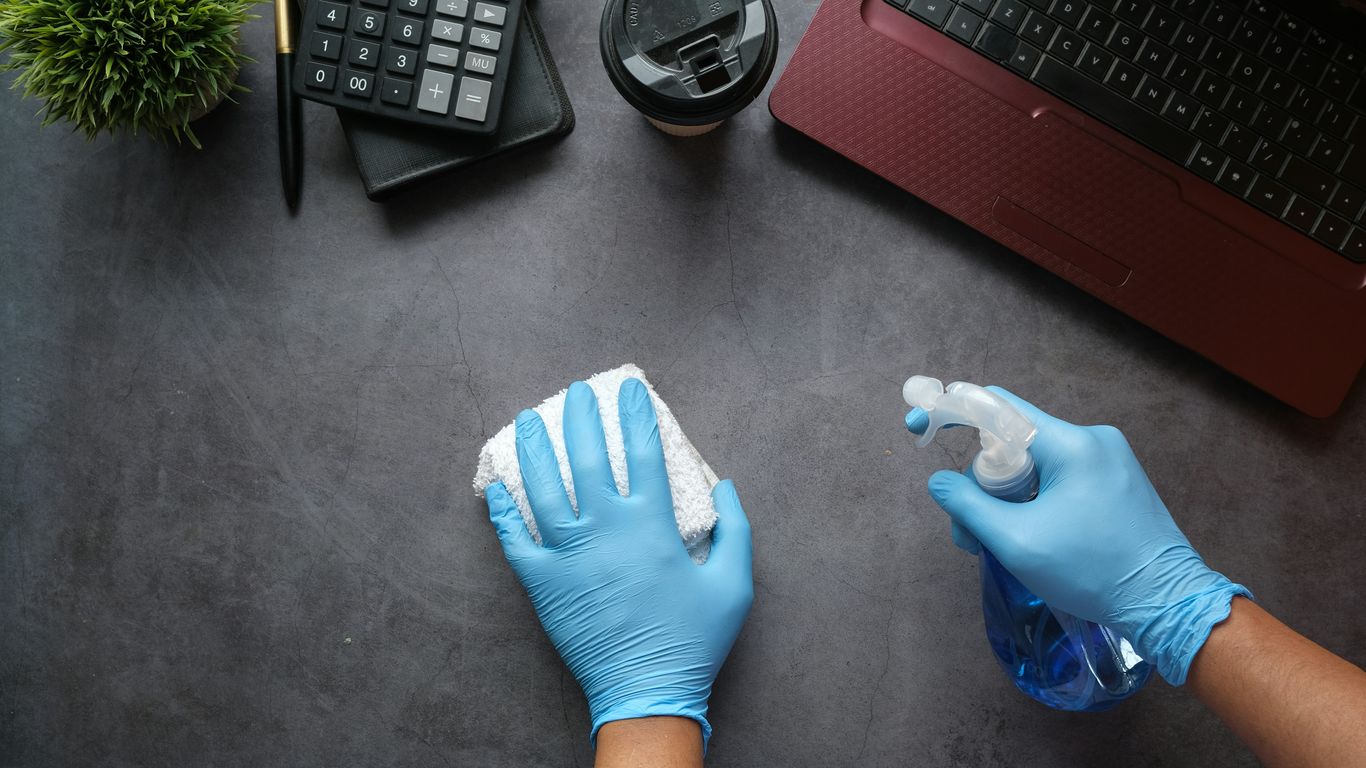
Keeping your displays looking pristine starts with understanding the specific maintenance needs of your chosen material. While both glass and plastic have their nuances, the approach to cleaning each is quite different to protect the surface finish.
Best practices for cleaning glass without streaking
Glass surfaces are naturally prone to streaking if the wrong detergents are used. Experts typically suggest using diluted vinegar solutions and paper-free cloths to ensure a clear finish for traditional glazing.
Sensitive care routines for preventing surface scratches on an acrylic frame
Because acrylic is a softer material than glass, it requires a gentle touch to maintain its polished appearance. To keep your display looking new, follow these essential care steps:
- Use only high-quality microfiber cloths to sweep away dust particles gently.
- Apply clear water or mild soap solutions instead of harsh chemical glass cleaners.
- Wipe in one direction rather than in circular motions to avoid micro-abrasions.
- Avoid paper towels, as these can contain wood pulp that creates tiny, permanent scratches.
By following these routine habits, your display will remain transparent and mirror-free for years to come.
Selecting the right anti-static products for dust removal
Acrylic can build up static charge, which attracts dust more quickly than glass does. Using a specialized anti-static cleaner helps neutralize this charge, reducing the frequency of cleaning needed and keeping your artwork pristine for longer periods.
Aesthetic versatility and customisation
Designers often turn to specific materials to serve the thematic goals of an exhibition or an office space. The way a material can be cut, tinted, or finished defines the boundaries of your creative possibilities.
Achieving a modern minimalist look with transparent acrylic
Transparent framing styles excel in minimalist environments where the frame itself should disappear. These pieces provide a clean, frameless look that emphasizes the artwork, creating an airy and sophisticated environment.
Using traditional glass for conservation and antique preservation
In archival settings, heritage pieces may require specific conservation-grade glass. This traditional material is often chosen for its chemical stability, ensuring that delicate historical pigments do not react with the framing medium over many decades.
Integrating diverse materials for high-end exhibition displays
High-end curators often mix textures to define a space. Whether combining timber, metal, or custom acrylic fabrication components, the goal is always to create a cohesive balance that guides the viewer’s eyes toward the focal point of the exhibition.
Long-term value and investment
Investing in quality materials now prevents the need for costly replacements or reframing down the road. It is worth evaluating the material lifespan when you plan your overall interior project.
Assessing the cost-effectiveness of standard vs museum-grade materials
Standard glazing is adequate for short-term poster displays, but museum-grade options provide a much higher return on investment for valuable art. By blocking harmful UV rays and preventing chemical yellowing, you preserve the secondary market value of expensive collections.
Evaluating the preservation qualities of glass in archival settings
Consistent environmental control is essential for preventing the degradation of paper-based art, regardless of whether you choose specialized glass or premium acrylic for your display cabinet.
Using the right glazing acts as a vital barrier against pollutants and humidity. This long-term protection is why professional galleries prioritize high-performance clear materials that do not degrade or yellow over time.
Expected lifespan and resistance to UV yellowing over time
Acrylic is engineered to withstand long-term exposure to light without developing that unattractive yellow tint common in cheaper plastic materials. For those seeking professional guidance, our team can provide further information on high-quality materials.
Conclusion
Choosing between an acrylic frame and glass depends heavily on your specific environment, budget, and aesthetic goals. Acrylic offers unmatched safety, lightweight construction, and versatility, making it ideal for modern, active homes, while high-quality glass remains a staple for traditional conservation and scratch-sensitive settings which can be addressed through contacting our fabrication experts for custom advice.
Frequently Asked Questions
Is an acrylic frame easier to install than a glass frame?
Yes, because acrylic is significantly lighter, the installation process usually requires fewer heavy-duty anchors, making it easier for a single person to mount large frames on standard drywall.
How often do I need to polish an acrylic display?
You can keep your display looking great by dusting it weekly with a soft cloth; you only need to use a dedicated anti-static cleaner when you notice visible fingerprints or heavy dust build-up.
Will professional framing shops use acrylic instead of glass?
Many professional shops prefer acrylic today because it is safer to handle, easier to ship without breakage, and available in specialized anti-glare finishes that provide superior visual clarity.
Can acrylic frames be used in humid rooms like bathrooms?
Acrylic is highly resistant to moisture, making it a suitable choice for humid areas where traditional glass might fog up or condensation might cause damage to frames with delicate backing materials.
Does acrylic protect artwork from UV light?
Standard acrylic is clear, but many versions are manufactured specifically to include UV-filtering properties, which effectively protect your artworks and photos from fading caused by sunlight exposure.
What do I do if my acrylic frame gets a small scratch?
Minor surface scratches on high-quality acrylic can often be buffed out using a dedicated plastic polishing compound and a soft microfiber cloth, effectively restoring the surface’s original finish.
Is clear acrylic expensive compared to standard glass?
While high-performance, museum-grade acrylic can have a higher upfront cost, its durability, lower shipping costs, and long-term protection for your artwork often make it a more cost-effective choice in the long run.