Key Takeaways
Choosing the right dimensions ensures your acrylic products are durable, functional, and visually appealing to your target audience. Understanding material scaling and hardware compatibility is essential for a professional finish.
- Standard sizing ranges from 5cm compact models to 8cm premium pieces.
- Thickness directly increases durability and internal hardware stability.
- Custom die-cut shapes require adjustments to surrounding clear space.
- Higher DPI resolution maintains crisp graphic quality on smaller scales.
- Matching hardware ring diameter ensures long-term wear and comfort.
Standard acrylic keychain sizes
Selecting the correct size requires a balance between your design needs and the intended use of the finished product. While compact versions work well for mass-produced giveaways, larger dimensions are often preferred for premium retail pieces. Proper sizing ensures the acrylic keychain sizes you choose align with your project goals.
Compact sizes for everyday carry
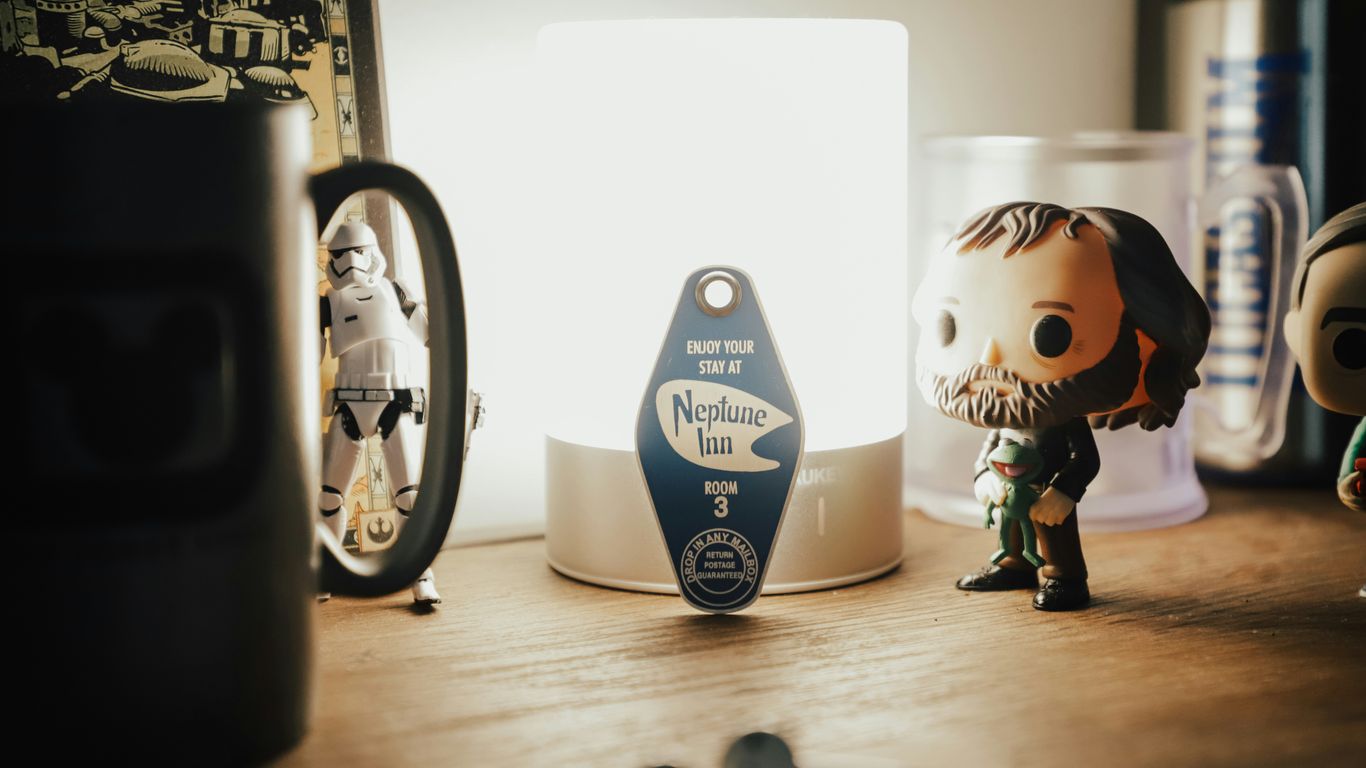
Compact keychains, typically around 5cm, are ideal for high-volume distributions where portability is the priority. These small, lightweight items sit comfortably in a pocket without adding excessive bulk to a bunch of keys.
Popular medium dimensions for retail
Most retail merchandise falls in the 6cm range, providing a perfect middle ground for visibility and daily utility. This size offers enough canvas for branding without overshadowing the keys themselves.
Large sizes for promotional branding
For promotional campaigns that require high-impact imagery or bold logos, 8cm dimensions allow for greater design detail. Larger pieces serve as distinct accessories that stand out when attached to bags or gear.
Industry standard measurements explained
The following table outlines typical dimensions found across many production scenarios, which helps simplify the initial design selection process:
| Size Category | Typical Dimensions | Suggested Usage |
|---|---|---|
| Compact | 5 cm | Promotional giveaways |
| Standard | 6 cm | Retail merchandise |
| Large | 8 cm | Collectible items |
Standardizing these dimensions ensures consistent product tiers across your brand, allowing customers to understand the scale of what they receive. Adhering to these norms supports better planning for custom acrylic fabrication workflows and inventory management.
Factors affecting physical size choices
Choosing the physical footprint involves more than just aesthetics; it concerns the practical nature of how a piece interacts with its environment. Artwork detail often mandates a larger size, as smaller canvases may lose legibility for complex logos or illustrations. Decisions made during this stage impact the ultimate perceived value and durability of the finished product.
Considering artwork complexity and detail
Intricate designs with fine lines or small text require a larger surface area to remain clear and legible after printing. Shrinking complex imagery too far can lead to blurring or loss of definition, which detracts from the intended aesthetic.
The impact of keychain weight and thickness
Heavier, thicker material adds a sense of quality, but it also increases the physical strain on the attachment point. Consistent material specs are vital when learning how to custom acrylic keychains effectively for long-term use.
Ergonomics for pocket and bag portability
Overly sharp or large designs can become cumbersome when stored in tight spaces. Rounding your corners or choosing compact dimensions preserves comfortable everyday carry ergonomics for your end users.
Cost implications of material usage
Larger dimensions require more sheet material and longer cutting times, which inherently influences the final production costs. Balancing size against your budget is a key aspect of managing inventory for diverse product lines.
Designing for specific keychain shapes

Custom shapes offer a unique way to represent your brand, but they require careful consideration regarding how the edge profile interacts with the internal design. Ensuring your graphics are balanced within the boundary of a custom cut is critical for maintaining visual harmony. You might find that AI design platforms help visualize these proportions before committing to a final cut line.
Optimising square and rectangular proportions
Squares and rectangles provide stable, predictable layouts that are perfect for contact information or structured brand logos. These geometric shapes are easy to print and cut, resulting in very low waste and high efficiency.
Balancing circular designs with keyhole placement
Circular designs naturally draw the eye, but the placement of the hanging hole can interrupt your artwork if not planned properly. It is often wise to incorporate a small margin of clear space around the hole to ensure structural integrity.
Handling irregular or custom die-cut contours
Custom outlines allow for creative freedom, especially when mimicking the shape of a printed character or product. However, always ensure the contour lines remain smooth to avoid sharp points that might snap or damage clothes.
The role of aspect ratio in aesthetic appeal
A balanced aspect ratio prevents your design from looking stretched or squashed in the final print. Scaling your artwork proportionally is fundamental to maintaining professional results, similar to how one might approach the design of acrylic name tags.
Print resolution and size requirements
Maintaining visual fidelity starts with high-quality source files that translate well to plastic surfaces. If your digital resolution is too low, the final output will appear pixelated, especially on larger items where the scaling is more apparent. Understanding appropriate printing methods helps achieve the intended results regardless of your chosen dimensions.
Maintaining clarity at smaller scales
Small items require clean, high-contrast imagery to ensure details remain distinct. Avoid overly intricate background textures which can become noisy and difficult to appreciate on compact surfaces.
Minimum DPI requirements for crisp imagery
Aiming for at least 300 DPI ensures that your imagery remains crisp even when printed on smaller formats. This standard is widely accepted as the baseline for high-quality production results.
Scaling vector files for accurate output
Vector graphics are essential because they can be scaled to any size without losing quality. Using vector paths for your text and logos ensures that they look sharp on everything from small bag tags to larger custom acrylic awards.
Preventing distortion in printed graphics
Verify that your print bleed matches the edge of your cut line to prevent white borders or stretched ink. Precision in this step is what separates a DIY-looking project from a professional retail-ready piece.
Hardware considerations for your chosen size
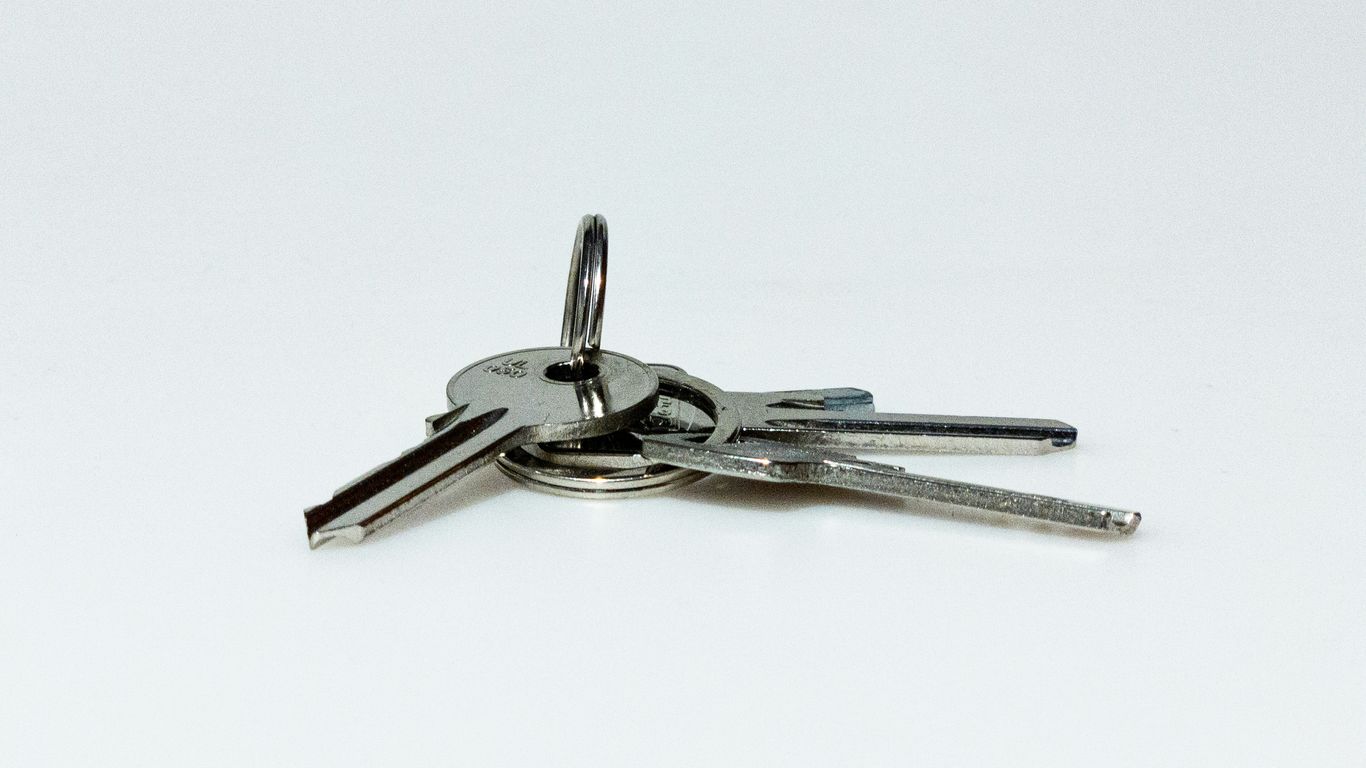
Hardware choice should never be an afterthought, as the attachment method influences both the look and the lifespan of the chain. Larger, heavier pieces require robust jump rings or swivel clasps to ensure they stay secure through daily use. Just as you might consider the height of acrylic stands, you must evaluate the scale of your hardware relative to the acrylic charm.
Matching ring diameter to keychain width
The ring size should be proportionate to the charm’s width, preventing the piece from looking top-heavy or cluttered. A ring that is too large can overpower delicate designs, while one that is too small might limit the range of motion.
Strength requirements for larger acrylic pieces
Heavier pieces necessitate thicker metal rings to prevent bending. Ensure your attachments can support the weight of the acrylic to avoid hardware failure during regular use.
Aesthetic balance between attachment and charm
Choose hardware finishes like silver, gold, or black to match the overall vibe of your printed artwork. This attention to detail creates a cohesive product that feels intentional and well-designed.
Improving durability through hole placement
Keep hanging holes away from the very edge of the acrylic material to prevent cracking. Providing sufficient distance between the hole and the boundary strengthens the connection point, allowing the item to withstand rough handling while remaining attached to keys.
Best practices for prototyping your design
Prototyping reveals issues that CAD software may miss, such as how a design feels in the palm of your hand. Before jumping into a full production run, verify your dimensions by testing a physical print. This iterative process identifies potential weak points in the geometry.
Printing paper mock-ups to test physical scale
Simply printing your design on paper and cutting it out provides an immediate sense of true scale. You can hold the paper version to see if the size feels right for your specific application.
Comparing digital proofs against real-world sizes
When reviewing digital proofs, always remember that screens can make objects look larger than they are. Using actual measurements and a ruler during your review helps maintain a clear understanding of the physical reality.
Adjusting dimensions based on batch test results
Test batches allow you to observe how different materials react to the cutting process and how the prints hold up over time. If you notice signs of stress at the hole site, slightly increasing the material thickness or moving the hole inward can improve the final batch.
Creating consistent branding across different product tiers
Consistency in sizing helps customers identify your brand quickly within a diverse range of merchandise. Developing a standard template system for your various products keeps your offerings organized and recognizable.
Conclusion
Selecting the right dimensions for your next custom acrylic keychain project is a blend of artistic intent and practical fabrication reality. By focusing on scale, resolution, and hardware compatibility, you produce high-quality pieces that satisfy users and stand the test of time.
Frequently Asked Questions
What is the most common size for custom keychains?
The 6cm dimension is considered the industry standard because it provides a good balance between artistic visibility and ergonomic portability for everyday use.
How does thickness affect the look of a design?
Greater acrylic thickness adds significant visual depth and physical weight, creating a premium feel compared to thinner materials which may appear more lightweight and inexpensive.
Can I use the same design for different keychain sizes?
While you can use the same graphic, you should ensure that your resolution is high enough to support the largest intended size and check that the hardware scale is adjusted accordingly for smaller versions.
How do I prevent the hanging hole from cracking?
To maximize durability, place the hole at least 3-5mm from the edge of the acrylic sheet to ensure there is plenty of solid material surrounding the attachment point.
Do round or square keychains perform better for branding?
Square or rectangular pieces often maximize the use of available space for text and contact details, making them arguably more effective for strict corporate branding compared to circular shapes.
What file type is best for printing graphics on acrylic?
Vector files like AI, EPS, or high-resolution PDFs are strongly recommended because they allow for precise scaling and clean cut lines during the manufacturing process.
How many items should I order for a test prototype?
Producing a small batch of 3 to 10 units is usually sufficient to test the size, feel, and print quality before committing resources to a large-scale manufacturing run.