Key Takeaways
Exploring the use of modern materials can transform your creative, residential, or commercial projects. This guide offers insights into managing reflective surfaces effectively.
- Acrylic mirror sheets are lightweight, shatter-resistant, and versatile alternatives to traditional glass.
- Choosing the correct sheet thickness depends on the intended application, with 3mm being the most common standard.
- These panels are available in various colours and finishes, including gold, bronze, and custom tints for ambient lighting.
- Proper surface preparation and the use of neutral-cure silicone are vital for achieving a distortion-free reflection.
- Safety-focused environments, such as gyms and playrooms, benefit significantly from the high impact resistance of plastic mirror panels.
Understanding acrylic mirror sheets
What is an acrylic mirror sheet?
The acrylic mirror sheet is a durable, lightweight plastic panel featuring a highly reflective, vacuum-metallised backing. Unlike brittle glass, this material is manufactured by applying a reflective coating to one side of an extruded acrylic sheet, creating a clear and bright reflective surface that remains stable. It has become a popular choice for retail and interior designers who need the aesthetic appeal of a mirror without the weight or safety risks associated with traditional glass.
How the reflective surface is created
The mirror effect is achieved through a vacuum-metallisation process where a thin layer of aluminium (or other precious metals for specialised finishes) is deposited onto the back of the acrylic. This layer is then protected by a hard coat or paint to prevent oxidation and scratches. While this process produces a high-quality reflection, it remains sensitive, meaning that the back of the sheet should always be protected from mechanical damage throughout fabrication and use.
Key benefits compared to traditional glass mirrors
Compared to glass, these sheets offer superior impact resistance and are vastly easier to transport and install, as noted in the overview of mirrored acrylic properties. Because they weigh significantly less, you can achieve impressive wall-to-wall coverage without the structural concern of heavy framing systems. They are the ideal lightweight mirror alternatives for mobile displays and fast-paced retail shops where safety and speed of installation are paramount.
Exploring the range of colours available

Standard silver acrylic mirrors
Standard silver remains the most common choice, replicating the classic look of a traditional high-end store mirror with crisp clarity. These sheets are widely stocked and suitable for a variety of projects where a neutral, high-reflectivity finish is required.
| Finish Type | Typical Use Case | Refractive Quality |
|---|---|---|
| Standard Silver | Commercial Decor | High |
| Gold Mirror | Luxury Interior | Warm Tones |
| Bronze Tint | Ambient Styling | Subtle |
Decorative gold and bronze finishes
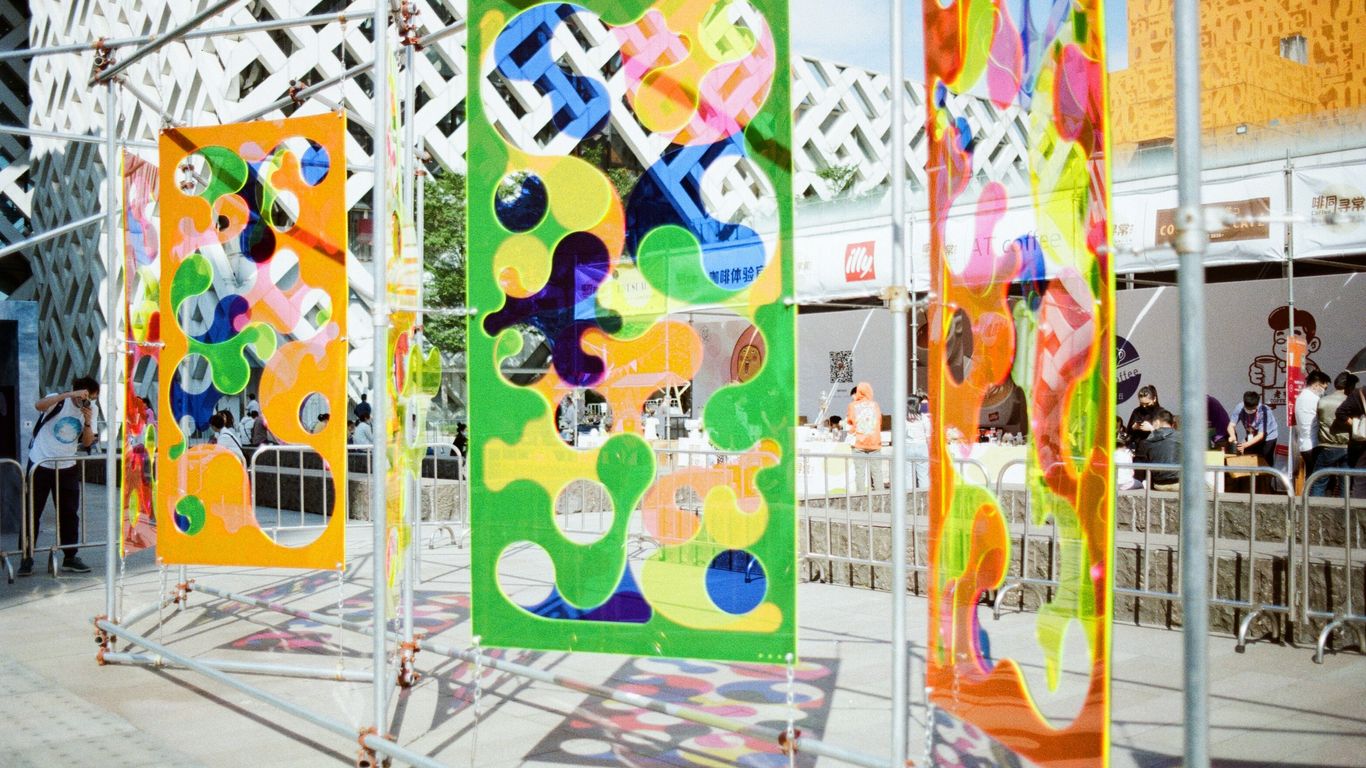
For those aiming for a warmer or more sophisticated interior palette, decorative gold and bronze-tinted coloured mirror acrylic options provide a unique flair. These finishes can add depth to luxury retail displays or high-end residential accent walls, offering an aesthetic touch that standard silver cannot match.
Using tint and colour for ambient lighting effects
When light passes through a tinted or partially reflective mirror, it creates fascinating atmospheric lighting effects. Many designers use these materials to manipulate how a room perceives light, as seen in projects utilizing reflective properties of acrylic for custom atmospheric installations. This versatile approach allows for subtle design work where reflection and colour intensity are carefully balanced for the best outcome.
Choosing the right thickness for your project
Selecting 2mm sheets for wall mounting and displays
Thinner 2mm sheets are a lightweight option perfect for direct wall mounting where minimal profile is desired. Because they are flexible, you should ensure the substrate is perfectly flat to prevent the reflection from warping, often best achieved through guidance from a comprehensive guide to acrylic.
Why 3mm is the industry standard for general use
For the majority of retail and home decor applications, 3mm panels offer the perfect balance between rigidity and ease of use. If you are looking to purchase buy acrylic mirror materials, 3mm is often the recommended starting point because it offers excellent structural integrity while remaining light enough for most wall-anchor systems. Many professionals rely on these specific thicknesses for:
- Reliable mounting on flat retail walls.
- Creating custom point-of-sale fixtures.
- Standard wall cladding in commercial environments.
- Smooth integration with existing booth displays.
Heavy-duty 5mm options for superior rigidity
When structural strength is the priority, such as in large-scale wall panels or free-standing partitions, 5mm choices provide the necessary rigidity. These boards are less prone to bowing over long spans, ensuring that your reflective surface looks professional and stays perfectly aligned under a variety of conditions.
Common applications and design ideas
Interior design and feature wall cladding
Interior designers frequently specify plastic mirror panels to open up small spaces, effectively doubling the perceived size of a room. Whether it is an expansive lobby or a decorative breakfast nook, the versatility of these mirrors allows for creative wall cladding that is both aesthetic and functional.
Retail displays and bespoke point-of-sale fixtures
Retail environments rely on the durability and safety of these sheets to create attractive product displays. Working with a provider like Acrylic.my allows businesses to fabricate specific shapes that draw attention to merchandise, ensuring that the reflective appeal aids in conversion without risking glass shards.
Safety-first environments like schools, gyms and playrooms
In places where high activity or potential impact is common, such as gymnasiums or dance studios, standard mirror glass is a liability. Acrylic mirror is the go-to solution because it provides a safe, high-quality reflection, often used in custom acrylic sheets for safety-conscious building designs.
Essential tips for working with and installing acrylic mirror sheets
Cutting and machining without damaging the reflective backing
When cutting, always cut from the front of the sheet, and ensure that your saw blade or router is sharp to prevent chipping the reflective edges. Even minor vibrations can cause the backing to flake, so supporting the material fully during the process is critical to maintaining a clean edge.
Preparation of flat substrate surfaces for high-bond adhesives
Before mounting, ensure the wall or substrate is completely clean, dry, and flat. Even a small piece of dust or grit trapped behind the mirror will create a noticeable bump, ruining the optical flatness that perspex mirror sheets are known for. Using high-bond neutral-cure silicone is recommended, as solvent-based glues can dissolve the protective backing layer.
Correct cleaning and maintenance techniques to avoid long-term scratches
Unlike glass, acrylic is softer and should only be cleaned with a damp microfibre cloth. Avoid using paper towels or ammonia-based cleaners, which will create permanent micro-scratches on the surface over time. Keeping the surface free of debris ensures the mirror retains its shine for many years.
Selecting the right acrylic mirror for your needs
Assessing impact resistance for high-traffic zones
When choosing your material, look for options that meet your specific safety requirements. While all acrylic mirrors offer better impact resistance than glass, some grades are manufactured specifically for high-traffic zones where durability is needed. Exploring different types of acrylic will help you understand which material grade offers the strength required for your location.
Weight considerations for ceiling or mobile installations
If you are planning an installation for a ceiling or on mobile furniture, weight is a significant factor. Acrylic weighs roughly half as much as glass, making it the superior material for projects that require mounting points with lower load capacities. This allows for more creative design freedoms in mobile booth units.
Managing optical clarity and potential visual distortion
It is important to remember that the quality of your reflection depends heavily on the flatness of the wall. Because acrylic is flexible, if it is bowed during installation, it will cause a funhouse-mirror effect. Ensure your wall preparation or backing board is rigid and perfectly leveled to maintain the high optical fidelity you expect from a premium mirror finish.
Conclusion
Acrylic mirror sheets represent a modern, practical, and visually stunning solution for both personal and professional projects, turning standard spaces into reflective, dynamic environments that are safer than traditional glass alternatives. By carefully selecting your sheet thickness, considering the necessary installation techniques, and choosing the right colour for your desired ambiance, you satisfy the functional needs of any space while maintaining a sleek, modern aesthetic. Following these expert tips will ensure that your next project looks professional, stands the test of time, and meets all your creative goals with ease.
Frequently Asked Questions
Can you cut acrylic mirror sheets to custom shapes?
Yes, these sheets are highly versatile and can be cut into virtually any shape using laser cutters, CNC routers, or even fine-toothed jigsaws.
How does an acrylic mirror compare to glass in weight?
An acrylic mirror typically weighs around 50% less than a glass mirror of the same size, making it significantly easier to hang and safer to transport.
Is it safe to use these mirrors in a gym or playroom environment?
These mirrors are an excellent choice for high-activity spaces because they have superior impact resistance, which minimizes the risks of shattering and injury compared to glass.
What should I use to mount these panels to a wall?
Use only neutral-cure silicone adhesives to bond the sheets to a flat surface, as other glues might contain solvents that damage the metallic reflective film on the back.
Are there different colour options available for acrylic mirrors?
Beyond standard silver, you can choose from a range of decorative colours, including gold, bronze, and various custom tints, which allow for a wide range of ambient lighting effects.
Does extreme temperature affect an acrylic mirror?
While acrylic is stable, it can expand and contract with temperature shifts; therefore, leaving small expansion gaps during installation is recommended to prevent bowing.
How do I clean my acrylic mirror to prevent scratches?
Clean the reflective surface solely with a soft, damp microfibre cloth and avoid using harsh household chemicals or abrasive paper towels to keep the surface clear for years.