Key Takeaways
Designing effective signage for your Malaysian business requires careful consideration of material durability and local regulatory compliance. Understanding these core factors ensures your investment delivers lasting professional appeal.
- Select the correct acrylic thickness based on your installation site.
- Prioritise readability and layout to match local consumer preferences.
- Always verify signage permits with your specific municipal council.
- Maintain UV resistance through high-quality materials and coatings.
- Work closely with professional fabricators for accurate prototyping.
Choosing the right material properties
Understanding acrylic thickness and clarity
Choosing the appropriate thickness for your custom acrylic sheets and fabrication services in Malaysia is fundamental to both the structural integrity and the final aesthetic of your display. Typically, thinner sheets are ideal for indoor use or mounted nameplates, whereas thicker panels provide the rigidity needed for outdoor, weather-exposed installations. Clarity plays a equally vital role, with high-grade virgin acrylic offering superior transparency and light transmission compared to recycled alternatives. Ensuring you select the right grade for your specific environmental conditions is a crucial step for long-term satisfaction.
Comparing cast versus extruded acrylic
When comparing materials, it is helpful to understand the manufacturing differences between cast and extruded sheets. Cast acrylic is created by pouring liquid mixture into moulds, resulting in more consistent thickness, better optical clarity, and higher resistance to solvents. Extruded acrylic is pushed through rollers, making it more cost-effective for large production runs but slightly more prone to stress in specific climates. Consider their performance characteristics in the following breakdown.
| Feature | Cast Acrylic | Extruded Acrylic |
|---|---|---|
| Optical Clarity | Superior | Standard |
| Uniformity | Excellent | Good |
| Chemical Resistance | Moderate to High | Low |
| Cost | Premium | Budget-Friendly |
Determining appropriate finishes for your brand
Your brand identity should dictate the finish of your signage, as it significantly impacts how light interacts with your logo. Glossy finishes are often chosen for a sleek, high-end appearance in corporate environments, while matte or satin finishes reduce glare in brightly lit retail spaces. This aesthetic choice should be evaluated alongside the expected lighting conditions of your chosen installation wall.
Choosing between clear, opaque, or frosted options
Selecting the right density involves balancing visibility with the desired mood of your signage. Frosted options are excellent for creating softness or privacy without blocking light, making them a popular choice for office partitions and reception areas. Opaque panels, by contrast, offer a solid backdrop that makes light-coloured text or logos pop effectively, especially in day-lit storefronts.
Design principles for visual impact
Balancing whitespace with bold typography
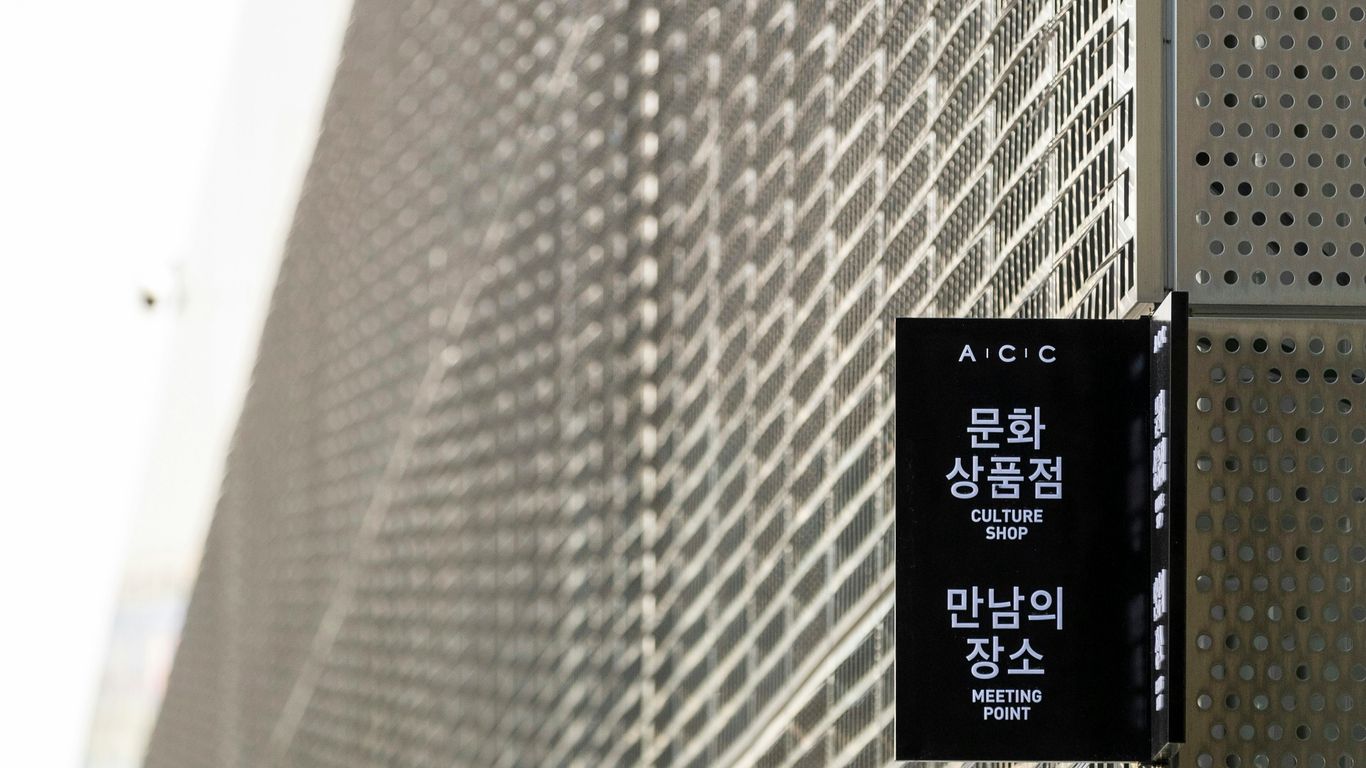
Successful sign design relies heavily on how you manage the negative space around your core message. Overcrowding your acrylic board with too much information can distract customers, so keeping your composition clean is essential. Using concise, bold typography ensures that the most important details, such as your business name or primary contact, stand out even at a glance.
Applying effective colour psychology for Malaysian consumers
Colour perception varies, and using palettes that resonate locally can significantly boost engagement for your business sign printing Malaysia needs. For retail environments, warm, inviting tones often encourage approachability, whereas professional offices might prefer cooler, more refined colour schemes. Consistency with your existing brand guidelines remains a top priority to reinforce recognition.
Integrating branding elements and logos
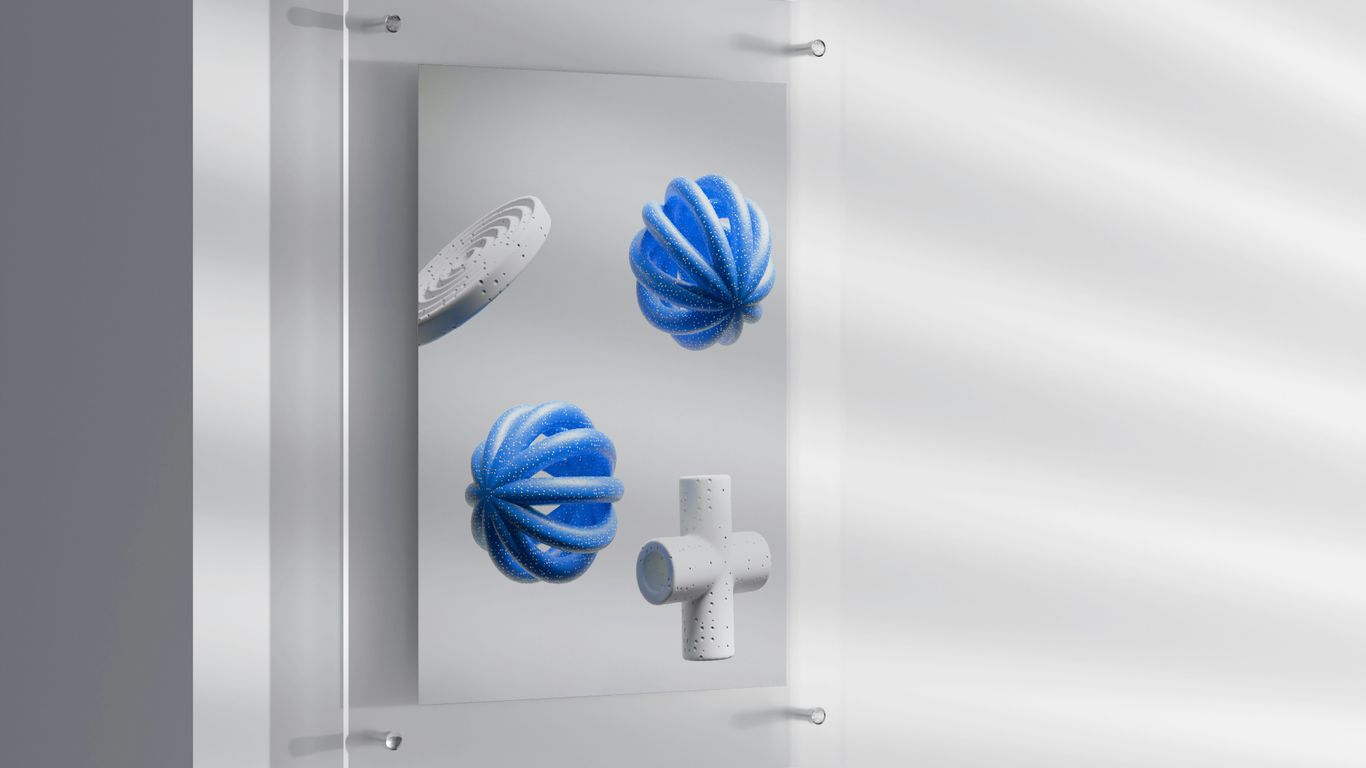
Integrating your logo requires precision to ensure the production process accurately represents your brand colours and fine details. Modern custom perspex signs often benefit from multi-layered designs, where individual brand motifs are mounted onto a base panel to add depth and sophistication. Make sure your design source files are high-resolution for the best results during fabrication.
Prioritising readability and distance legibility
Signage effectiveness is frequently measured by how well it can be read from the street or a moving vehicle. As a guideline, use larger fonts for primary messages and ensure that the contrast ratio between your text and the sign background is high, avoiding thin, decorative fonts that might blur from a distance.
Navigating Malaysian regulatory requirements
Understanding local council signage permits
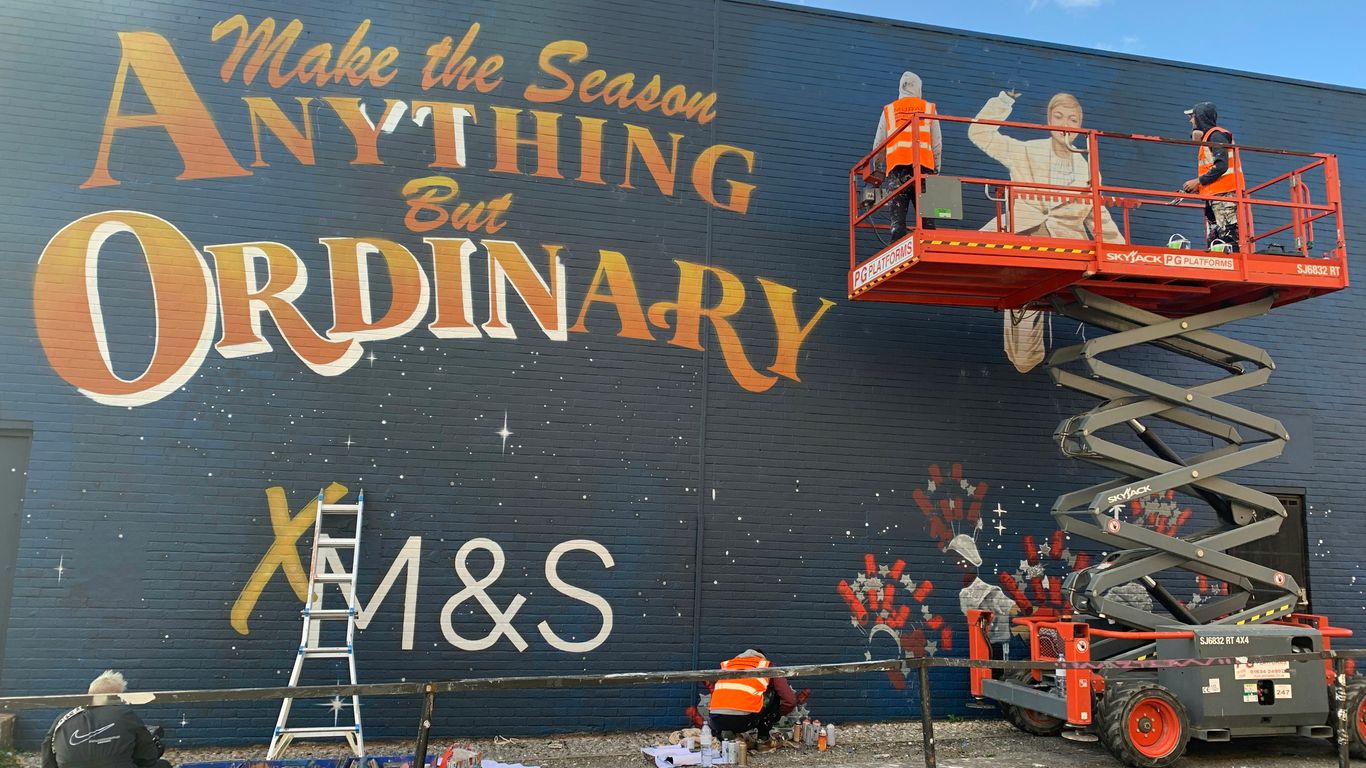
Securing the necessary permits is a mandatory part of setting up modern shop front signs in Malaysia. Local municipal councils hold specific guidelines regarding the size, placement, and content of exterior displays that must be strictly followed. Relying on an experienced local partner can help streamline this administrative process significantly.
Complying with building management guidelines
If your business operates within a shopping mall or a managed office tower, you must also adhere to the specific aesthetic and safety rules set by the building’s management team. These guidelines often cover everything from the maximum weight of the sign to the specific types of permitted lighting, ensuring the entire building remains uniform and safe.
Zoning and safety regulations for public spaces
Public safety is paramount when installing signage on high-traffic footpaths or in shared spaces. Regulations often mandate specific mounting heights and fire safety requirements for materials used in public areas to protect visitors. It is wise to have these requirements clearly documented before you start your project.
Bilingual signage standards and Bahasa Malaysia mandates
Malaysian business regulations place importance on the use of Bahasa Malaysia for public-facing communication. Ensuring your primary signage adheres to these bilingual standards is not just a regulatory requirement but also builds trust with local communities. Our team can help you navigate perspex sign design tips that incorporate both languages effectively.
Selecting mounting and installation methods

Choosing between stand-off bolts, cable systems, or adhesives
Mounting methods range from minimalist aesthetic approaches to heavy-duty structural solutions. The choice depends entirely on your wall surface and the weight of your chosen signage. Cables offer an elegant, floating feel that is perfect for interior lobby signs, whereas stand-offs provide a robust, fixed presence that works well for exterior building identification. When considering your acrylic display boards installation, keep the following items in mind:
- Ensure the wall substrate can handle the weight of the hardware.
- Verify the proximity to power sources for illuminated designs.
- Use weather-resistant bolts for permanent exterior mounting.
- Confirm that the chosen fasteners match your desired visual style.
Selecting appropriate hardware for wall surfaces
Different wall finishes like brick, concrete, or glass require specific mounting hardware to avoid damaging the structure. Masonry walls require anchors to distribute load safely, while glass or smooth metal surfaces might utilize specialized adhesives or suction systems to maintain integrity without drilling.
Implementing lighting for backlit or halo-lit effects
Illumination can transform a standard sign into a dynamic, 24/7 marketing asset. Halo-lit signs, which cast a soft glow against the wall, add an aura of luxury to high-end storefronts. Alternatively, backlit options provide uniform brightness that makes reading easy after dusk, which is especially effective for acrylic light box signs in high-traffic areas.
Ensuring structural safety in varied environments
Structural safety is non-negotiable when mounting signs outdoors where wind loads and temperature fluctuations are common. Professional installation must account for these environmental stresses to prevent the sign from becoming a safety hazard to pedestrians or property. If you need assistance with specific hardware or professional guidance for your next project, you can contact us for further support.
Maintenance and longevity in local climates
Preventing UV damage and yellowing
Tropical sun exposure can accelerate the yellowing process of lower-quality plastics, so opting for high-grade, UV-stabilised material is essential for longevity. These materials retain their clarity significantly longer, ensuring that your signage remains an asset for years rather than months.
Cleaning techniques to avoid surface scratches
Acrylic, while durable, can be prone to fine scratches if cleaned improperly. Using soft microfibre cloths and gentle, soap-based cleaners is the standard practice for keeping your signs looking pristine. Avoid abrasive paper towels or harsh chemical solvents, which can leave permanent streaks on the surface.
Managing the impact of high humidity and heat
High-humidity climates require materials that won’t warp or expand excessively under extreme heat. Quality acrylic is generally well-suited for these conditions, but proper installation allowing for minor thermal expansion is a professional hallmark. This ensures your sign maintains its shape throughout the wet and dry seasons.
When to consider protective coatings or films
For signs placed in exceptionally harsh areas—such as coastal locations with high salt exposure or areas prone to vandalism—applying a protective laminate or clear protective coating can extend the lifespan of your signage. These layers essentially act as a sacrificial shield, protecting the main sign surface from the elements.
Working with professional fabricators
Requesting samples and technical specifications
Before finalising your order, it is always professional to request physical samples of the materials you are considering. This allows you to verify the finish, density, and thickness in person. Reviewing technical specs provided by the custom acrylic fabricator in Malaysia also ensures you understand the material’s limitations before work begins.
Interpreting production timelines and local supply chains
Production schedules can fluctuate based on the complexity of your custom fabrication needs and current stock availability. A good fabrication partner will provide a transparent timeline, including time for material sourcing and final assembly. It is always best to factor in extra time for shipping and on-site integration.
Comparing cost estimates for custom fabrication
When reviewing quotes, look beyond the final price to understand exactly what is included, such as hardware, design adjustments, and installation fees. Transparency at this stage prevents hidden surprises later, ensuring your project remains within your planned business budget.
Reviewing physical proofs and prototyping options
Prototyping allows you to see how your design looks in three dimensions before the full-scale production starts. This stage is particularly useful for verifying the sizing, legibility, and lighting effects. Reviewing the prototype alongside your project manager can save significant time and resources in the long run.
Conclusion
Investing in high-quality acrylic signage is a strategic move that enhances your business visibility and professional branding. By selecting durable materials, respecting local regulations, and collaborating with professional fabricators, you create lasting displays that serve your company’s goals for years to come.
Frequently Asked Questions
How long do acrylic signs typically last outdoors?
High-quality, UV-stabilised acrylic signs can remain vibrant and durable for several years when properly installed and maintained.
Is acrylic the same as plexiglass?
Yes, acrylic and plexiglass are both common names for the same synthetic plastic material, which is favoured for its clarity and versatility in signage.
Can I install an acrylic sign myself?
While smaller interior signs can be installed with basic tools, professional installation is recommended for large outdoor signs to ensure safety and regulatory compliance.
Does acrylic require special cleaning agents?
It is best to use mild soap and water with a microfibre cloth, as many common household cleaners contain chemicals that can crack or cloud the material surface.
Are there specific rules for outdoor signs in Malaysia?
Yes, most municipalities have strict guidelines regarding size, location, and language requirements that must be followed to avoid potential fines.
Can acrylic signs be illuminated at night?
Absolutely, acrylic is an excellent base for various lighting techniques, including halo-lit and full backlighting, to ensure your message is visible around the clock.
What does UV-stabilising mean for my sign?
UV stabilisation prevents the material from degrading, yellowing, or becoming brittle when exposed to the intense tropical sunlight characteristic of the Malaysian climate.