Key Takeaways
Creating an immersive retail environment is essential for driving customer engagement and increasing conversion rates through strategic visual merchandising.
- Utilise transparent risers to create depth and focus on high-margin items.
- Implement tiered display steps to maximise vertical space on crowded shelves.
- Enhance brand recognition by integrating signage holders directly into your layouts.
- Focus on small, high-impact items at point-of-sale to encourage impulse purchases.
- Use custom fabrication to ensure your display solutions perfectly fit your specific inventory needs.
1. Create clear multi-tiered product displays
Visual depth is a fundamental aspect of effective store layout design. By using multi-tiered displays, retailers can break up the monotony of flat shelving and draw the shopper’s eye naturally towards different product features. These levels allow for a more dynamic arrangement that categorises products without overwhelming the consumer.
When items are arranged in a tiered fashion, it becomes much easier for staff to manage stock density while maintaining a clean aesthetic. Low-profile front items remain visible, while products positioned at the back are elevated, creating an unobstructed view of the entire range. This systematic approach ensures that no item is hidden from the customer’s perspective, effectively reducing "dead zones" on your shelves.
For those needing professional solutions, custom acrylic sheets and fabrication services in Malaysia can help create bespoke tiered structures tailored to specific retail requirements. By focusing on quality craftsmanship, your store displays can become a key part of your branding strategy. A polished, organised display reflects a level of care that customers associate with reliability and professionalism across the board.
2. Highlight limited-edition collections with individual pedestals
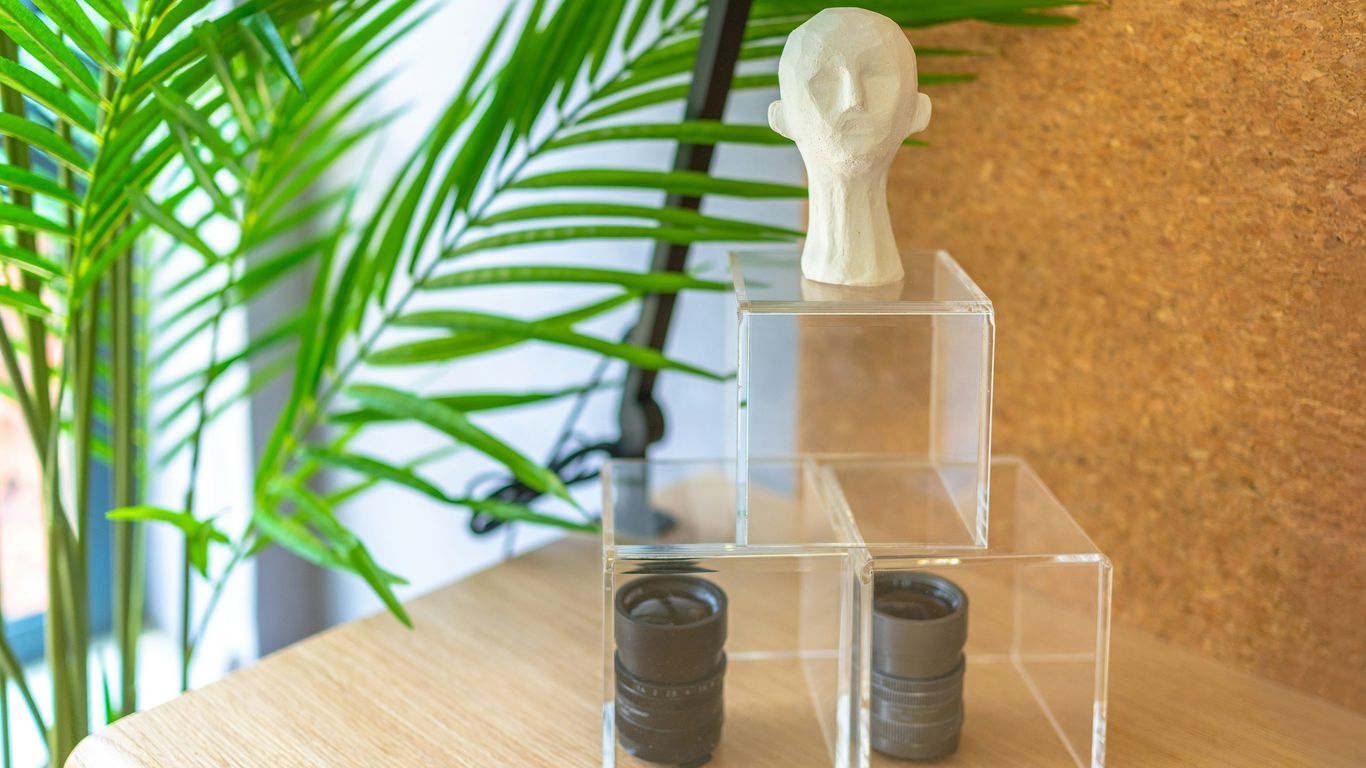
Positioning high-value items on individual pedestals instantly elevates their status in the eyes of the consumer. This technique is particularly effective for showcasing exclusive or high-margin products that deserve more physical space and dedicated attention. When a product is isolated in this manner, it signals to users that the piece is special and warranting a premium consideration.
Pedestals provide a sculptural element to your retail floor, turning everyday merchandise into a curated exhibition. By varying the heights and placements of these stands, you can control the flow of traffic throughout your store. Customers are naturally drawn to these focal points, often spending more time engaging with the items placed on these isolated risers than on standard crowded shelving.
These pedestals serve as a physical boundary that keeps rare items safe while still being accessible for browsing. Because the material is clear acrylic, the focus remains entirely on the product rather than the furniture. This approach is highly effective for any business looking to elevate your retail sales through careful product positioning and visual storytelling.
3. Use transparent risers for effective cross-merchandising
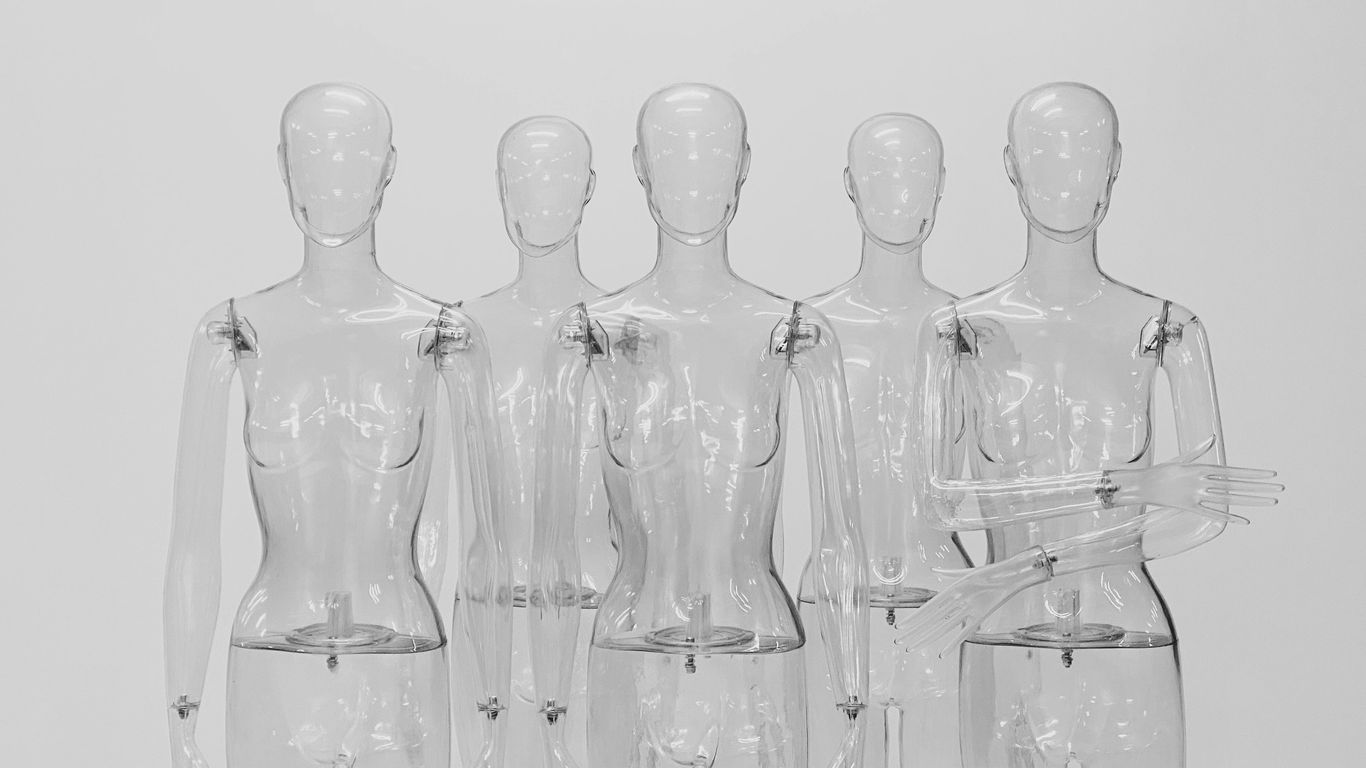
Modern retailers often struggle with how to present complementary goods together without creating a cluttered or disorganised appearance. Transparent risers offer the perfect solution by adding invisible structure to shelves, allowing two or more related products to occupy the same space while maintaining clear separation. This is an excellent way to maximise your store’s appeal by encouraging shoppers to discover related items they might otherwise overlook.
When applying these risers, consider the height of each item to ensure that smaller components do not become overshadowed by larger stock. Below is a structural breakdown of how different riser sizes function in a typical cross-merchandising layout:
| Riser Height | Ideal Application | Product Category |
|---|---|---|
| Small | Jewellery or watches | Accessories |
| Medium | Cosmetics or samples | Small bottles |
| Large | Handbags or decor | Statement pieces |
By categorising goods this way, you create a seamless shopping journey that feels intuitive. The logical groupings allow for better shelf flow, ensuring that even in small retail footprints, you can present a wide range of products clearly. Providing this level of clarity in your staging is a cornerstone of modern retail merchandising.
4. Implement eye-level point-of-sale displays for impulse buys
Placing items at eye-level near the checkout area is a classic retail strategy that remains highly effective for boosting transactional volume. Using clear stands to elevate smaller, high-margin snacks or accessories directly in the customer’s line of sight captures interest while they wait. This removes the friction between seeing a product and deciding to add it to their basket.
Transparency plays a critical role here, as you do not want the display stand itself to compete with the vibrancy of the packaging on offer. These units are lightweight and unobtrusive, making them easy to rearrange when you need to rotate seasonal goods. They offer the flexibility to adapt to changing inventory levels or promotional campaigns throughout the year.
If you are searching for the perfect Acrylic A4 Display Stand for your retail business in Malaysia, look for designs that offer stability and a crystal-clear finish. Positioning your point-of-sale items correctly ensures that these pieces do not just sit on a shelf but actively invite interaction. It is this balance of visibility and strategic placement that drives repeat impulse purchases.
5. Showcase delicate jewellery pieces with custom acrylic stands

Jewellery presents a unique set of challenges in a retail setting because these items are small, delicate, and often prone to tangling if stored incorrectly. Using custom holders prevents these issues while keeping pieces looking bright and sophisticated. The right stand will not only secure your items but also reflect existing lighting to increase their perceived sparkle and brilliance.
When you elevate your jewelry displays with elegant stands, you allow customers to view necklaces, earrings, and bracelets from various angles without having to hold them. This remote viewing capability keeps delicate pieces pristine and reduces the risk of accidental damage during browsing sessions. Consistency in your stand selection creates a cohesive, high-end feel throughout your jewellery section.
Investing in quality materials ensures that the stands remain clear over months of handling. Because jewellery is often the most personal and high-value category of a shop, the display must represent that worth. Whether you need a T-bar or a specialised slantback design, selecting a supplier who understands the material properties is vital for achieving a truly professional results.
6. Arrange seasonal rotating window displays for maximum kerb appeal
Window displays are the first impression of your store, serving to stop foot traffic and generate interest before a customer has even walked through the door. Rotating these setups every few weeks keeps your storefront fresh and encourages regular clients to check back for new collections. Using risers of varying levels helps build a dynamic, layered scene that is far more eye-catching than a flat floor presentation.
Seasonal themes allow you to tell a narrative, whether it is a holiday-focused display or a brand-new line launch. By placing key products on elevated surfaces, you create a focal point that can be seen from a distance. The lack of visual weight in clear displays ensures that the products are always the primary heroes of the window.
Keeping your window space clean and orderly is essential, as the glass will amplify any dust or misalignment. Take time to wipe down your stands and ensure that the signage is aligned and readable from the pavement. A compelling, well-lit window display can significantly increase your store’s footfall, making it one of the highest-returning investments in your retail merchandising toolkit.
7. Organise small accessories using nested acrylic display cubes
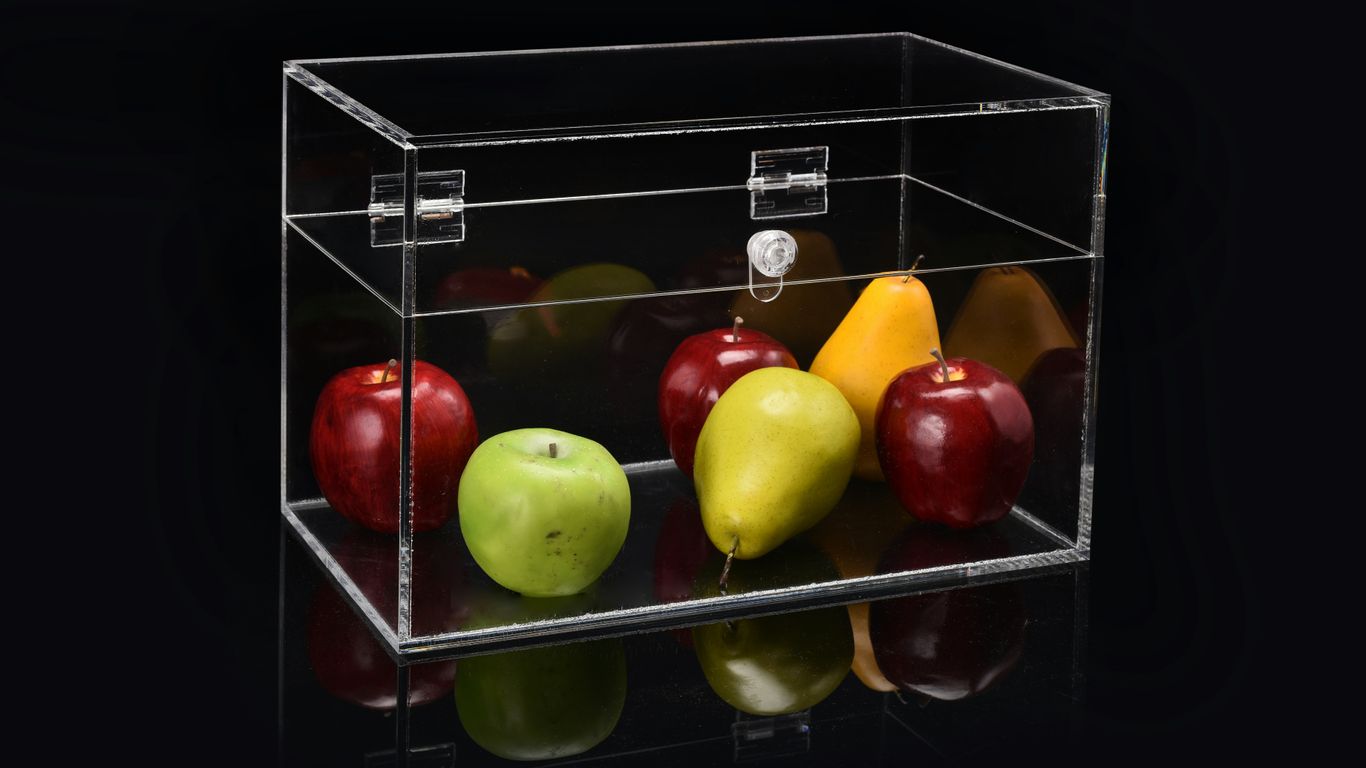
Small accessories like scarves, pins, or collectables can quickly turn into a chaotic jumble if they are not properly housed. Nested display cubes provide a modular solution, separating various items while keeping them grouped in a visually linked set. This layering effect adds depth to any table and encourages curious browsing as shoppers engage with each layer of the collection.
You might choose to use these cubes in their stacked configuration to drive vertical interest, or spread them across a table to fill more surface area during a slower sales cycle. Their uniform look provides a high degree of control over the aesthetic. Using these boxes helps manage stock counts, as you can see empty spaces immediately should an item sell out.
For those interested in exploring this aesthetic further, discovering how to use acrylic boxes for both retail and home storage is a great next step. The clean lines and durable construction make them a long-term asset that can be used on your shop floor for years to come. Ultimately, these organisers help you create a shopping environment that is orderly and inviting for your target market.
8. Integrate branded signage holders within product layouts
Effective signage acts as a silent salesperson, informing your customers about price, features, or brand stories without requiring constant staff interaction. By integrating branded holders directly into your shelves, you ensure that the message is always adjacent to the product. A well-placed sign is the perfect way to communicate value and clear up any questions a buyer might have.
These holders should be placed consistently so that the shopping experience feels predictable and professional. Below are the key characteristics that make for a highly effective signage plan:
- High-visibility placement at eye level.
- Consistent brand-matched typography and colours.
- Durable acrylic that resists scratches.
- Removable sleeves for fast promotional updates.
Maintaining a clean signage system prevents the retail space from looking cluttered or unprofessional. By placing your signs in fixed holders, you avoid the common issue of loose paper tags falling over or obscuring products. A neat, branded sign setup tells the customer that you value quality across every detail of the shopping journey.
9. Maximise vertical shelf space with tiered display steps
Many retail spaces suffer from limited shelf capacity, leading to cramped displays that hide products from view. Tiered steps effectively double your usable display area by allowing you to stack merchandise without stacking it on top of itself. This elevation ensures that every single item remains visible to the customer, dramatically increasing the chances of discovery.
When implemented effectively, these steps turn a standard flat shelf into an efficient podium for multiple items. The step-down design ensures that even the rear items are not obscured by the ones in front. This configuration is exceptionally useful for small items that would otherwise get lost in the depths of a shelf, such as small bottles, compacts, or individual electronic parts.
If you find yourself running out of room, contact our team to discuss bespoke fabrication solutions that fit your specific shelf dimensions. Maximising space not only improves your ability to sell larger volumes of stock but also keeps your floor looking less cluttered. An efficient shelf is the foundation of a high-converting retail environment, making the investment in tiered steps one of the most practical decisions a retailer can make.
10. Create thematic vignettes to boost storytelling in retail
Retail is increasingly about the experience, and creating a cohesive story through a vignette is the best way to connect with your customer. A vignette is a small, staged area that pulls products together to suggest a lifestyle or usage case. By using risers and stands to create varying heights, you can build a small “world” that feels curated and thoughtful, rather than just a collection of inventory.
Think about how your customers will use the products. If you sell home office stationery, group a notebook, pen holder, and desk organiser together on a staged riser. This context helps the customer visualise how the items might enhance their own life, which often leads to a higher cart value as they purchase the whole set rather than a single component.
To make this effective, ensure that the display pieces have an aesthetic continuity. Keeping your styling consistent and your storytelling clear, with simple additions like custom acrylic solutions, will result in a professional look. This practice does not just sell goods; it sells an experience, and in the current retail landscape, that is exactly what keeps customers coming back through your doors.
Conclusion
Implementing these varied acrylic display strategies will significantly improve the clarity, aesthetic appeal, and overall profitability of your retail space. By selecting the right types of stands, pedestals, and risers, you allow your products to take centre stage while maintaining a clean, professional organisation that shoppers find both inviting and intuitive to navigate.
Frequently Asked Questions
Why is acrylic preferred for retail displays over glass?
Acrylic is significantly lighter than glass, which makes it safer and easier to move when you need to rotate your displays or update your seasonal decor. It is also more impact-resistant, meaning it is less likely to shatter if accidentally knocked, and it can be custom-fabricated into complex shapes that are difficult or impossible to achieve with standard glass products.
How often should I clean my transparent retail stands?
It is a good practice to wipe down your stands daily with a soft microfibre cloth; if you notice fingerprints or minor smudges, use a bit of warm, soapy water. Avoid using harsh chemicals or ammonia-based cleaners, as these can cause the material to cloud or develop fine cracks over time.
Can acrylic stands be used in sunny window displays?
Yes, but you should take into account that high-quality, UV-stable materials will perform better over long periods of exposure to direct sunlight. While acrylic is generally durable, excessive and prolonged heat can occasionally cause slight warping if the material is too thin, so ensure you choose an appropriate thickness for your specific display environment.
How can I make my retail products stand out in a small store?
Vertical space is your greatest asset in a limited footprint, so use tiered steps and risers to draw the customer’s eye upward rather than just across the counter. Keeping your displays colour-coordinated and using clear materials prevents the space from feeling overcrowded, allowing you to showcase more inventory while maintaining a sleek, minimalist look.
Will these display solutions work for heavy items?
While acrylic is very strong, the weight capacity depends entirely on the thickness of the material and the specific design of the stand. For heavy objects like electronics or large sculptures, ensure you choose a thicker gauge and a reinforced design to provide the stability you need, as standard lightweight stands are intended for lighter items.
What is the advantage of using nested cubes versus single risers?
Nested cubes offer far more modularity, as they can be used individually, stacked, or arranged horizontally to fill different shelf widths. They are excellent for creating depth in smaller displays and provide a clean, boxy aesthetic that can frame different groups of accessories while keeping them organized in a logical set.
Where should I place price signs on my retail display?
Signs should always be placed adjacent to the product they describe, ideally held in a dedicated sign holder so they do not tip over or get lost. Placing them at eye level or just below the item ensures that the customer can identify both the product and its cost, which lowers the barrier to purchase and keeps your store looking tidy and well-managed.